
The blue-chip muscle cars, the top-engine Chevelles and Hemi Mopars, have been expensive for a long time and mostly move sideways now. The interesting money over the past few years has been in the cars a step or two down the ladder, the ones the market overlooked and is now catching up on. Spotting appreciating classic muscle cars means watching where new buyers enter, not where the records already sit.
Market & Values
6 min read
Muscle Cars That Are Rising in Value
The action has moved past the blue chips. Where classic muscle cars are appreciating, what drives it, and how to buy quality before consensus.
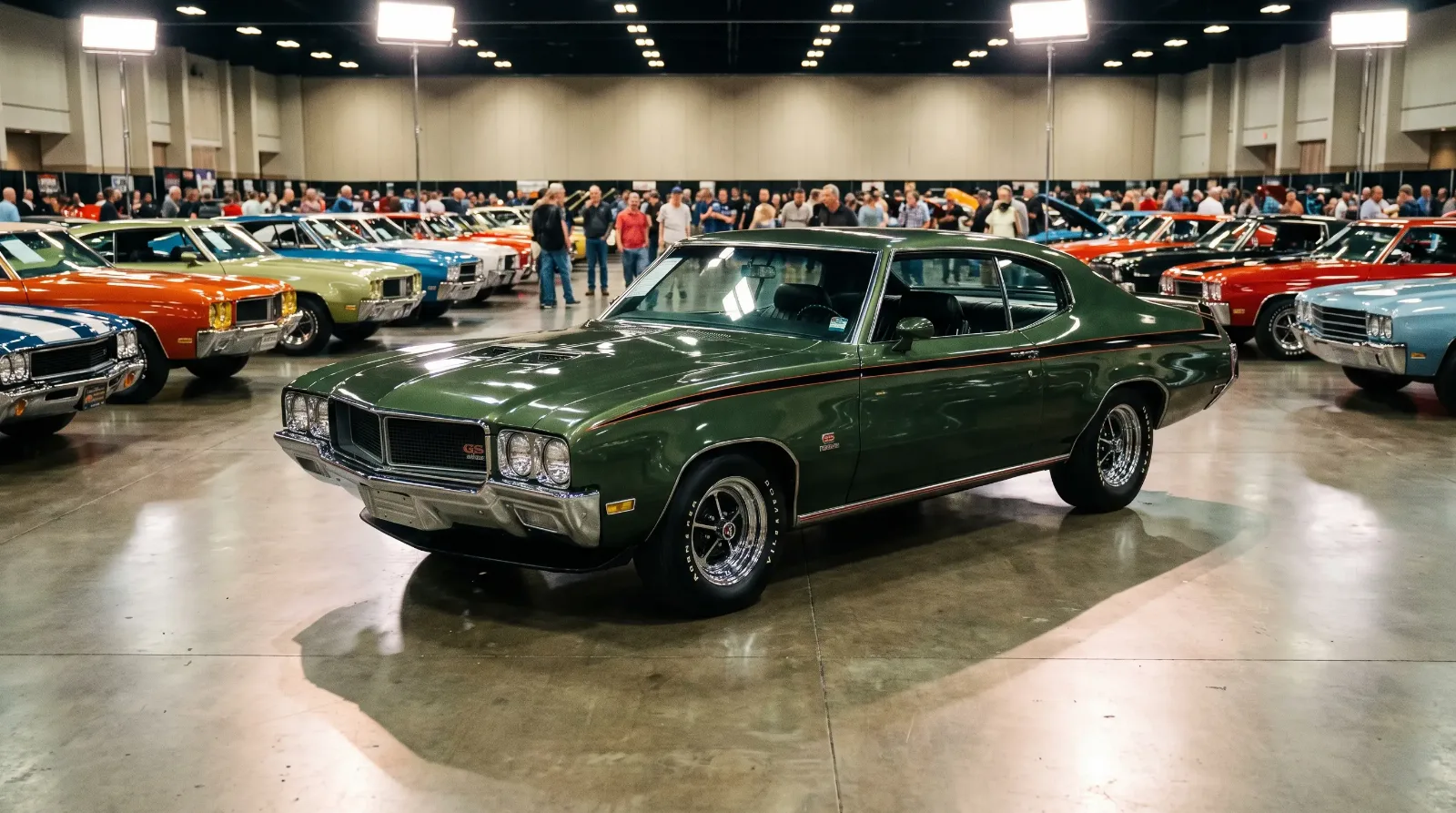
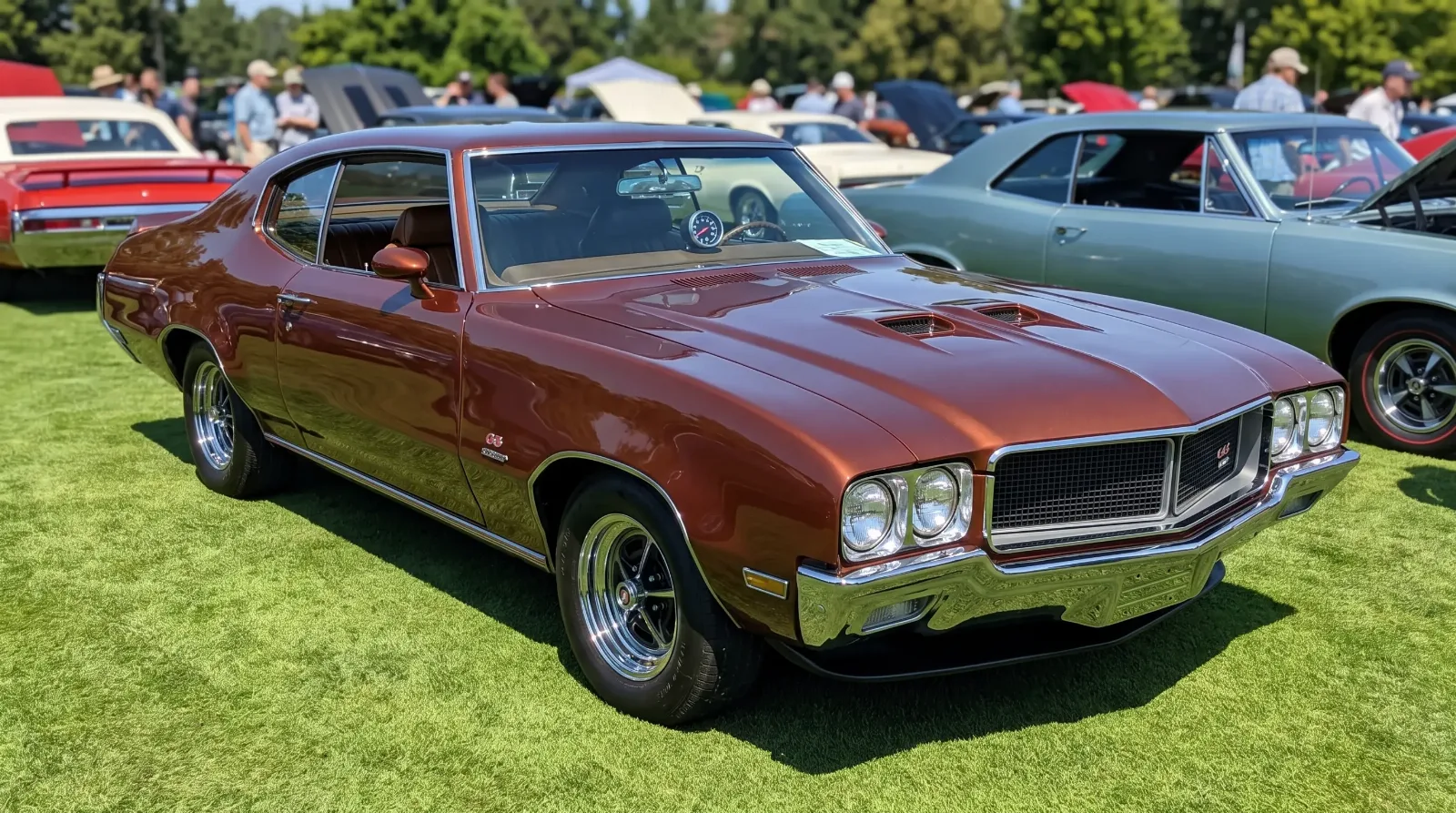
The pattern is consistent across cycles. A generation ages into disposable income, they buy the cars they wanted at twenty, and demand rises on models that were affordable a decade ago. Auction data shows it clearly if you track the middle of the market rather than the headline lots. Here is where the movement has been.
What actually makes a muscle car appreciate
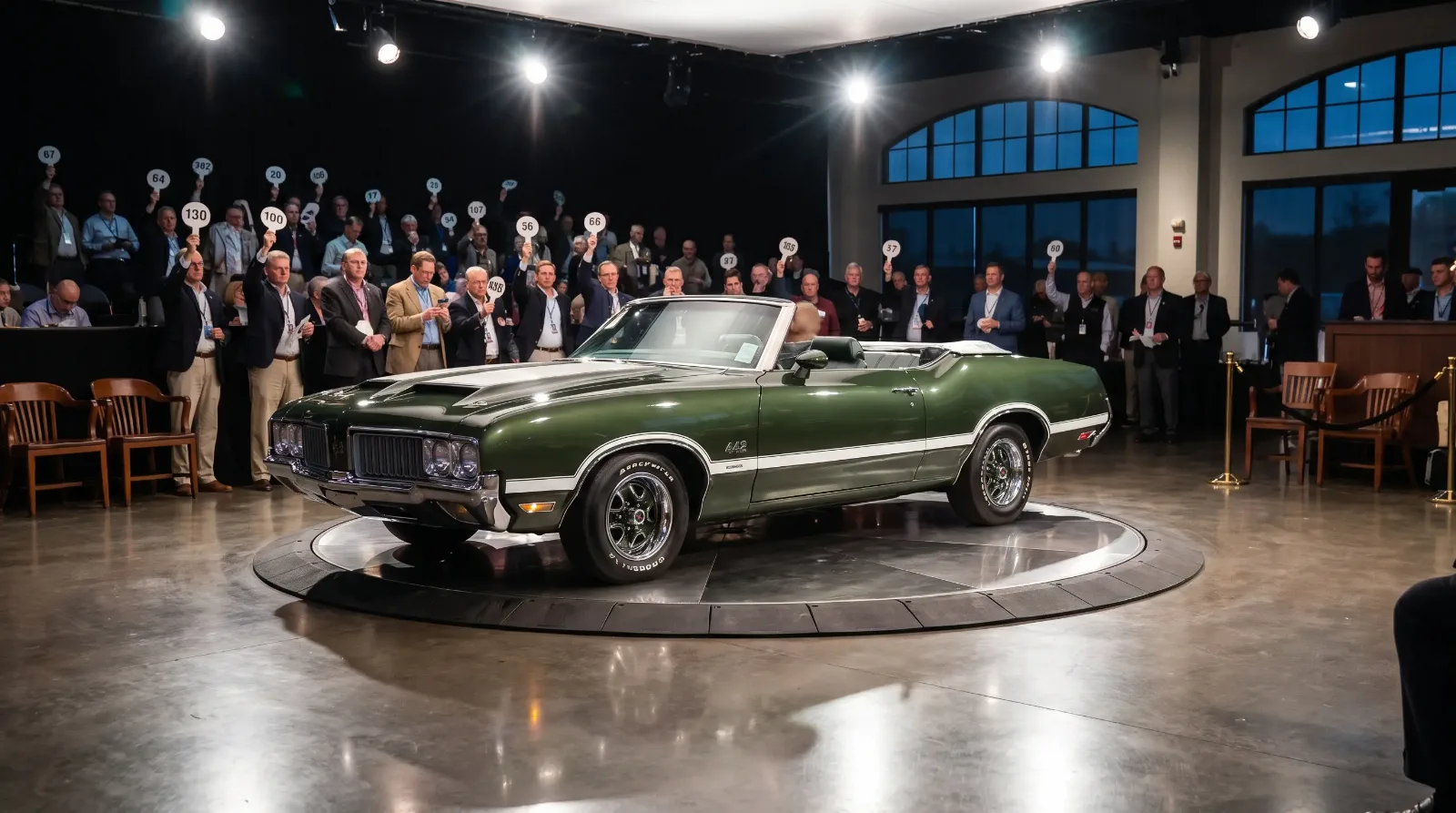
Appreciation is not random and it is not about which car is fastest. It comes from a few forces working together. A rising generation of buyers with money, a model that was undervalued relative to its peers, genuine scarcity in the desirable configurations, and documentation that lets a buyer pay with confidence. When those line up, prices move.
The cars that climb are usually the ones that were cheap for a bad reason rather than a good one. A model overshadowed by a more famous sibling, or a body style that fell out of fashion and came back. What they almost never turn out to be is the car everyone already agrees is great, because that agreement is already priced in. The full framework for what drives these numbers sits in our Muscle Car Values guide, and it is worth reading before you chase any trend. Read it as a way to check your own reasoning, not to confirm a car you have already decided to buy.
Segments that have been climbing
Several corners of the market have outrun the blue chips lately. None of this is investment advice, and past movement never guarantees the next cycle, but the direction of travel has been fairly clear.
| Segment | Why it is moving | Buyer entering |
|---|---|---|
| Second-tier engine cars | Real muscle at a discount to top codes | Value-focused collectors |
| 1980s and early-1990s performance | Nostalgia generation aging in | Buyers who wanted them new |
| Overlooked mid-size models | Cheap relative to famous siblings | First-time collectors |
| Documented four-speed cars | Scarcity plus enthusiast demand | Driver-buyers who want the real thing |
The through-line is affordability meeting scarcity. Cars that let a new buyer own a genuine, documented muscle car without top-tier money are exactly the ones drawing fresh demand, and fresh demand is what moves prices in the near term.
The 1980s and early-1990s performance cars deserve a closer look, because they show the pattern most clearly. For years the collector world dismissed them as used cars, too modern to matter and too common to chase. That view is changing fast. The buyers who taped their posters to a bedroom wall are now writing collector checks, and clean, low-mile examples have moved from bargain to genuine appreciation in a short window. The same thing happened to the 1960s cars a generation earlier, and it will happen again with whatever the next cohort grew up wanting. Demographics run this market more than horsepower does.
How to spot the next mover
Look for the gap between a car's quality and its price. A model that delivers real performance, real scarcity, and honest documentation but trades below its more famous peers is a candidate. Then check whether a buyer generation is aging into it, because demand needs a source. A great car with no incoming buyers stays cheap.
Watch the auction results over the reserve line, not just the headline sales. When solid, documented examples of a given model start clearing their reserves consistently and no-sales become rare, that is the market voting with cash. The quiet, undervalued end of the market is where most of these opportunities start, and we cover that specifically if you want to read the full story.
Buying an appreciating car without overpaying
The mistake is buying the trend at the top. By the time a model is on every magazine cover, the easy appreciation is behind it and you are paying for momentum. The money is made buying quality before consensus, and that requires discipline about condition and documentation rather than excitement about a chart. Sellers face the same timing question from the other side, and we cover reading the market before you sell separately.
Buy the best-documented example in the best condition you can afford, in a model with a real reason to rise. A #2 car with full paper in a climbing segment protects you on the downside and captures the upside if the trend continues. A rough car in the same segment does neither, because the appreciation flows to the cars buyers can trust. Chase quality, not headlines, and the rising market works for you instead of against you.
"By the time a car is obviously going up, you're buying the momentum, not the value. I'd rather own a documented, unloved example a year early than a hyped one a year late. The paper and the condition are what survive the cycle."
David Mercer
The muscle market keeps rewarding the same behavior. Find quality the crowd has not noticed yet, insist on documentation, and let the demographic wave do the work. The cars that rise are rarely the ones already at the top. They are the ones a new generation is only now deciding it wants.
Related Reading
Have a
Classic Car
for Sale?
Reach thousands of serious classic car collectors across the US.
Sell It Here →
Are You a Classic Car Dealer?
List your full inventory and connect with targeted classic car buyers.
Join as a Dealer →

About the author
David Mercer
Classic car market analyst with two decades of experience tracking collector car valuations, auction results, and investment trends.

Comments
Be the first to comment on this article.