
Every muscle car market has a top shelf and a bargain rack, and the interesting money is usually somewhere in between. The blue-chip cars get the headlines. A Hemi Cuda convertible or an LS6 Chevelle sells for a number that makes the evening news, and everyone assumes the whole segment moves the same way. It doesn't. Underneath the trophy cars sits a whole layer of genuine 1960s and 1970s American muscle that trades for a fraction of what its performance and history would suggest, and that layer is where a patient buyer still has room to work.
Market & Values
6 min read
Undervalued Muscle Cars to Buy Now
The undervalued classic muscle cars still trading below their performance and history. Where the value gaps are, why they exist, and which are set to move.
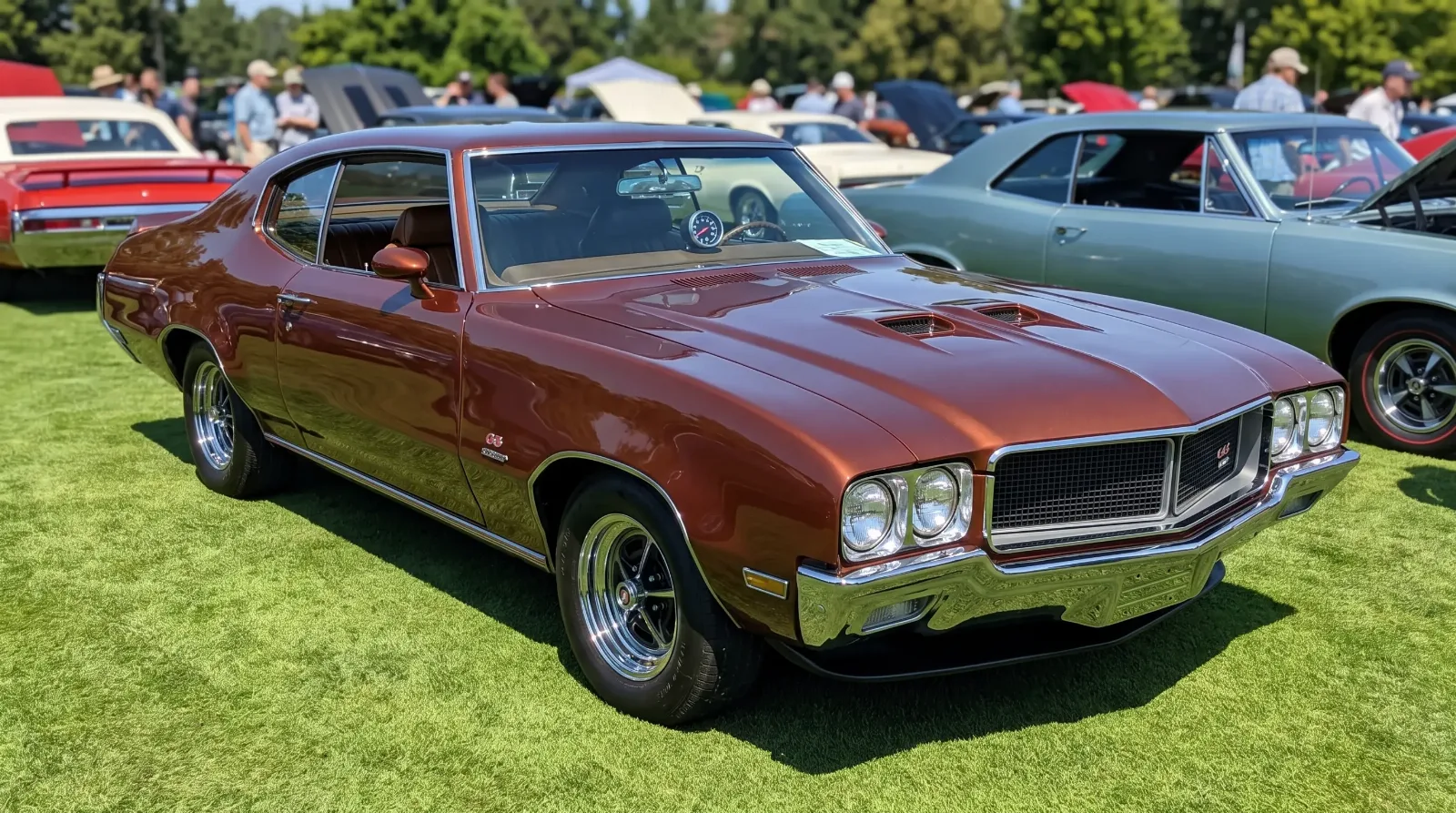
I track auction results across Scottsdale, Kissimmee, and the mid-year sales for a living, and the undervalued classic muscle cars I keep flagging aren't obscure. They're cars people know by name. They just live in the shadow of a more famous sibling, or they carry a smaller engine, or they came out of a model year that collectors decided to ignore. The discount is real, and in a few cases it looks like it won't last.
What undervalued actually means
Undervalued is not the same as cheap. A car can be inexpensive because nobody wants it, and that car stays inexpensive. Undervalued means the price sits below where the fundamentals point: the performance, the production numbers, the documentation, and the trajectory of comparable cars. When a car has all the ingredients that drive a market and still trades soft, that gap tends to close eventually.
The clearest signal is a widening spread between two similar cars. When a 1970 Chevelle SS396 sells for a third of what the SS454 brings, the 396 car isn't three times worse. It's a documentation and cachet gap, and gaps like that narrow when the leader gets expensive enough to price people out. If you want the full framework behind these numbers, the pillar breaks down classic muscle car values in detail.
Muscle cars the market has overlooked
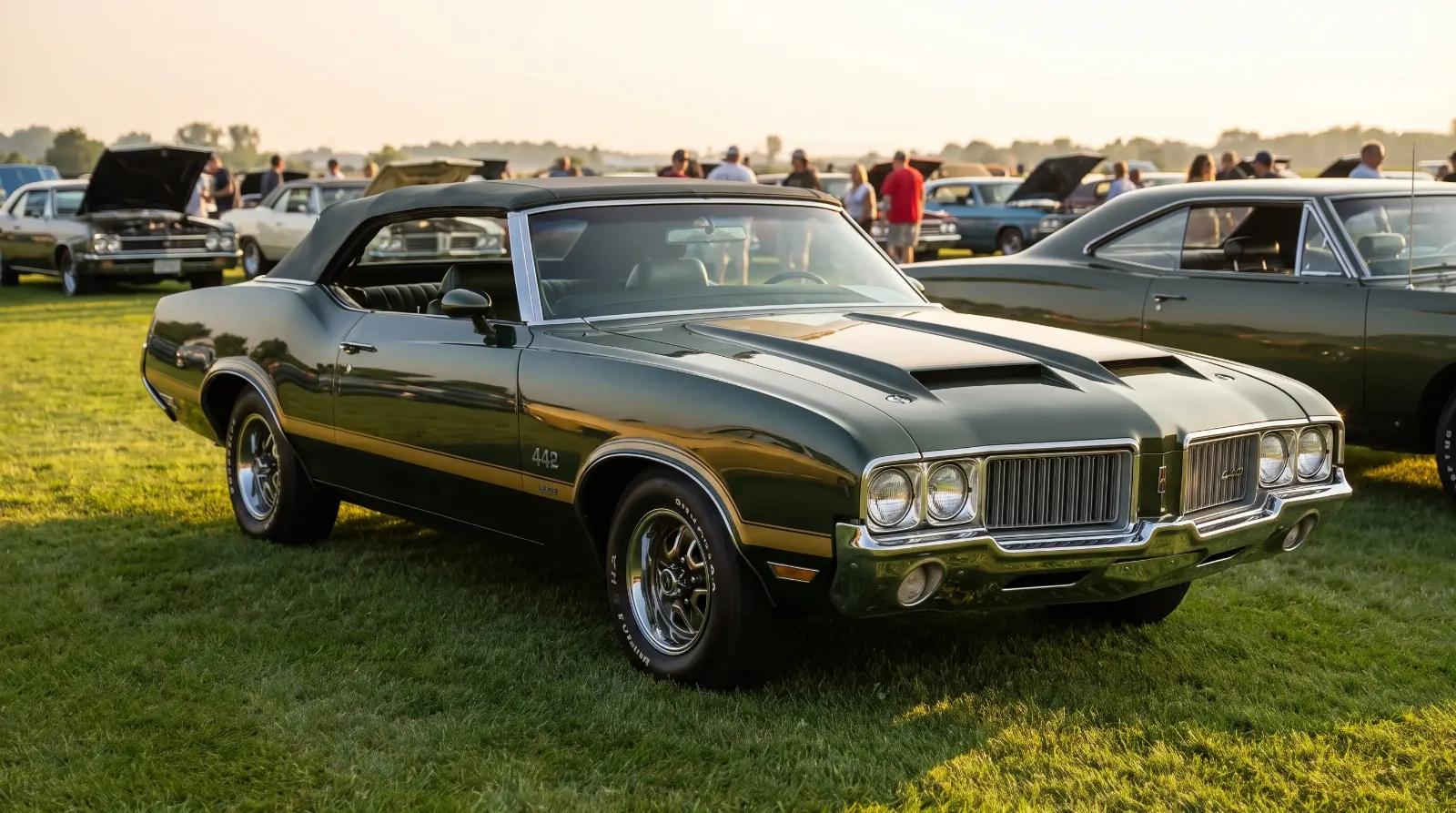
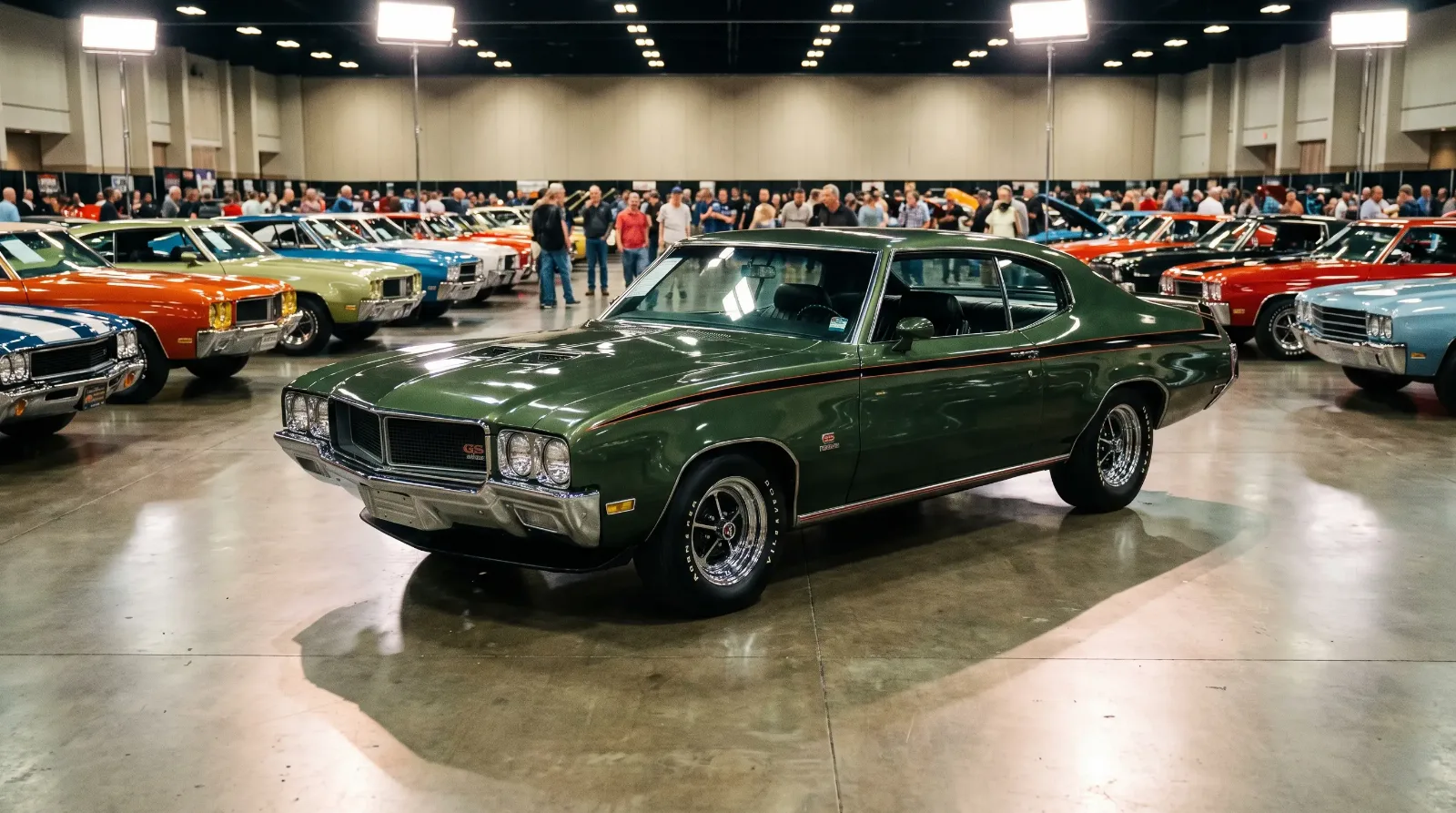
A few names come up again and again when I run the comps. The second-generation Pontiac Firebird Formula and Trans Am from the mid-1970s spent years dismissed as smog-era leftovers, and clean documented cars still trade well under their early-decade cousins. The Buick GS and the Oldsmobile 442, both genuinely quick, sell at a persistent discount to the equivalent Chevelle because the badge doesn't carry the same weight at a Saturday night cruise-in. Mid-size Mopars below the Hemi tier, the 340 and 383 cars, are strong drivers that never got the Hemi halo money.
Here is where the spreads sit right now, in round numbers. Treat these as approximate driver-to-clean ranges, because condition and documentation move every one of them.
| Car | Era | Approx. value range | The overlooked angle |
|---|---|---|---|
| Oldsmobile 442 W-30 | 1970-1972 | $45,000-$90,000 | Quicker than its reputation, badge lacks Chevelle cachet |
| Buick GS 455 Stage 1 | 1970-1971 | $40,000-$85,000 | Big torque, small collector following |
| Pontiac Firebird Formula 400 | 1970-1973 | $25,000-$55,000 | Lives in the Trans Am's shadow |
| Dodge Charger 383 | 1968-1970 | $40,000-$75,000 | Same body as the Hemi car, small fraction of the price |
| Mercury Cyclone GT | 1968-1970 | $30,000-$60,000 | Ford performance without the Mustang tax |
Where the value gap comes from
Three things keep these cars cheap, and understanding them tells you whether the discount is temporary or permanent. The first is brand hierarchy. Chevrolet and the top Mopars set the ceiling, and everything else gets measured against them. The second is engine snobbery. A numerically smaller engine gets penalized even when the real-world performance is close, which is exactly why the 383 Charger trades so far under the Hemi car despite sharing the same sheet metal. The third is simple visibility. Cars that don't show up at the marquee sales don't build the price record that pushes values up.
None of that changes what the car is. A documented Stage 1 Buick is a genuine muscle car whether or not the badge is fashionable. When the leaders climb far enough, buyers who still want the experience start looking sideways, and the overlooked cars catch a bid. That is the pattern behind almost every value correction I've watched in twenty years.
What to check before you buy the discount
A cheap car with a story problem is not a bargain. Before you chase any of these, confirm the drivetrain is what the fender says it is, because a numbers-matching Formula 400 and a re-engined shell are two completely different investments. Look for a build sheet, a Protect-O-Plate, or a factory invoice. The single biggest mistake buyers make in this tier is paying an undervalued price and then discovering the car is a clone, which erases the very upside they were chasing. The barn-find fantasy makes this worse, and the reality is rarely as clean as the legend suggests, as the barn find myth vs reality story lays out.
Condition math matters just as much. On a car trading at $40,000, a rust repair and a repaint can run past $20,000, and you cannot pour that into a car whose ceiling is soft. The undervalued play works on solid, honest, documented cars, not on projects that eat the discount and then some.
"The market rewards the badge today and the timeslip tomorrow. When the famous cars get expensive enough, buyers rediscover the ones that were quick all along, and that's the moment the overlooked names finally move."
David Mercer
Where the value is heading
The near-term picture favors documented, correct examples of these overlooked cars. As the top of the market stretches further out of reach, the buyers underneath don't leave the hobby. They trade down into cars that deliver most of the experience for a fraction of the money, and that demand is what closes the spread. I'd watch the Stage 1 Buicks and the W-30 Oldsmobiles most closely, because the performance case is airtight and the price gap to the Chevelle is historically wide.
The next step down from these are the true starter cars, and if your budget sits below this tier, the smarter move is to start with read the full story before you shop. Buy the documented car, buy the honest one, and let the badge snobbery of the wider market keep working in your favor.
Related Reading
Have a
Classic Car
for Sale?
Reach thousands of serious classic car collectors across the US.
Sell It Here →
Are You a Classic Car Dealer?
List your full inventory and connect with targeted classic car buyers.
Join as a Dealer →

About the author
David Mercer
Classic car market analyst with two decades of experience tracking collector car valuations, auction results, and investment trends.

Comments
Be the first to comment on this article.