
The muscle market runs on a value gap, and that gap creates the clone. When a real top-trim car is worth several times the base model it was built from, someone will eventually take a base car and make it look like the expensive one. Understanding the clone vs real muscle divide is not optional knowledge for a buyer. It is the difference between owning what you paid for and owning a very convincing mistake.
Market & Values
5 min read
Clones, Tributes and Real-Deal Cars
The value gap between a base car and a top-trim muscle car creates clones. How to tell real, tribute and undisclosed fake apart before you pay.
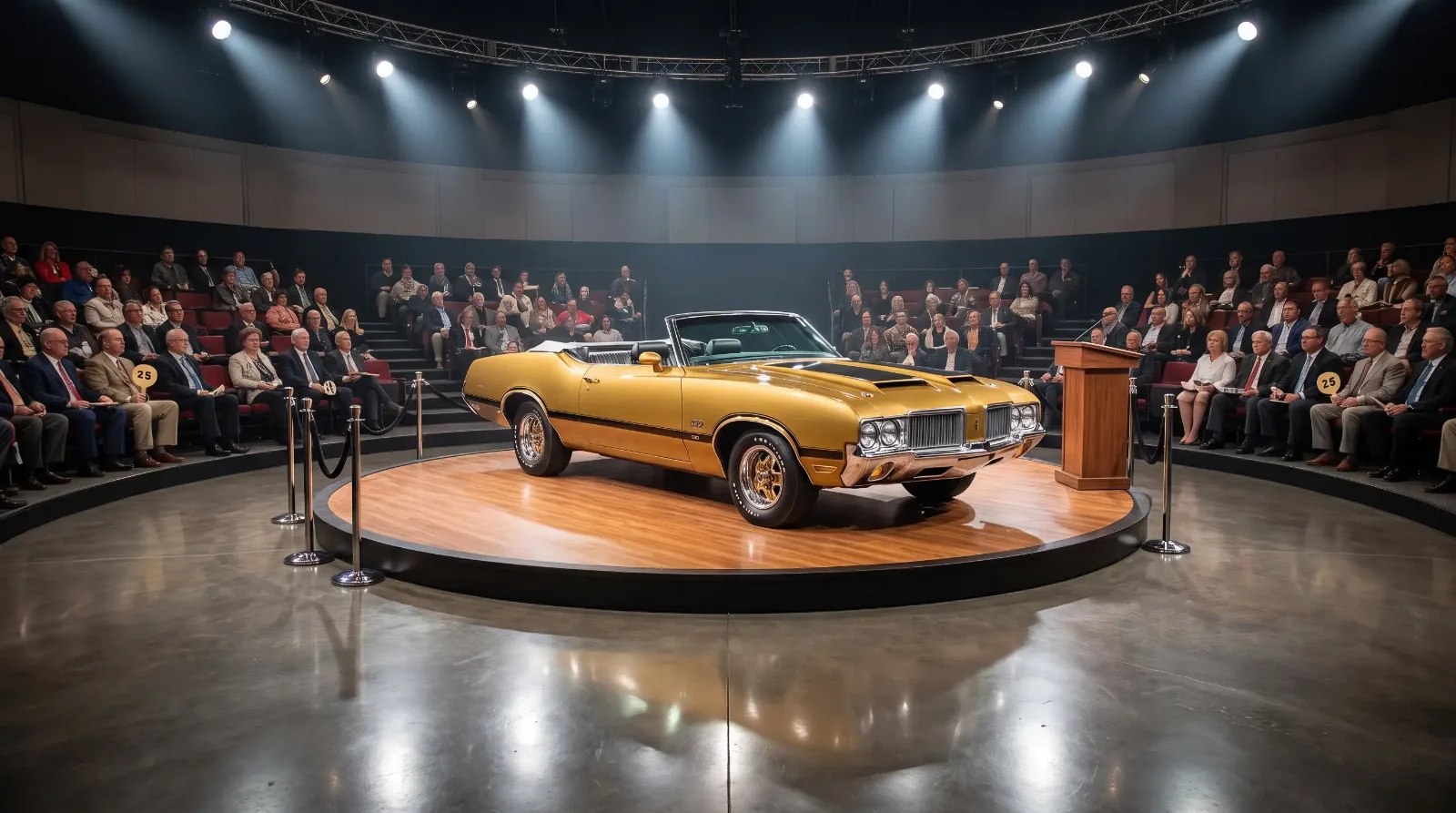
The terms matter, so start there. A real-deal car is a genuine factory example of the desirable trim, born that way and provable. A clone is a lesser car rebuilt to imitate a more valuable one. A tribute is the same idea, usually disclosed honestly. The trouble arrives when a clone is sold as the real thing, and the market has learned to price that risk into everything without airtight paper.
How the value gap creates the incentive
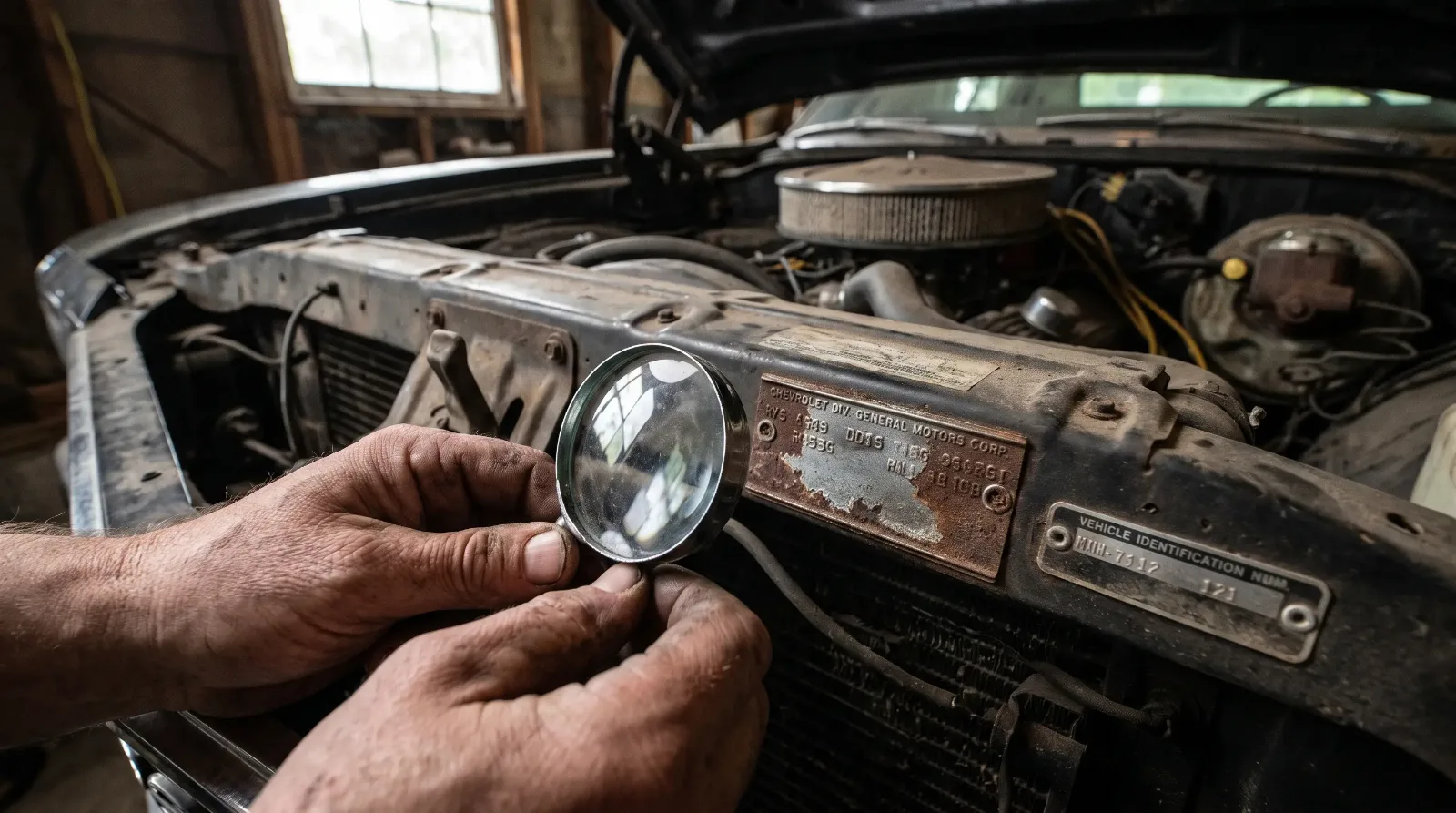
Follow the money and the behavior explains itself. A base coupe and its top-engine sibling started life close in price. Fifty years later they can be worlds apart, with the genuine performance car commanding multiples of the base car's value. That spread is the incentive. Every dollar of the gap is a dollar of motive to convert a common car into a rare-looking one.
This is why documentation and correctness sit at the center of muscle valuation. The market is not paying for a body shape. It is paying for a specific, provable configuration, a point we develop in a closer look at muscle car values. The wider history of how these trims became so desirable is worth knowing too, and you can trace the rise of American muscle to see why the gap grew this large.
Real, clone or tribute: telling them apart
The visual is the least reliable evidence. A well-built clone can wear correct paint, correct badges, and a period-correct engine, and look flawless from the aisle. The proof lives in the numbers and the paper, not the panels.
| Type | What it is | Market position |
|---|---|---|
| Real-deal factory car | Genuine top trim, documented | Full value, strong liquidity |
| Disclosed tribute / clone | Built to imitate, sold honestly | Priced as a nice driver, not a rare car |
| Undisclosed clone | Fake sold as genuine | The risk every buyer must avoid |
| Restomod / modified | Upgraded, not factory-correct | Priced on build quality, not originality |
The chase is always the same. Match the drivetrain casting and stamp numbers to the trim tag. Confirm the tag decodes to the trim being claimed. Look for factory records, a build sheet, and a clean history. A car that is genuine will usually have the paper to prove it, and a seller who cannot produce it is telling you something.
The Chevelle SS as the classic case
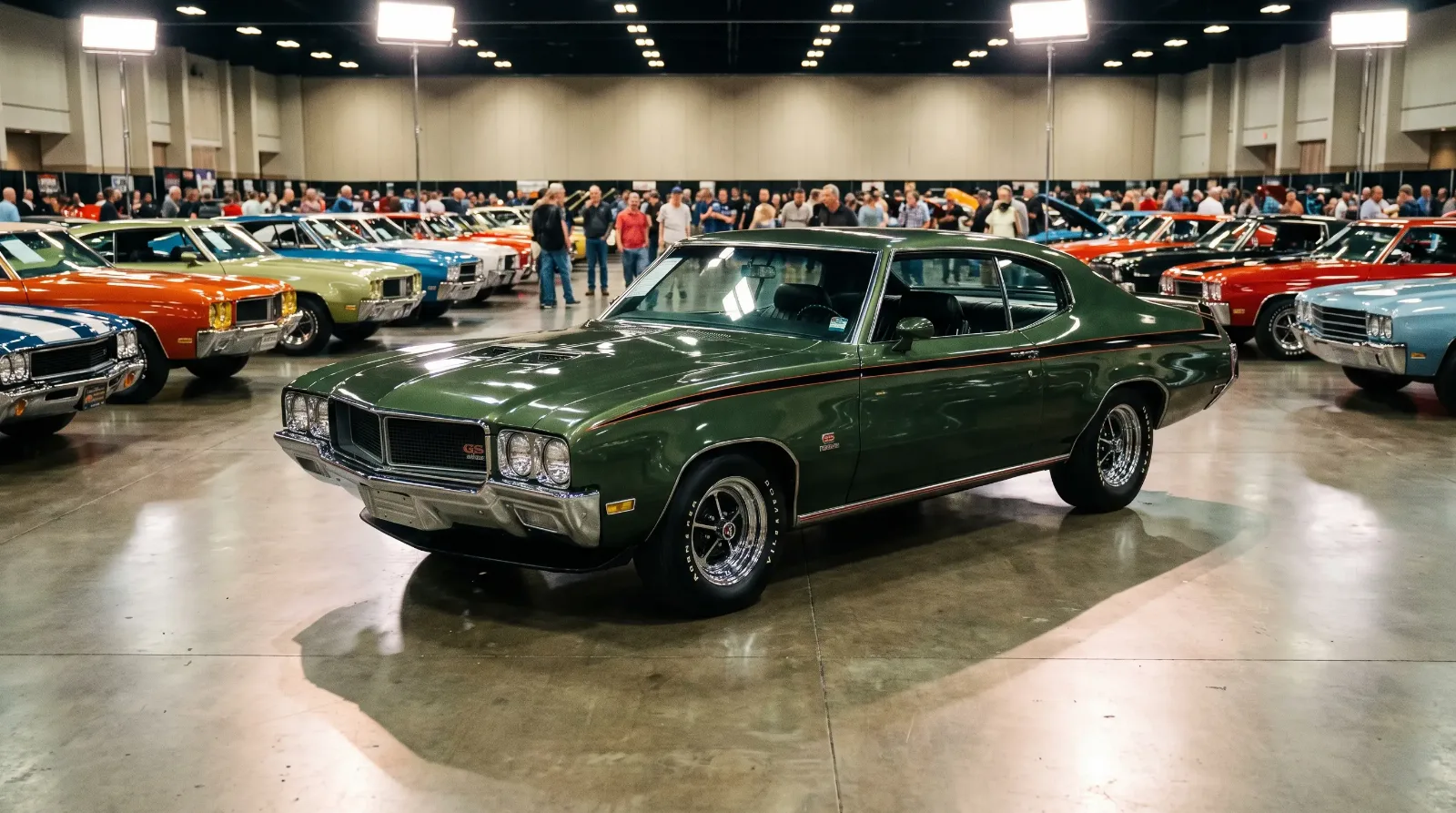
No car illustrates the divide better than the Chevelle SS. A base Malibu and a genuine SS454 share a body, and for decades the SS badge was easy to add. The result is a market where a real, documented SS commands a large premium and a cloned SS is priced as the Malibu it actually is. The gap between the two is exactly what a careful buyer is trying to protect. We break down that specific split in the clone vs real the chevelle ss value divide story, and the lessons there apply to every badge-engineered muscle car.
The Chevelle is not alone. The same dynamic plays out with high-trim Mopars, Mustangs, and Pontiacs wherever a badge or an engine swap can be added after the fact. The brand changes. The math does not. Wherever a factory built a base car and a halo version on the same platform, the market has to work out which one it is looking at, and the paper is the only reliable referee.
How to buy without getting burned
Buy the documentation, not the badges. Verify before you fall in love. If a car is presented as a real-deal example, the burden is on the seller to prove it, and the tools to check are the trim tag, the numbers, and the factory paper. If the proof is thin, price the car as a clone regardless of how good it looks, because that is what the next buyer will do.
There is nothing wrong with buying a disclosed clone at a clone price. That can be smart, and some of those honest cars are among the ones climbing steadily, which you can read the full story on. The only real error is paying real-deal money for a car that cannot prove it is one. Keep that line straight and the clone stops being a trap and becomes just another option in the market.
"A clone is only a problem when it wears a real car's price tag. I have no issue with a tribute sold as a tribute, but the moment the paperwork can't back the badge, I value the car as the base model it was born as and let the story go."
David Mercer
The clone question comes down to one discipline. Pay for what is proven, not for what is painted on. Buyers who hold that line capture the value of the real cars and enjoy the honest clones for what they are, and they never wake up owning someone else's imagination at a genuine price.
Related Reading
Have a
Classic Car
for Sale?
Reach thousands of serious classic car collectors across the US.
Sell It Here →
Are You a Classic Car Dealer?
List your full inventory and connect with targeted classic car buyers.
Join as a Dealer →

About the author
David Mercer
Classic car market analyst with two decades of experience tracking collector car valuations, auction results, and investment trends.

Comments (1)
B
Bobby Szymanski
2 months ago
Two-door versions always carry a premium, but the wagons are starting to get serious collector attention. Keep that in mind if you're budget-conscious.