
The originality vs value classic luxury car debate confuses people because it runs against instinct. A fresh, shiny restoration looks like the more valuable car. Often it is not. In the top tier of the luxury segment, a genuine original car, unrestored and honestly worn, can be worth more than the same car restored to a mirror finish. Understanding why changes how you think about spending money on a restoration in the first place, and how much of it you will ever get back.
Market & Values
6 min read
Originality, Value, and the Long-Term Cost of Ownership After Restoration
Originality vs value on a classic luxury car, why an original survivor can outsell a restoration, cost recovery, and the carrying costs after the work is done.
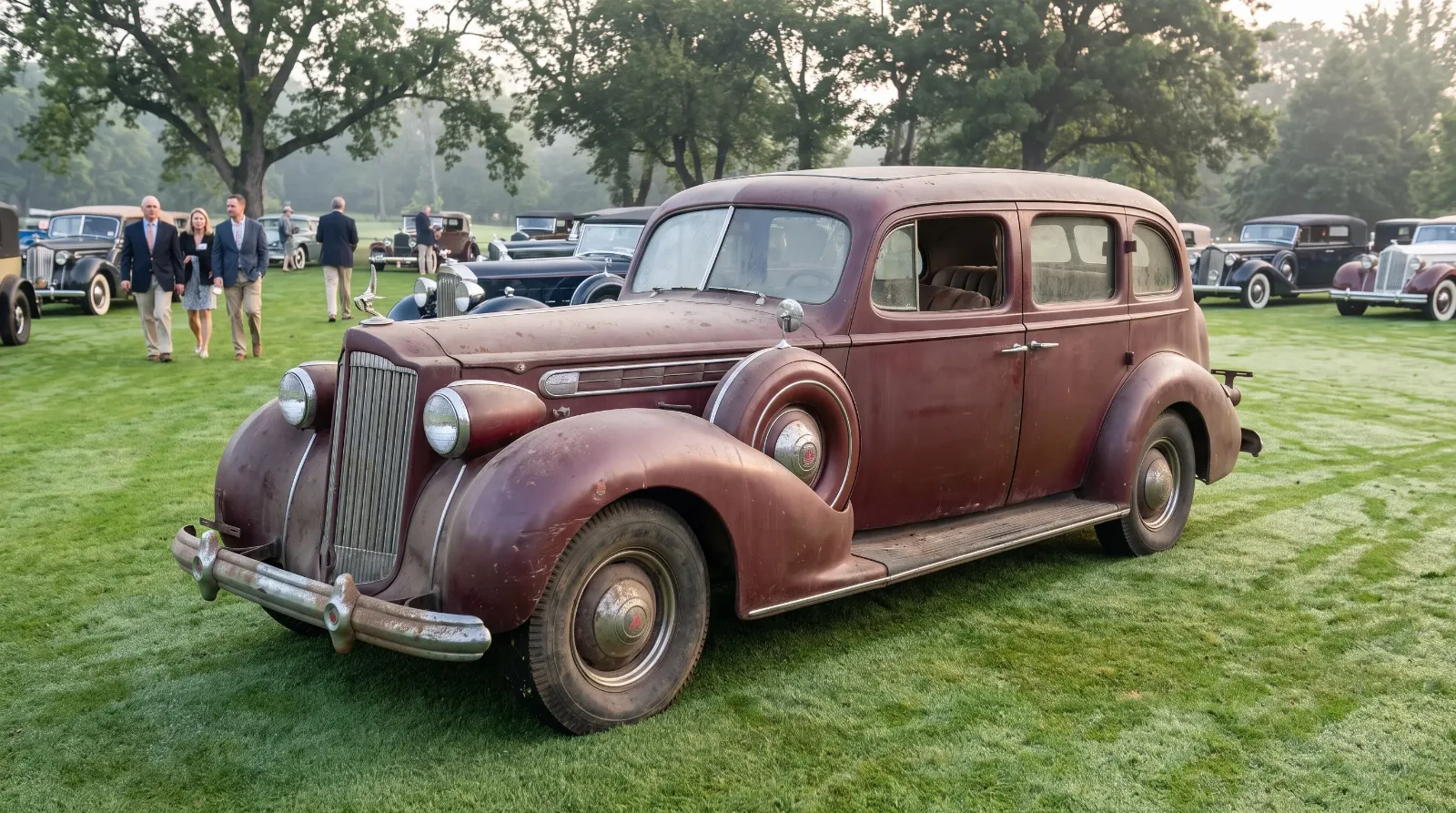
I value cars for a living, and the question I ask first is never how good the paint looks. It is what the car still is. Originality is a finite thing. Once it is gone, no amount of money brings it back, and the market has learned to pay for that scarcity. If you have read the collecting and restoring guide, this is the piece that explains why the most expensive decision in restoration is sometimes the decision not to restore at all.
Why an original car can outvalue a restored one
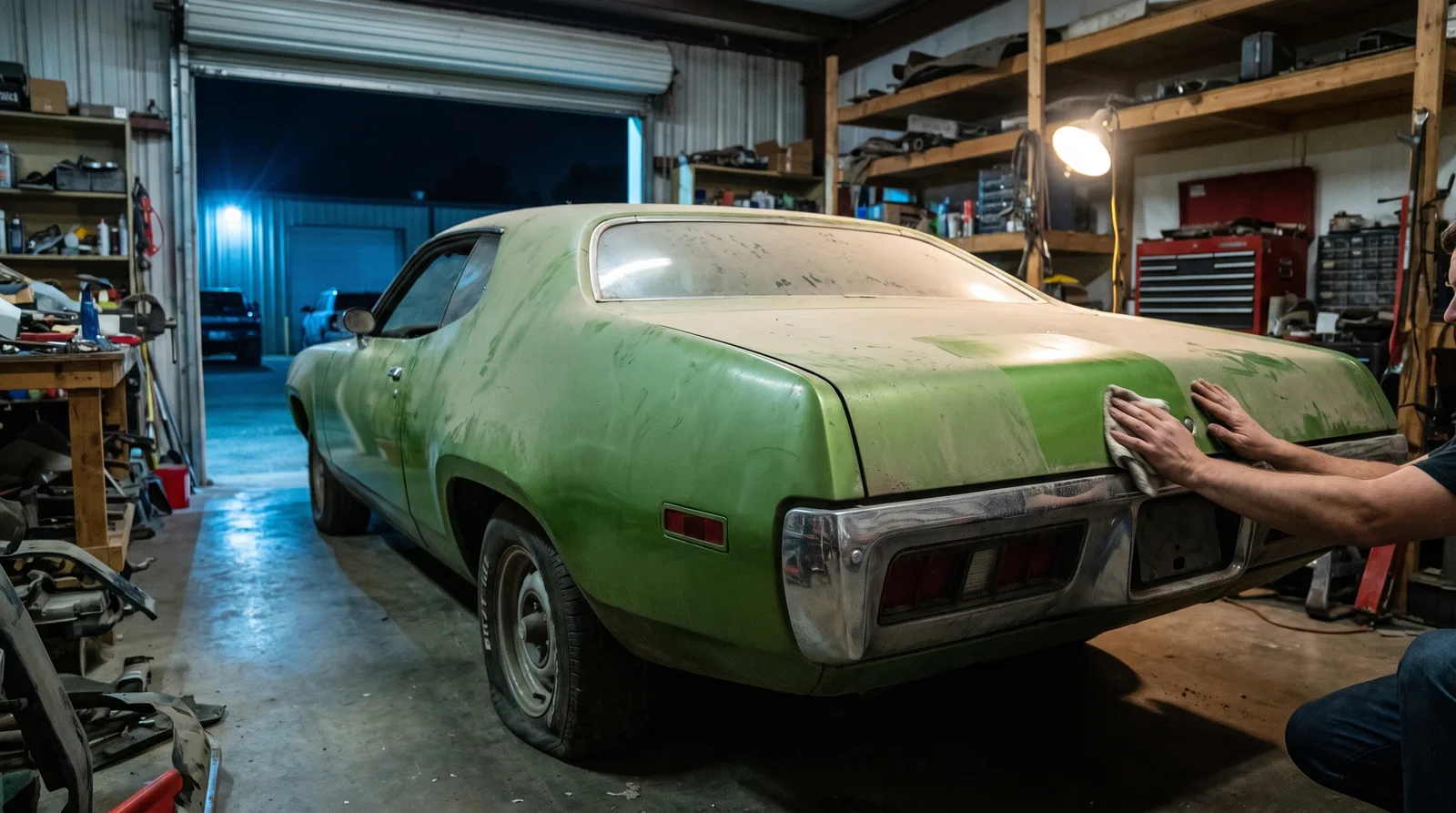
The logic is preservation-class logic, and it is not sentiment. A car can always be restored later. It can never be made original again. That asymmetry means a well-preserved, unrestored survivor represents something a restored car cannot: proof of what the car actually was, in its original paint, its original interior, its original details. For a significant luxury classic, that evidence is worth money, because collectors at the top of the market are buying history, not just a good-looking car.
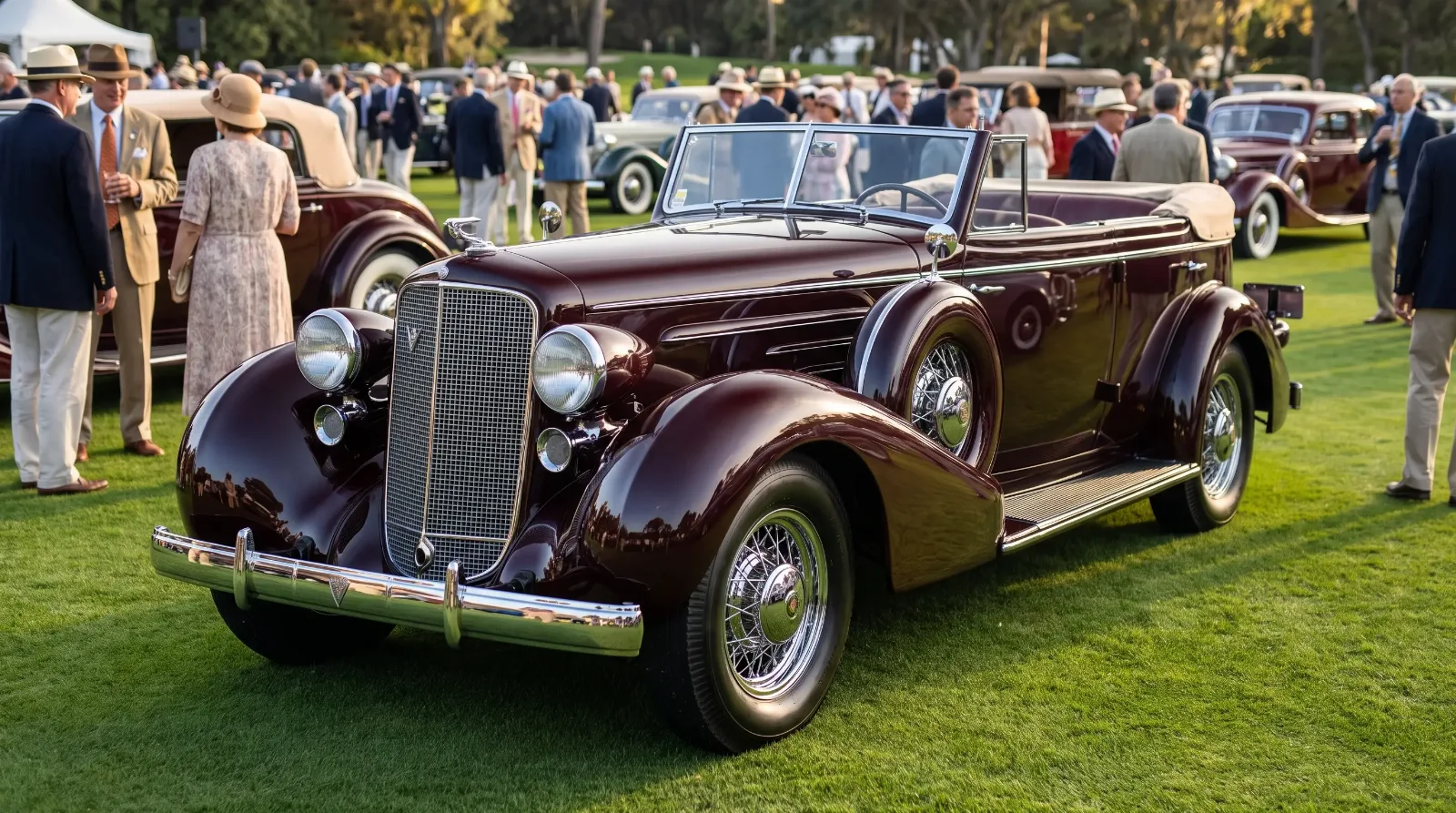
The concours world formalized this with preservation classes, where original, unrestored cars are judged against each other on the merit of what survives rather than the quality of a rebuild. A car that has never been apart, still wearing its factory finish, tells a story a restored car has erased. This is why you will see an honest original example sell past a beautifully restored sibling at the same event. The restoration was excellent. It just replaced the one thing that could not be replaced.
What restoration does to the long-term math
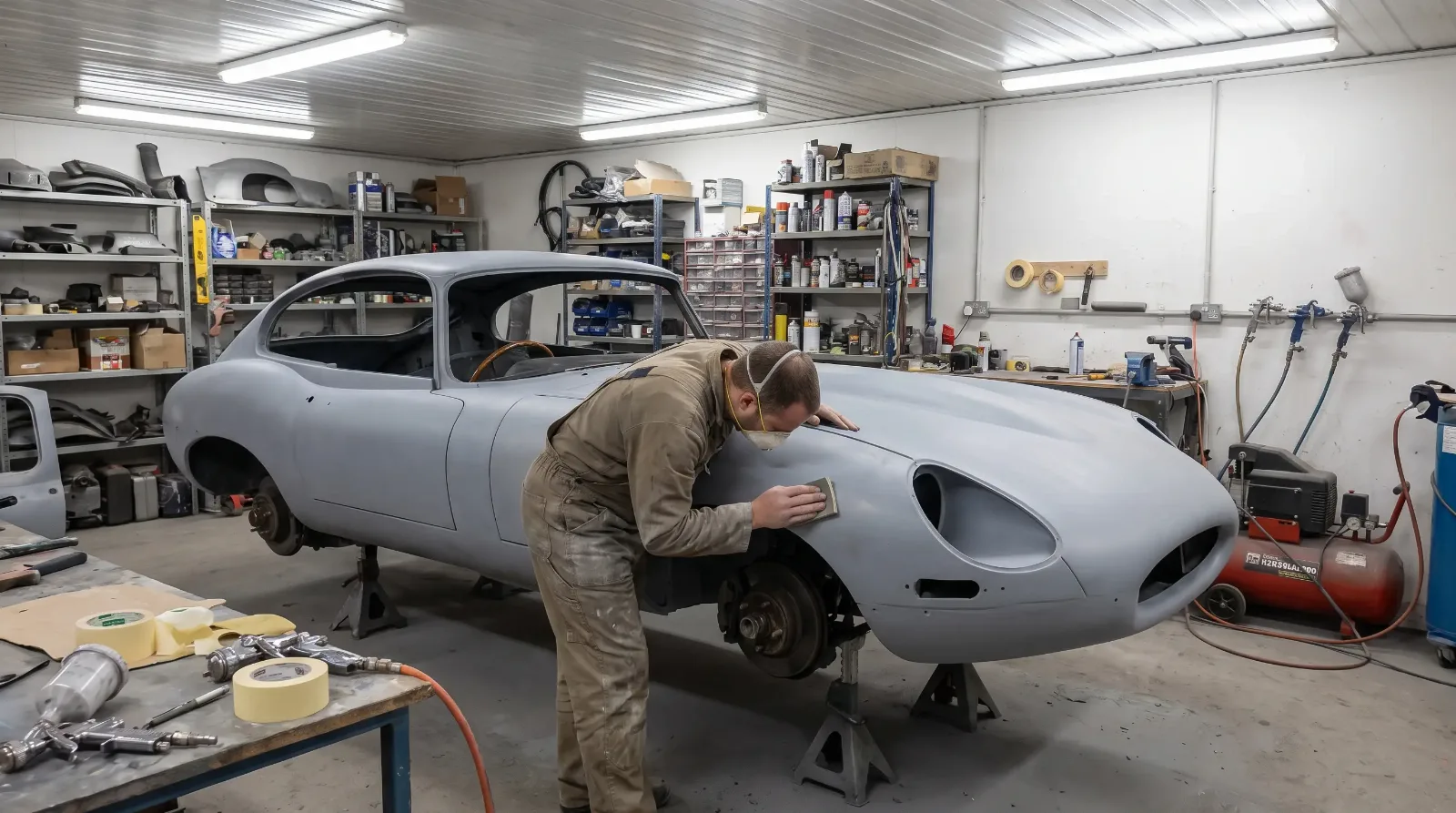
Restoration rarely returns its cost, and on many cars it returns well under half. That is the number owners avoid. You can put $200,000 into a car and add $80,000 to its value, and both figures can be true at once. The gap is not a sign the work was bad. It is the ordinary economics of restoration, where the finished value is set by the market for that model, not by what you spent bringing it back.
This is why the finished-value ceiling matters more than the quality of the shop. On a blue-chip car with a high ceiling, a top restoration can make financial sense because there is headroom above the cost. On a mid-tier car, the same work is money spent for enjoyment, not return, and there is nothing wrong with that as long as you know it going in. The mistake is expecting a restoration to behave like an investment when the model's ceiling will not support it.
| Factor | Original survivor | Fresh restoration |
|---|---|---|
| Scarcity | Finite, cannot be remade | Repeatable, any car can be restored |
| Top-tier value | Can command a premium | Often below a strong original |
| Cost recovery | No restoration spend to recover | Frequently under half the outlay |
| Ongoing care | Conserve and protect as-is | Maintain the finish, avoid re-wear |
The costs that continue after the work is done
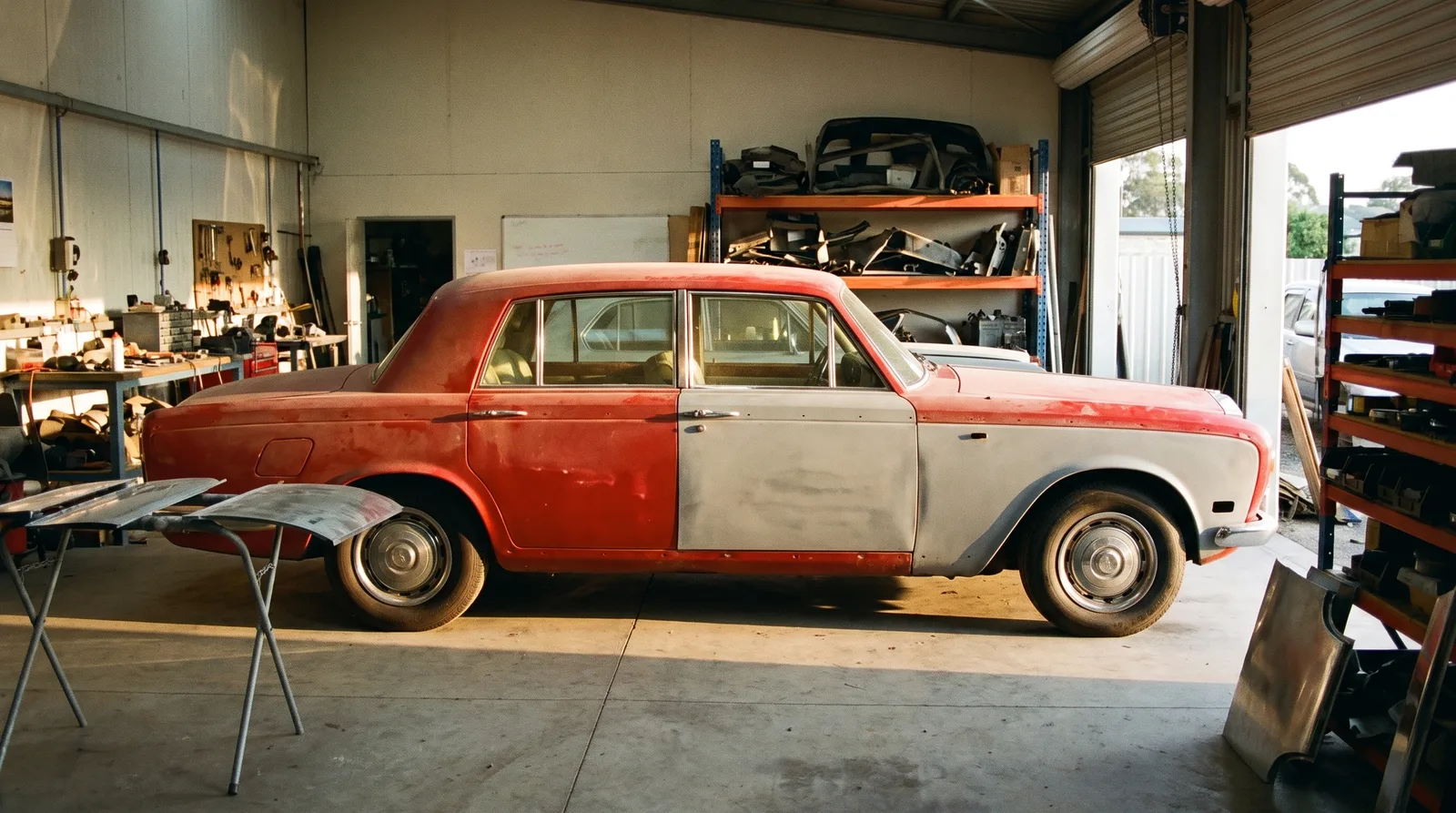
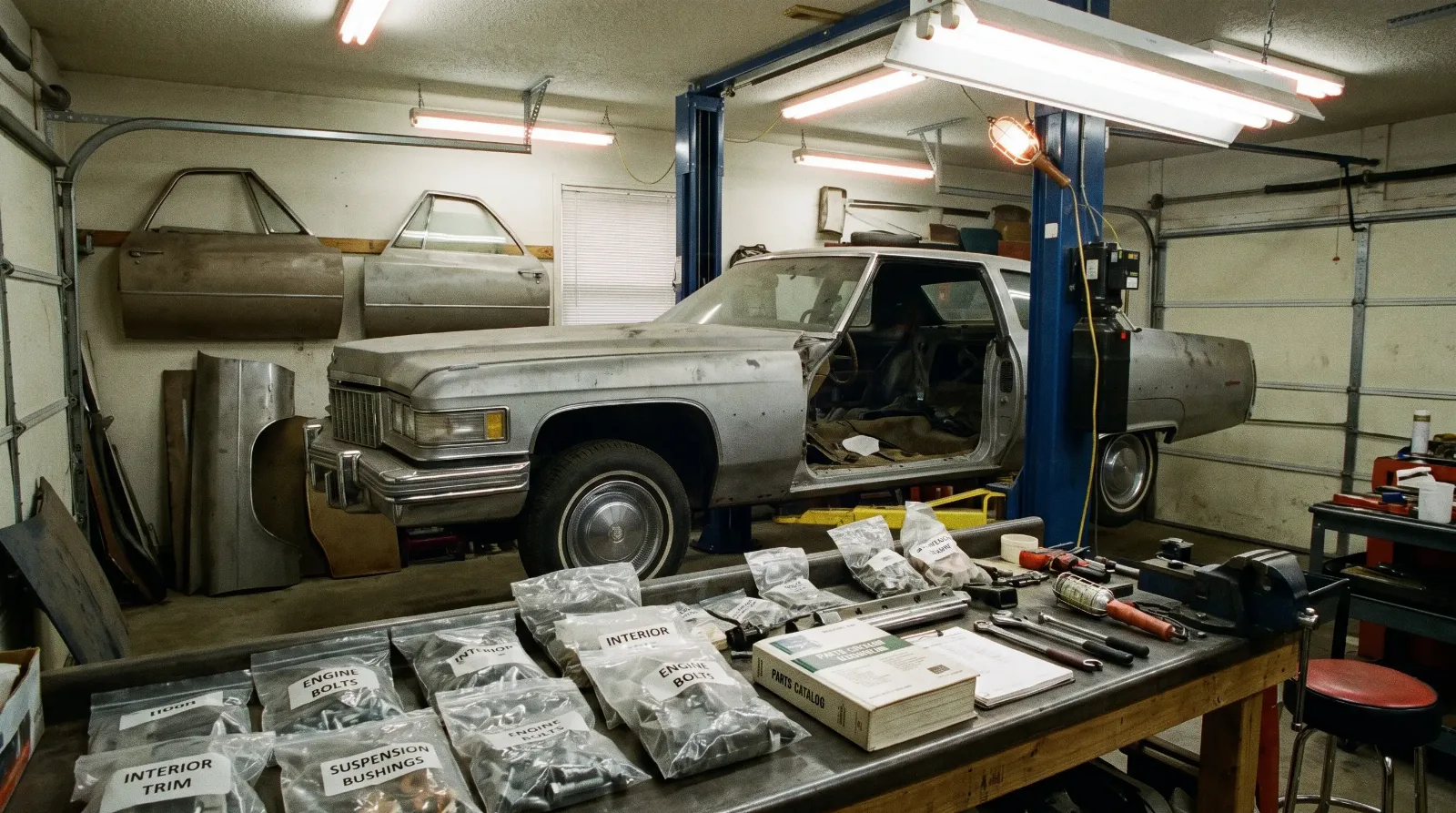
The invoice for a restoration is not the end of the spending. It is the start of a new phase. A freshly restored luxury classic has to be kept that way, and the carrying costs are real. Climate-controlled storage protects paint, leather, and wood from the swings that undo expensive work. Agreed-value insurance on a restored car costs more because the insured figure is higher. Maintenance on a car with complex hydraulic, electrical, and mechanical systems does not pause because the car is now pretty.
There is also the re-wear problem. The moment you use a restored car, it begins to age again, and every mile and every show puts small wear back into a finish you paid to perfect. Owners who intend to drive their cars often make peace with a driver-quality restoration for exactly this reason, because a perfect finish they are afraid to use is a poor return on the money. The car that gets enjoyed and the car that stays flawless are usually not the same car.
How to think about it before you spend
The decision resolves once you separate the two motives. If you are spending for return, the originality question is central: a strong original car may be the better hold, and a restoration only makes financial sense where the model's ceiling supports the cost. If you are spending for enjoyment, restore to the level you will actually use and stop pretending the money comes back. Both are legitimate. Confusing one for the other is what leaves owners disappointed at sale time.
Above all, protect originality until you are certain you want to trade it away, because that trade is permanent. A worn original interior is a decision you can still reverse. A replaced one is not. Weigh the preservation value against the cost of the work with clear eyes, and the whole restoration question gets simpler. To put concrete numbers behind every one of these decisions, continue with next: The Real Cost of Restoring a Classic Luxury Car.
"An original car has one thing a restored car never will, which is the fact that it was never taken apart. In the top tier that is worth paying for, and I have watched honest survivors beat gleaming restorations at the same sale. Restore for the joy of using the car if you want. Just do not tell yourself the check comes back, because on most cars it does not."
David Mercer
Related Reading
Have a
Classic Car
for Sale?
Reach thousands of serious classic car collectors across the US.
Sell It Here →
Are You a Classic Car Dealer?
List your full inventory and connect with targeted classic car buyers.
Join as a Dealer →
#cost of ownership
#originality
#collector value
#preservation class
#classic luxury cars
#restoration value

About the author
David Mercer
Classic car market analyst with two decades of experience tracking collector car valuations, auction results, and investment trends.
Comments
Be the first to comment on this article.