
The purchase price of a classic luxury car is almost never the number that matters. What matters is the second number, the one the seller does not put in the ad: what it costs to bring the car up to the condition you actually want. On a luxury classic that gap is wide. A driver-grade Rolls-Royce Silver Shadow can change hands for the price of a used pickup, and then swallow three times that in a proper restoration. The cost to restore a classic luxury car is the single figure most buyers underestimate, and it is where the segment separates the prepared from the optimistic.
Market & Values
7 min read
The Real Cost of Restoring a Classic Luxury Car
What restoring a classic luxury car really costs, job by job, from paint and chrome to leather, and why the finished car rarely equals the receipts.
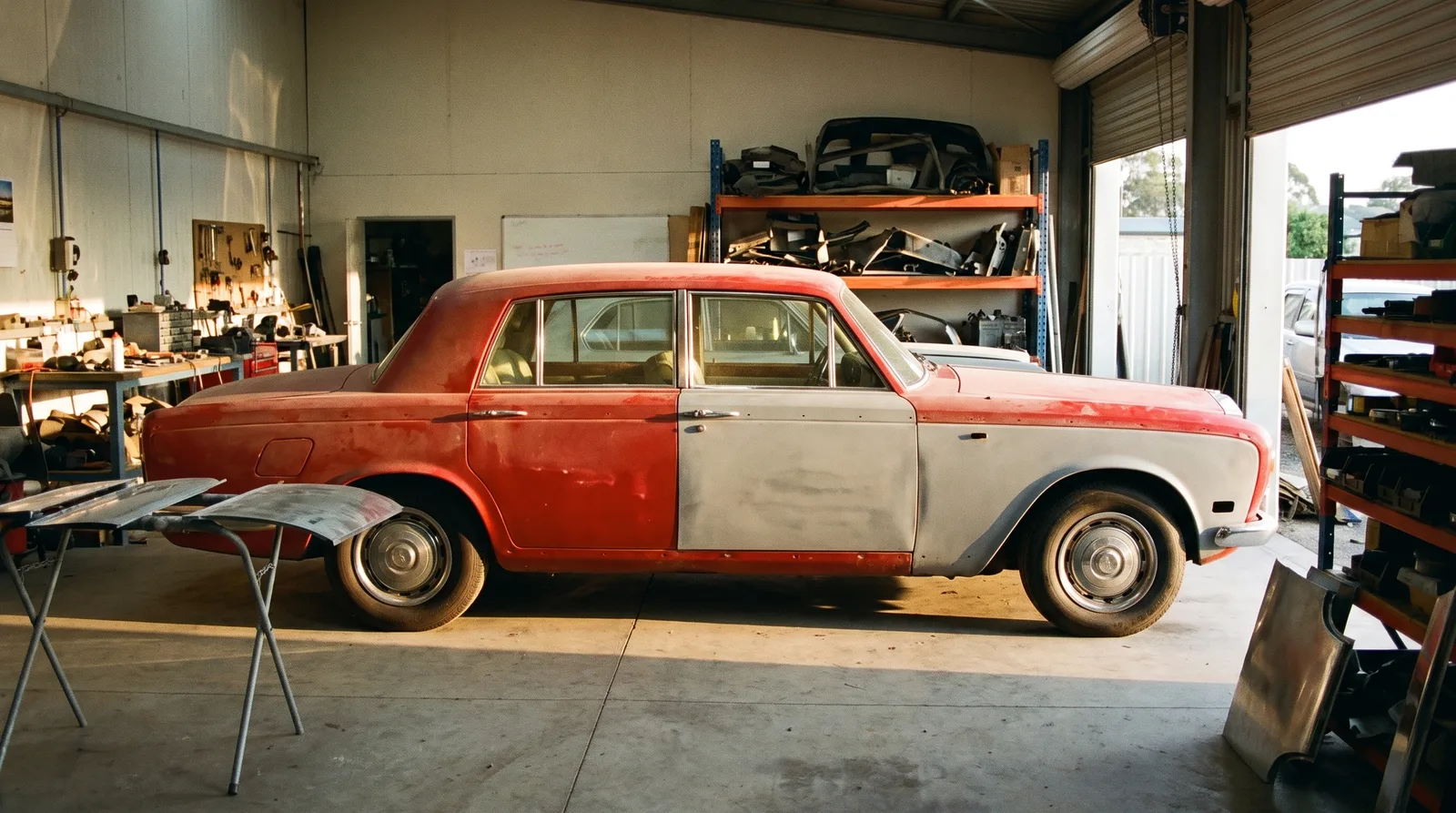
I have tracked enough of these projects to say it plainly. The luxury car costs more to restore than a comparable muscle car or sports car, and the reason is the content. These cars carry hand-fitted wood, full hides, complex power accessories, hydraulics, and acres of brightwork. Every one of those is a specialist line item. Before you commit to a project car, it helps to see the real numbers by job, because that is how the total actually accumulates.
Where the money actually goes
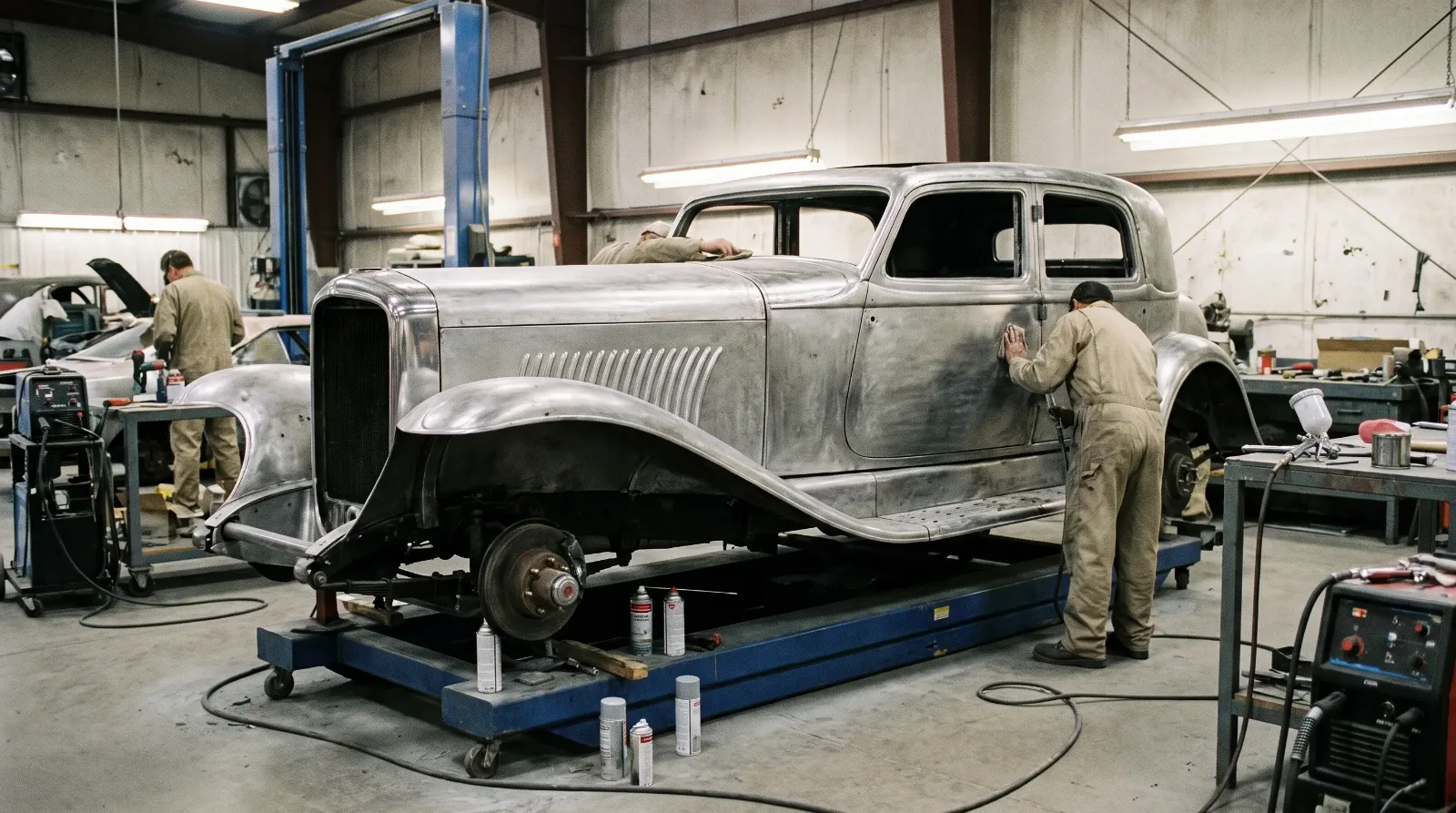
A restoration budget is not one number. It is a stack of separate jobs, each priced by a different trade, and the luxury content is what inflates the stack. Paint and bodywork sit at the top for most cars. A quality bare-metal respray on a large luxury body runs roughly $15,000 to $40,000 depending on how straight the panels start and how many coats of colour and clear the finish demands. Chrome and brightwork are the quiet killer: a full set of bumpers, window surrounds, and trim replated to show standard can reach $8,000 to $15,000 on a heavily decorated car, because these cars wore so much metal.
The interior is where luxury restoration diverges hardest from ordinary classics. Retrimming in correct leather, with the wood refinished and the carpets and headliner replaced, commonly lands between $12,000 and $30,000. A mechanical rebuild of the engine and transmission adds roughly $10,000 to $25,000. These are approximate figures and they move with the marque, the shop, and your region, but the shape holds across the segment: no single job is cheap, and there are a lot of jobs.
| Job | Approx. cost range | What moves it |
|---|---|---|
| Full respray (large luxury body) | $15,000–$40,000 | Panel condition, colour, prep hours |
| Chrome & brightwork replating | $8,000–$15,000 | Amount of trim, pitting, pot-metal repair |
| Interior (leather, wood, carpet) | $12,000–$30,000 | Hide quality, veneer work, seat count |
| Engine & transmission rebuild | $10,000–$25,000 | Marque, parts scarcity, machine work |
| Hydraulics, brakes, suspension | $5,000–$20,000 | Self-levelling systems, seized components |
Add those together and a driver-to-show restoration on a full luxury car reaches $50,000 to $120,000 in professional labour and parts, and a no-expense-spared concours job on a coachbuilt car goes well past that. That framework sits at the centre of restoring and collecting a classic luxury car, and it is worth internalising before you fall for a specific project.
🔧 Inspection Priorities
- Hidden rust in structure. Surface rust is cheap. Rot in floors, sills, and box sections turns a paint job into a fabrication job and can add $10,000 or more. Probe before you buy.
- Completeness of trim. Missing brightwork and interior pieces on a scarce marque are open-ended costs. Photograph every gap and price it before, not after.
- Wood and veneer condition. Delaminated or sun-cooked veneers mean specialist re-veneering, not a wipe-down. Budget accordingly.
- Complex accessories. Hydraulic self-levelling, power everything, and period climate systems are expensive to make right. Confirm what works and what is dead.
Labour is the number that hides
Look at any restoration invoice and the parts are the small half. Labour is the large one. A quality restoration shop bills somewhere in the range of $75 to $150 an hour depending on region and specialisation, and a full luxury restoration runs from many hundreds to well over a thousand shop hours once you count strip-down, bodywork, paint prep, trim fitting, and assembly. Multiply it out and the hours, not the parts, are what put a driver-to-show job past $50,000.
This is why the same car costs wildly different amounts at different shops, and why the cheapest quote is often the most expensive outcome. A shop that under-quotes the hours either cuts corners or comes back for more money once the panels are off. Ask for an estimate broken down by job and by hours, not a single headline figure, because the hours are where an honest shop and an optimistic one separate.
Why the finished car rarely equals the receipts
Here is the part that stings. You can spend $90,000 restoring a luxury saloon and sell it for $60,000, because the market pays for the car and its condition, not for your invoices. This is the classic restoration gap, and it is sharper in the luxury segment than almost anywhere else because the content is expensive to restore but the demand is narrower than for blue-chip muscle or sports cars. The lesson is not to avoid restoration. It is to buy the best example you can find first, so someone else has already absorbed the gap.
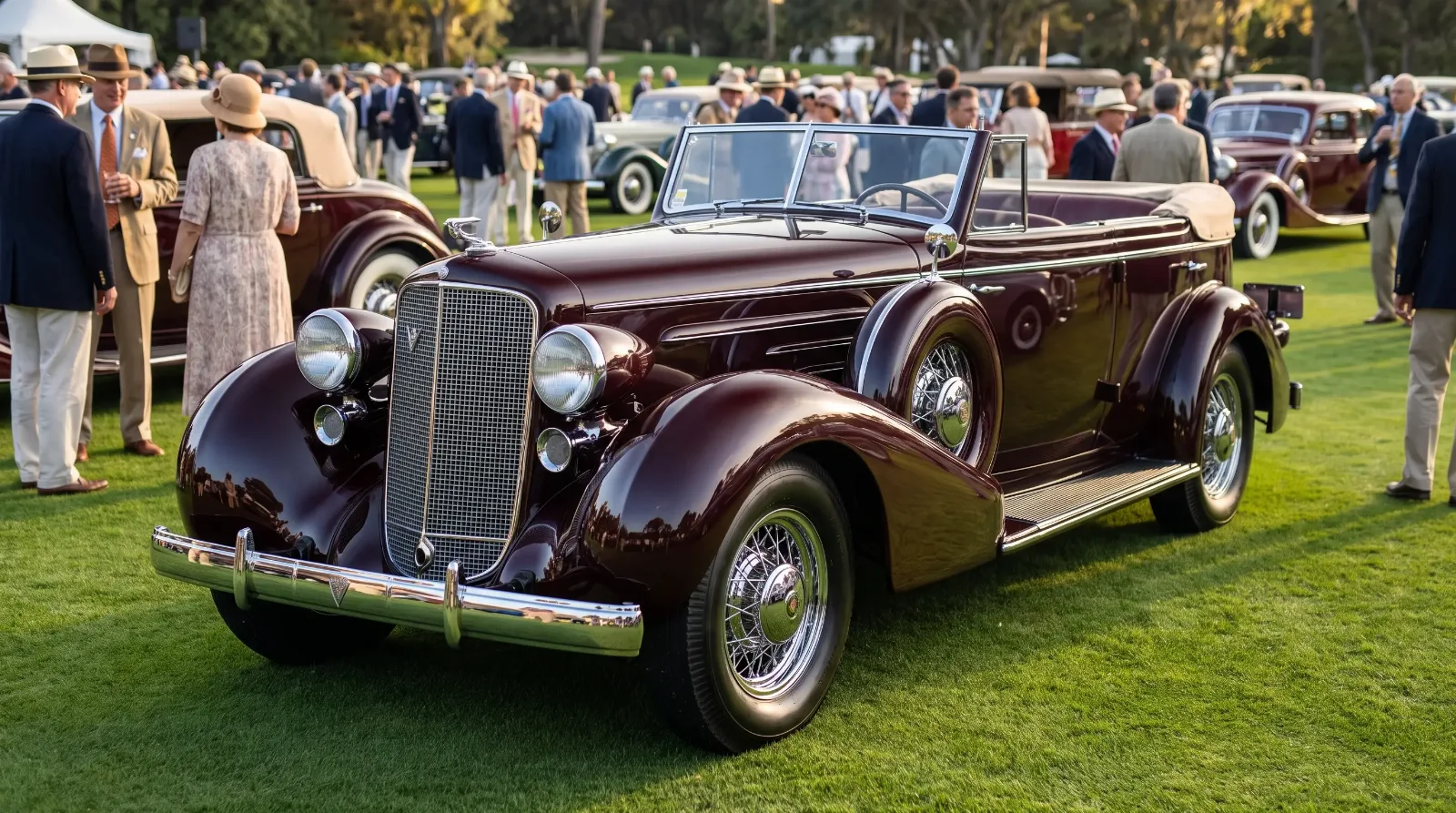
The exception is the top of the market. On a genuinely rare car, a Duesenberg, a coachbuilt Rolls-Royce, a documented flagship with the right history, a correct concours restoration can pay for itself and then some, because the pool of finished, judged examples is tiny and buyers compete for them. But that logic only holds at the rarefied end. For the mid-tier luxury saloon that most first-time buyers actually consider, the gap is real and the safer money is on a car someone else already restored. Know which end of the market your car sits in before you sign off on a full rebuild.
"The receipts do not set the price. The market does. I have watched owners spend six figures and recover half, and I have watched buyers get a finished car for less than its restoration cost. Buy the finished car. Let the last owner pay the gap."
David Mercer
How to budget before you commit
Build the budget from the jobs, not from a single guess. Walk the car, list every trade it will need, price each from the ranges above, then add a contingency of at least 25 percent, because luxury restorations reliably find hidden work once panels come off. Decide your target condition up front, since a driver-quality result and a concours result differ by tens of thousands of dollars on the same car. If the honest total exceeds what a finished example costs, buy the finished example. The economics of the segment reward patience over ambition, a theme that runs through the story of the classic luxury car from the coachbuilt era to today.
None of this is a reason to walk away from the hobby. It is a reason to enter it with the real numbers in hand. Once you know what a restoration truly costs, the market makes more sense, and browsing current classic luxury cars for sale becomes an exercise in spotting the cars where the hard work is already done and priced fairly. The next variable that decides a restoration's true cost is the parts supply behind the badge, covered next: next: Sourcing Rare Parts for Orphaned Luxury Marques.
Related Reading
Have a
Classic Car
for Sale?
Reach thousands of serious classic car collectors across the US.
Sell It Here →
Are You a Classic Car Dealer?
List your full inventory and connect with targeted classic car buyers.
Join as a Dealer →

About the author
David Mercer
Classic car market analyst with two decades of experience tracking collector car valuations, auction results, and investment trends.
Comments
Be the first to comment on this article.