
Ask why a 1971 Plymouth Hemi Cuda sells for figures that make a comparable 440 car look like a bargain, and the honest answer is not just horsepower. It is scarcity, documentation, and a name that carries more weight at auction than any other engine of the era. The 426 Hemi is the single most valuable drivetrain option in American muscle, and the premium it commands over the next engine down is the widest in the market. That premium is real, it is measurable, and it rests on a specific set of conditions that do not apply to any other engine family.
Market & Values
6 min read
The Hemi Premium: Why Mopar Muscle Leads
Documented 426 Hemi cars sit at the top of the muscle market. Here is why scarcity and paperwork make Mopar the benchmark everything else is priced against.
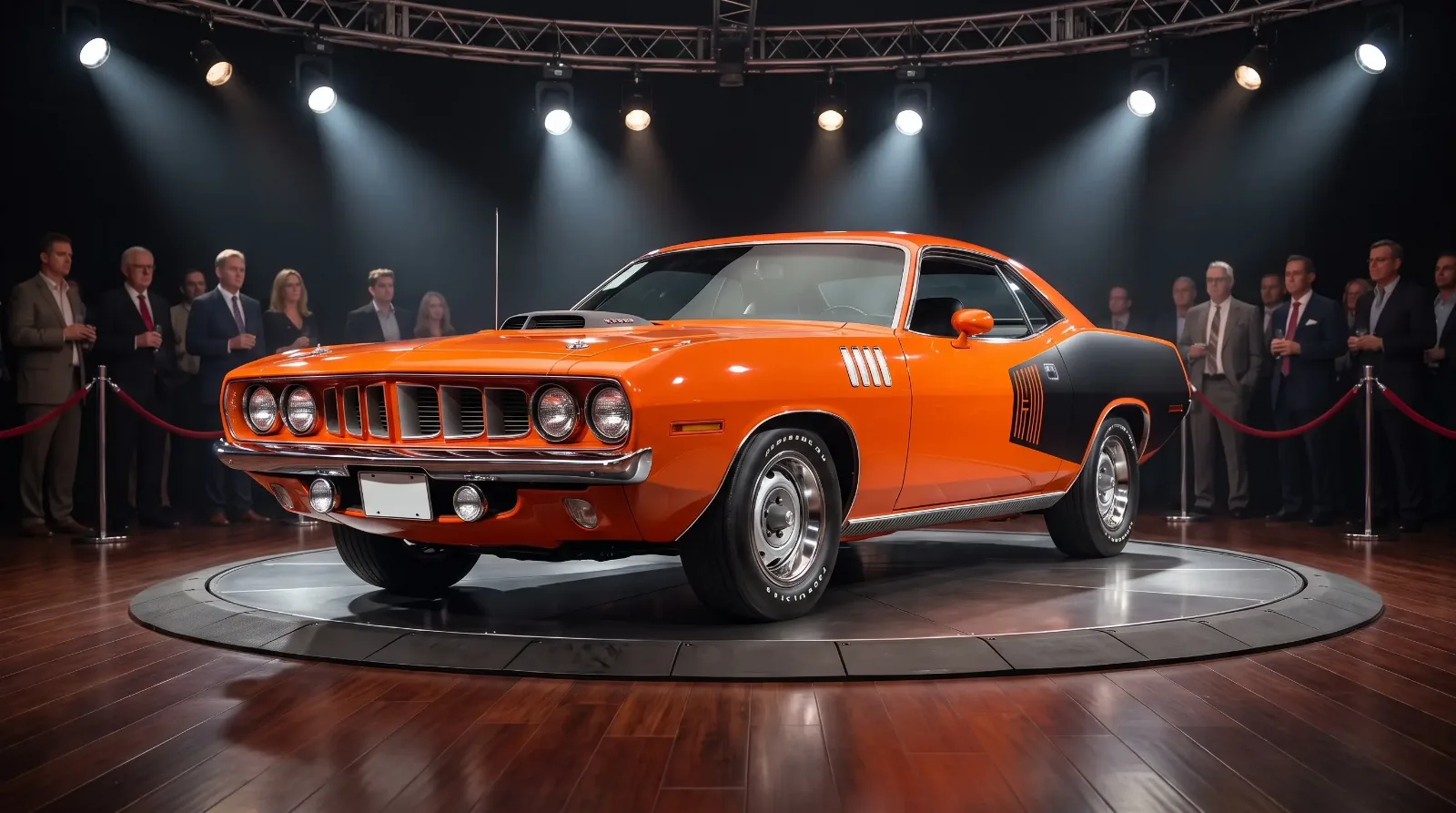
The Hemi premium is best understood the way an appraiser understands it, as a function of how few were built, how well a given car can be proven, and how much money is willing to chase the top of a thin market. Strip away any one of those and the premium shrinks fast. For the broader framework these cars sit inside, our guide to muscle car values lays out the collectibility drivers, and the Hemi is where every one of them peaks at once.
What the 426 Hemi actually was
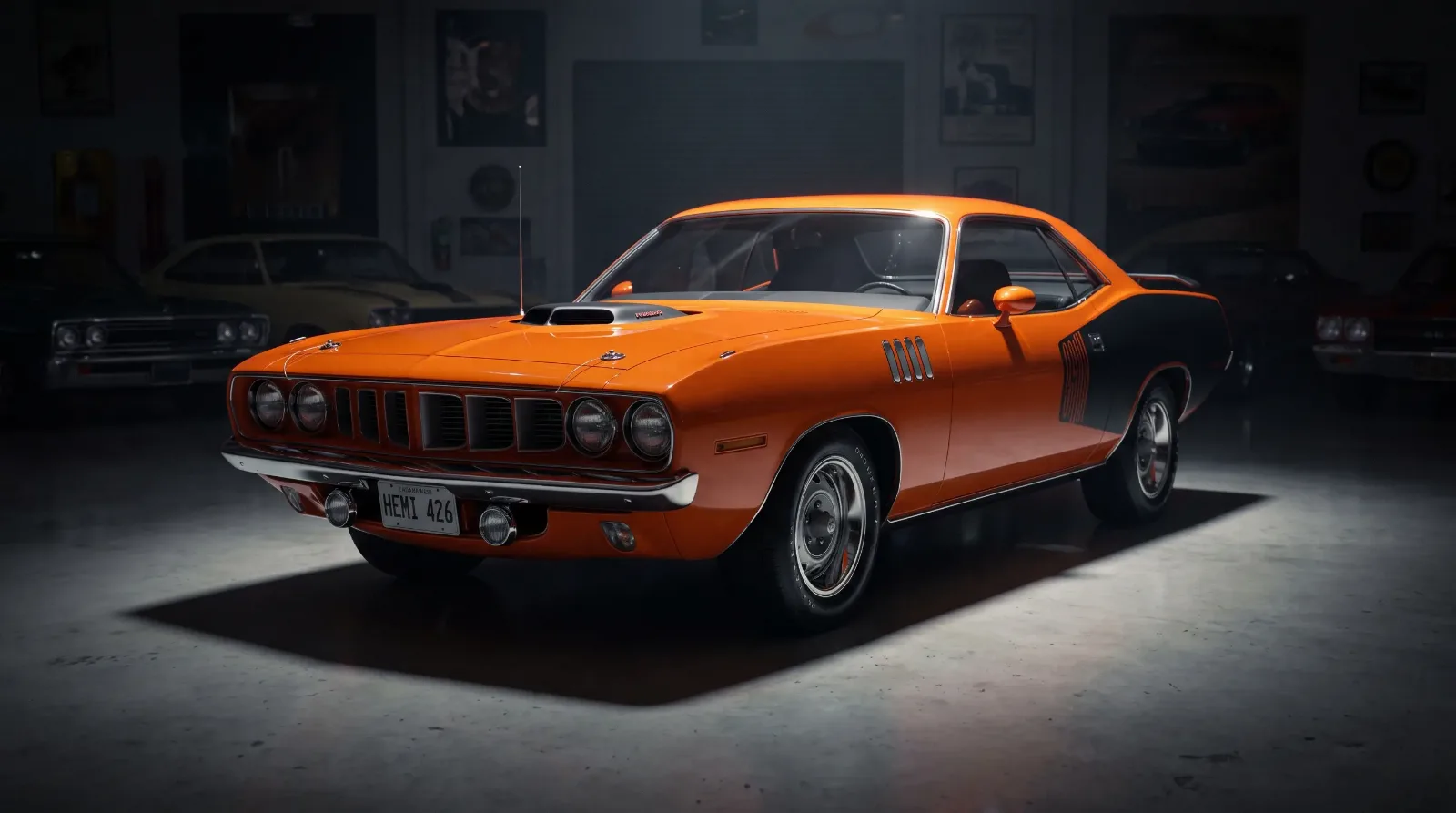
The 426 Hemi earned its reputation on the track before it ever reached a street car. Chrysler built it to win stock car and drag racing, and the hemispherical combustion chambers that gave the engine its name flowed air in a way the wedge-head big blocks could not match. It arrived in racing form in the mid-1960s and reached the street around 1966, rated at 425 horsepower. Most people in the industry consider that figure conservative, a number set as much for insurance and sanctioning bodies as for accuracy.
On the street the Hemi was a difficult, expensive proposition. The option added a large sum to the price of a car, often close to a thousand dollars on top of an already costly performance model, and that was before the insurance surcharge that came with it. The engine wanted maintenance, ran rich, and idled rough. Few buyers checked the box. That low take rate, driven by cost and complication when the cars were new, is the root of the scarcity that drives value now.
Why scarcity sits at the center
The Hemi premium is a production-number story before it is anything else. Because so few buyers ordered the engine, the surviving population of genuine Hemi cars is small in absolute terms, and it is smaller still once you separate the coupes from the convertibles and the automatics from the four-speeds. The rarest configurations were built in the low double digits.
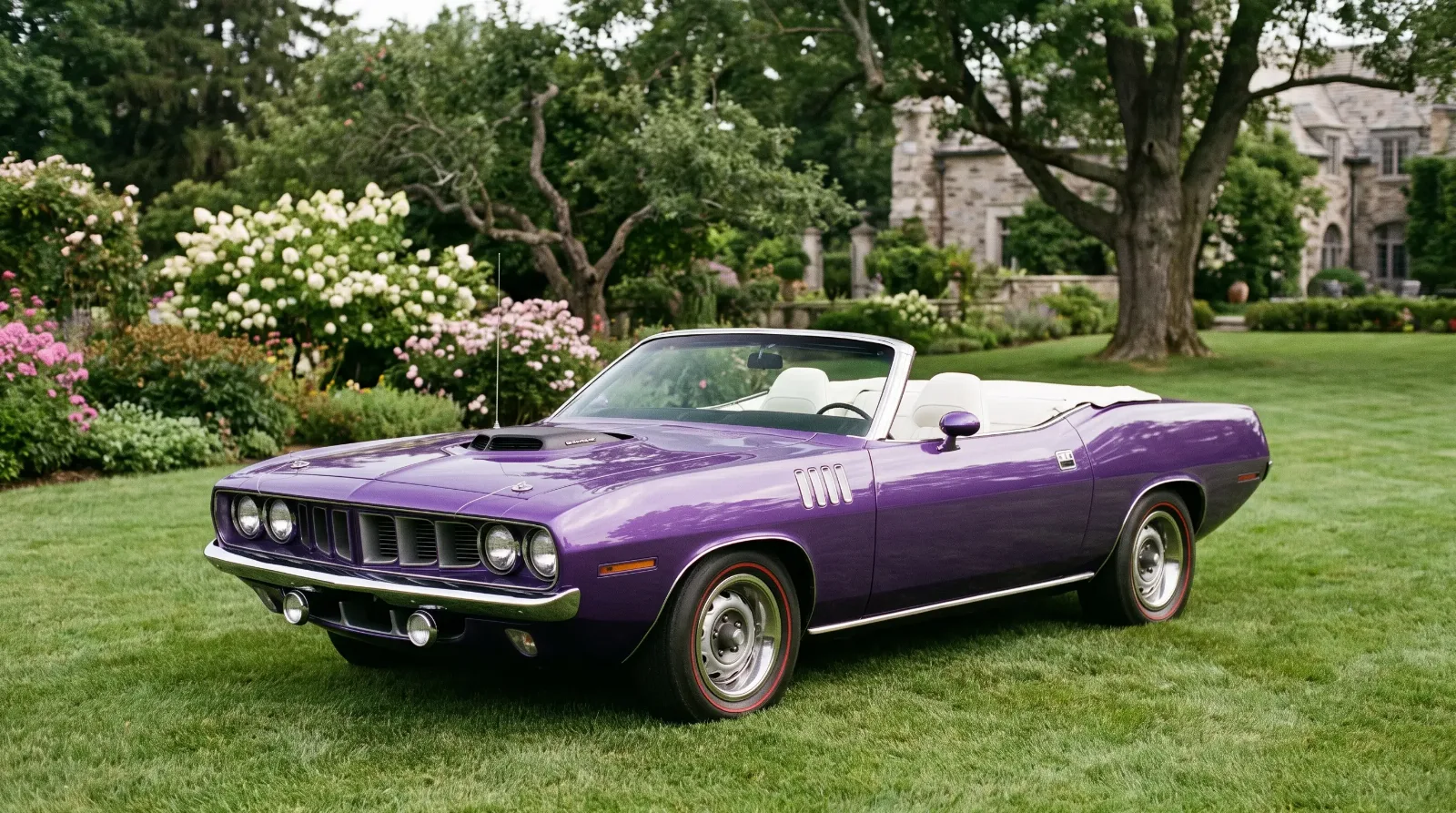
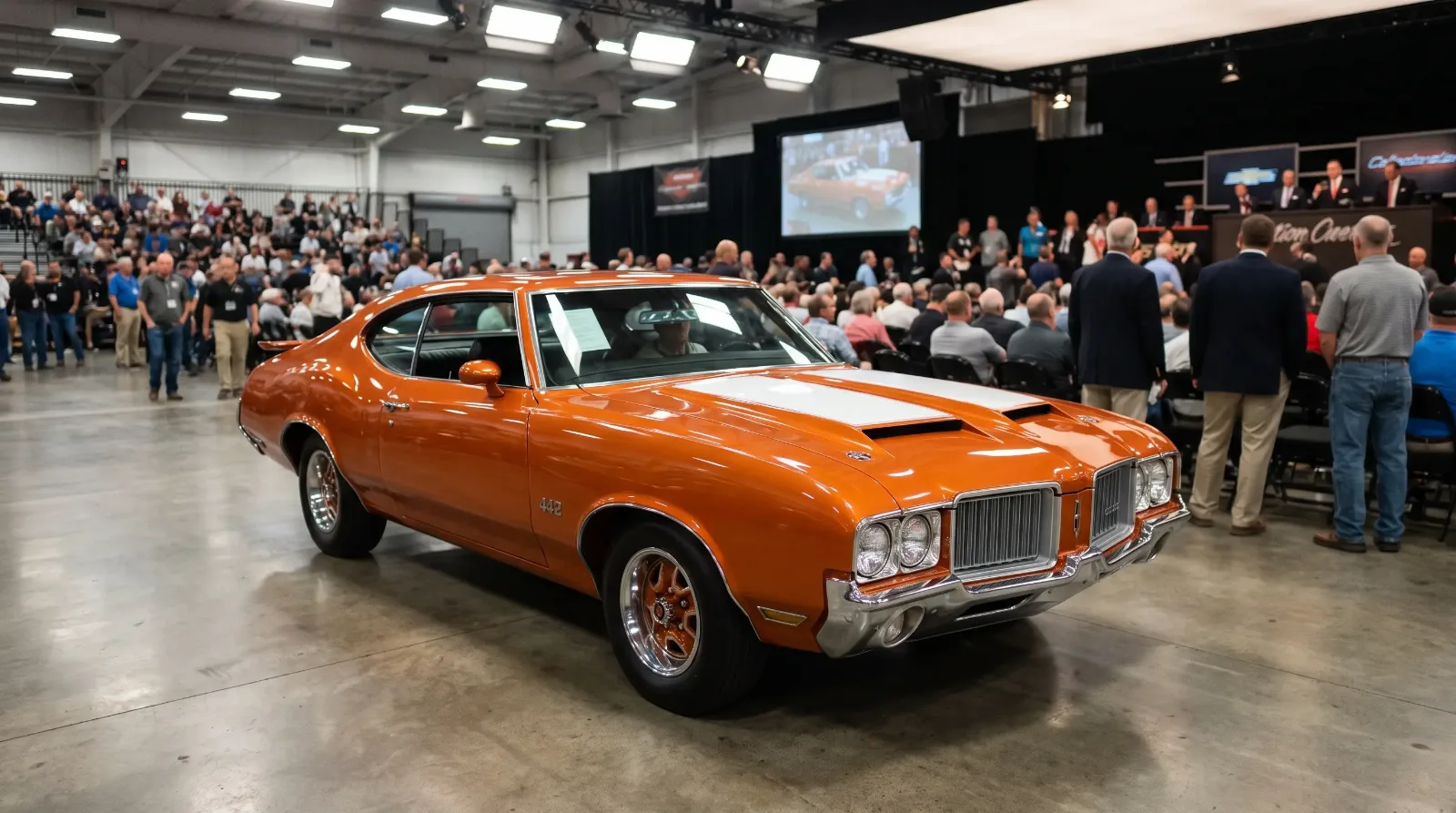
The 1971 Hemi Cuda convertible is the headline example. Roughly a dozen were built for the domestic market that year, and that number, set by weak demand in 1971, now sits underneath some of the highest prices ever paid for an American muscle car. A documented example has changed hands in the multi-million-dollar range, and the figure holds up precisely because there is almost nothing to compare it against. When the supply is that thin, a single determined buyer sets the price for the whole configuration. The rarity that started as a sales failure became the entire investment case.
| Value factor | Hemi car | Comparable 440 car |
|---|---|---|
| Engine rarity | Very low take rate, few survivors | Higher production, more available |
| Documentation demand | Broadcast sheet, fender tag critical | Important but less decisive |
| Clone exposure | High, heavily targeted | Lower, less incentive |
| Top-market ceiling | Multi-million for rarest body styles | Strong but a fraction of Hemi |
Documentation is the whole game
Nowhere in the muscle market does paperwork matter more than on a Hemi car, and the reason is simple. The premium is so large that the incentive to fake one is enormous. A 440 Cuda dressed up as a Hemi car represents a swing of hundreds of thousands of dollars, sometimes more, so the market has learned to trust nothing without proof.
That proof means the broadcast sheet, the fender tag, the original documentation, and a clean ownership chain that ties the car to its factory build. Registries and marque experts exist specifically to authenticate these cars, and a genuine Hemi car without its paperwork sells at a steep discount to one that can prove itself. The gap between a documented Hemi car and an undocumented one is often larger than the entire value of a lesser muscle car.
"The Hemi name is not what you are buying. You are buying the documentation that proves the name belongs to that car. Take away the broadcast sheet and the fender tag and a seven-figure car becomes a very expensive argument, and the appraisal has to price the argument, not the badge."
Marcus Feld
Why Mopar leads and the others follow
General Motors and Ford built extraordinary engines, and the best of them, the LS6 454, the Boss 429, the various high-output big blocks, command serious money. But none of them concentrate the value factors the way the Hemi does. The Hemi combines a genuine racing pedigree, an underrated power figure, a low original take rate, and a set of body styles that were built in numbers you can count on your fingers. No other engine family stacks all four.
The result is a market where Mopar sets the ceiling and everyone else is measured against it. When a Hemi car posts a record, it lifts the perception of the entire Mopar performance line, and the halo reaches down to the 440 Six Pack cars and the lesser configurations that trade in its shadow. The whole story of why these cars were built the way they were runs through the era itself, and the muscle car history in full explains how Chrysler's racing ambitions produced a street engine almost nobody could afford to own.
What the premium means for a buyer
If you are looking at a Hemi car, the premium is not the risk. The documentation is. A genuine, well-documented Hemi car is one of the most liquid assets in the entire hobby, because the buyer pool at the top is deep and the supply is fixed forever. The danger is paying a Hemi price for a car whose paperwork cannot carry it. In this corner of the market, the difference between a great buy and a costly mistake is a broadcast sheet.
The Hemi premium also does not travel evenly across the country, since demand, climate, and local buyer bases all shape what a car brings. To see how the same car can carry a different number depending on where it sells, read the full story on the regional splits that shape the muscle market. Wherever it sells, though, a documented Hemi car remains the benchmark the rest of the era is priced against.
Related Reading
Have a
Classic Car
for Sale?
Reach thousands of serious classic car collectors across the US.
Sell It Here →
Are You a Classic Car Dealer?
List your full inventory and connect with targeted classic car buyers.
Join as a Dealer →

About the author
Marcus Feld
Accredited collector-car appraiser who reads the market through hammer prices, condition tiers and risk.

Comments (1)
K
Kurt Ecklund
2 months ago
Watching the pre-war segment pick up quietly while everyone focuses on muscle cars. Smart money seems to be looking at different things than the auction headlines.