
Restoring a one-off coachbuilt car and restoring a production luxury car are not two sizes of the same job. They are different disciplines. A production car has a factory standard to return to, a parts supply somewhere in the world, and a community of specialists who have seen the model before. A coachbuilt one-off has none of that. It has a single body, made once, by hands that are usually long gone, and the restorer's task is closer to conservation than repair.
Market & Values
6 min read
Restoring a Coachbuilt One-Off vs a Production Luxury Car
Restoring a one-off coachbuilt car vs a production luxury classic, the parts problem, hand-fabrication, cost, and why originality carries more weight.
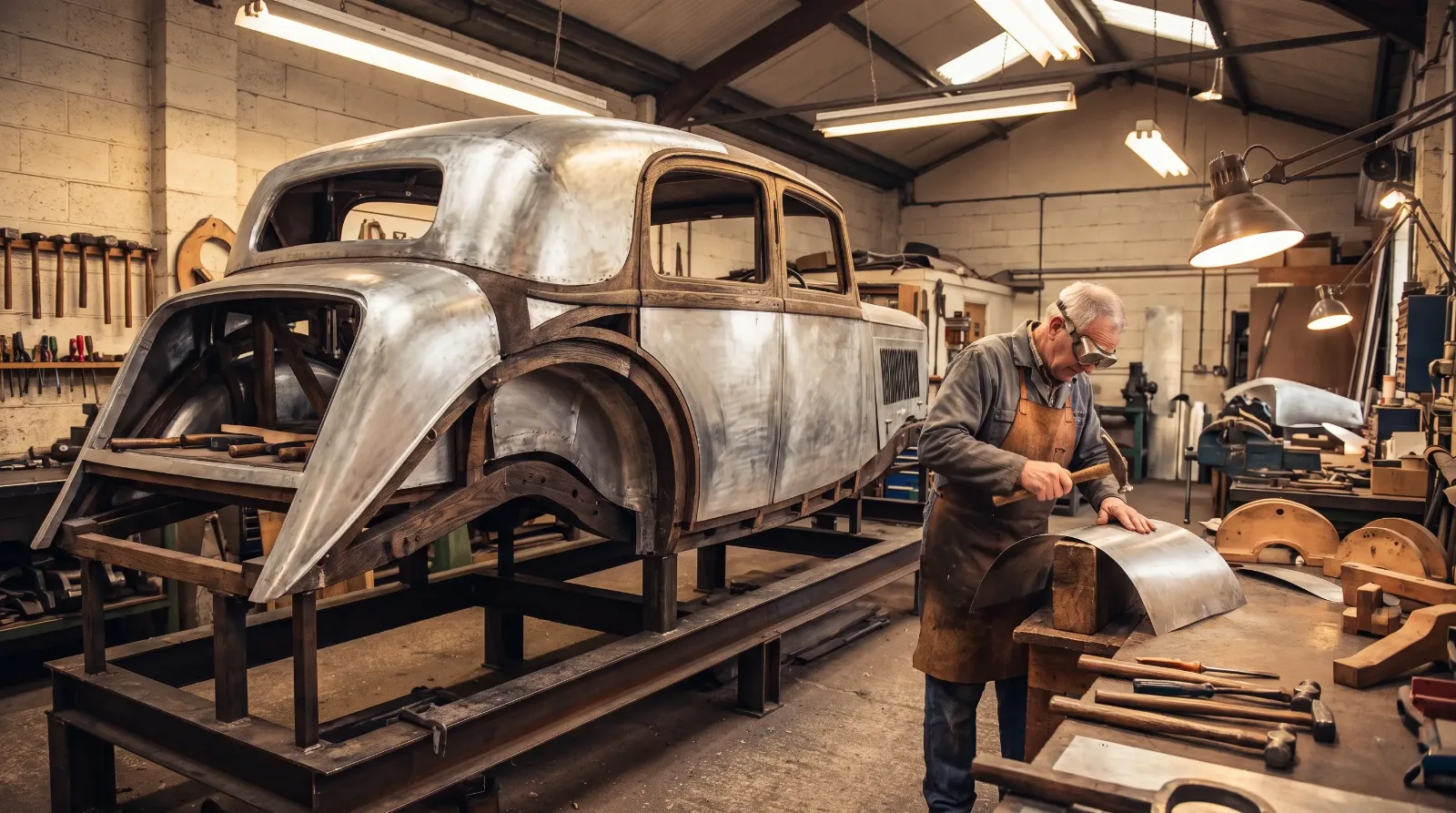
The distinction matters most on the body, because that is where a coachbuilt car earns its name. Where a production Cadillac or Packard rolled out of a stamping plant in the thousands, a one-off carries coachwork built over a wooden or steel frame by a firm like Murphy, Brunn, Rollston, or a European house, often to a client's specification. That work cannot be ordered from a catalog. When a panel is wrong, it is fabricated, and the person fabricating it is deciding what the original maker intended. If you have read the collector's guide, this is where the deepest cars live.
The parts problem
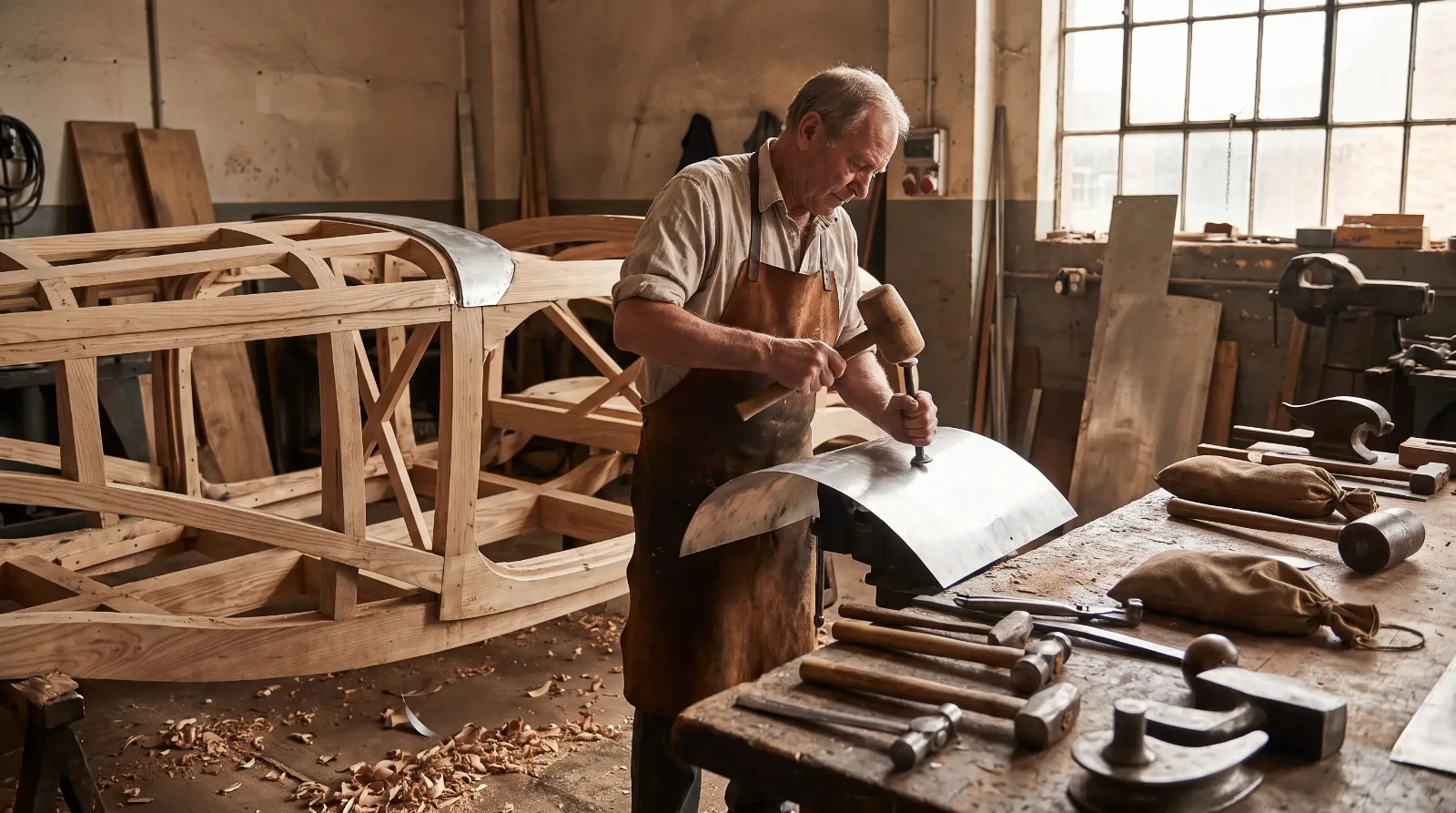
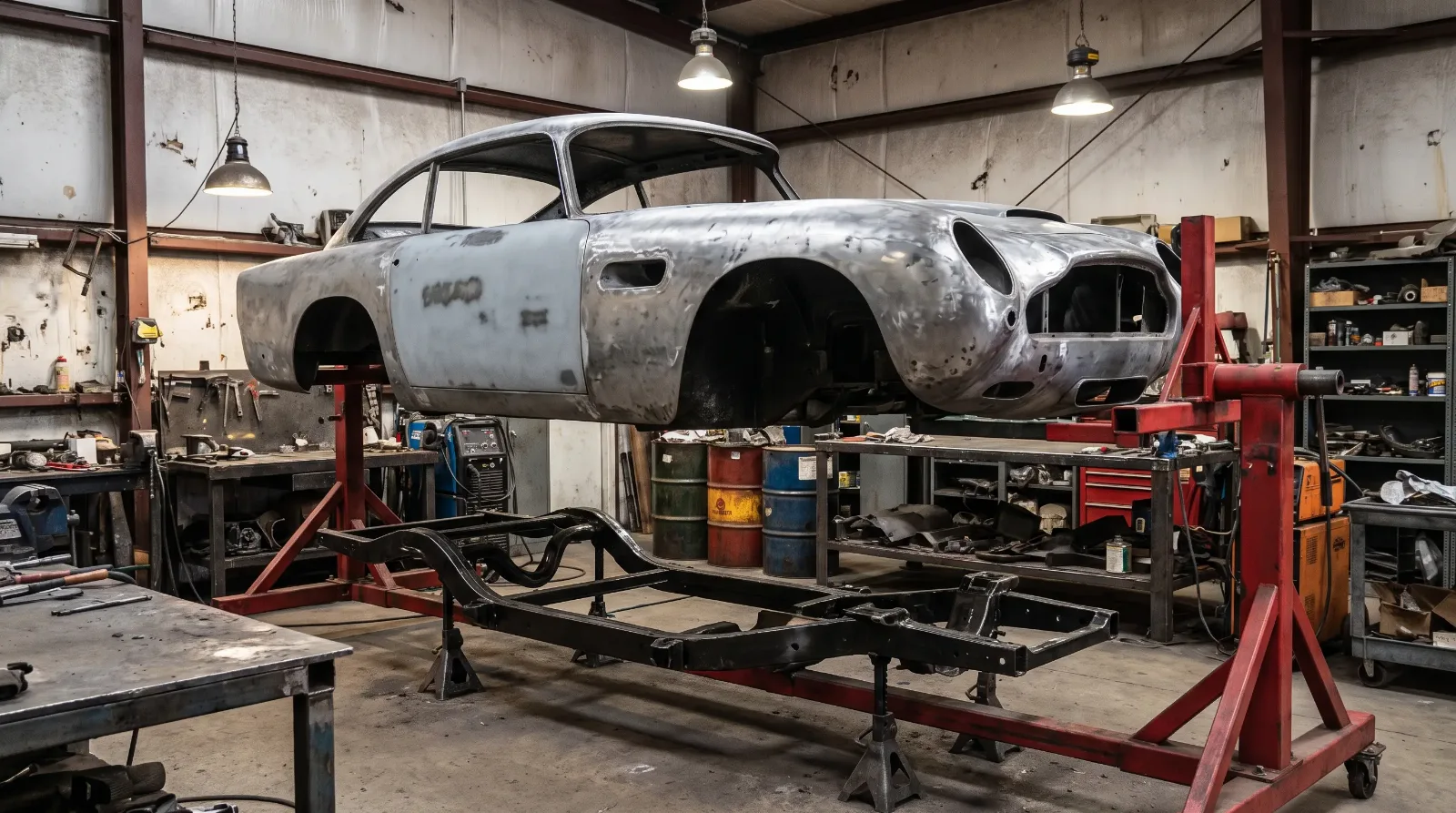
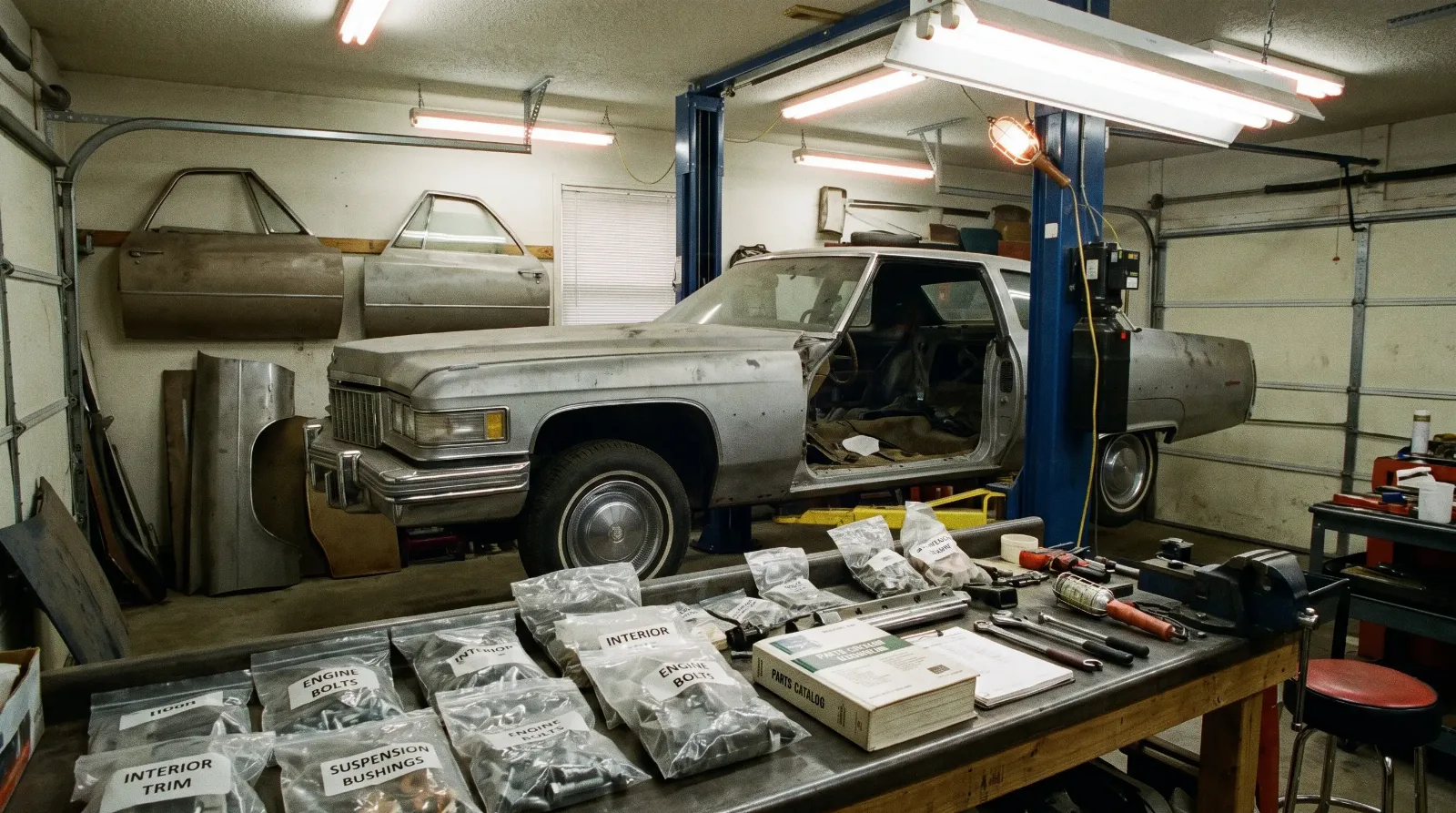
On a production car, restoration is largely a sourcing exercise. Trim, glass, mechanical components, and even body panels exist somewhere, whether through a specialist supplier, a marque registry, or a donor car. The work is finding the correct part for the year and configuration, which is difficult but not impossible. The knowledge exists because the car exists in numbers.
A one-off inverts this. There is no donor for a body panel that was made once. There is no reproduction wiring loom for a car that had a loom built for it alone. Every non-mechanical part that cannot be repaired must be made, and made to match photographs, period records, and whatever survives on the car. The mechanical package underneath is often shared with production chassis, which helps, but the coachwork, the interior fittings, and the unique details are bespoke fabrication from the first cut.
What each path costs in time and money
The cost gap follows directly from the parts problem. A production luxury car restoration is expensive but estimable. A coachbuilt one-off is expensive and, at the outset, only partly knowable, because you do not learn what fabrication a body needs until it is stripped. The figures below are broad ranges for the coachwork and specialist elements, not full-car quotes, and they assume a car worth the investment.
| Element | Production luxury car | Coachbuilt one-off |
|---|---|---|
| Body panels | Source or reproduce | Hand-fabricate to fit |
| Wood body frame | Rarely applicable | Often rebuilt from scratch |
| Reference standard | Factory records, other cars | Period photos, single survivor |
| Specialist pool | Marque clubs, known shops | A handful of firms worldwide |
| Timeline | Long | Longer, often several years |
A senior production luxury restoration can run well into six figures. A coachbuilt one-off restored to concours standard can run several times that, and the very significant cars have absorbed budgets past a million dollars where the coachwork demanded it. The reason is not vanity. It is hours. Hand-forming a set of fenders to a period photograph, then finishing them to a standard a Pebble Beach class judge will scrutinize, is measured in months of skilled labor, not weeks.
Originality carries more weight here
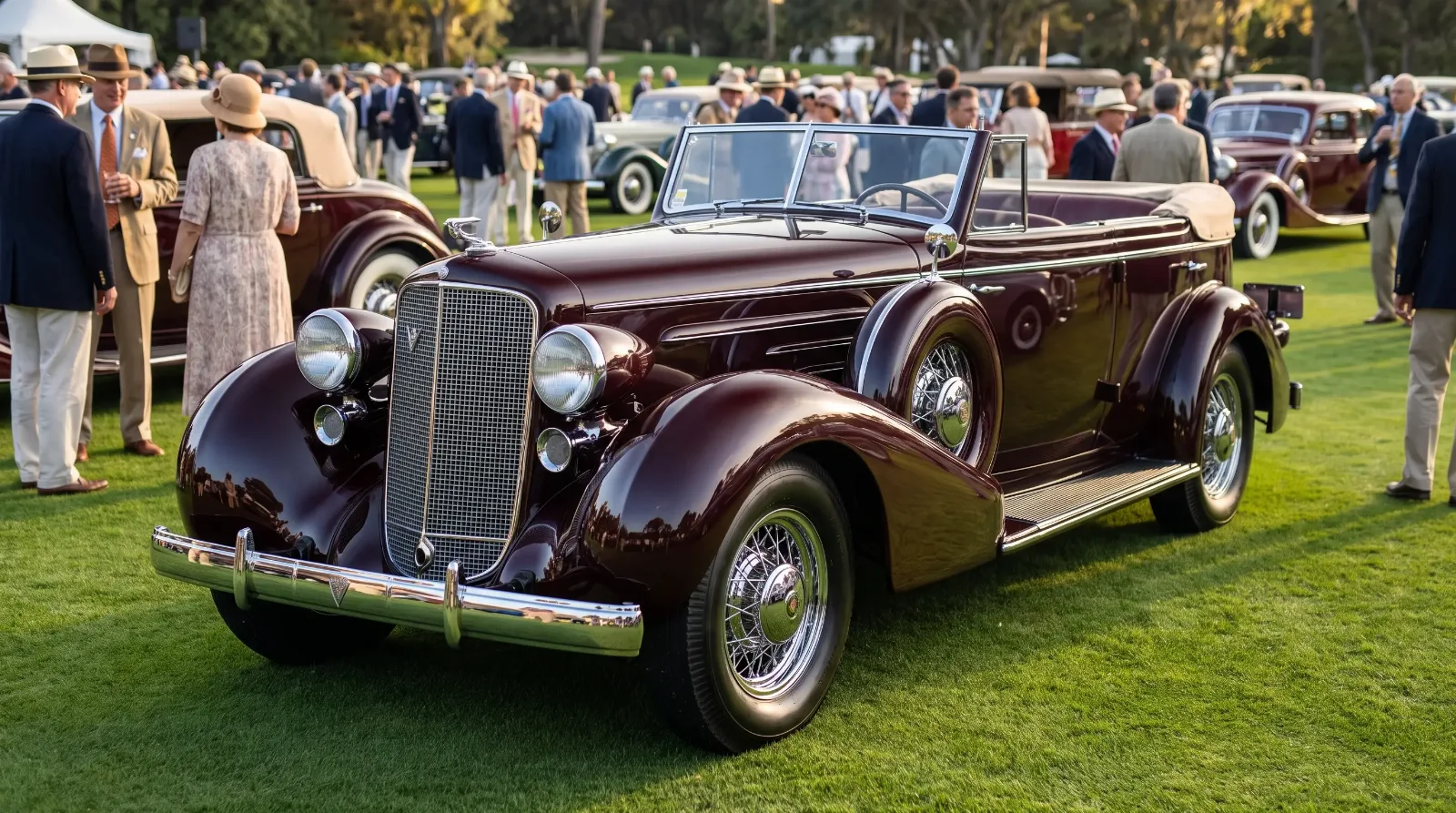
On a one-off, original fabric is irreplaceable in the literal sense. There is no second example to compare against, so every surviving original element, the upholstery, the wood, the original panel work, is evidence of what the car was. This is why the concours world treats an unrestored coachbuilt survivor with such care. A preservation-class car that still wears its original coachwork, even worn, can be valued above a beautifully restored sibling, because the restoration replaced the very thing that made the car a document.
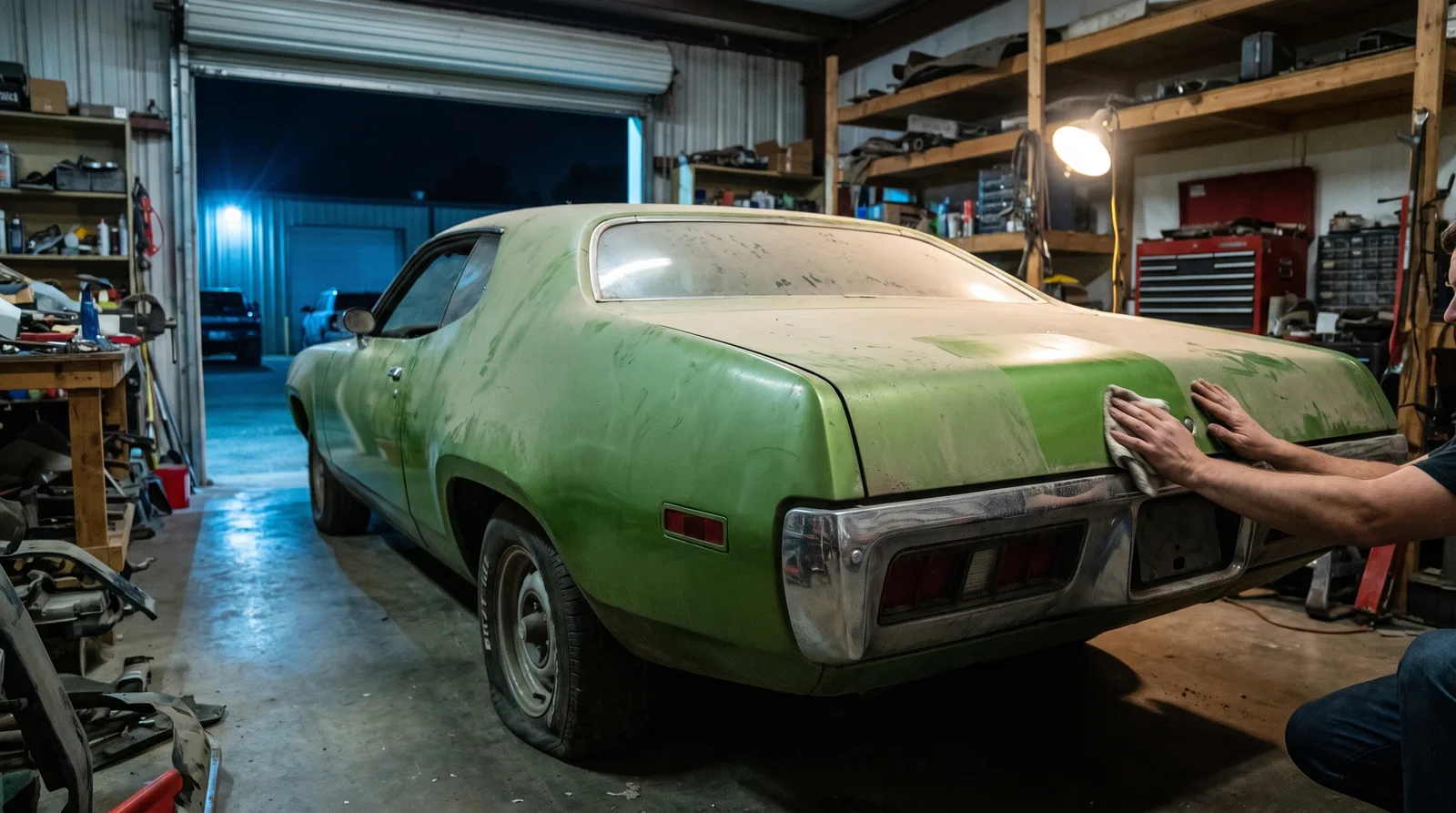
That logic changes how a thoughtful restorer approaches a one-off. The instinct is to conserve first and replace last, to save what can be saved and to record everything removed. On a production car, a worn interior is simply redone. On a one-off, redoing an original interior is a decision that can never be reversed, and the best restorers treat it as one. The judging standard rewards accuracy to the original maker, not the brightest possible finish.
Documentation matters more on these cars than on any production example. Period photographs, the original coachbuilder's records where they survive, factory and registry data, and the physical evidence on the car itself are the only references a restorer has for a body that was made once. A one-off with a deep paper trail is worth more than an identical car whose history is thin, because the paperwork is what allows the restoration to be verified as correct rather than merely attractive. Before a single panel is touched, the research is the job, and skipping it is how a restorer guesses at details that a surviving photograph could have settled.
Choosing which car to take on
For most owners, a production luxury classic is the sounder project, and there is no shame in that. The parts exist, the knowledge exists, the cost is estimable, and the finished car can be used and enjoyed without the anxiety of stewarding something unique. It is a car you restore. A one-off is a car you conserve, and it asks for a different temperament, a deeper budget, and access to the narrow group of shops that can do the work.
The right choice comes down to what you are equipped to steward. If you want a car to restore and drive, a documented production example rewards the effort and the market for it is broad. If you are drawn to the coachbuilt cars and understand what their restoration demands, the reward is custody of an object that exists in a single copy. Neither is better. They are different responsibilities. Whichever way the car pushes you, the next question is who does the work, so continue with next: DIY vs Professional Shop.
"With a production car you are returning it to a standard the factory set. With a one-off you are answering a question no one alive can confirm, which is what the original maker meant. The discipline is to save first and fabricate only when you must, because on a car built once, every original detail you replace is a piece of the record gone for good."
Sarah Whitfield
Related Reading
Have a
Classic Car
for Sale?
Reach thousands of serious classic car collectors across the US.
Sell It Here →
Are You a Classic Car Dealer?
List your full inventory and connect with targeted classic car buyers.
Join as a Dealer →

About the author
Sarah Whitfield
Third-generation classic car collector specializing in pre-war American and European coachbuilt automobiles. Researcher and concours enthusiast.
Comments (1)
F
Frank DeLuca
1 week ago
Sarah, where do the catalog customs fit in this? Plenty of senior Packards and Cadillacs wore bodies from Brunn or Rollston, built a handful at a time. Not one-offs, Not production cars either. My Continental is as production as it gets and I still can't find half the trim. -Frank
Good question, Frank. Catalog customs sit in a useful middle. One often has a sister car, or the builder's body drawings survive, so a question about a molding or a seam can be settled in a way a true one-off never allows. Your Continental has the opposite problem: thousands built, and nobody thought the trim was worth saving.