
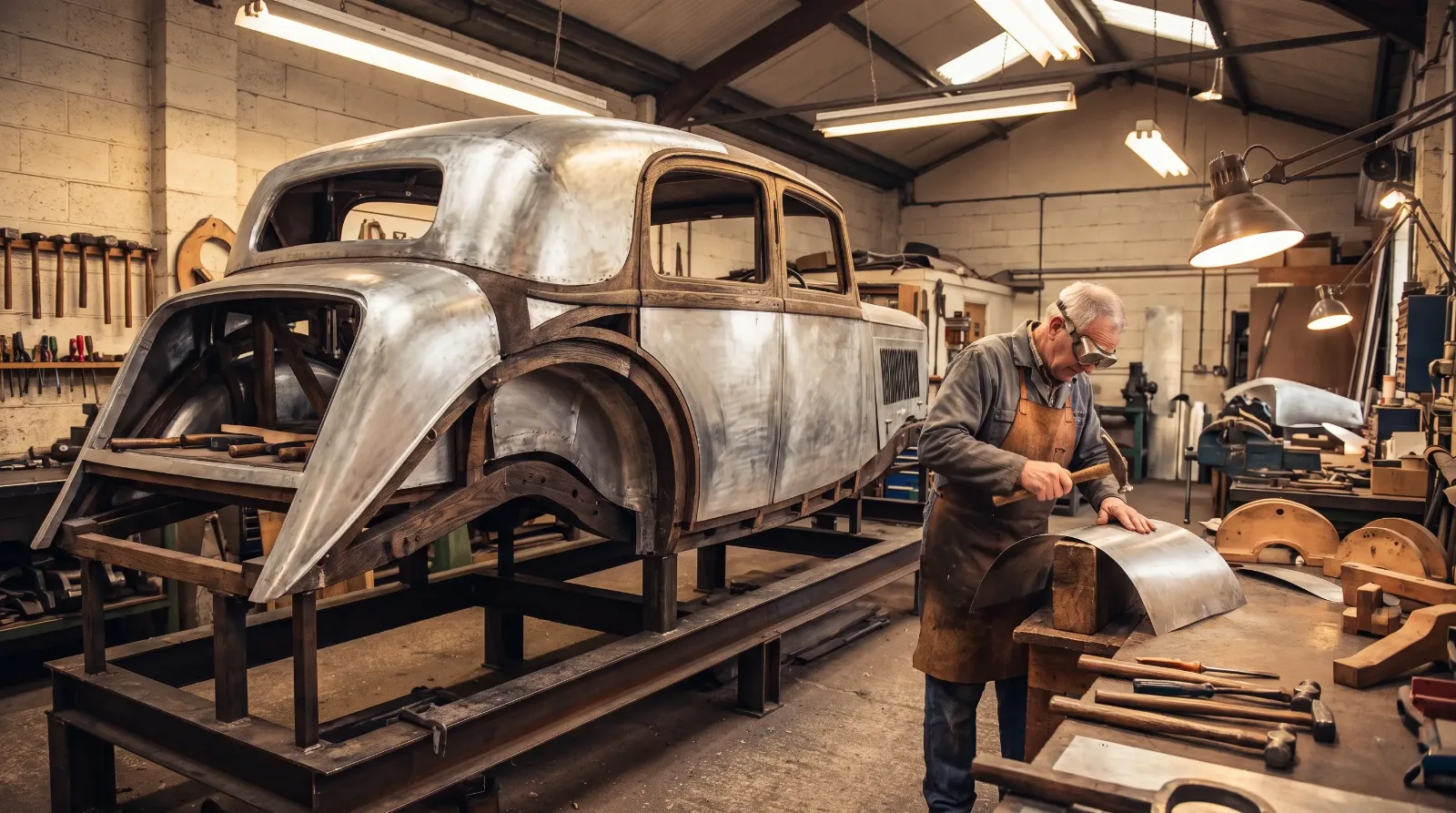
The frame-off restoration vs driver quality decision is really a money decision wearing a craftsmanship costume. A frame-off, sometimes called a rotisserie or nut-and-bolt restoration, means the body comes off the chassis and the car is taken down to bare metal and rebuilt from nothing. A driver-quality restoration fixes what is wrong, refreshes what is tired, and leaves the sound parts alone. Both can produce a car you are proud to own. Only one of them regularly costs more than the finished car is worth.
Market & Values
6 min read
Frame-Off vs Driver-Quality Restoration: How Collectors Decide
Frame-off restoration vs driver quality on a classic luxury car, what each level costs, when a rotisserie rebuild pays, and when a driver is smarter money.
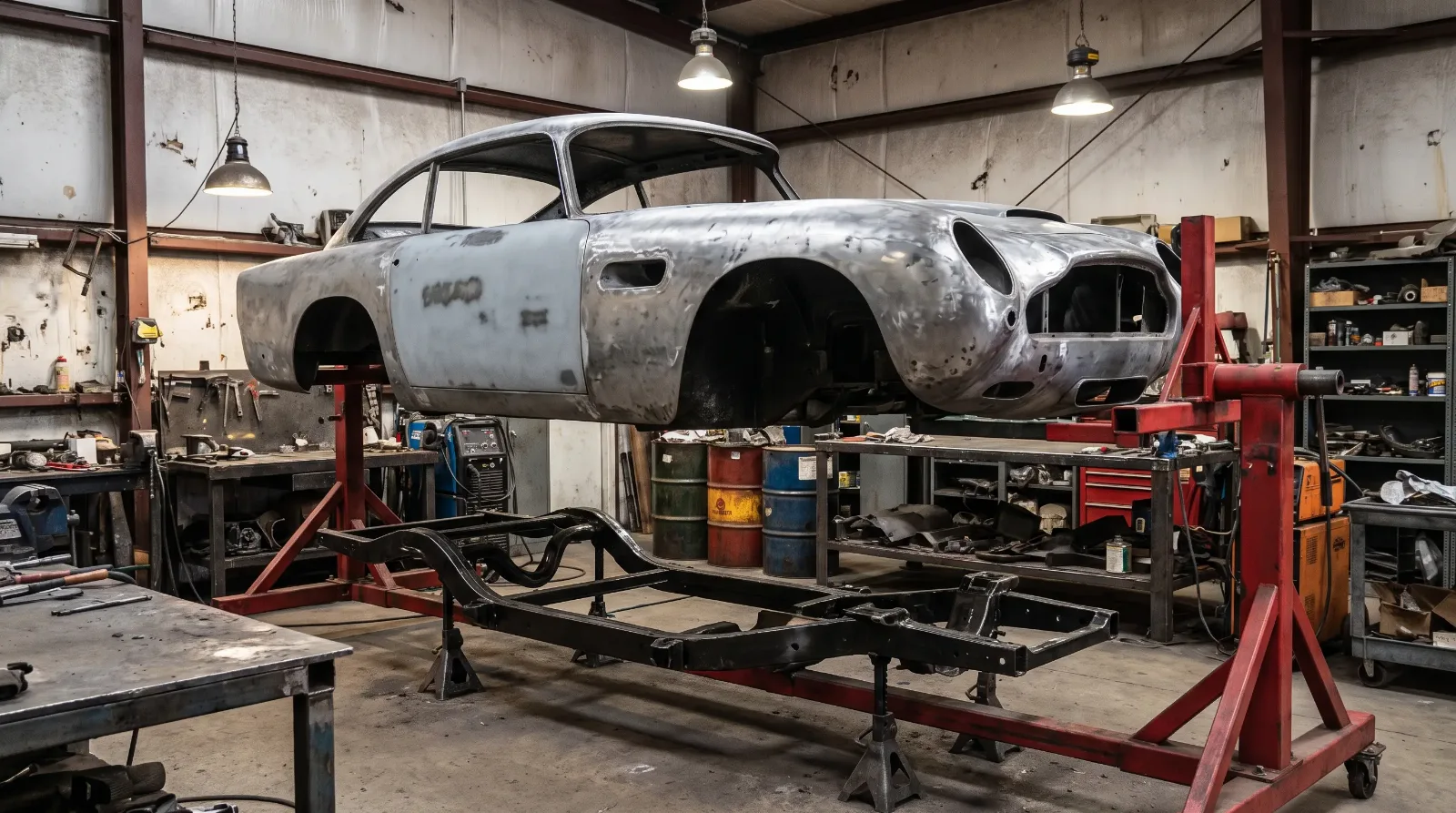
I have watched enough of these projects settle at auction to see where the numbers land, and the pattern is consistent. Owners who chose the level of restoration to match the car came out fine. Owners who threw a frame-off budget at a mid-tier car buried money they will never see again. If you have read the restoration story, this is the fork in the road where the plan meets the checkbook.
What each level actually means
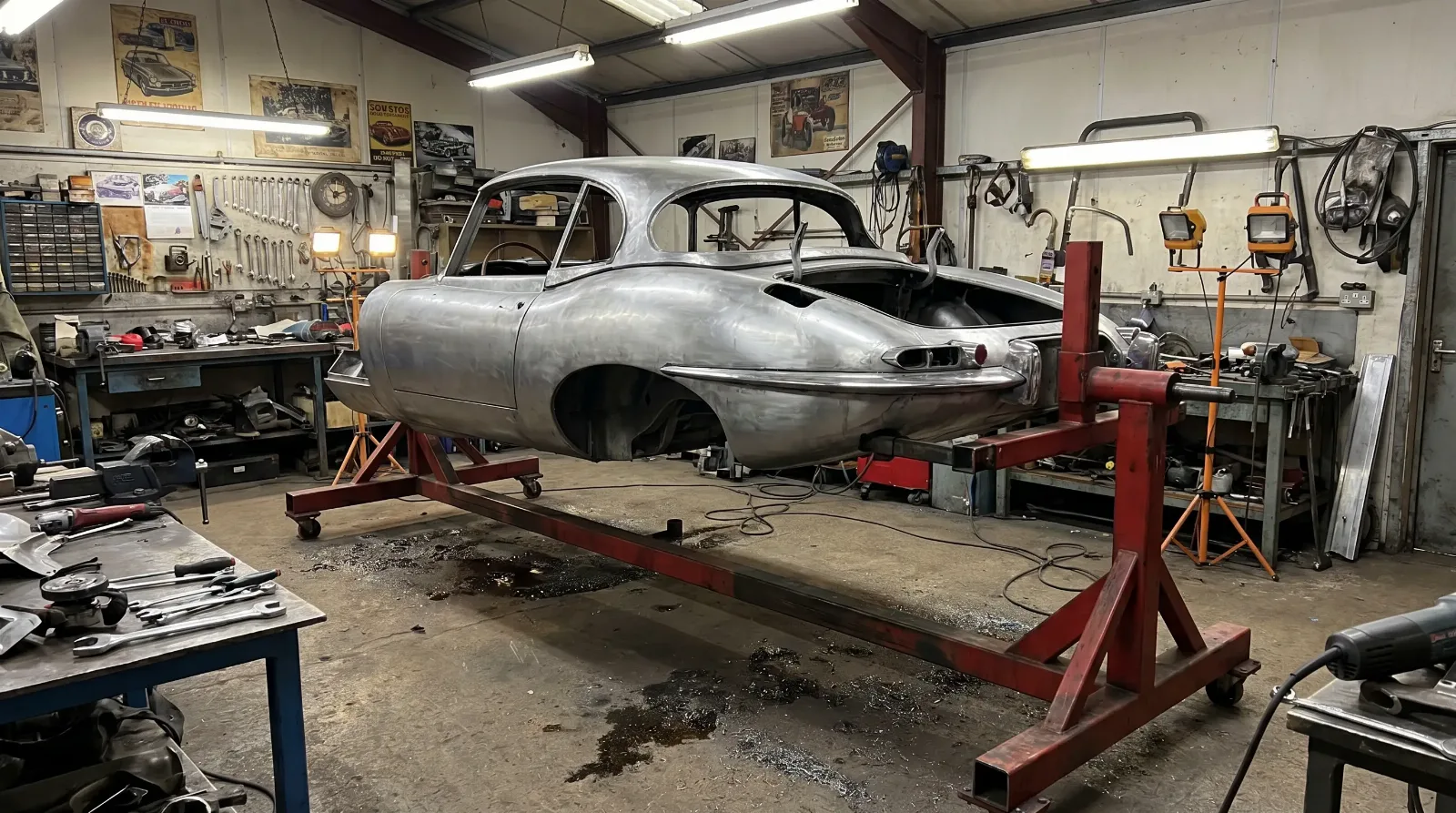
A frame-off is total. The body is separated from the frame, every system is disassembled, the chassis is stripped and refinished, and the car is reassembled with correct fasteners, correct finishes, and correct plating throughout. Nothing is reused without being inspected, rebuilt, or replaced. On a luxury classic with a complex hydraulic system, wood interior, and yards of chrome, this is a multi-year job measured in thousands of labor hours.
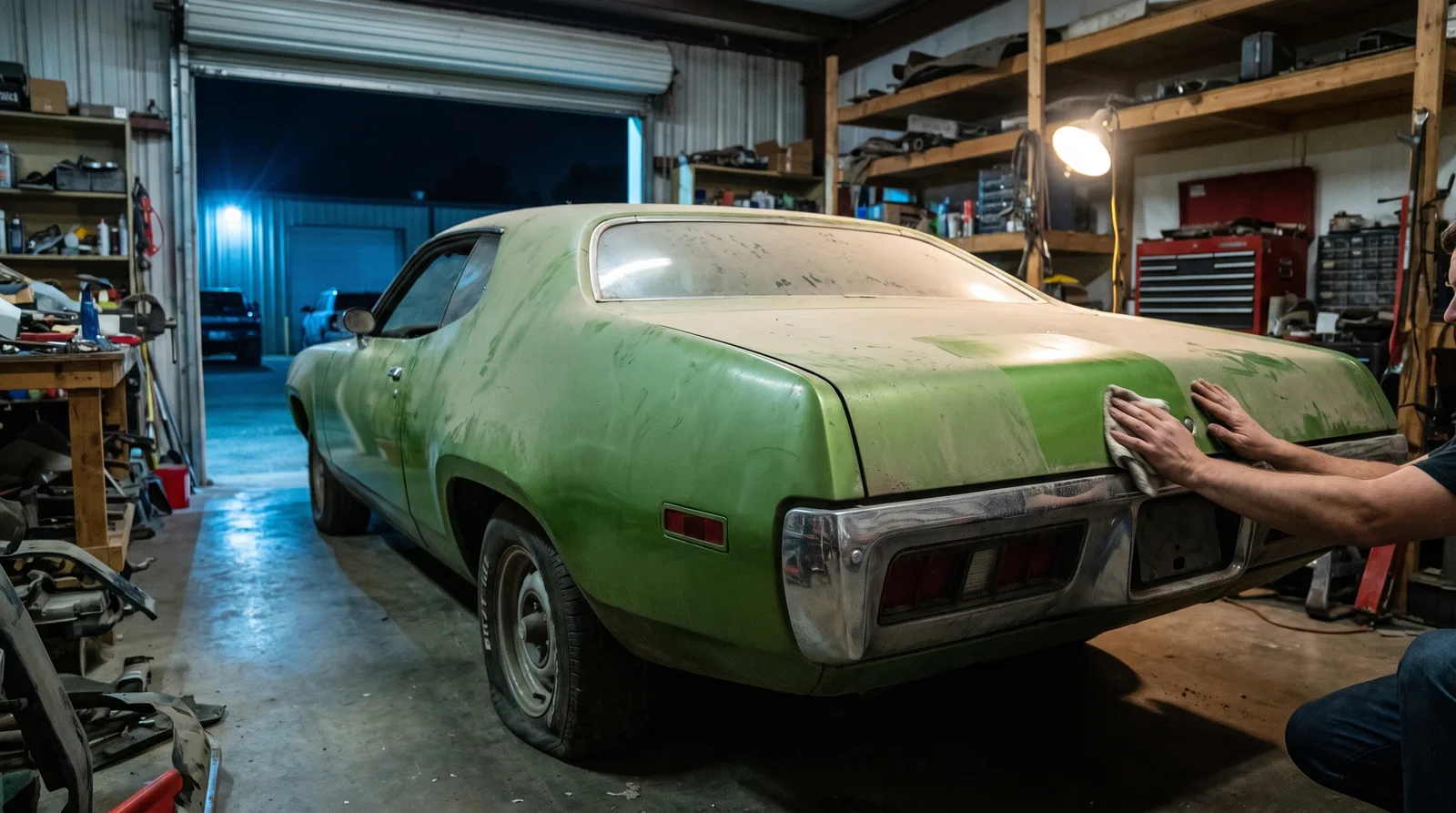
A driver-quality restoration works to a different standard. You address the mechanical safety items, sort the brakes and suspension, get the engine running right, tidy the interior, and make the paint presentable without chasing show-field perfection. The car looks good from a few feet away, drives well, and is honest about being a car you use rather than a car you trailer. The gap between the two is not small. In labor alone it can be the difference between a few hundred hours and several thousand.
What the two paths cost
Here is where the decision gets honest. A full frame-off on a coachbuilt or senior luxury classic routinely runs well into six figures once you total the chrome, the interior, the mechanical rebuild, and the paint. It is not unusual for a proper frame-off on a significant car to land somewhere in the $150,000 to $400,000 range depending on complexity and how much of the car needs fabrication. A driver-quality restoration on the same platform might come in at a fraction of that, often in the low-to-mid five figures, because you are buying targeted repair rather than total reconstruction.
The figures below are broad ranges, not quotes. Shop rates, parts scarcity, and the car's starting condition move every line. Treat them as the shape of the decision, not a bill.
| Job | Driver-quality | Frame-off |
|---|---|---|
| Paint and body | $8,000–$20,000 | $30,000–$80,000+ |
| Chrome and brightwork | Refresh key pieces | Full replate, every piece |
| Interior | Repair and clean | Full leather and wood rebuild |
| Mechanical | Sort and safety | Everything rebuilt to spec |
| Typical total | Low-to-mid five figures | $150,000–$400,000+ |
The number that decides everything is the finished value. If a perfect example of the car trades for $500,000, a frame-off can make sense because there is headroom above the restoration cost. If a perfect example trades for $80,000, a frame-off is a donation to the hobby. That is the calculation most owners skip, and it is the one that separates a smart restoration from an expensive lesson.
🔧 Inspection Priorities
- Assess the metal before you commit to a level. Rust in structural areas and rotten floors push a car toward frame-off whether you wanted it or not. Fabrication is the most expensive surprise in any restoration.
- Check what is already done. A half-finished frame-off from a prior owner can be worse than an honest driver, because you inherit their shortcuts without knowing where they are.
- Verify the mechanical baseline. Engine, brakes, and any hydraulic or self-leveling system set the floor cost. These systems are expensive on luxury classics and cannot be skipped on a car you intend to drive.
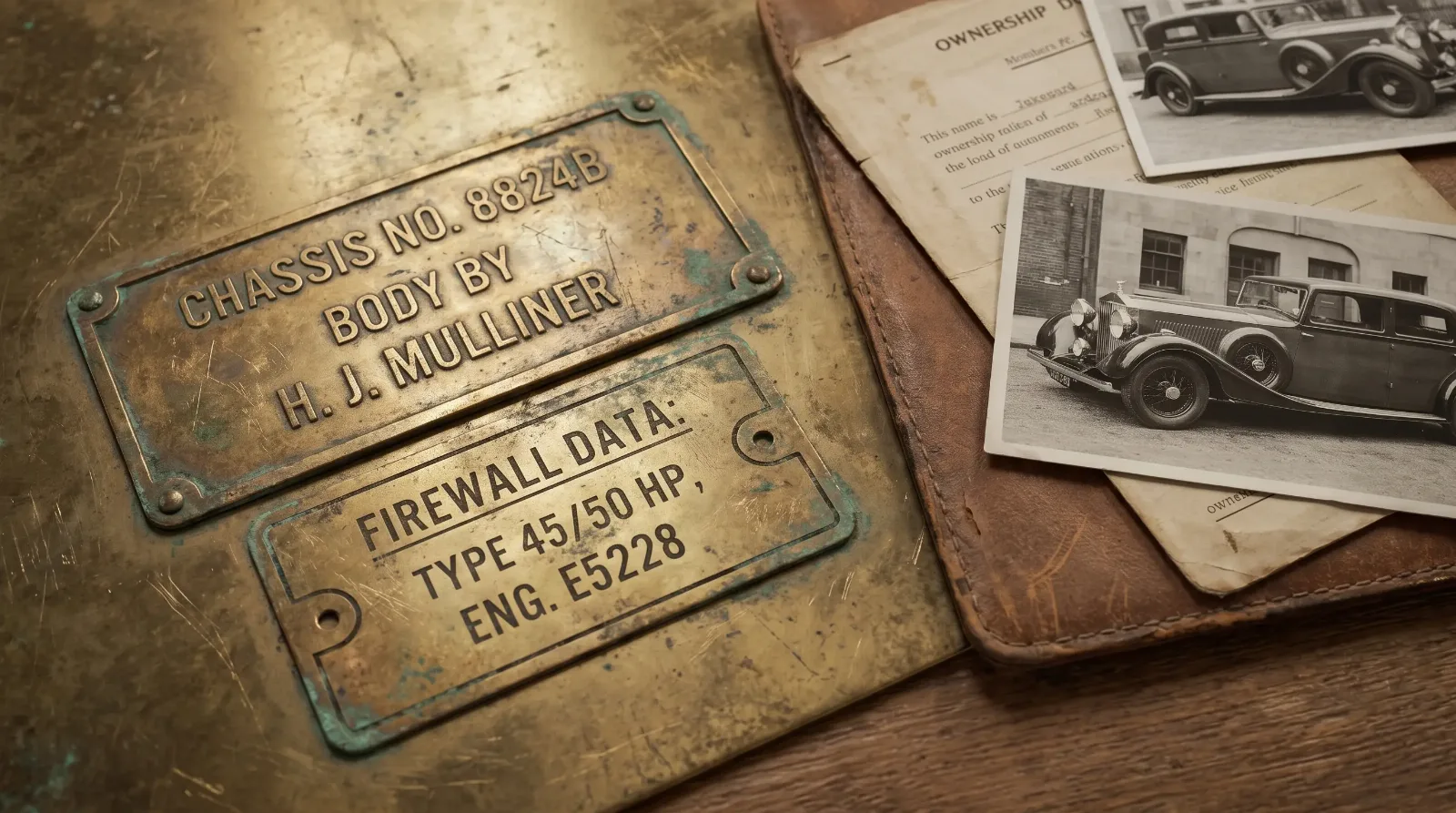
- Weigh the documentation. A frame-off with no photo record of the process is worth less than one with a full binder. Buyers pay for proof, not promises.
When the frame-off is the right call
A frame-off earns its cost in a narrow set of cases. The first is the significant car: deep provenance, a rare configuration, matching numbers, a name that carries in the market. On those cars the finished value supports the investment and the segment expects concours-level work. The second is the structurally compromised car that cannot be honestly restored any other way, where the frame itself needs attention and there is no shortcut back to sound.
The third case is personal rather than financial. If this is the car you intend to keep for life and drive to the top shows, and you have made peace with the money, a frame-off buys you a car finished to a standard a driver restoration cannot reach. That is a legitimate choice. It is only a mistake when someone makes it expecting to get the money back on a car whose ceiling does not support it. For the deeper background on why certain marques carry the values that justify this work, read the complete classic luxury car story.
When driver-quality is the smarter money
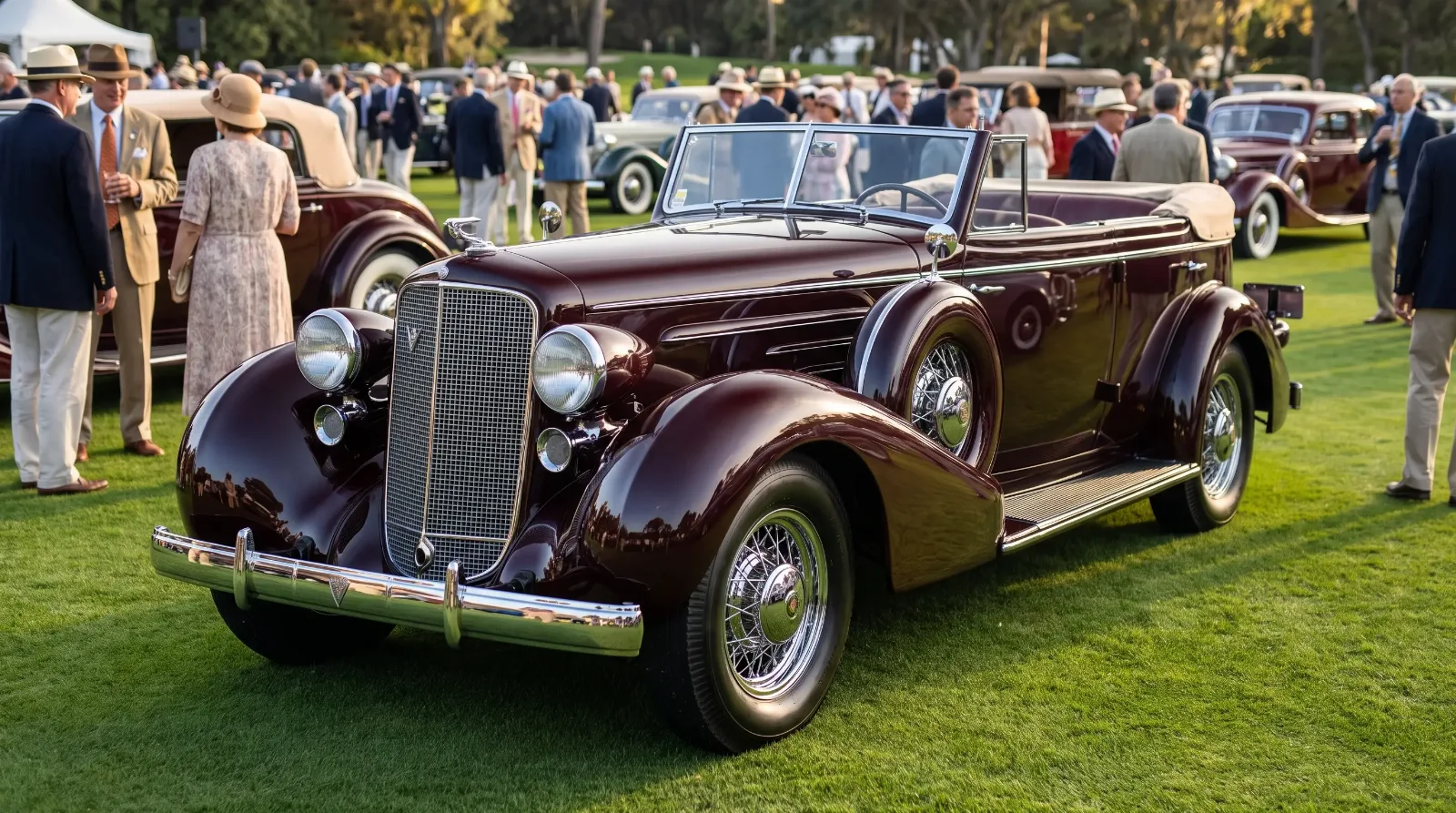
For most owners of most luxury classics, driver-quality is the correct answer, and not as a compromise. A well-sorted driver gets used. It goes to shows, it goes on tours, it earns its keep as a car rather than sitting as a static investment nobody dares to start. The mechanical work is real and the safety items are not negotiable, but you are spending where it matters and leaving honest patina and sound original components alone.
There is also a market argument that surprises people. A genuine, well-preserved original car can outsell a fresh restoration in the luxury segment, because originality is finite and a restoration is not. You can always restore a car later. You can never un-restore one. Before you spend a dollar on either path, see what finished examples actually trade for by browsing current classic luxury cars for sale, because that ceiling is the single most important number in the whole decision.
"I tell people to price the finished car first, then choose the restoration to fit under it. A frame-off on a blue-chip car is an investment. A frame-off on a driver is a hobby you are paying retail to enjoy. Both are fine, as long as you know which one you are signing up for before the body comes off the frame."
David Mercer
The decision is not about which level is better. It is about which level the car can carry. Match the restoration to the finished value and the provenance, and the money works. Ignore that and the cost runs past the car every time. If the car turns out to be something rarer than a production example, the whole calculation changes, so continue with next: Restoring a Coachbuilt One-Off vs a Production Luxury Car.
Related Reading
Have a
Classic Car
for Sale?
Reach thousands of serious classic car collectors across the US.
Sell It Here →
Are You a Classic Car Dealer?
List your full inventory and connect with targeted classic car buyers.
Join as a Dealer →
#Restoration
#frame-off restoration
#driver quality
#restoration cost
#collector value
#classic luxury cars

About the author
David Mercer
Classic car market analyst with two decades of experience tracking collector car valuations, auction results, and investment trends.
Comments
Be the first to comment on this article.