
A car not selling is a system producing the wrong output, and the useful response is the one you would apply to any misbehaving system: observe, form a hypothesis, change something, measure. The less useful response is the one most sellers default to, which is waiting another month and then cutting the price. Sometimes the price is the fault. Often it is the listing itself, which has been seen, scrolled past and forgotten by the buyers who were looking the week it went up.
Market & Values
7 min read
Reviving a Stale Listing: New Photos, Headline, Boost
Car not selling? Record a baseline, reshoot the lead photo, rewrite the headline from buyer questions, then boost and measure for two weeks.
This article is about the second case. It assumes the car is fairly priced and the basics are in place; if they are not, start with the full guide on how to sell classic car fast. The goal here is narrower: take a listing that has gone quiet and give it a second first impression.
Why listings go stale
A new listing gets a burst of attention it will never get again. Shoppers sort by newest, saved searches send alerts, and the buyers who have been waiting for this model see it in the first few days. After that the listing sinks under newer arrivals, and the only people who find it are the ones searching very specifically. The car hasn't changed. Its visibility has.
There is a second effect. Buyers who saw the listing in week one and passed have filed it under "seen." Unless something visibly changes, they will not open it again. A stale listing therefore has two problems: fewer new eyes, and returning eyes that have already decided. A refresh has to address both, which means changing what appears in search results and then giving the listing a reason to rise again.
Before changing anything, record a baseline. Views to date, messages, the questions buyers asked, the date listed, the current price. If the platform shows views by day, note the trend. Without a baseline you cannot tell whether a change worked, and you will end up crediting the sale to whatever you happened to change last.
New photos, starting with the lead
The lead photo is the highest-leverage variable in the listing. It is what appears in search results, so it decides whether anyone opens the ad at all. If your views are low, this is the first thing to change.
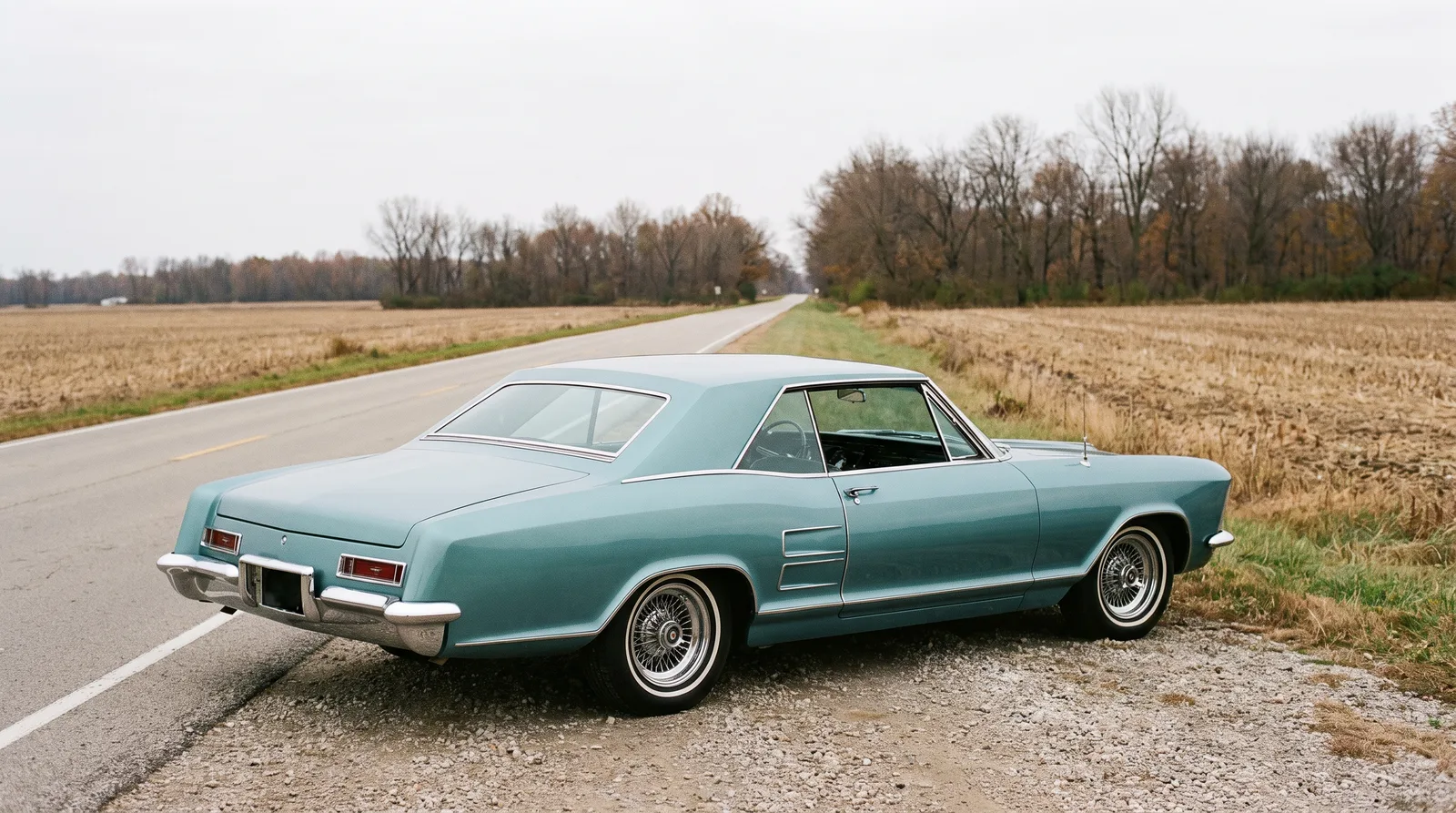
Look at your current lead image at thumbnail size, the way buyers see it on a phone. Is the whole car in frame? Can you tell the color? Is the background competing with the car? A front three-quarter view in soft, even light, shot from about headlight height against a plain background, is the conventional choice because it works. If the originals were taken in a garage or at noon, reshoot the full set, not just the lead. Inconsistent lighting across a gallery reads as two different sessions, and buyers wonder what changed between them.
The car should be at its best for the new set. A proper clean of the paint, glass, wheels and engine bay changes how photos read more than any camera setting, and the guide to detailing a classic car for photos covers what to do and what to avoid, so the car looks cared for without looking disguised. Then reorder the gallery: lead shot, opposite three-quarter, profile, interior, engine, underside, then details and flaws. Buyers stop scrolling early, so the first five frames carry most of the load.
Rewrite the headline and the first paragraph
The headline and opening lines are the second thing buyers see, and they are often spent on adjectives. "Beautiful classic, must see" carries no information. Compare a headline that names year, make, model, body style, engine and transmission, plus one fact that sets the car apart: a documented ownership history, a recent rebuild with receipts, a rare factory color with the paperwork to prove it. That version matches more searches and gives a scrolling buyer a reason to stop.
Then rewrite the first paragraph using the questions you received. If three different people asked whether the floors are solid, the answer belongs in the opening lines, with a pointer to the underside photos. The messages that came in during the quiet weeks are free user research. Use them.
Add one more thing that shows: a cold-start video, newly found documents, or recent work with the date it was done. Returning buyers need a visible reason to look again, and "price reduced" is the least flattering reason available.
Boosting: getting back in front of buyers
Once the listing itself is better, it needs to be seen again. Here a boost lifts an existing listing back up the order buyers browse, so it collects some of the attention a new arrival gets. How often that happens depends on the plan. A Starter listing can be boosted manually once every 30 days. Featured listings are boosted automatically every week, and Premium listings every day. Featured and Premium also include newsletter sends to more than 17,000 subscribers who signed up to hear about new listings.
Timing matters. Boost after the new photos, headline and first paragraph are live, not before. A boost puts the listing in front of browsing buyers again; spending it on the old version of the ad repeats a result you already have. On a Starter plan, where the boost is manual and limited to once a month, that sequence is the whole point. Whether you are listing for the first time or deciding how much visibility a stubborn car needs, compare the plans and get it in front of buyers at the cadence that fits how long you can wait.
Off the site, re-share the refreshed listing in the model-specific groups and forums where you posted originally, with a short note about what is new. "Fresh photos and a cold-start video added" is a reason to click. "Bump" is not.
"Refresh the presentation first and leave the price alone for two weeks. If you change the photos, the headline and the price on the same afternoon and the car sells, you have learned nothing about which one did it."
Emily Chen
A two-week refresh protocol
Here is the sequence as a plan you can follow. It separates presentation from price, so you can see which one was holding the car back.
| Day | Action | What to measure |
|---|---|---|
| 0 | Record baseline: views, messages, questions, price | Starting numbers |
| 1 to 2 | Detail the car, reshoot the full gallery, reorder it | Nothing yet, not live |
| 3 | Publish new photos, headline, first paragraph and video, then boost | Views over the next 72 hours |
| 3 to 4 | Re-share in groups and forums with a "what's new" note | Clicks and messages |
| 5 to 14 | Answer every message the same day | How many messages become visits |
| 14 | Compare against the baseline | Decide: price, venue, or leave it running |
Reading the result is straightforward. If views rise but messages do not, the presentation was one problem and the price is the remaining one. If neither moves after a full refresh, the buyer pool on that venue may simply be thin for your car, and adding a second venue is worth testing before a deep cut. If messages arrive and turn into visits, leave everything alone and let the process run.
The common failure is impatience: changing everything, then changing it again three days later before any data has come back. A listing is a slow experiment with a small sample. Give each change enough time to produce a result you can actually read.
Sources and notes
- AutoTrader.ca: How to photograph your used car for sale (overcast light, three-quarter views, clean the car first)
- eBay Developers: Listing duration (vehicle categories are excluded from Good 'Til Cancelled fixed-price listings)
- Harvard Business Review: The short life of online sales leads (2011) (research on business leads; response speed matters)
- PrivateAuto: Managing price requests (time on market and comparable listings before a price change)
- Bumper: Negotiating when you're selling (holding price versus moving it)
Related Reading
Have a
Classic Car
for Sale?
Reach thousands of serious classic car collectors across the US.
Sell It Here →
Selling a classic? Here's how: sell my classic car
Are You a Classic Car Dealer?
List your full inventory and connect with targeted classic car buyers.
Join as a Dealer →
#selling tips
#sell a classic car
#classic car listing tips
#classic car photos
#car not selling
#stale listing
#listing boost

About the author
Emily Chen
Bay Area engineer with a deep focus on vintage Japanese and European performance cars. Approaches classic car research and restoration with an analytical eye.
Comments (1)
R
Rosa Villarreal
1 week ago
Not sure fresh photos alone help. Wouldn't a returning buyer wonder what changed? And shouldn't the title status come first?
D
Don Metzger
1 week ago
Rosa, that is what the baseline is for. Record views and messages before the reshoot, then compare per day afterward. If views climb roughly 30 percent and messages stay flat, the photos did their job and the price is the remaining problem.