
Most car listing mistakes are not lies. They are claims made without the paper to back them, facts left out because the seller assumed everyone knew them, and photos that answer the wrong questions. Read enough classic car ads and the pattern repeats with some regularity: the car is often perfectly sound, and the ad is the reason it is still for sale.
Market & Values
8 min read
Listing Mistakes That Keep Classics Unsold
The car listing mistakes that keep classics unsold: unsupported claims, missing facts, thin photos and a defensive tone, and how to fix each.
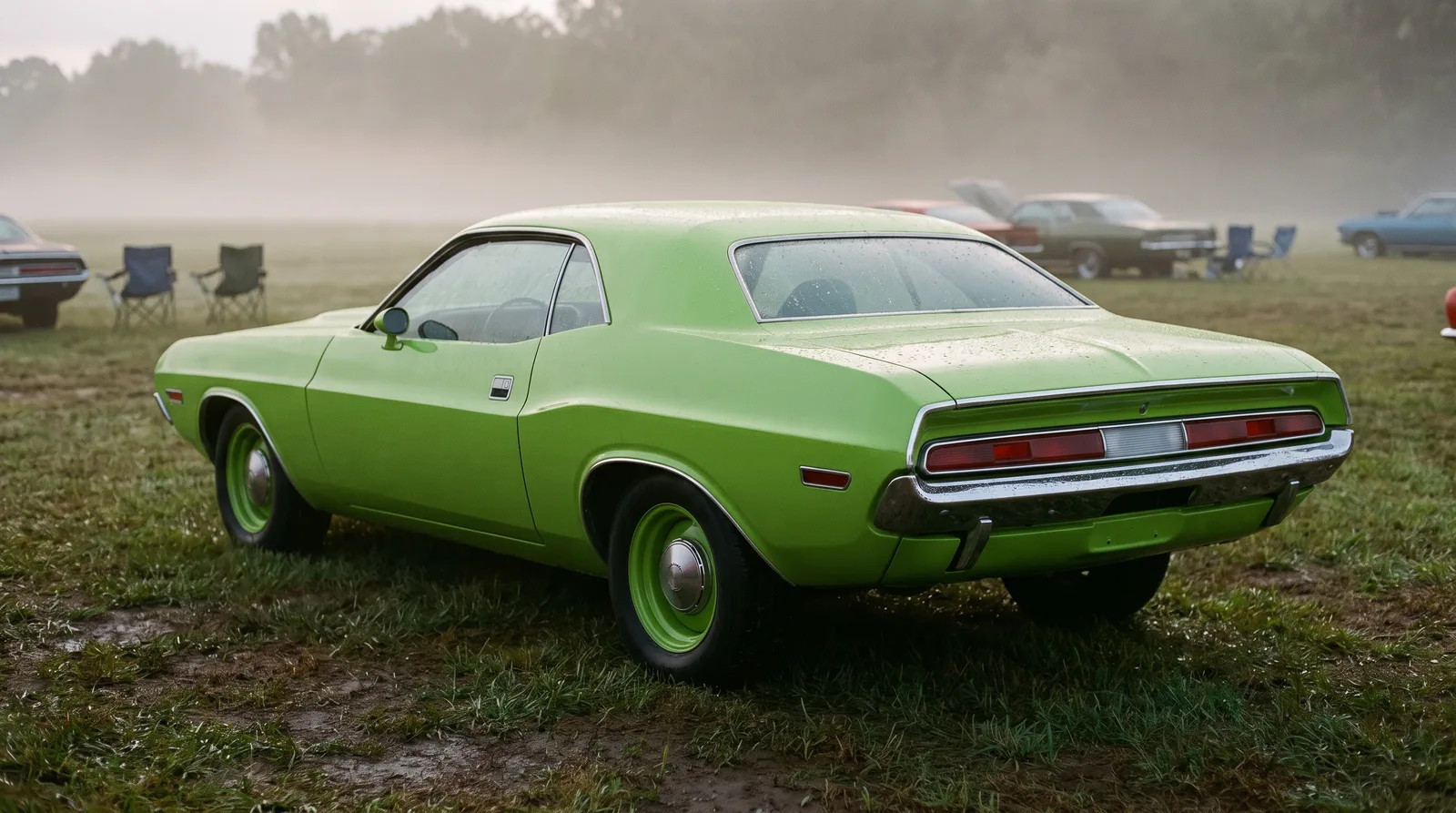
The errors below are specific to old cars, where buyers check more and trust less. For the full sequence of pricing, photos and replies, the how to sell classic car fast guide covers the ground. This page stays on the mistakes themselves, why each one costs you, and how to correct it.
Claims the paperwork cannot support
The most expensive words in a classic car ad are the ones a buyer can check. "Numbers matching." "All original." "One of 300 built." "Rare factory option." Each is a claim about the factory record, and a knowledgeable buyer reads it as a promise.
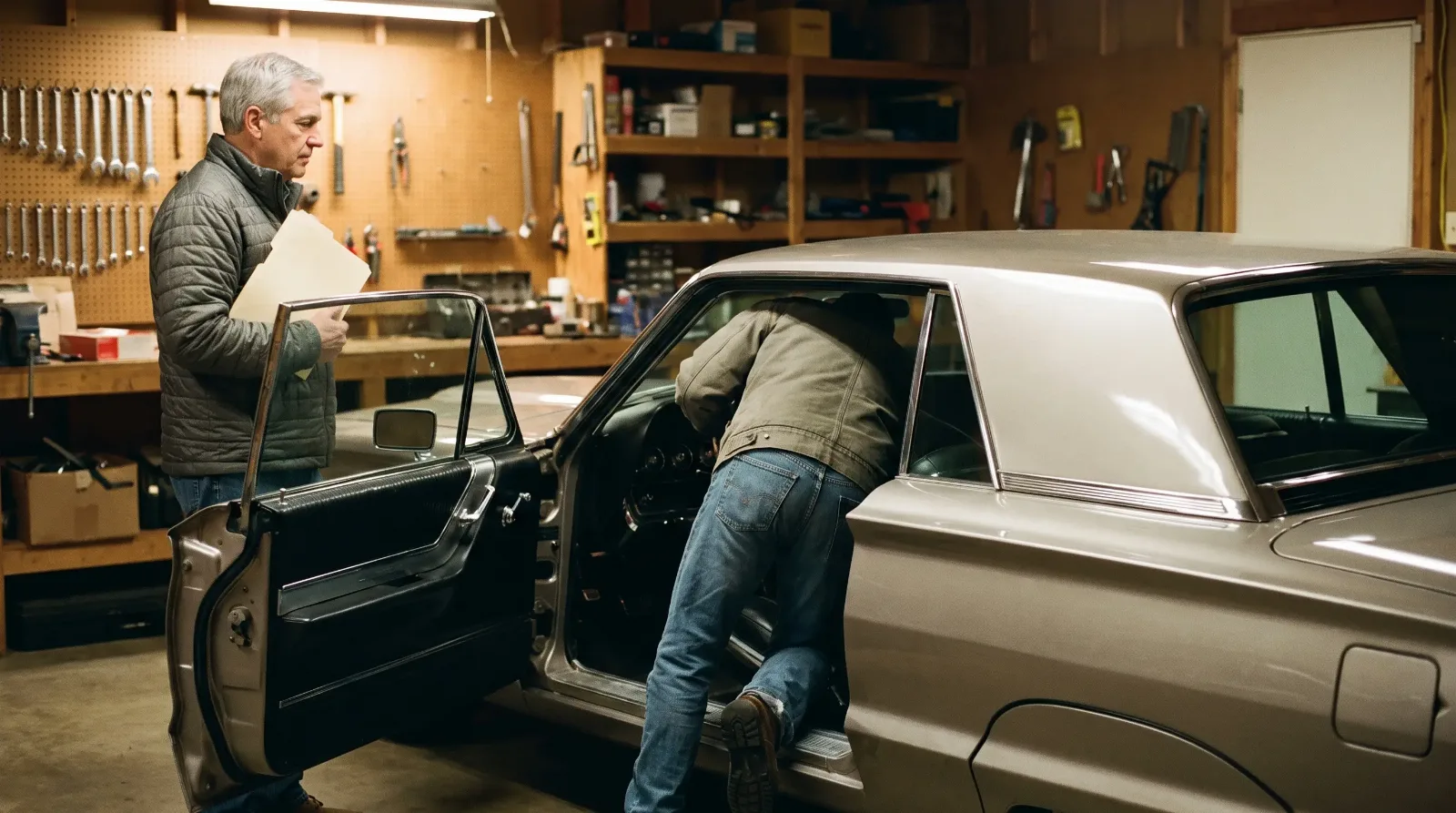
"Numbers matching" is the phrase most often misused. Among serious buyers it usually means the engine, and often the transmission and rear axle, carry stamped numbers or partial VINs consistent with the car's VIN and build date. It does not mean "the engine is the right size," and it does not mean "it has a Chevrolet engine in a Chevrolet." A seller who writes it without checking the stampings is betting the sale on nobody looking. Somebody always looks.
Production figures work the same way. If you state a number, state the source: a marque registry, a factory production summary, the build sheet. If you cannot find one, say what you do know and stop there. "Factory air car, per the build sheet included" is stronger than "very rare," and it can be checked, which is the point. A buyer who catches one inflated claim assumes the others are inflated too, and discounts every other line in your ad accordingly.
The honest phrase is also the useful one. "Correct date-coded replacement block, original block not with the car" tells a buyer exactly where the car stands. It costs some value on paper. It costs far less than a deal that collapses at inspection, after both of you have spent a weekend on it.
Leaving out the facts buyers filter on
Buyers search and sort by a short list of facts, and a listing that hides them gets skipped. Year, make, model, body style, engine, transmission, mileage, location and price should be visible without reading a paragraph. "Call for details" is not a detail. Neither is "ask about the engine."
Title status belongs near the top. "Clear title in my name, in hand" settles a question every buyer has. If the title is in a late relative's name, or the state did not title cars of that age, say so and list the paperwork you do have. Location matters more than sellers think, because a buyer two states away is already pricing transport before sending the first message.
Mileage needs care on old cars. Five-digit odometers roll over, instrument clusters get swapped, receipts disappear. If you know the miles, say how you know: service records, inspection slips, a continuous ownership chain. If you do not, write "mileage shown, actual unknown." That phrase is not a weakness. It is the accurate statement, and buyers of older cars respect accuracy more than optimism.
A useful test is to write down the questions buyers ask when buying a car like yours and confirm that the ad answers each one. Every question a buyer has to send you is a delay, and some buyers never send it at all.
Photos that raise more questions than they answer
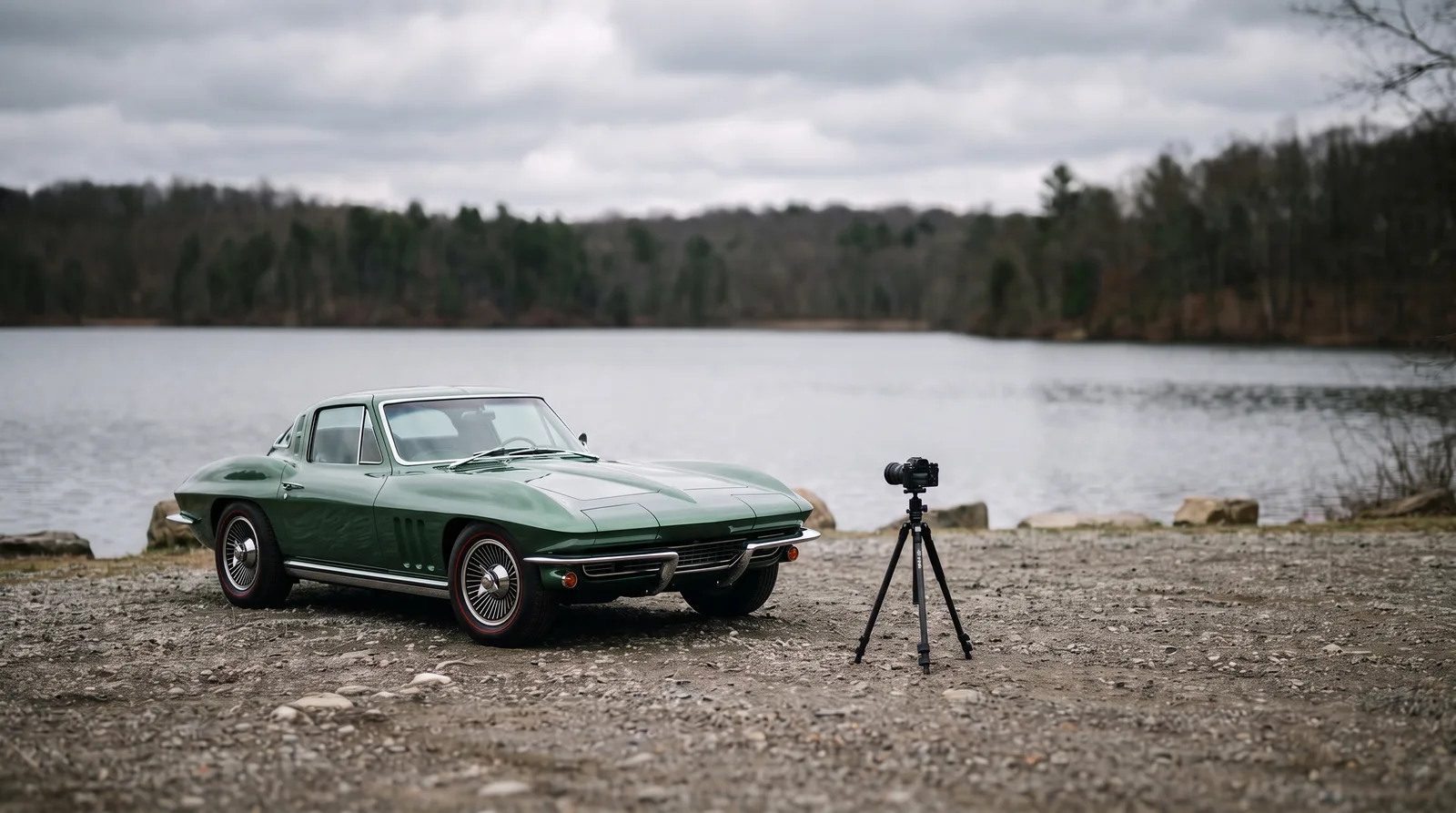
The photo mistakes in classic listings are consistent. Too few pictures. A lead photo taken in a dark garage. No engine bay, or an engine bay shot from six feet away. No underside. Interior shots that crop out the driver's seat bolster, the first place a buyer looks for wear. And the most damaging one: no photo of the flaw the description mentions.
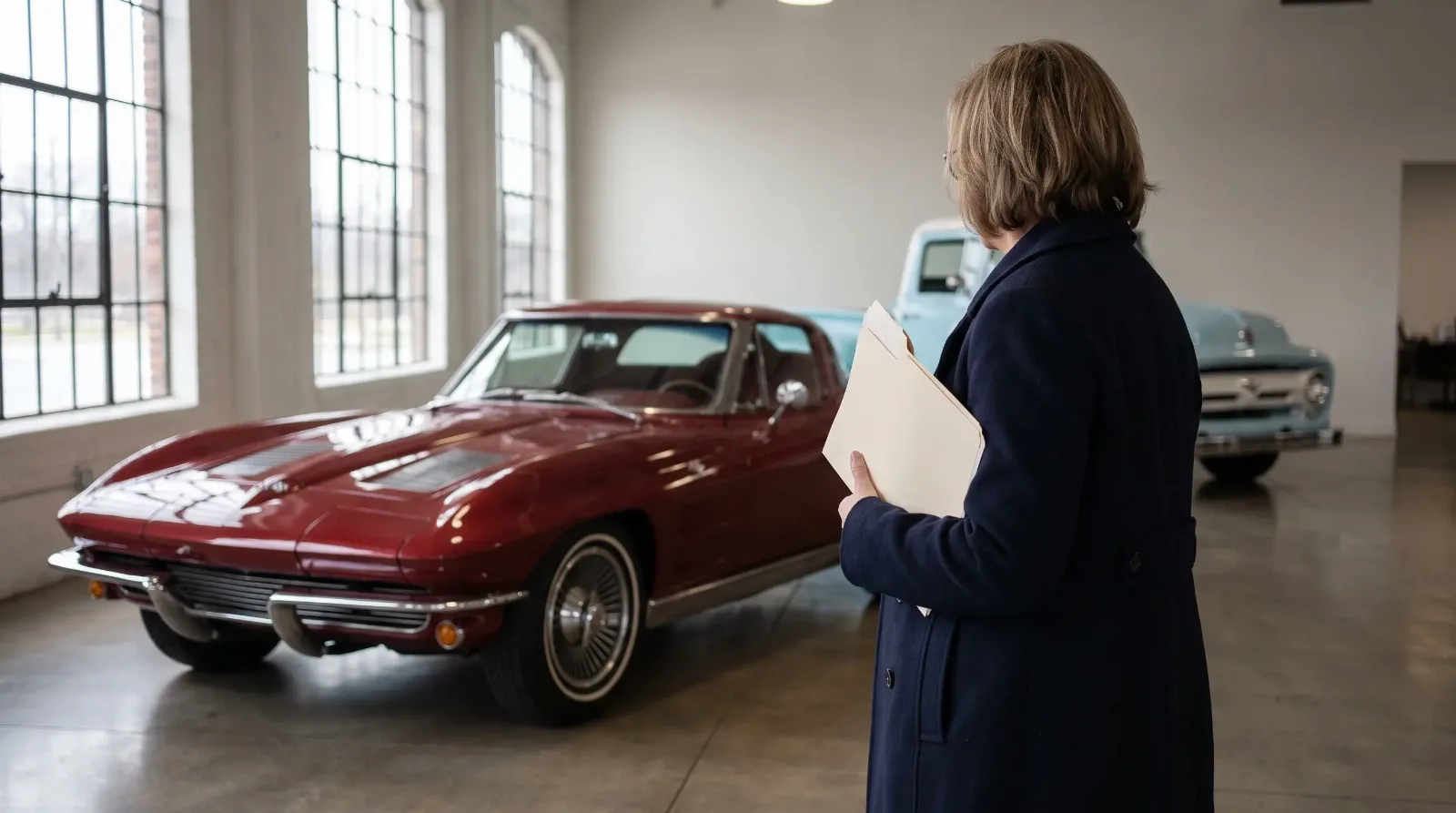
A buyer reads a missing photo as a missing answer and fills the gap with the worst plausible case. If the rockers are not shown, the buyer assumes rust. If the trunk floor is not shown, the buyer assumes patches. Show the VIN plate and data tag, the documents in the folder, and every flaw you have written about. A close-up of a dent you already disclosed is evidence that the rest of the description can be trusted.
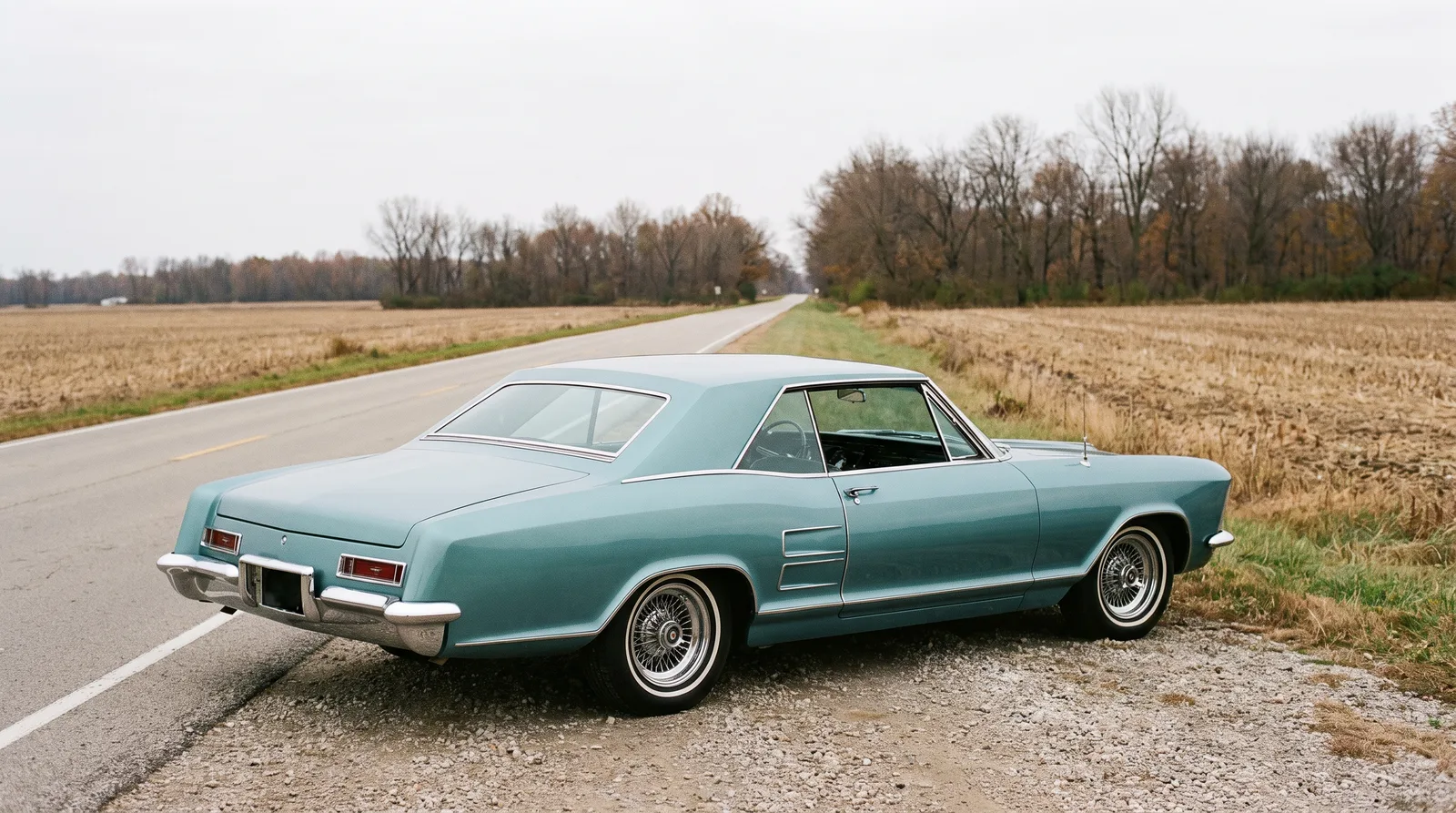
Order matters as well. If the first frames are a detail of a hood ornament and a shot of the tires, a buyer scrolling on a phone may never reach the photos that answer the real questions. Lead with the whole car, then work through the shots in the order an inspector would.
When the tone works against the car
Some mistakes are not about facts. They are about the seller. "No lowballers." "I know what I have." "Tire kickers will be ignored." "Price is firm, don't waste my time." Each line is meant to screen out bad buyers. In practice it screens out good ones, because a serious buyer reads it as a seller who will be difficult at the inspection, difficult with the paperwork, and difficult when something unexpected turns up.
All capitals, one unbroken paragraph, and a description lifted from a different car's ad send similar signals. So does a mismatch between words and price: a listing that calls the car "a driver with some needs" and prices it like a show winner tells buyers the seller has not looked at the market. Plain, specific sentences in a calm tone do more to discourage time-wasters than any warning, because the people who read carefully are the people who buy.
| Mistake | What the buyer concludes | The fix |
|---|---|---|
| "Numbers matching" with no stamping photos | Unverified, probably not | Photograph the stampings or drop the claim |
| "Rare" with no source | The seller is inflating | Cite the registry, build sheet or production record |
| No title status | A paperwork problem | State title status in the first lines |
| Mileage stated as fact without records | The odometer may have rolled | Say how you know, or write "actual unknown" |
| No underside or trunk photos | Hidden rust or repairs | Shoot both, flaws included |
| "No lowballers," "I know what I have" | A difficult seller | Remove it and let the facts carry the price |
| Flaw described but not photographed | Worse than described | Add a close-up of every disclosed flaw |
"A claim without a document is an invitation to argue. A document without a claim is better. The buyer finds the fact on their own, and trusts it more because you let them."
Tom Ramirez
Fixing a listing that is already live
If your car has been listed for a while and the response has been thin, read the ad as a stranger would. Better, hand it to someone who does not know the car and ask what they would want to know before driving two hours to see it. Their questions are your edits.
Correct the claims first, because those carry reputational weight and sometimes legal weight as well as sales weight. Then fill in the missing facts, add the photos that were absent, and strip out the defensive lines. Reconsider the lead photo last, since it decides whether anyone opens the listing at all. A corrected ad deserves to be treated as a new one, with a fresh first impression for the buyers who passed the first time, and here's how that works in practice.
None of this requires a better car. It requires an ad that tells the truth about the car you have, with the evidence attached. More often than not, that is what was missing.
Sources and notes
- 49 CFR 580.17: Exemptions (Cornell LII) (model year 2010 and older exempt from odometer disclosure)
- Hamtramck Historical: What numbers matching means
- Hagerty: What does a car's condition really look like? (condition tiers, and why a price must match the description)
- FTC: Buying a used car (buyers are told to get history reports and independent inspections)
- NMVTIS: National Motor Vehicle Title Information System (title history checks buyers can run)
- AutoTrader.ca: How to photograph your used car for sale (show dings, scratches and rust in the photos)
Related Reading
Have a
Classic Car
for Sale?
Reach thousands of serious classic car collectors across the US.
Sell It Here →
Selling a classic? Here's how: where to sell your classic car online
Are You a Classic Car Dealer?
List your full inventory and connect with targeted classic car buyers.
Join as a Dealer →
#numbers matching
#selling tips
#sell a classic car
#classic car listing tips
#classic car photos
#car listing mistakes

About the author
Tom Ramirez
Corvette researcher and historian based in Bowling Green, Kentucky. Two decades documenting Corvette production history from original factory records.
Comments (2)
F
first_classic_noah
2 weeks ago
Reading this from the buyer side and getting nervous. I'm looking at a 1966 F-100 about three hours away, priced under my $20,000 budget. The ad says mileage shown, actual unknown, which I now understand is the honest version, and the title is still in the seller's late father's name with what he calls probate paperwork. Do people walk away from that, or is it normal for old trucks? Would it be dumb to drive three hours before the title situation is sorted? And is it fair to ask him to photograph the frame and floors first, since there are none in the ad? I keep worrying I'll miss something obvious.
C
Carol Hendricks
6 days ago
Tip from the real estate side: the first photo sells the showing. Nobody tours a house whose listing opens on the doorknob (or buys a car whose ad opens on the hood ornament). Lead with the whole car.