
Ask most buyers about big-block Chevelles and the conversation goes straight to the 454. That's understandable given the LS6's reputation, but it skips over an engine option that was, for the years it was actually available in a Chevelle, arguably the harder car to build and the harder car to find today: the L78, a 396 cubic inch big-block with solid lifters, factory-rated at 375 horsepower. The 454 gets the headlines. The L78 gets the informed buyers.
Market & Values
6 min read
The L78 396 Solid-Lifter SS: A Rare Factory Option
The L78 375hp solid-lifter 396 was rarer and harder to live with than other Chevelle big-blocks. Here's why documented examples still trade under LS6 money.
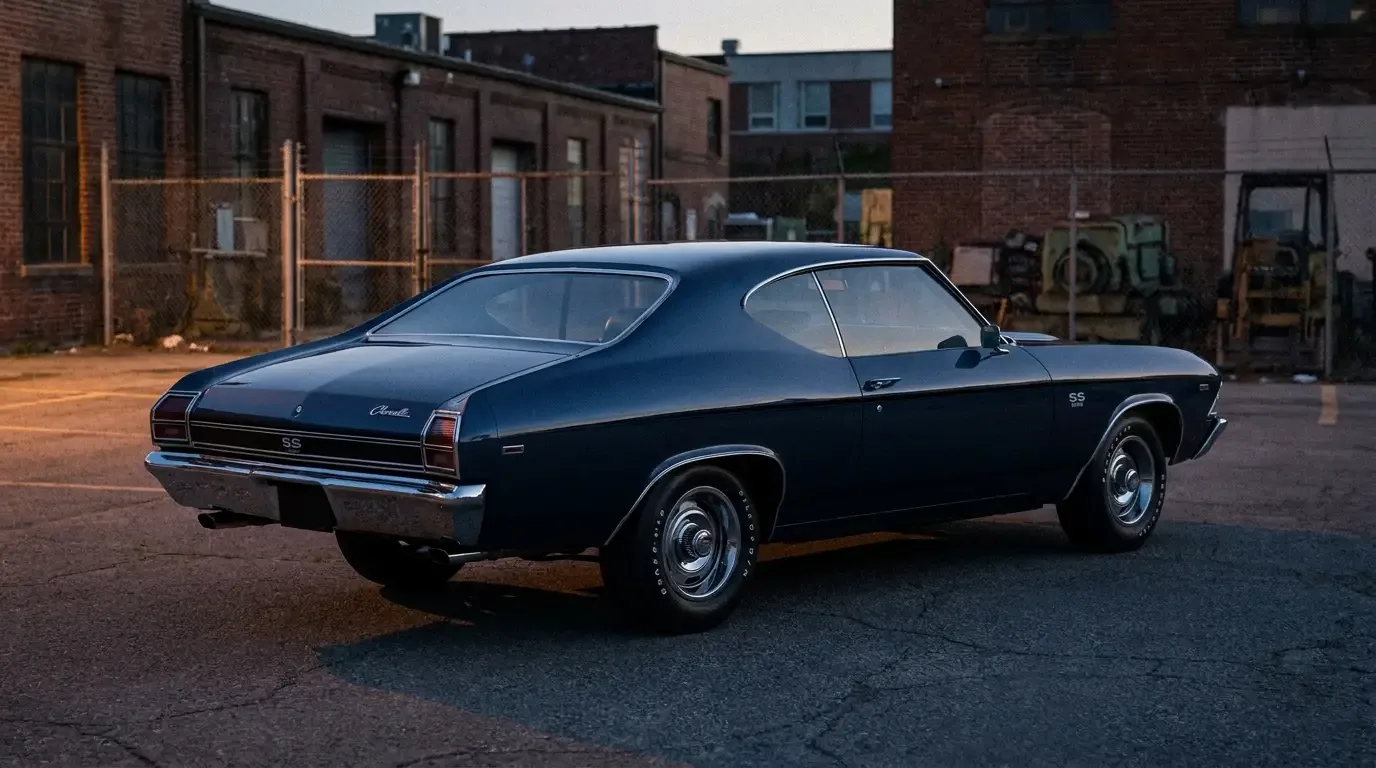
I look at these deals from the investment side, and the L78 396 is one of the clearer cases where rarity and market recognition haven't fully converged yet, which is exactly the kind of gap worth understanding before it closes.
What made the L78 different from other 396 options
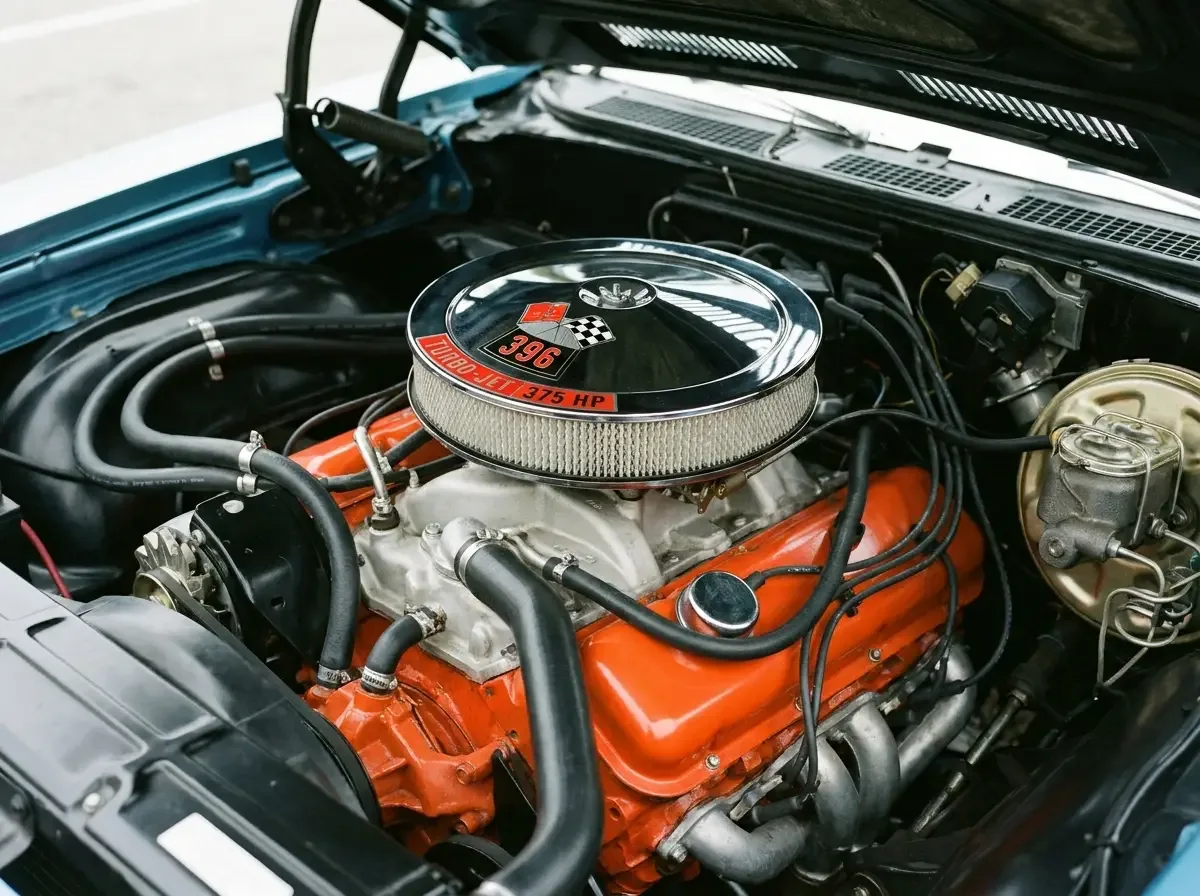
Chevrolet offered the 396 across a spread of states of tune through the Chevelle's big-block years, with the L35 and L34 covering the hydraulic-lifter, lower-compression, easier-to-live-with end of the range. The L78 sat above them as the solid-lifter, high-compression performance version, rated at 375 horsepower, and it demanded more from an owner in return: mandatory valve lash adjustments, a stiffer ride from the accompanying suspension and cooling package, and premium fuel to avoid detonation. It was not the engine Chevrolet expected most Chevelle buyers to daily drive, and the take rate reflects that. The L78 ran in the Chevelle from 1966 through 1970, and total production across those five years came to roughly 20,092 units: about 3,099 in 1966, 612 in 1967, 4,751 in 1968, a peak of 9,486 in 1969, and 2,144 in 1970 as the LS6 454 took over the top of the lineup.
The solid-lifter valvetrain is the detail that separates the L78 from the rest of the 396 lineup in a way that matters beyond the horsepower number. Solid lifters mean a mechanical valvetrain that holds a higher redline and tolerates more aggressive cam timing than a hydraulic-lifter big-block, at the cost of routine maintenance most casual owners in period simply didn't want to deal with. That tradeoff is exactly why the option sold in smaller numbers than the milder 396 combinations, and why documented survivors carry weight now.
| 396 option | Lifter type | Factory rating | Market position today |
|---|---|---|---|
| L35 | Hydraulic | 325 hp | Entry-level big-block Chevelle |
| L34 | Hydraulic | 350 hp | Mid-tier, common at shows |
| L78 | Solid | 375 hp | Scarcer, growing recognition |
Reading the auction data on L78 Chevelles
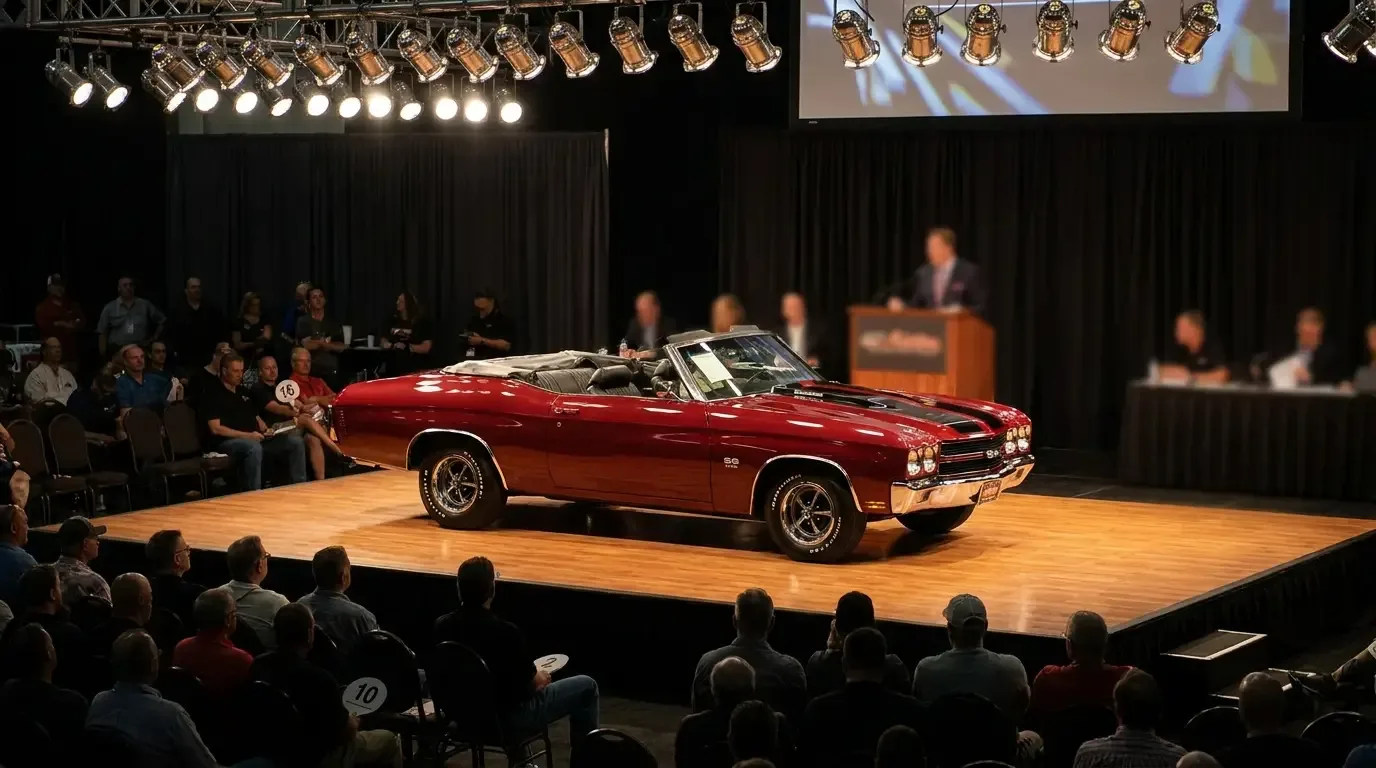
The auction record on L78 Chevelles is thinner than on LS6 454 cars simply because fewer come to market in a given season, and that thinness cuts both ways for a buyer. It means less price discovery, which creates opportunity when a documented example comes up without a big pre-sale marketing push behind it, but it also means comps are harder to lean on with confidence. When I'm evaluating an L78 at auction, I weight documentation more heavily than I would on a 454 car precisely because the smaller comp pool makes an undocumented "believed to be L78" claim riskier to price against. A build sheet or a factory invoice confirming the RPO code moves a car meaningfully versus a seller's verbal representation, more than the documentation premium tends to run on the higher-volume LS5 and LS6 cars where more comparable sales exist to sanity check a claim either way.
Why the gap with 454 pricing exists, and whether it should
Part of the pricing gap between L78 396 and LS6 454 Chevelles is simple and defensible: peak horsepower and displacement carry real weight with collectors, and the LS6's factory rating gives it a marketing story the L78 can't match on paper. But part of the gap is just recognition lag. The 454 got the bigger number and the bigger reputation in car magazines at the time, and that reputation compounds over decades into auction premiums that outrun the actual rarity difference between the two engines in a given model year. A driver-quality L78 currently trades well under a comparable driver-quality LS6, a gap that looks wide relative to how much scarcer the L78 actually is once you account for production volume across the years each was offered.
🔧 Inspection Priorities
- Confirm the RPO code against a build sheet or factory invoice. L78 claims without documentation are common and unreliable on their own.
- Check for solid-lifter valvetrain evidence during a mechanical inspection. A rebuilt engine claiming L78 spec should show the correct cam and valvetrain hardware, not a hydraulic-lifter substitution.
- Verify casting numbers on the block match the correct big-block family and displacement. Numbers-matching claims are exactly where L78 fraud shows up most often.
- Price against L78 comps specifically, not 454 comps. The two markets move differently and blending them misprices the car.
"The L78 is the kind of option where the fundamentals argue for a higher price than the market currently pays. Fewer built, more demanding to own from new, and a genuine performance credential that doesn't need the 454's marquee number to back it up. That gap tends to close eventually. It just hasn't closed yet."
David Mercer
What this means for buying versus holding
For a buyer thinking about this as a driver first and an investment second, the L78's demands are worth being honest about. The valvetrain wants attention a hydraulic-lifter big-block doesn't, the compression wants better fuel than a corner gas station reliably sells, and the car overall rewards an owner who actually enjoys the mechanical side of ownership rather than one looking for a set-it-and-forget-it classic. That's not a knock on the option. It's the same tradeoff the original buyer made in 1968 or 1969, and it's part of why the L78 still reads as a driver's engine rather than a trophy engine even among Chevelle people who know exactly what it is. For someone weighing an L78 against an LS6 purely on projected appreciation, my view is straightforward: buy the one you'll actually drive and maintain properly, because a neglected solid-lifter big-block loses value faster than a neglected hydraulic one, and the documentation premium only holds up if the mechanical condition backs it up.
The L78 story fits into the broader pattern running through Chevelle's collector world, where genuine rarity and market recognition don't always move together. If you're shopping this option specifically, you can browse L78-equipped Chevelles and weigh documented examples against the LS6 money sitting one step up. And if rarity itself is the thing you're trying to get a handle on across the whole Chevelle line, next: The Rarest Chevelles Ever Built is the place to go next.
Sources and notes
Related Reading
Have a
Chevrolet Chevelle
for Sale?
Reach thousands of serious classic car collectors across the US.
Sell It Here →
Are You a Classic Car Dealer?
List your full inventory and connect with targeted classic car buyers.
Join as a Dealer →
#l78 396
#solid lifter engine
#chevelle ss
#big block Chevelle
#muscle car auction values
#Chevelle 396

About the author
David Mercer
Classic car market analyst with two decades of experience tracking collector car valuations, auction results, and investment trends.
Related Listings - Chevrolet Chevelle

Comments
Be the first to comment on this article.