
A #2 condition SS454 and a #2 condition Heavy Chevy can share the same frame, the same options list minus the badging, and a price gap wide enough to buy a second car with the difference. That gap is not really about performance. It's about a name, and names are exactly the kind of thing an appraisal has to look past to find out what a car is actually worth.
Market & Values
6 min read
The Heavy Chevy: An Overlooked Collectible
Why the 1971-72 Heavy Chevy Malibu package was overlooked in period and why documented big-block examples are gaining collector attention now.
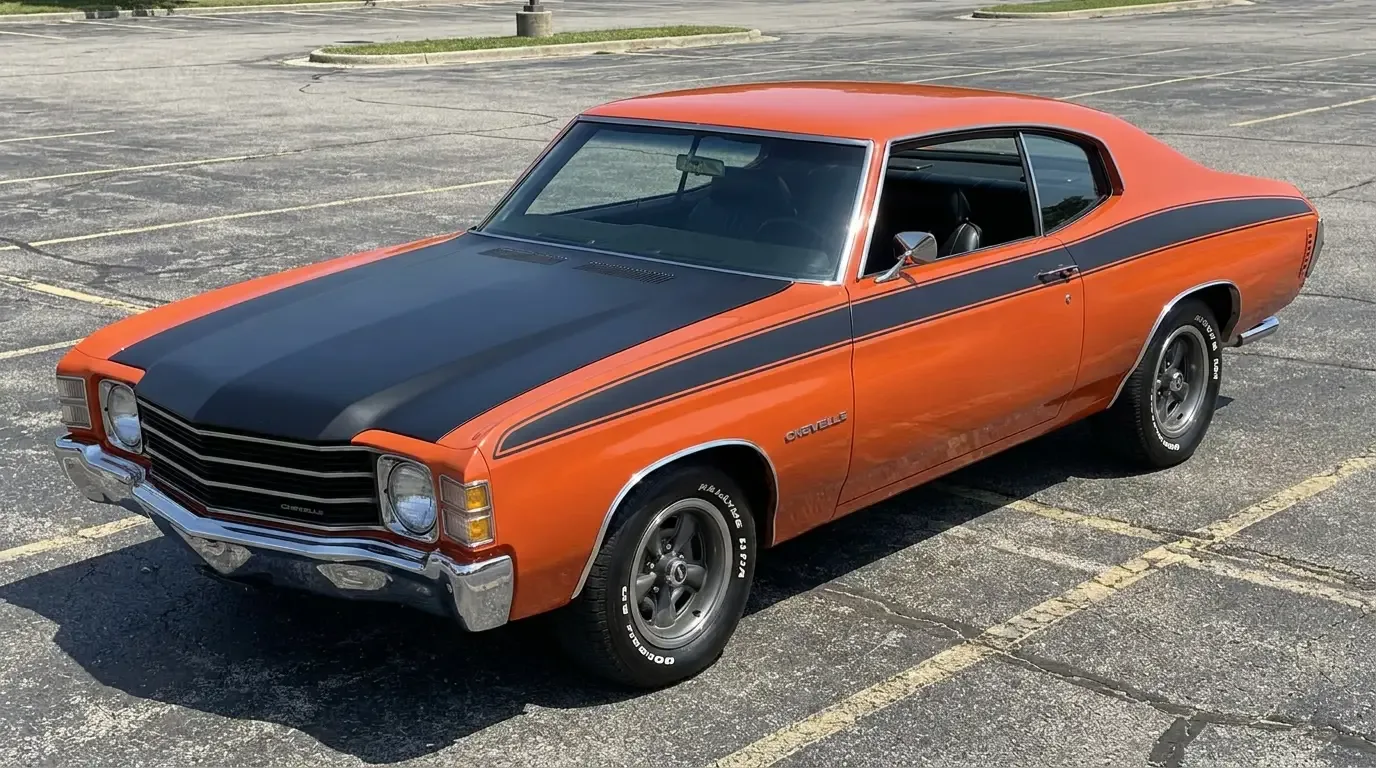
The Heavy Chevy is one of the clearer cases in the muscle car market of a factory package that got buried by its own timing and its own marketing, and it is worth understanding both why it was overlooked in period and why that history is starting to work in its favor now.
What the Heavy Chevy actually was
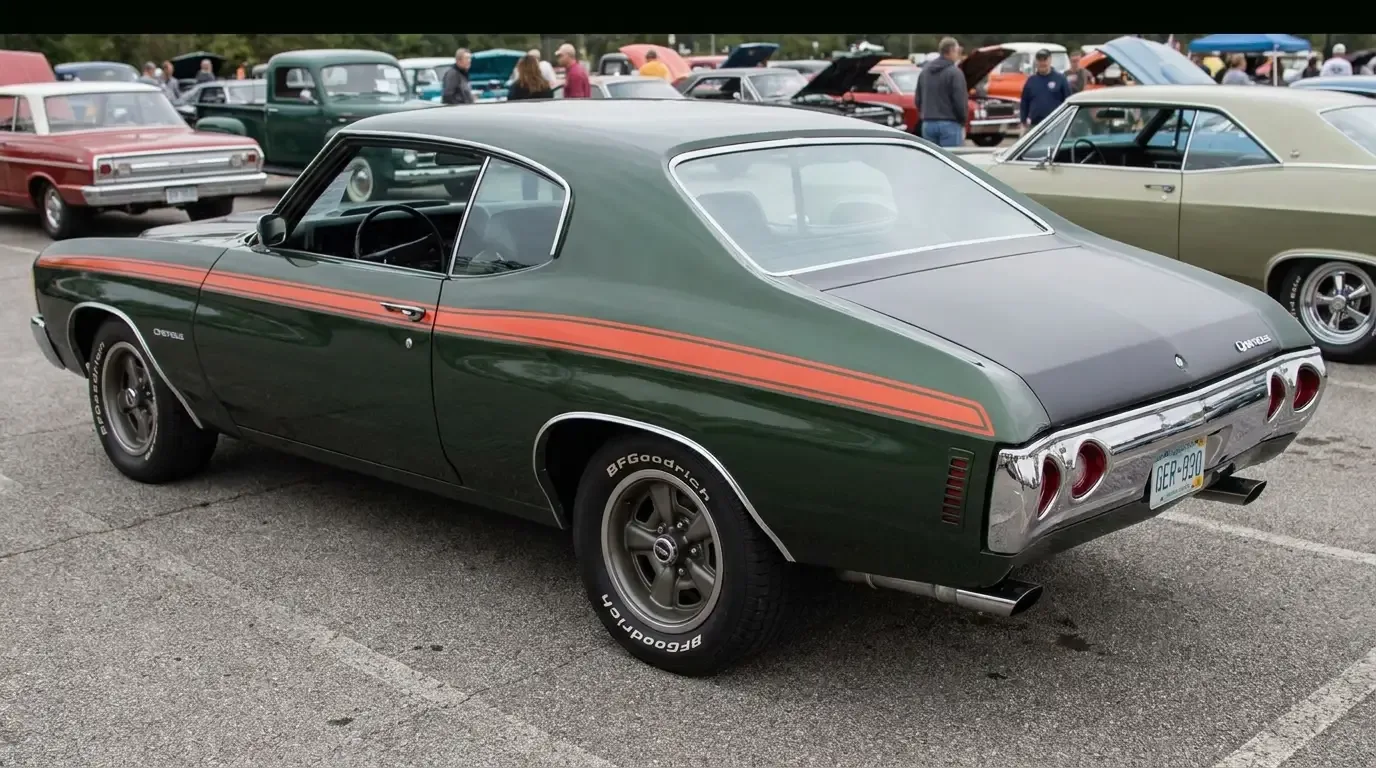
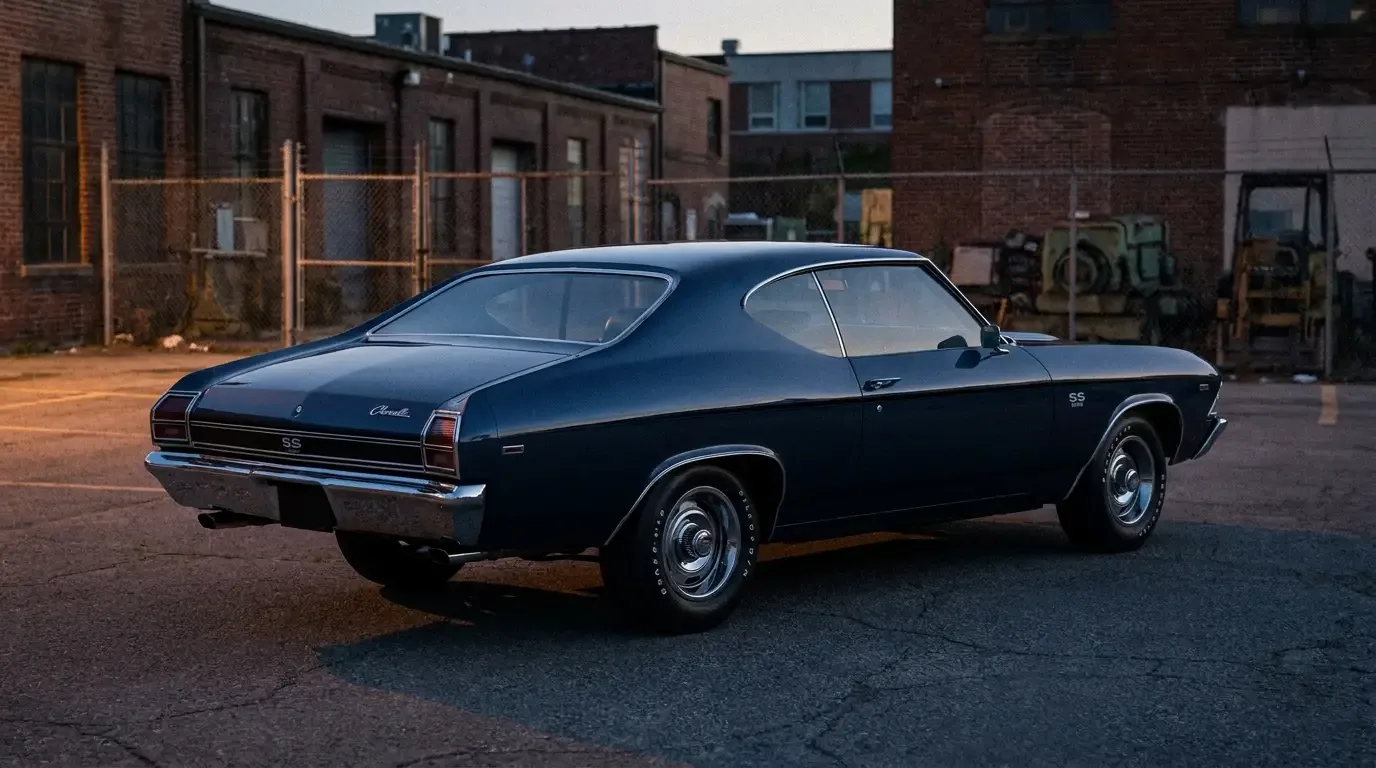
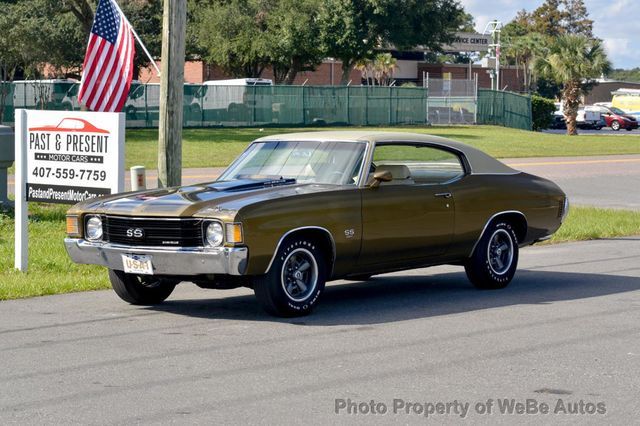
Chevrolet introduced the Heavy Chevy appearance and handling package for 1971, continuing it into 1972, at the exact moment the SS package was losing its identity to insurance surcharges and shrinking engine options. The package carried RPO code YF3 and was built on the base Chevelle Sport Coupe, not the Malibu and never as a separate model, which is itself a telling detail: Chevrolet was deliberately selling SS-adjacent looks one rung below where the SS badge lived. It delivered the look of a performance car, blacked-out hood, bold graphics, styled wheels, dual exhaust tips, without requiring the buyer to check every box the SS did or pay the SS insurance rate. Production ran to roughly 6,727 cars for 1971 and about 9,508 for 1972, modest numbers next to Chevelle's overall output those years.
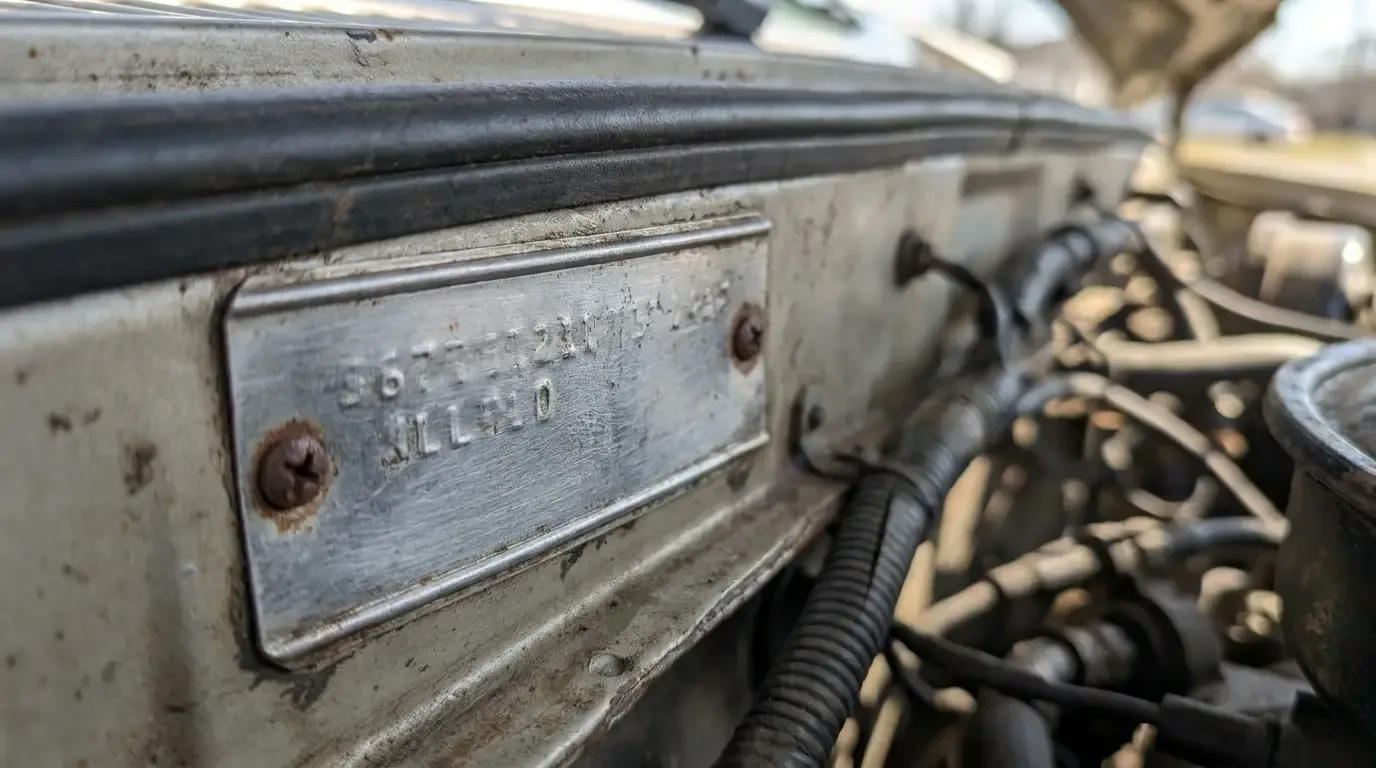
Where the package gets misunderstood is the engine question. The Heavy Chevy was small-block only, standard 307 with a two-barrel carburetor and optional 350s in two-barrel (L65) or four-barrel (L48) form. Chevrolet deliberately kept the 454 off the order sheet for this package, protecting the SS454 as the division's top performance offering rather than letting a cheaper Malibu-adjacent car undercut it. That means there is no factory big-block Heavy Chevy to go chasing, documented or otherwise, and any car represented that way is either misdescribed or has had work done to it after it left the factory. A Heavy Chevy with the milder 307 looked nearly identical from the curb to one with the 350 L48, which is precisely what made it confusing to buyers in period. That ambiguity, which hurt the package's identity when new, is now part of what makes a documented 350 L48 Heavy Chevy an interesting proposition within the small-block-only field it actually occupies, and finding out which engine you're looking at requires exactly the kind of paperwork check I'd run on any car before I'd sign off on a number.
| Factor | Heavy Chevy | Comparable SS454 |
|---|---|---|
| Base model | Base Chevelle Sport Coupe with appearance package (RPO YF3) | Chevelle SS with performance package |
| Years offered | 1971 to 1972 | 1970 to 1972 (454 availability) |
| Engine range | Small-block only: 307 2-bbl, 350 2-bbl (L65), 350 4-bbl (L48); no six-cylinder, no big-block | 396/454 big-block focus |
| Production | About 6,727 (1971) plus about 9,508 (1972) | 5,333 SS454 Sport Coupes in 1972 alone |
| Collector recognition | Low, growing | Established, strong |
| #3 condition typical range | Well under comparable SS454 money, generally a fraction of a documented SS454's price | Roughly $75,000 to $90,000 for a driver-quality LS5/LS6 example as of recent auction results |
Why it got overlooked when it mattered
Timing worked against the Heavy Chevy from the start. It landed right as insurance companies were pricing muscle cars off the road for younger buyers, right as compression ratios were dropping to run on lower-octane fuel, and right as Chevrolet itself was quietly de-emphasizing the SS badge it had spent a decade building. A cosmetic package designed to give buyers the look of performance without the premium was, in a sense, exactly the wrong product to launch at exactly the moment collectors would later decide the era's cars mattered. It read as a consolation prize in 1971. Consolation prizes rarely get remembered kindly by the people who lived through the era they came from.
That perception carried forward for decades. Auction catalogs and price guides built their Chevelle hierarchies around SS396 and SS454 combinations, and the Heavy Chevy sat several rungs down, treated more like a Malibu with stickers than a package worth cataloging on its own terms.
What's changing the appraisal picture now
Two things are moving the Heavy Chevy up the list. First, the broader muscle car market has spent the last several years rewarding documented rarity over famous names, and low original survival numbers on the Heavy Chevy package, driven by low original take rates and decades of indifferent care, mean genuine examples are scarcer than their reputation suggests. Second, buyers priced out of SS454 territory are actively looking for a car that delivers period-correct performance-package presence without the premium, and a documented Heavy Chevy with the 350 L48 checks that box within its actual small-block ceiling.
None of that means treat every Heavy Chevy as a hidden SS. Condition, originality, and documentation still set the tier. A #2 or #3 example with build sheet confirmation of the 350 L48 is a different appraisal than a base 307 car wearing the same graphics. The package name alone tells you almost nothing about which engine is underneath, which is unusual for a muscle-era Chevelle and is exactly why this one requires more diligence than most, not less.
🔧 Inspection Priorities
- Confirm the actual engine against the build sheet, not the graphics package. Heavy Chevy badging tells you nothing about displacement on its own.
- Check for genuine period graphics versus reproduction decals applied later. Many surviving cars have had the stripe kit reapplied, which is fine if disclosed, a problem if represented as original.
- Verify the RPO codes against the correct model year. 1971 and 1972 content differed enough to matter for value.
- Weigh condition against scarcity, not against SS pricing. This is its own tier, not a discount SS.
"A Heavy Chevy with a documented 350 L48 and a clean paper trail isn't a cheap SS. It's a scarce car that the market hasn't finished repricing yet. The exposure for a buyer is thinner than people assume, because the downside is a genuinely rare Sport Coupe, not a worthless one."
Marcus Feld
The Heavy Chevy is a good reminder that the whole hierarchy of what makes a Chevelle worth chasing goes deeper than SS badges, which is exactly the ground covered in the rare Chevelle story and expanded on in the classic Chevelle story. If you want to see what's currently available, you can shop Heavy Chevy models and weigh a documented example against the SS money it sits quietly beside. From here, the natural next stop is a factory option that shares the same problem of being underrated relative to its actual rarity: next: The L78 396 Solid-Lifter SS.
Sources and notes
- '71-'72 Heavy Chevy, autoevolution
- 1971-1972 Chevrolet Chevelle Heavy Chevy: Specs and History, MotoGallery
- 1971 Chevrolet Chevelle Heavy Chevy, Hagerty Valuation Tools
- 1972 Chevrolet Chevelle Heavy Chevy, Hagerty Valuation Tools
- 1972 Chevrolet Chevelle SS-454/LS5, Classic.com
- Chevelle Engine Options for 1972, Chevy Hardcore
Related Reading
Have a
Chevrolet Chevelle
for Sale?
Reach thousands of serious classic car collectors across the US.
Sell It Here →
Are You a Classic Car Dealer?
List your full inventory and connect with targeted classic car buyers.
Join as a Dealer →
#1971 Chevelle
#1972 Chevelle
#Chevelle Malibu
#Heavy Chevy
#muscle car appraisal
#Chevelle collectibility

About the author
Marcus Feld
Accredited collector-car appraiser who reads the market through hammer prices, condition tiers and risk.
Related Listings - Chevrolet Chevelle

Comments
Be the first to comment on this article.