
Ask ten Chevelle owners which car in the family is the rarest and you will get ten different answers, most of them wrong for the same reason. People confuse low production with high value, and the two overlap less often than the auction hype suggests. A car can be genuinely scarce and still not move the needle at a sale, because scarcity alone is not what a buyer is paying for. Documentation is.
Market & Values
7 min read
The Rarest Chevelles Ever Built
From the 200-car 1965 Z16 to documented LS6 convertibles, here is what actually separates a genuinely rare Chevelle from a common SS396.
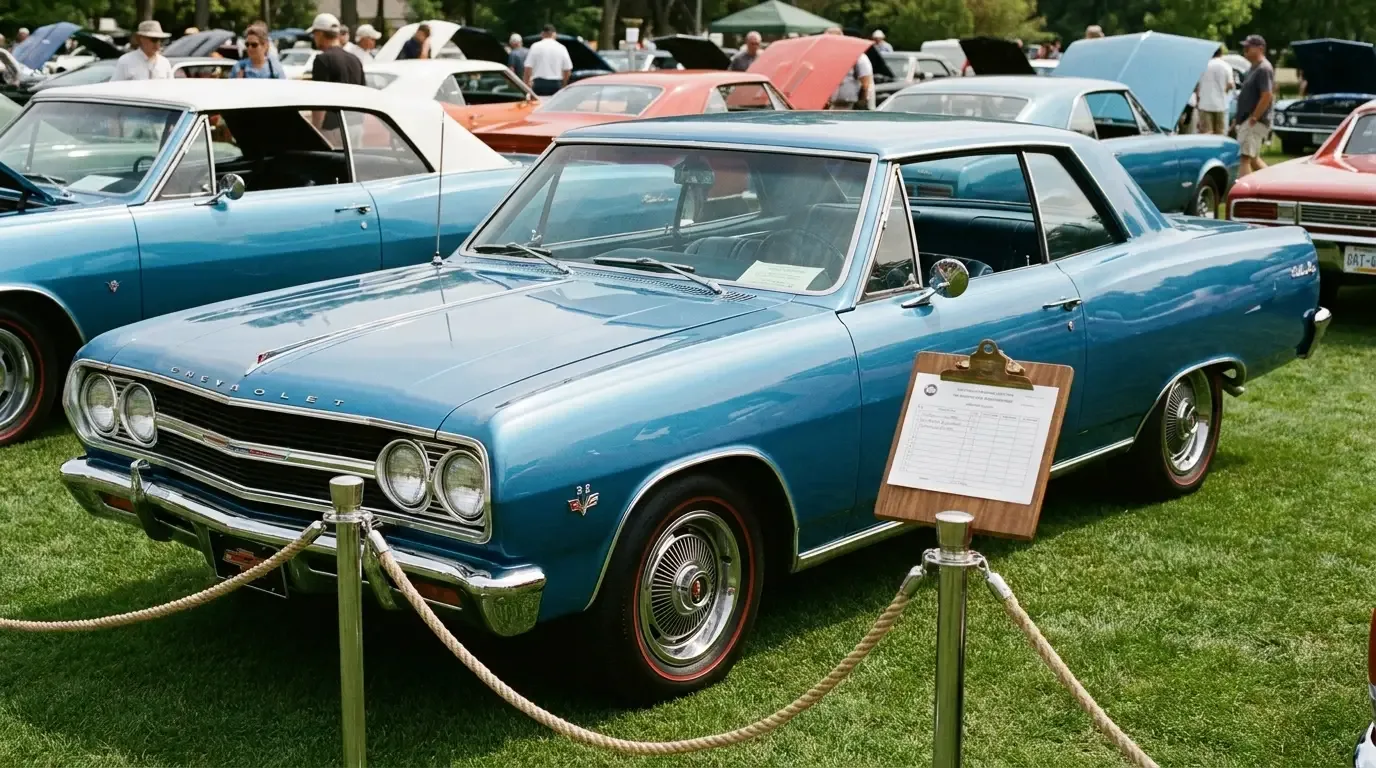
I have appraised enough factory-optioned Chevelles to know that rarity without paper is a story, not a number. What follows is a working list of the cars that earn the label honestly, ranked by what actually separates them from the thousands of garden-variety SS396s still floating around swap meets, plus a look at what documentation does to the number on the check.
What actually makes a Chevelle rare
Three factors stack on top of each other: how few left the factory with a given configuration, how many survive today in a condition that can be verified, and whether the paper trail confirms the car is what the seller says it is. A 1966 SS396 with a 360 hp L34 is not rare in the production sense, GM built tens of thousands of them, but a documented 1966 SS396 with the rare Muncie four-speed and factory air is a different animal because that specific combination was ordered by almost nobody. Rarity in this hobby is combinatorial. It is never just the model year.
Readers new to the category should start with the rare Chevelle story, which lays out how the collector market segments these cars before you get into individual case studies like this one.
The 1965 Z16, the first real outlier
The Z16 SS396 sits at the top of most serious lists, and for good reason. Chevrolet built 201 of them for the 1965 model year, a pilot program bolting a 375 hp L37 396 into a Malibu SS chassis reinforced to handle it, months before the 396 became a regular-production option. That figure breaks down to two engineering prototypes, 198 production coupes, and a single one-off convertible built for GM executive Semon "Bunkie" Knudsen to his own specification. That convertible was never sold to the public and is believed to have been destroyed, so there is no such thing as a Z16 convertible on the market today. A genuine, documented Z16 coupe is not a car you find at a regional swap meet. It is a car you find through the same three or four collectors who track them by chassis number.
The COPO and LS6 cars nobody could special-order casually
The 1969 COPO 9562 Chevelles, ordered through the Central Office Production Order system with the 427 L72 engine, totaled roughly 323 cars for the model year, with Yenko Chevrolet alone taking 99 of them, and registries today count somewhere around 66 known survivors. That is a population small enough that most serious researchers can name individual cars by chassis number. The 1970 SS454 LS6, while not COPO-restricted, saw genuine scarcity in convertible form. Chevrolet built 4,475 LS6 engines that year across every Chevelle and El Camino body style combined, and the company never published a body-style breakdown, but registry researchers who have tried to reconstruct the number put documented LS6 convertibles somewhere in the range of two to five dozen cars, not hundreds. Buyers chasing these cars would do well to shop rare Chevelle listings before assuming a car described as "LS6-optioned" actually carries factory paperwork to back the claim.
What I tell clients who come to me chasing one of these cars is that the population is smaller than the marketplace makes it look. Search results and dealer inventory pages will show you dozens of cars tagged "LS6" or "COPO" in the listing title, and a meaningful share of those are recreations, tribute builds, or cars where the description is aspirational rather than documented. That is not necessarily dishonest, plenty of sellers are simply repeating what they were told when they bought the car. It does mean a buyer has to treat every claim as unverified until the paperwork says otherwise.
The lower-profile rarities that don't get the same attention
Below the Z16, the COPO cars, and the LS6 convertibles sits a second tier that deserves more attention than it usually gets. The 1971 Heavy Chevy package, a low-cost muscle appearance option built during the early emissions-squeeze years, saw thin production because the market had already started shifting away from dedicated performance trim by the time it launched. The L78 396 solid-lifter option, offered across several model years before the big-block Chevelle lineup matured into the 454, is another case where a specific combination of engine code, transmission, and rear gear ratio produces genuine scarcity even though the base SS package itself was common. None of these cars carry the name recognition of a Z16 or an LS6 convertible, and that gap between recognition and actual rarity is often where a careful buyer finds the better value.
Documentation is the difference between rare and valuable
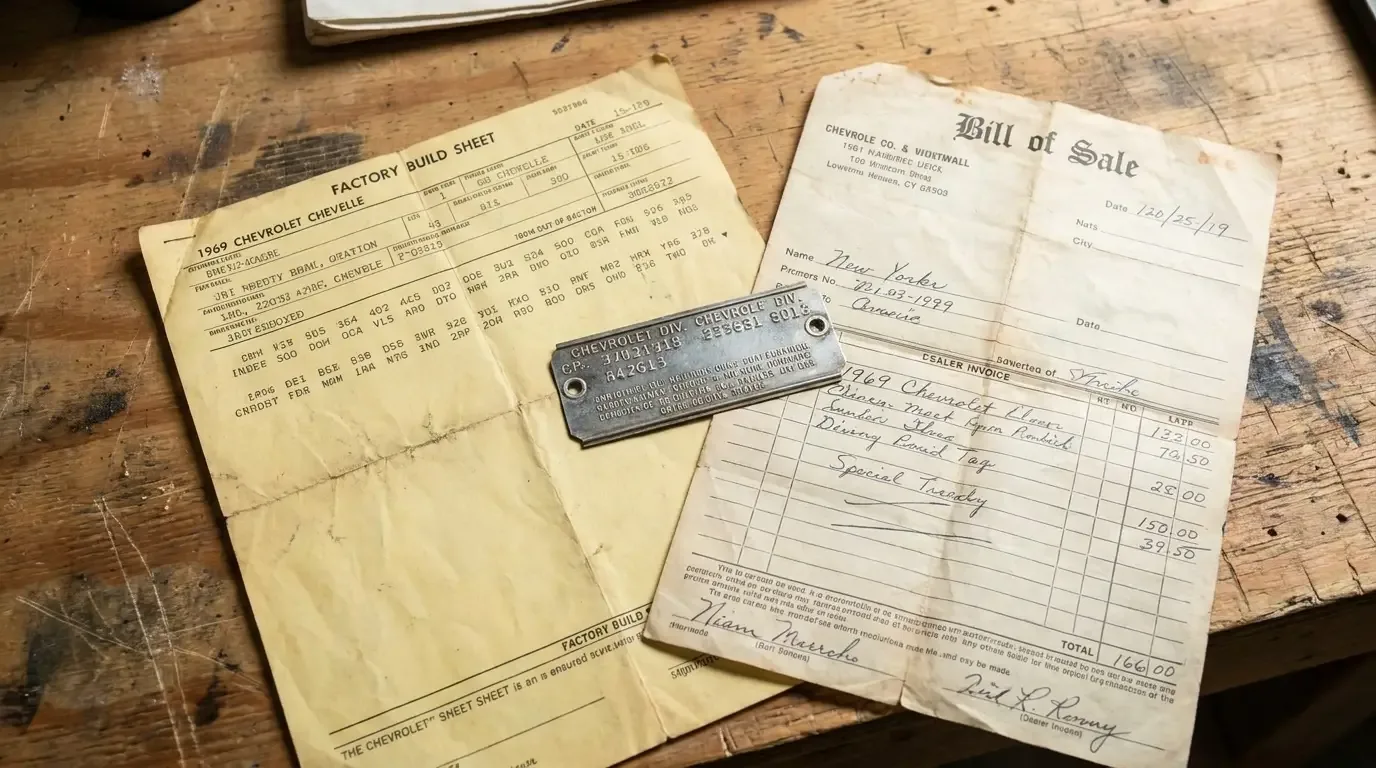
I have appraised cars with genuinely rare option combinations that landed in the #3 condition tier on price because the paper trail had gaps. I have also seen a #2 car with a complete build sheet, Protect-O-Plate, and dealer invoice bring meaningfully more than a nominally "nicer" car missing that documentation. A rare Chevelle without a build sheet is an assertion. A rare Chevelle with one is a fact, and the market prices facts higher than assertions every time. If you want the full arc of how the model line got here, the classic Chevelle story covers the generations that produced these outlier cars.
"A car described as rare and a car proven to be rare are not the same appraisal. One is a conversation starter. The other is a number I can defend to an insurance underwriter."
Marcus Feld
What this means for a buyer today
If you are chasing genuine rarity, budget for the research before you budget for the car. A trip to a registry, a VIN decode, a call to the previous owner if you can find them, all of it costs less than discovering after the purchase that the numbers do not match the story. The rarest Chevelles are not hiding in plain sight anymore. Most of the truly special ones have been found, documented, and are known quantities to the small community that tracks them. What is left for the rest of us is buying carefully within that reality.
My advice to a client evaluating a car marketed as rare is the same every time. Ask for the build sheet before you ask about the price. Ask which registry has recorded the car, if any exists for that specific model and option combination. Ask whether the current seller is the one who did the research, or whether the rarity claim was inherited from an earlier listing and never independently checked. A car that survives that process still carrying its rare designation is worth paying for. A car that can't answer those questions is a driver-quality Chevelle with an interesting story attached, and it should be priced accordingly, not as if the story were already proven.
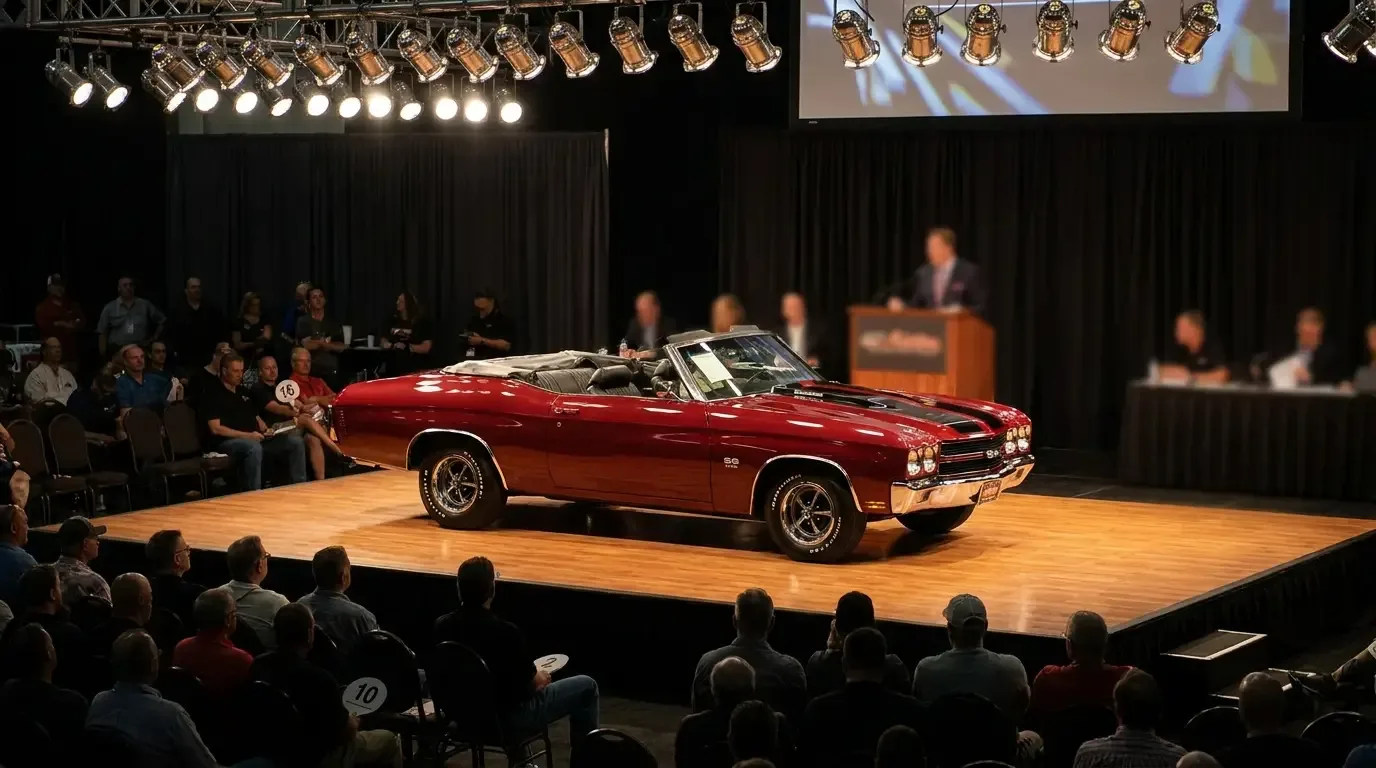
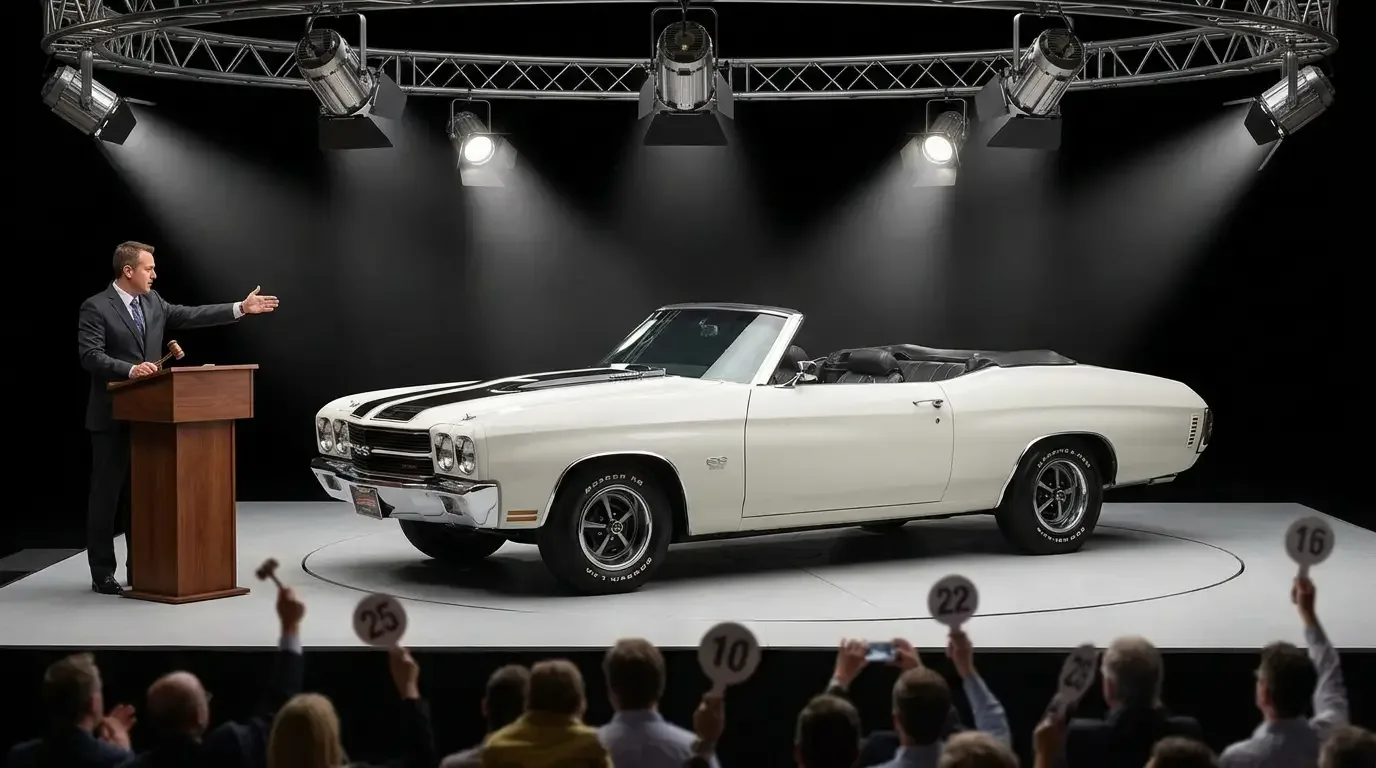
And reading next: The Most Expensive Chevelle Ever Sold at Auction is a good next step, because it shows exactly what happens to price when one of these documented cars actually crosses the block, and how far the number moves once every piece of paperwork lines up.
Sources and notes
- Curbside Classic, 1965 Chevelle SS396 Z16: 201 Built
- Mac's Motor City Garage: Birth of the Big-Block Chevelle: The 1965 Z16
- ChevelleStuff.net, 1969 Chevelle COPO Information
- Street Muscle: Rare Rides: The 1969 Chevy Chevelle COPO L72
- Team Chevelle forum: How Many LS6 Convertibles?
- ChevyWorld.net: LS5/LS6 Production Numbers
Related Reading
Have a
Chevrolet Chevelle
for Sale?
Reach thousands of serious classic car collectors across the US.
Sell It Here →
Are You a Classic Car Dealer?
List your full inventory and connect with targeted classic car buyers.
Join as a Dealer →

About the author
Marcus Feld
Accredited collector-car appraiser who reads the market through hammer prices, condition tiers and risk.
Related Listings - Chevrolet Chevelle

Comments
Be the first to comment on this article.