
Ask ten people what makes a classic muscle car value and you will get ten different answers. Most of them are half right. The truth is that a muscle car's price is built from a short list of factors that show up over and over in the auction data, and once you learn to read them, the market stops looking random. A 1970 Chevelle with the right engine and paperwork can bring five or six times what a visually identical car with the wrong drivetrain brings. Same body. Same year. Wildly different check. That gap is the whole game.
Market & Values
6 min read
What Makes a Muscle Car Valuable
What actually sets a classic muscle car value: drivetrain rarity, documentation, matching numbers, condition tiers, options, and market timing explained.
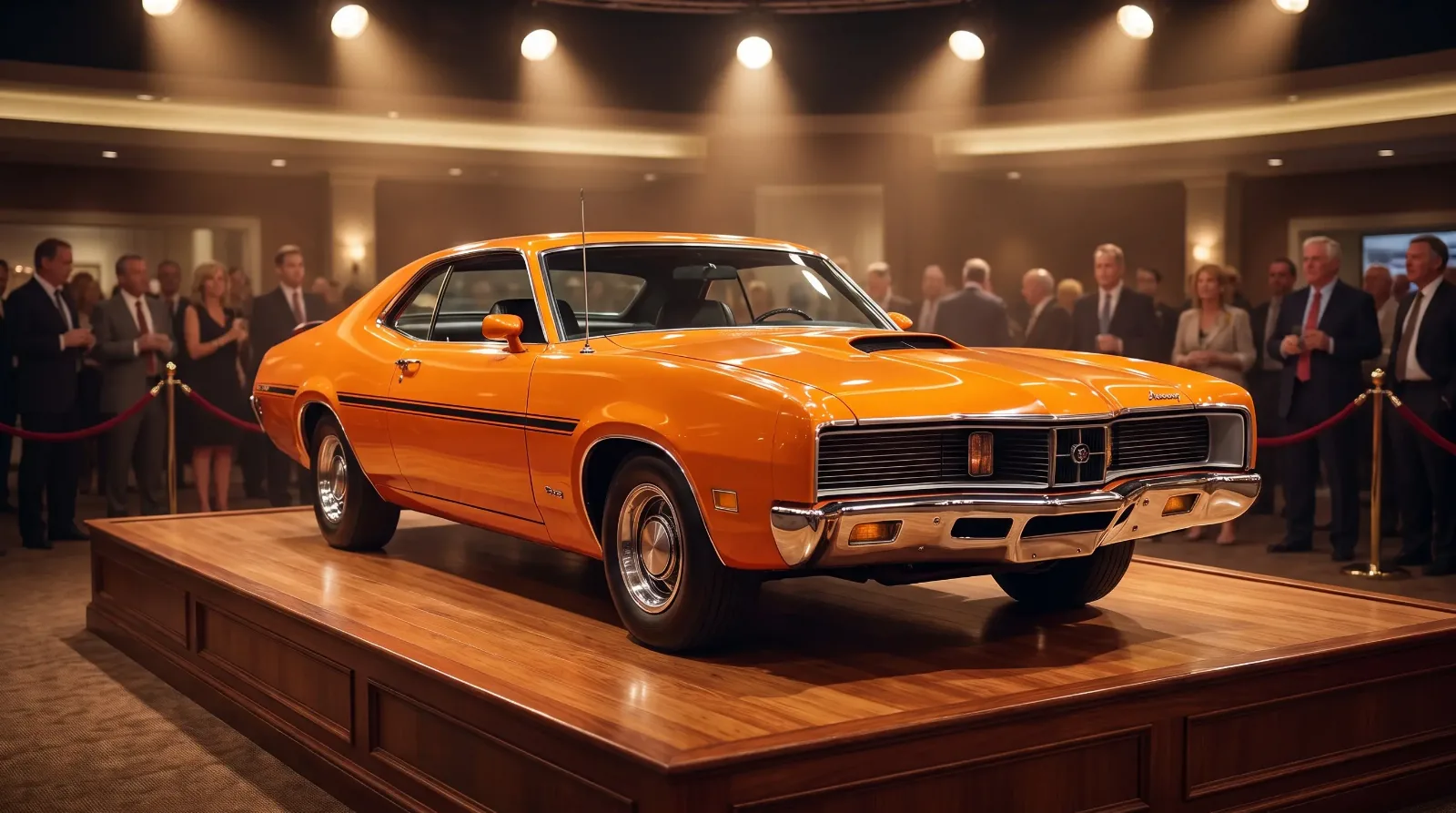
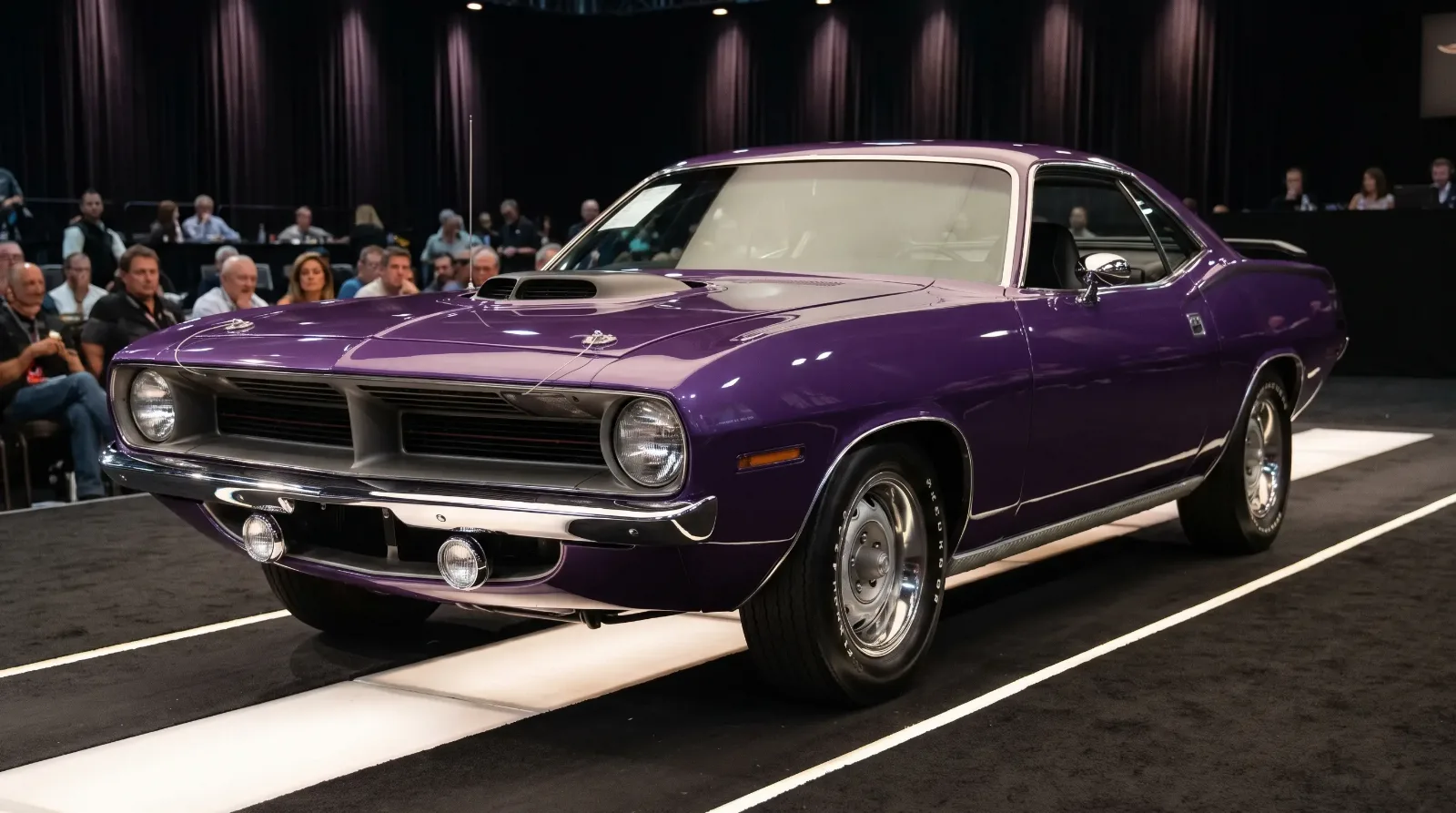
I have spent two decades watching these cars cross the block at Scottsdale, Kissimmee, and Monterey, and the pattern holds. Value is not one thing. It is a stack of things that either line up or they don't. If you want the deeper framing, I laid out the muscle car values story separately, but the core drivers are worth walking through one at a time.
Rarity and the drivetrain that came in it
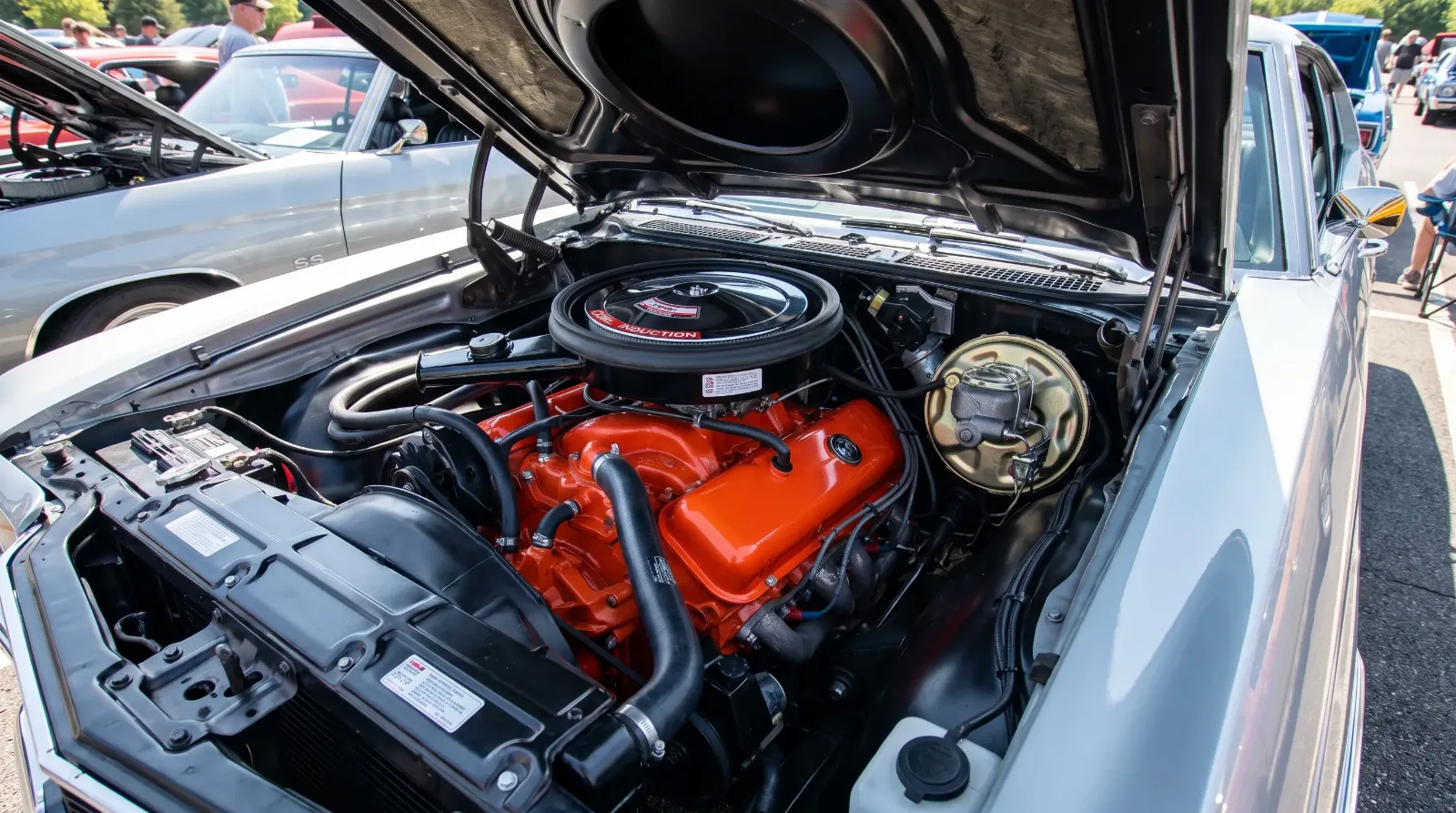
The single biggest lever is what left the factory under the hood. A base 1970 Chevelle with a small block is a nice car. The same shell fitted with the LS6 454, rated at 450 horsepower, is a different financial animal entirely. Buyers pay for the top engine option because relatively few were built and because that engine is the reason the model earned its reputation. The Hemi cars from Mopar work the same way. A 1971 Hemi Cuda is worth a fortune next to a 340 car, and both wore the same graceful body.
Rarity by itself is not enough, though. A car has to be rare and desirable. There are plenty of oddball low-production trim combinations nobody chases. What moves money is scarcity attached to performance, a famous engine, or a one-year styling change. If you want to see how far this goes, the genuinely scarce cars covered in read the full story command numbers that make the common muscle look cheap.
Documentation and matching numbers
Here is where a lot of money is won and lost. Two cars can look identical in photos. One has a build sheet, the original window sticker, a Protect-O-Plate, and an engine block whose casting and stamped numbers match the VIN. The other has a good story. The documented car can be worth double, sometimes more, and the reason is simple. Documentation removes doubt, and doubt is expensive when you are writing a large check.
Matching numbers means the major components, block, heads, transmission, and sometimes the rear, carry the codes they should for that specific car. A numbers-matching engine is not just a bragging point. It is the difference between a car that appraises as authentic and one that gets discounted as a restoration with a replacement drivetrain. When I evaluate a car, paperwork is the first thing I ask about, before I ever look at the paint.
Condition, restoration quality, and originality
Condition drives value, but not in a straight line. The collector market sorts cars into rough tiers, and each step up costs real money. A tired driver that runs and stops sits at the bottom. A clean older restoration sits in the middle. A concours-level car with correct finishes, date-coded parts, and a fresh rotisserie restoration sits at the top. The table below shows how those tiers typically spread on a desirable big-block car.
| Condition tier | What it means | Relative value |
|---|---|---|
| Project / driver | Runs, needs work, older paint, some incorrect parts | Baseline |
| Solid driver | Presentable, sorted mechanically, minor flaws | 1.5x–2x baseline |
| Show-quality restoration | Correct finishes, strong paint, documented | 3x–4x baseline |
| Concours / survivor | Best in class or unrestored original | 5x+ baseline |
Original survivor cars are their own category. A well-preserved unrestored example can beat a fresh restoration, because you can restore a car but you can never make it original again. That premium is real, though it only applies when the originality is genuine and documented.
Options, color, and the market's mood
The small stuff adds up. A four-speed manual usually beats an automatic on a performance car. Factory air, bucket seats, a cowl-induction hood, or a rare paint code can each nudge the number. Some colors carry a premium and some kill value, and it shifts by model. None of these individually make a car, but stack three or four desirable options on a rare drivetrain with paperwork and you have built the car everyone at the auction wants.
Then there is timing. The muscle market breathes. It ran hot in the mid-2000s, cooled after 2008, and the blue-chip cars have climbed again in recent years while the middle of the market has been choppier. The demographic that grew up with these cars still drives demand, and that matters for where prices go next. Muscle did not appear in a vacuum, and if you want context on how American muscle happened, the era explains why certain names command loyalty today.
"Value in this market is condition plus documentation plus rarity plus liquidity. Pull one leg out and the number wobbles. A rare car with no paper is just an expensive argument."
David Mercer
How to use this when you buy
Put the pieces together in order. Start with the drivetrain and rarity, because that sets the ceiling. Then demand documentation, because that decides whether you reach the ceiling or take a discount. Judge condition honestly against the tier you actually want, not the one the seller is describing. Weigh the options and color last, as tiebreakers between comparable cars. Do that and you will stop overpaying for a good-looking car that is thin on substance, and you will recognize the sleeper that is priced like a driver but documents like a show car.
The muscle market rewards buyers who do the homework and punishes the ones who fall for paint. If you are ready to compare real cars against these standards, discover current muscle car listings and read each one through this framework before you make an offer.
Related Reading
Have a
Classic Car
for Sale?
Reach thousands of serious classic car collectors across the US.
Sell It Here →
Are You a Classic Car Dealer?
List your full inventory and connect with targeted classic car buyers.
Join as a Dealer →

About the author
David Mercer
Classic car market analyst with two decades of experience tracking collector car valuations, auction results, and investment trends.

Comments
Be the first to comment on this article.