
Ask ten Chevelle owners what makes their car collectible and you will get ten different answers, most of them wrong, or at least incomplete. Condition matters, but condition alone does not create a collectible car. Chevrolet built a great many Chevelles across two decades, and the overwhelming majority of them are simply used cars that happen to be old, worth something to the right buyer but not worth chasing as an asset. Collectibility is a narrower, more specific set of factors, and separating them clearly is the difference between an appraisal that holds up and one that does not.
Market & Values
6 min read
What Actually Makes a Chevelle Collectible
An appraiser's framework for Chevelle collectibility: condition tier, rarity, documentation, and liquidity, weighed together, not separately.
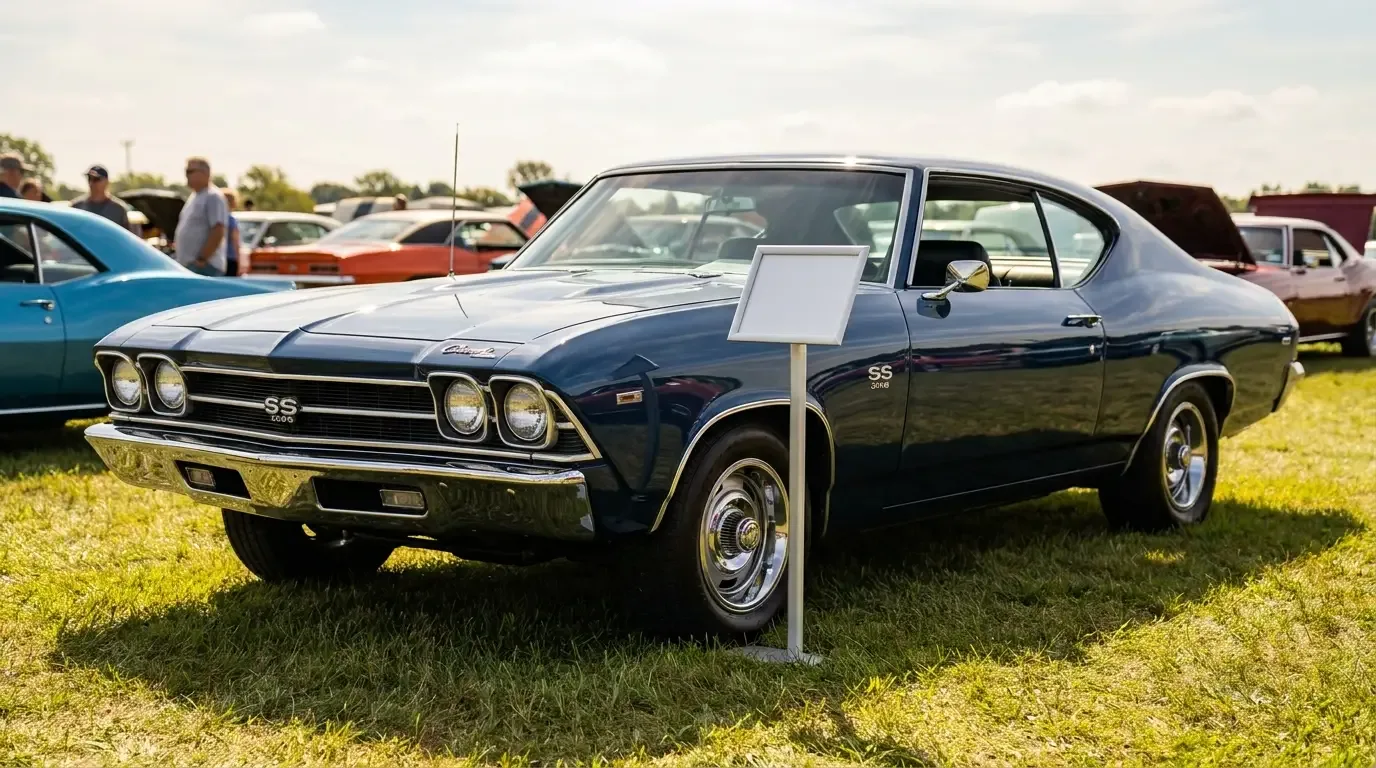
I approach every Chevelle the same way I approach any collector car: condition, documentation, and liquidity, evaluated separately, then weighed together. A car can score high on one axis and low on another, and the final number reflects the combination, not the best single factor.
Rarity is necessary but not sufficient
A rare option combination raises a car's ceiling, but rarity alone does not guarantee demand. Some genuinely scarce Chevelle configurations, a six-cylinder base model with an unusual dealer-installed accessory package, say, are rare precisely because nobody wanted them at the time, and that lack of desirability has not changed just because survivors are few. Collectible rarity has to intersect with a configuration buyers actually competed for when new, or at least a configuration tied to a recognizable performance or cultural story now. An LS6 454 convertible is rare and desirable. A rare trim combination on an unremarkable six-cylinder coupe is rare and, mostly, still unremarkable.
This distinction gets lost constantly. Sellers lean on "rare" as if it is automatically synonymous with "valuable." My job is separating true scarcity that intersects with demand from scarcity that exists simply because a configuration was unpopular. Only the first kind moves an appraisal number.
Documentation changes the tier, not just the price
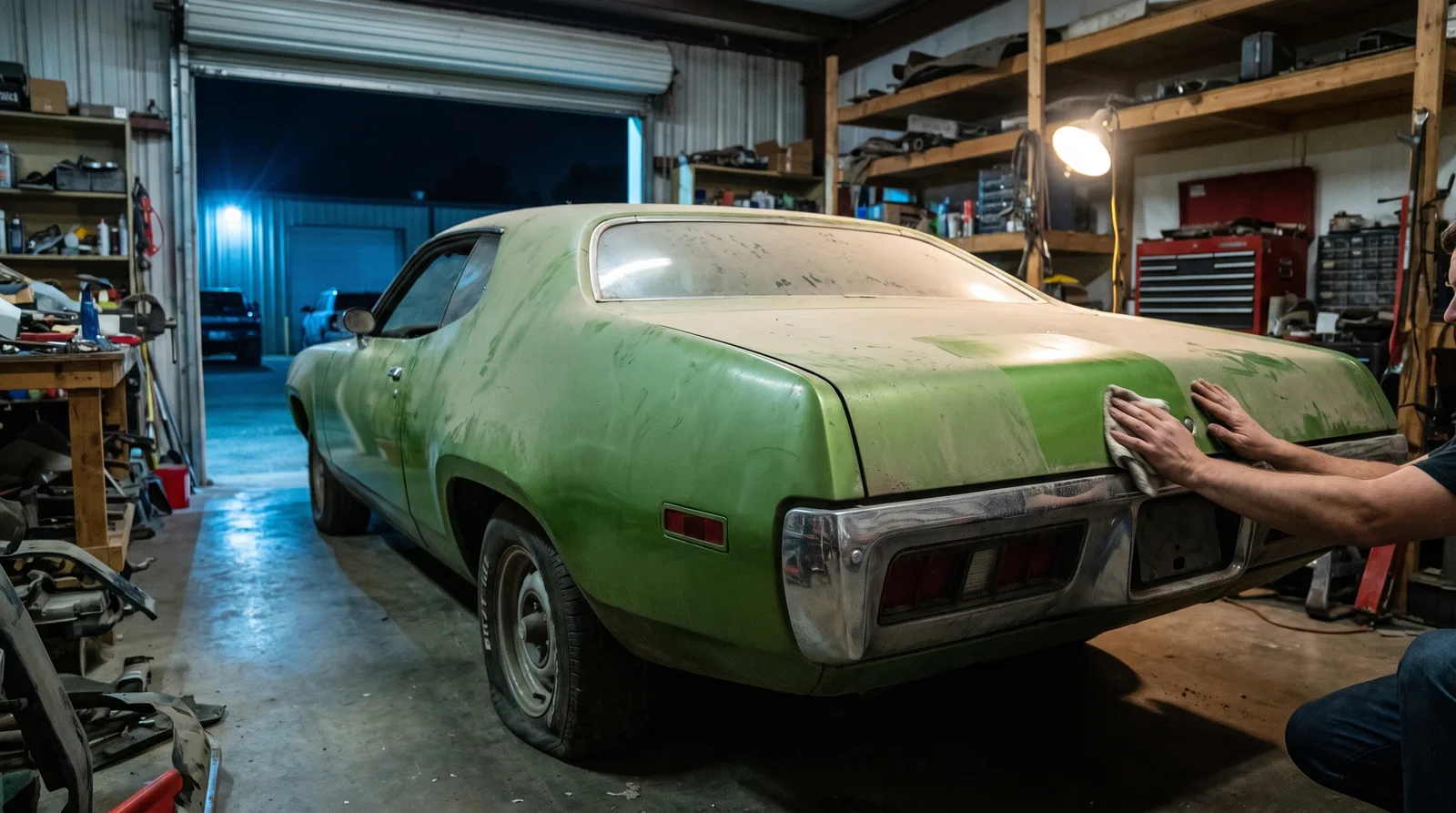
I use a condition tier framework, #1 through #4, running from concours-ready down to a rough driver or parts car. Documentation does not change which tier a car occupies physically. What it does is determine how confidently a buyer can pay top-of-tier money instead of discounting for uncertainty. A #2 car with a thin paper trail is not a #2 car when the check clears. It functions like a #3 with a good story, and a careful appraisal has to say so plainly, even when the owner does not want to hear it.
Build sheets, dealer invoices, cowl tag data, and continuous ownership records all reduce risk for the next buyer. Reduced risk translates directly into a higher confident bid. This is the single most underappreciated lever in Chevelle values right now. Two cosmetically similar cars, same tier, same options, can sell twenty to thirty percent apart purely on documentation depth, because one buyer is confident and the other is guessing.
Liquidity: the factor most owners ignore
A collectible car is only as valuable as the depth of buyers willing to compete for it at the moment you need to sell. This is where a lot of Chevelle owners overestimate their car's standing. A well-optioned SS396 in solid condition has a deep, active buyer pool; you could sell one in weeks with reasonable effort. A genuinely rare factory special order in unusual colors might be more valuable on paper but takes far longer to find the specific buyer who wants exactly that combination, and that illiquidity carries real cost if you need to sell on a timeline rather than waiting for the right offer.
"Exposure is the risk nobody wants to talk about. A car can be worth real money and still take eighteen months to sell at that number, because the buyer pool for a specific rare combination is thin. I price that timeline risk into every appraisal, not just the sticker number."
Marcus Feld
The four factors, weighed together
| Factor | What it drives |
|---|---|
| Condition tier (#1-#4) | Cosmetic and mechanical baseline, sets the general price band |
| Rarity intersected with period demand | Whether a scarce configuration actually carries a collector premium |
| Documentation depth | Confidence multiplier that moves a car toward the top or bottom of its tier |
| Buyer pool / liquidity | How quickly and reliably the car converts to cash at a given number |
A car strong on all four is genuinely collectible in the fullest sense: it holds value, it sells when you need it to, and it appreciates roughly in line with or ahead of the broader muscle car segment. A car strong on only one or two of these factors is still a nice old Chevelle, and there is nothing wrong with that, but it should be bought and sold with realistic expectations rather than collectible-grade optimism.
What I tell clients most often is that collectibility is not a fixed label stamped onto a VIN. It is a moving assessment that shifts as the buyer pool, the documentation record, and the physical condition all change over the car's life. A well-documented, well-maintained SS396 today is a stronger asset than the same car with a spotty maintenance history and a lost build sheet, even though nothing about the factory build changed. Owners who want to protect or grow value should focus less on chasing rarity for its own sake and more on preserving whatever documentation and condition their specific car already has.
This framework applies across the whole spectrum covered in the collectible Chevelle story, from documented factory one-offs down to solid driver-quality SS cars that most buyers will actually own. If you want to see how these factors play out in real asking prices right now, you can browse collectible Chevelles and compare documentation and condition claims directly against price. And if you are watching this segment as an investment rather than just a purchase, the trend data behind rising values is covered in next: The Chevelle Collector Market Surge.
Sources and notes
- Hagerty Insider: what a car's condition rating actually means
- Old Cars Weekly: the collector car condition rating system explained
- Butter Classics: classic car grading scales, a collector's guide
- Supercars.net: 1964-1972 Chevrolet Chevelle SS454 production and options history
- Mecum Auctions: Chevelle sale results and comps
- Barrett-Jackson: collector car auction market coverage
Related Reading
Have a
Chevrolet Chevelle
for Sale?
Reach thousands of serious classic car collectors across the US.
Sell It Here →
Are You a Classic Car Dealer?
List your full inventory and connect with targeted classic car buyers.
Join as a Dealer →

About the author
Marcus Feld
Accredited collector-car appraiser who reads the market through hammer prices, condition tiers and risk.
Related Listings - Chevrolet Chevelle

Comments
Be the first to comment on this article.