
The first thing I tell anyone before a repaint is to find out what color the car actually is. It sounds silly, but half the cars at a club meet have been resprayed at least once, and the color on the body is not always the color on the paperwork. The paint code is the starting point, and it settles more arguments than any opinion.
Restoration & Tech
6 min read
How to Find a Classic Car's Paint Code
Where to find and read a classic car's paint code, what to do when the tag is missing, and how to order the right color.
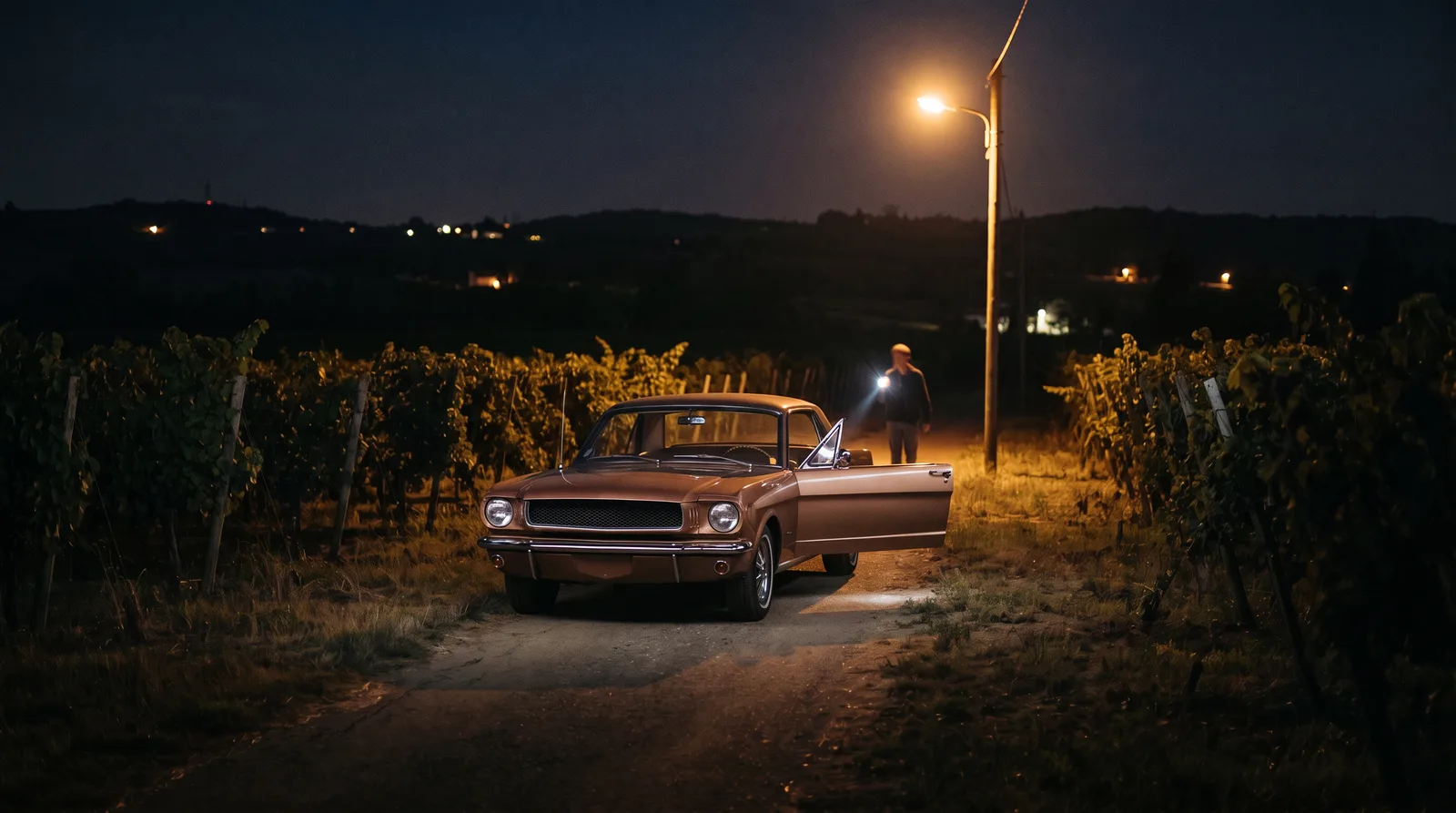
If you are heading toward repainting it, get the code first, confirm it, and only then talk to a paint supplier.
Where the code lives
On American cars from the 1960s onward, the paint code is usually on a metal data plate or trim tag, often called the cowl tag, body plate, or fender tag depending on the make. Typical locations include the firewall, the cowl, the inner fender, the driver door jamb, or the radiator support. Earlier cars may have a less obvious plate, and some have no code at all.
Here is a rough guide, and I would treat each line as a starting point rather than a guarantee:
| Make | Common place to look | What it is called |
|---|---|---|
| General Motors | Cowl or firewall plate (passenger side upper firewall on 1940s and 1950s Chevrolets) | Body number plate or trim tag |
| Ford | Driver door jamb or door post, riveted on 1960s Mustangs | Warranty or data plate |
| Chrysler products | Under the hood, often on the firewall or inner fender | Fender tag |
| Imports | Door jamb, engine bay, or glove box | Varies by maker |
Look in good light and wipe away grime with a rag, not a wire brush. These plates are often stamped, faint, or painted over in a past repaint. A flashlight at a shallow angle lets you read the stampings.
How to read the plate
Every maker has its own format. A GM trim tag normally lists the body style, the interior trim code, and the paint code in a series of letters and numbers, where the paint entry records the color or color combination, so a two-tone car carries more than one color. A Ford data plate uses a column layout with fields for body, color, trim, date, and so on. Chrysler fender tags use a different style entirely.
Do not guess the layout. Use a reference for your exact make and year, such as a factory service manual, a marque club decoding guide, or a reputable restoration parts supplier. Take a clear photo of the plate before you start so you can compare it later.
The same plate can also tell you more than the paint. On many cars it carries the trim information too, so if you plan to redo the seats and panels, the trim tag's interior code will point you to the right colors and materials. Photograph it once and you cover both jobs.
What if the tag is missing or wrong
Tags go missing during body work, and replaced panels may carry a different color than the original. If you cannot find or trust the plate, work through these steps:
- Check for original paint in hidden spots. Look under the dash, in door jambs, behind a trim piece, inside the glove box, or under the weatherstripping.
- Compare the car to build records. For some makes, a factory build sheet, owner's manual, dealer invoice, or marque club record lists the color.
- Contact a marque club or registry. Many keep decoding references and can read a VIN for you.
- Use a paint supplier's color library. Take a clean, unfaded sample, such as a removed trim piece or a gas door, and they can match it by eye or with a spectrophotometer.
If the car was resprayed in a different color, it is worth checking the original code before deciding. A color-change car can lose value with collectors, though a driver may be fine either way. Decide on purpose, not by accident.
"Somebody always swears the car was Marina Blue. The tag says otherwise, and the tag usually wins. Settle it with paper before anyone buys a gallon."
Wayne Coburn
Ordering the paint and planning the job
Once you know the code, take it to an automotive paint supplier along with the make, year, and body style, and ask about the paint type you plan to use. Ask for a spray-out card, which is a small test panel sprayed with the mix, and hold it against an unfaded section of the car in daylight. Colors look different in shade and sun, so check both.
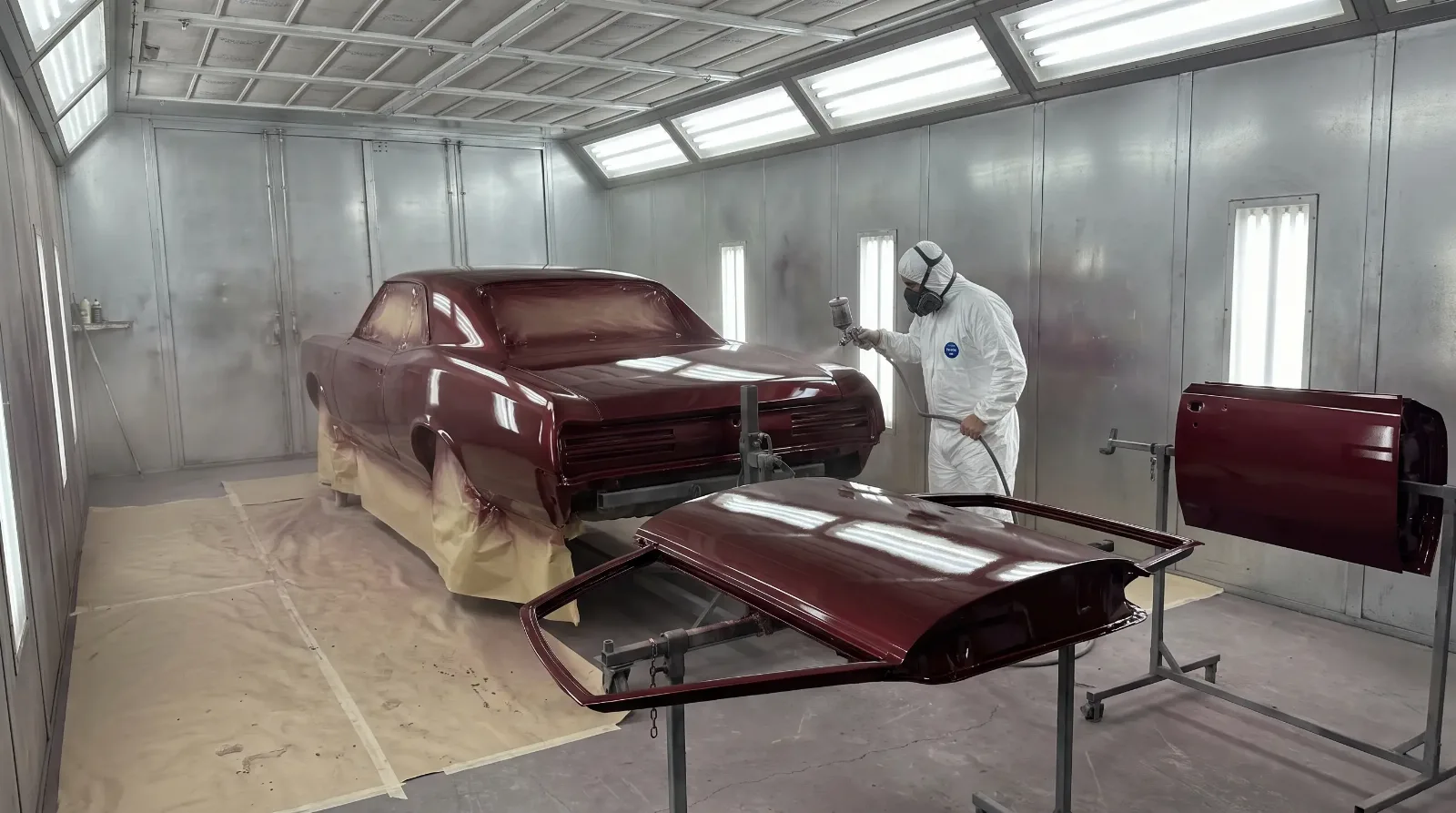
Then think about where the work will be done. A proper booth gives a cleaner finish with controlled dust and airflow, while a garage job can work with the right setup and a lot of care. We compare the two in the piece on booth vs garage, which will help you set expectations on result and cost.
Write it down
When you have the answer, record it. Put the code, the color name, the supplier's formula number, and a photo of the plate in a folder with the rest of the restoration records. Future owners and judges will want that trail, and you will want it when a fender needs a touch-up five years from now.
Seeing the colors in person
If you are still choosing, it helps to see how factory colors look on real cars. Browse classic Mustangs in original colors to compare how shades photograph and age, and notice how the same factory color reads differently from car to car. Pay attention to the finish quality and how the color reads on curves.
For a worked example of reading a tag and matching a color on a specific model, see our feature on paint codes and bodywork on a classic Camaro. Seeing how someone else handled it makes your own plate easier to read.
The bottom line is simple. Find the plate, photograph it, decode it with a reliable reference, and verify it against the car. Do that and you spend your paint budget on the right color the first time.
Sources and notes
- PaintScratch, Finding your vehicle paint color code, label locations, VIN versus paint code, repainted cars, and why color names can mislead
- Classic Industries, 1966 Ford Mustang data plate guide, riveted driver door jamb plate with body, color, trim, and date fields
- Old Car Manual Project, Chevrolet cowl body number plate, passenger side upper firewall location and the style, body, trim, and paint entries
- Wikipedia, Vehicle identification number, the 17-character VIN was standardized in 1981, so older cars rely on their own plates
- Wikipedia, Automotive paint, how a finish is built up from primer, base coat, and clear coat
Related Reading
Have a
Classic Car
for Sale?
Reach thousands of serious classic car collectors across the US.
Sell It Here →
Selling a classic? Here's how: sell my classic car
Are You a Classic Car Dealer?
List your full inventory and connect with targeted classic car buyers.
Join as a Dealer →

About the author
Wayne Coburn
Longtime Corvette owner, judge and club figure who knows the cars, the records and the people behind them.
More in Restoration & Tech
Comments (1)
V
VintageVolvoVal
1 day ago
The paint plate on my P1800S had been sprayed over during a respray in the eighties, so I found the original color behind the rear seat trim instead, much as the piece suggests. The car was nearing 200,000 miles by then, and the white underneath was a different shade than anyone remembered.