
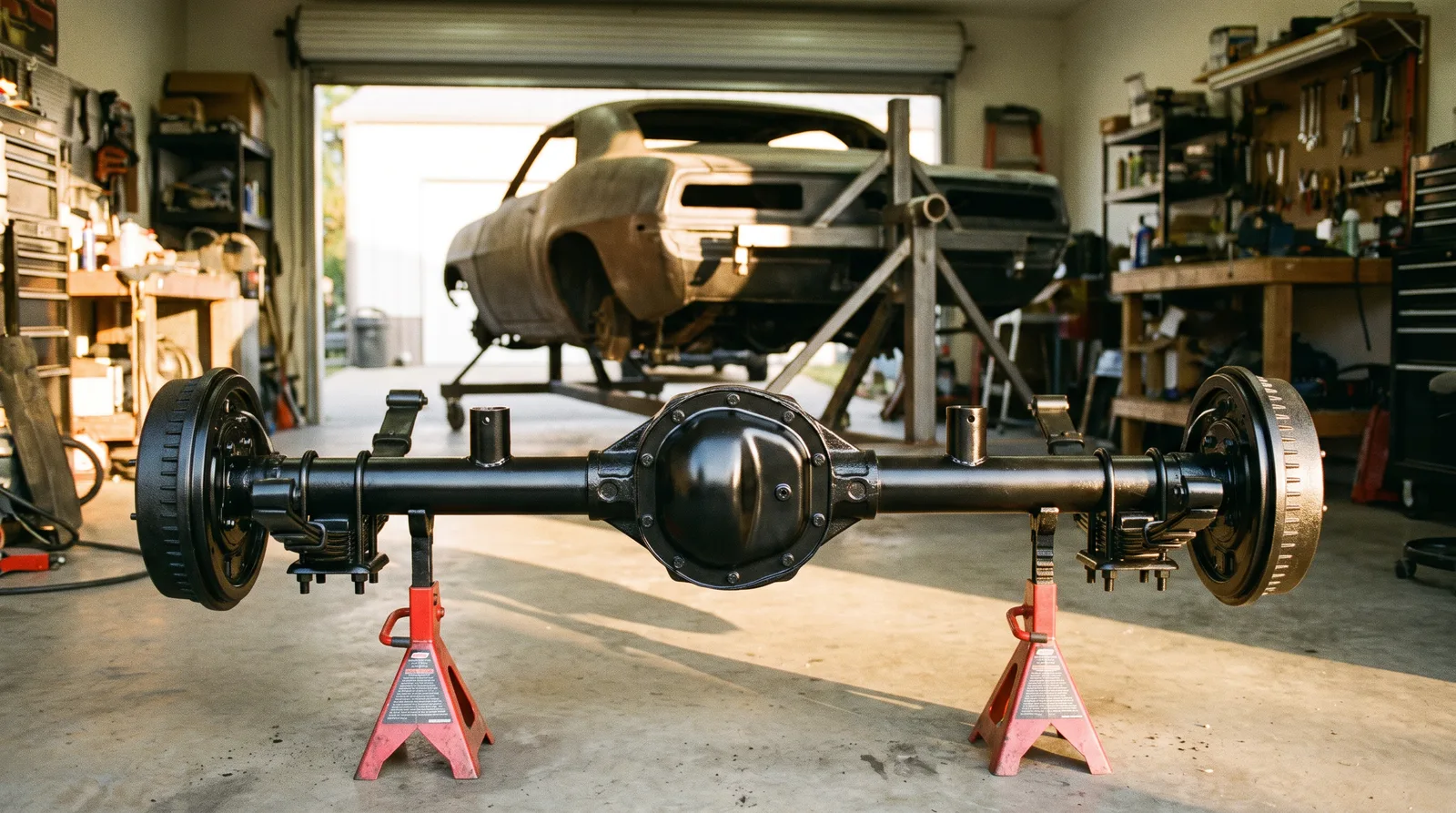
Buying a finished classic with a loan is routine. Borrowing to restore one is a different problem, and it is where many owners get stuck. A lender can value a running, titled car. A lender cannot easily value a shell on stands, which is the collateral you would be offering for most of the project. That gap explains why a classic car restoration loan is rarely a single product. It is usually a stack of tools, each with its own cost and its own catch.
Restoration & Tech
6 min read
Financing a Classic Car Restoration: Loans, HELOCs and Pay-As-You-Go
Can you finance a restoration? Collector car loans, home equity lines, personal loans and pay as you go compared, with the numbers that decide which one fits.
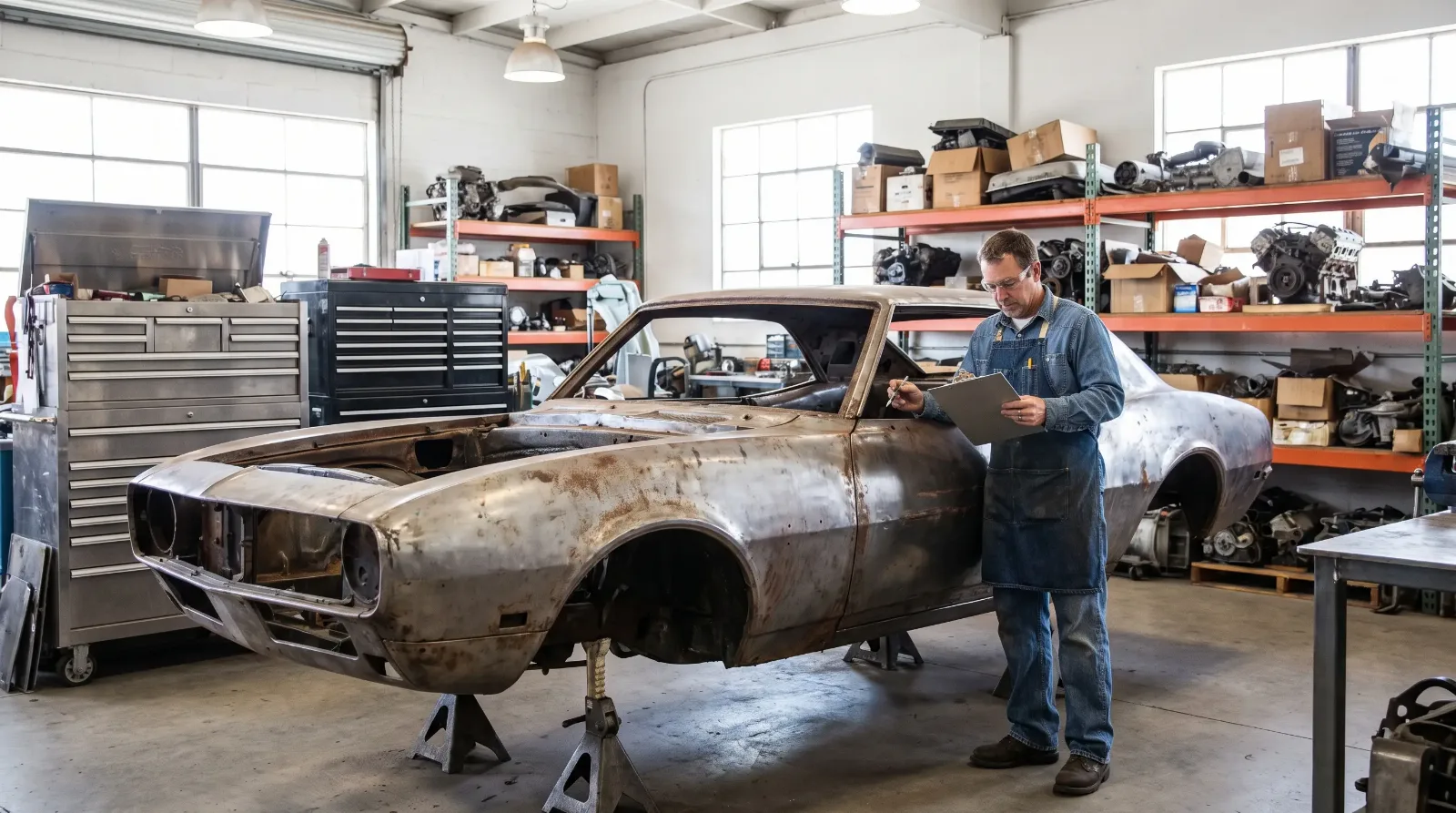
Here is how the main options compare in 2026, what they tend to cost, and the situations where each one makes sense. Rates move, so treat every figure below as a range to confirm with a lender.
Collector car loans
Specialty lenders write loans for collector vehicles, and some will finance restoration work, but most prefer to lend against a car that is complete and insurable. Terms can stretch to 10 or even 15 years, and advertised rates in 2026 run from under 5 percent at some credit unions to roughly 6 to 10 percent at specialty lenders, depending on credit and the car. Down payments of 10 to 30 percent are typical, and 20 percent often unlocks the best rates. Loan amounts are usually capped by the car's appraised value, not the cost of the work, which matters on a restoration where cost can exceed value.
The practical use is refinancing a finished or nearly finished car, or buying a partly restored one with a documented value. If you are borrowing against a project, expect the lender to ask for photos, the shop contract and sometimes an appraisal of the car as it stands. Compare the total amount you will repay, not just the monthly payment, because long terms on a flat asset add up.
Home equity lines and loans
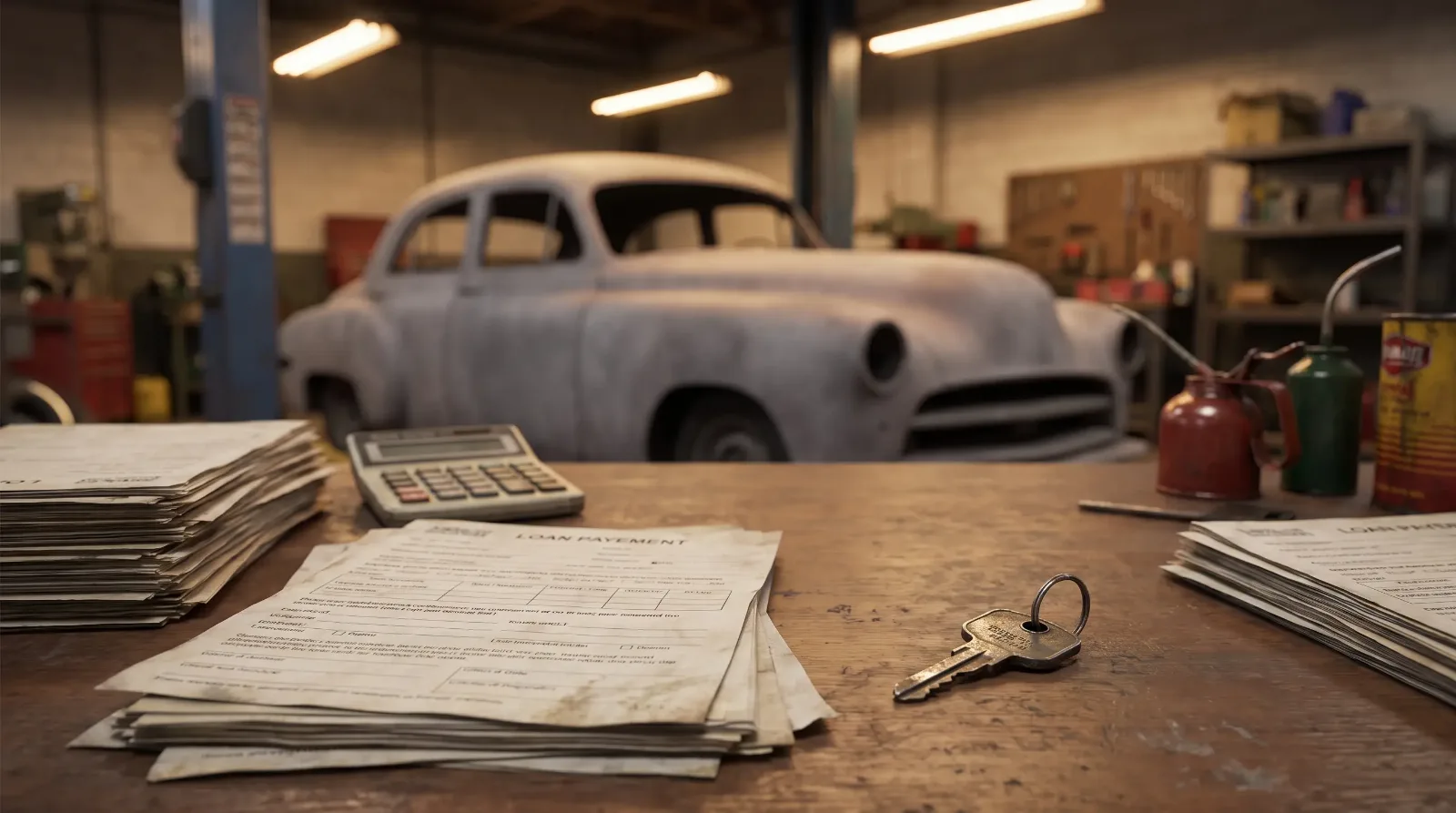
A home equity line of credit, or HELOC, is the tool many restorers actually use. The collateral is the house, so the lender does not care that the car is in pieces. Rates on HELOCs are variable and tied to the prime rate (7.00 percent in early October 2026), usually plus a margin set by your credit and equity, so confirm the current figure with your lender. You draw as the shop bills, which fits a monthly progress schedule well, and you pay interest only on what you have drawn.
The risk is the collateral. If the project goes sideways, the debt is still secured against your home. A restoration that runs 40 percent over budget is bad. A restoration that runs over budget on a line secured by your house is worse. Many owners limit the draw to an amount they could repay from income without selling the car, and treat the car as a bonus rather than the repayment plan.
| Option | Typical rate, 2026 | Collateral | Main catch |
|---|---|---|---|
| Collector car loan | About 5 to 10 percent, by lender and credit | The car | Capped at car value, prefers a finished car |
| HELOC | Prime plus a margin, variable | Your home | Variable rate, home is at risk |
| Unsecured personal loan | From about 6.5 percent with strong credit, much higher otherwise | None | Higher rate, short term, size limits |
| Pay as you go (cash) | None | None | Slow, and project length grows |
Personal loans and credit cards
Unsecured personal loans are quick and need no collateral, but they cost more and have caps that vary by lender, from a few tens of thousands of dollars to about $100,000 at the largest. Even the top of that range falls short of a frame off build, and the low end covers little more than a paint job and an engine. Credit cards can bridge a parts order, particularly if you take a promotional rate, but carrying a restoration balance on a card at 20 percent or more is the most expensive way to build a car.
Pay as you go: the cheapest money is the slowest
Paying from cash flow, stage by stage, avoids interest entirely. It also changes how the project runs. A shop that is paid monthly can plan labor, and a build funded in quarterly chunks can stall between stages. The car sits, parts get misplaced, and the shop moves on to paying jobs. If you go this route, agree stages that can be finished and paid for independently, so the car is always in a safe, defined state: bodywork done, then paint, then assembly. Settle the billing structure with the shop up front, because the shop's invoice cycle is what your cash flow has to match.
Run the numbers before you borrow
Financing makes sense when the finished value supports the debt, and my usual test is blunt. Take the realistic all in cost of the build, add the interest you will pay over the life of the loan, and compare the total to what comparable finished cars actually sell for. Our restoration cost guide lays out the budgets by restoration level, which is the starting point for that comparison. On many cars, especially in the driver quality range, buying a finished example is cheaper than borrowing to restore one.
Include the carrying costs people forget: storage while the car waits, insurance, and the interest that accrues during months when the car is not being worked on. Insurance in particular needs planning, because the policy changes as the car moves from shell to finished. That topic is covered in insurance during the build.
"Borrow against what you can repay without the car. If the plan only works when the car sells for a profit, it is not a loan, it is a bet."
David Mercer
A sensible way to choose
If the car is nearly finished and appraised, a collector loan is the cleanest fit. If you have equity, income and discipline, a HELOC matches the draw pattern of progress billing, with the caveat about risk to the house. If the project is small, a personal loan or cash is simpler. Whichever you choose, keep a contingency of 20 to 30 percent of the estimate outside the loan, because overruns arrive after the loan is sized. For a wider look at borrowing against and valuing expensive cars, our article on financing and appraising an expensive classic covers the lender side in more detail.
Sources and notes
- SuperMoney, classic car restoration loans guide, lender rates, loan caps and credit requirements
- Wilson Auto, classic car auto loans in 2026, terms, down payments and appraisal practice
- IRS Publication 936, Home Mortgage Interest Deduction, home equity interest deductible only for buying, building or improving the home
- IRS Topic 505, Interest expense, personal interest on a car purchase is not deductible
- Federal Reserve H.15 Selected Interest Rates, bank prime loan rate of 7.00 percent, the usual HELOC benchmark
Related Reading
Have a
Classic Car
for Sale?
Reach thousands of serious classic car collectors across the US.
Sell It Here →
Selling a classic? Here's how: sell my classic car
Are You a Classic Car Dealer?
List your full inventory and connect with targeted classic car buyers.
Join as a Dealer →

About the author
David Mercer
Classic car market analyst with two decades of experience tracking collector car valuations, auction results, and investment trends.
More in Restoration & Tech

Comments
Be the first to comment on this article.