
Somebody at every club meet asks the same question: was my car originally lacquer or enamel, and what should it wear now? The answer settles a lot of arguments, and it changes what you spray in the booth. Paint chemistry on classic cars is not one story but three, and each one has its own habits.
Restoration & Tech
6 min read
Lacquer, Enamel or Urethane: Original Paint vs Modern
How lacquer, enamel and urethane differ, what factories sprayed, and which to use when you repaint a classic car today.
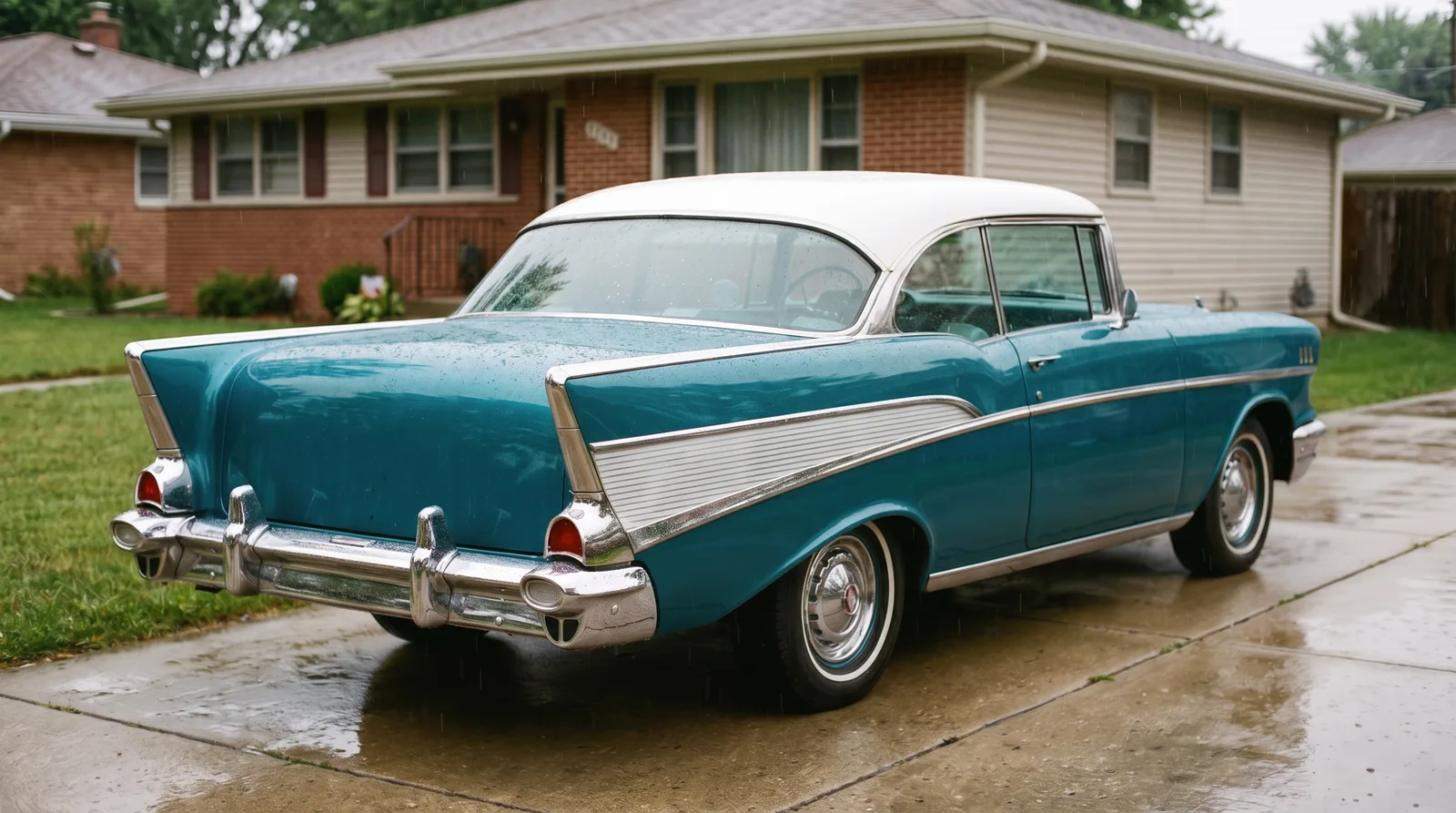
This guide covers where each type came from, how it behaves, and what modern restorers use. For the full workflow around it, see the full paint process.
Nitrocellulose and acrylic lacquer
Lacquer dries by solvent evaporation. You spray it, the solvent flashes off, and a thin film is left behind. Nitrocellulose lacquer reached the assembly line in the 1920s, when General Motors adopted DuPont's Duco across its line for 1924, cutting finishing time from weeks to days. Acrylic lacquers followed in the 1950s, and GM was a major user of them through the 1960s and into the early 1970s.
Its strengths are easy spraying, quick drying, and a deep, buffed look. Its weaknesses are just as clear. It cracks with age, shrinks, and has poor chemical resistance. Gasoline will soften it, and the fine crazing you see on an old car is classic lacquer failure. Lacquer carries a high VOC content (volatile organic compounds, the solvents that evaporate into the air), and refinish coatings have been under federal VOC limits since 1998, with stricter rules in some states, so it is hard to find or illegal in some regions.
Synthetic enamel
Enamel dries by a mix of evaporation and oxidation, so it cures into a harder film than lacquer. Ford had used baked enamel since the Model T era, DuPont's Dulux alkyd enamel arrived in 1926, and Ford and Chrysler cars were typically enamel finished while GM leaned on lacquer for decades. Acrylic enamels later became common in the 1950s and after. A basic synthetic enamel gave a durable gloss straight from the gun, with no buffing needed.
Enamel resists chemicals better than lacquer and does not crack as readily, but it takes longer to cure, picks up dust while it dries, and can fade or chalk in strong sun. Adding a hardener improves its durability. Enamel is still sold, though some product lines have been reformulated or discontinued over the years because of regulation.
Urethane and modern systems
Urethane is the modern standard. It cures by chemical reaction when you add a catalyst, which gives a hard, chemical-resistant, glossy film that holds color for years. It is available as single-stage or as a basecoat/clearcoat system, and it is what most shops spray today. Factory lines moved to basecoat/clearcoat systems from the 1980s, though factory clears were baked on the assembly line and are not the same product a shop sprays.
The tradeoff is a safety one. Isocyanate hardeners are toxic, so you need a supplied-air respirator and proper ventilation, not a dust mask. Cost is higher than enamel, but the finish lasts longer and cleans up more easily.
| Type | Cure | Strength | Weak point |
|---|---|---|---|
| Nitrocellulose or acrylic lacquer | Solvent evaporation | Deep buffed gloss, period correct | Cracks, chemical sensitivity, restricted in some areas |
| Synthetic enamel | Evaporation and oxidation | Easy, durable, glossy as sprayed | Slow cure, fades in sun |
| Urethane | Chemical catalyst | Hard, long-lasting, wide color choice | Toxic hardener, cost |
Original paint versus what you should use now
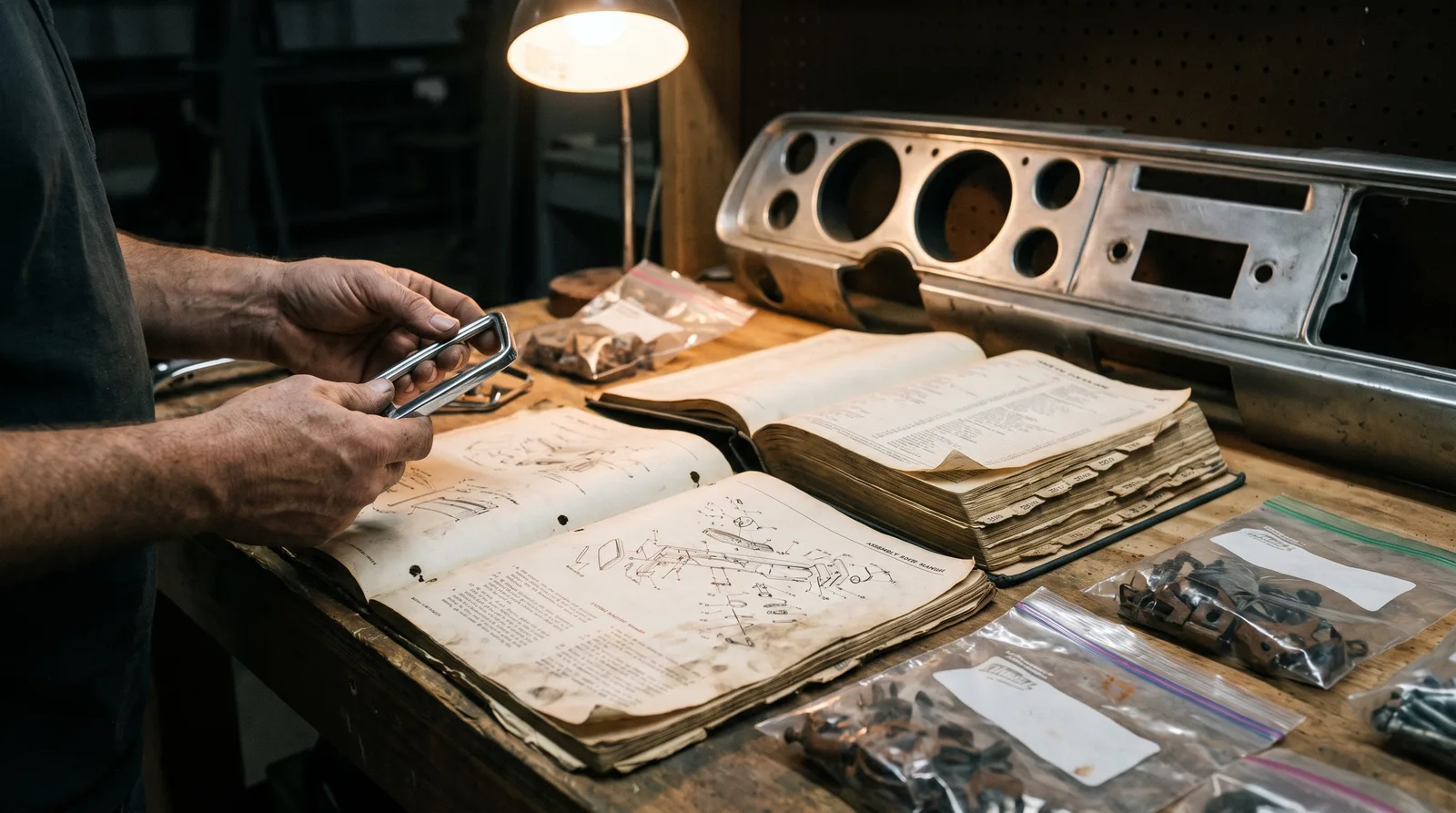
Here is where the paperwork matters. Check the build documentation, fender tag, or marque references to see what the factory sprayed. Then decide whether the goal is a faithful restoration or a good-looking driver.
If you are chasing authenticity, a lacquer finish gives you the right look and the right level of gloss, but you must accept its fragility and local rules. A modern acrylic urethane in the factory color, finished to match the original gloss level, is the usual compromise. It looks right at a glance and lasts. Some judges still penalize non-original paint types, so confirm what your club allows before you spend money.
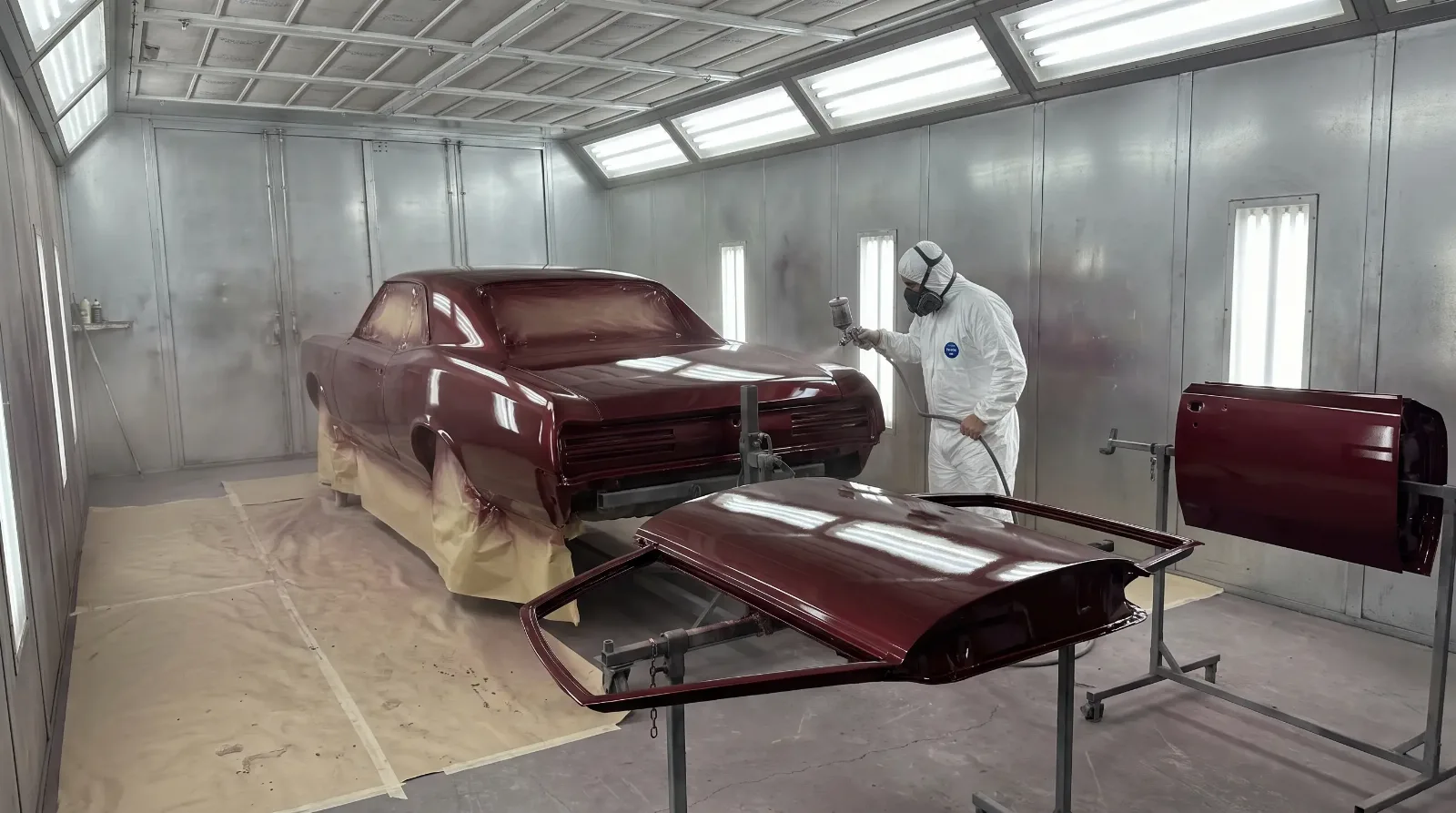
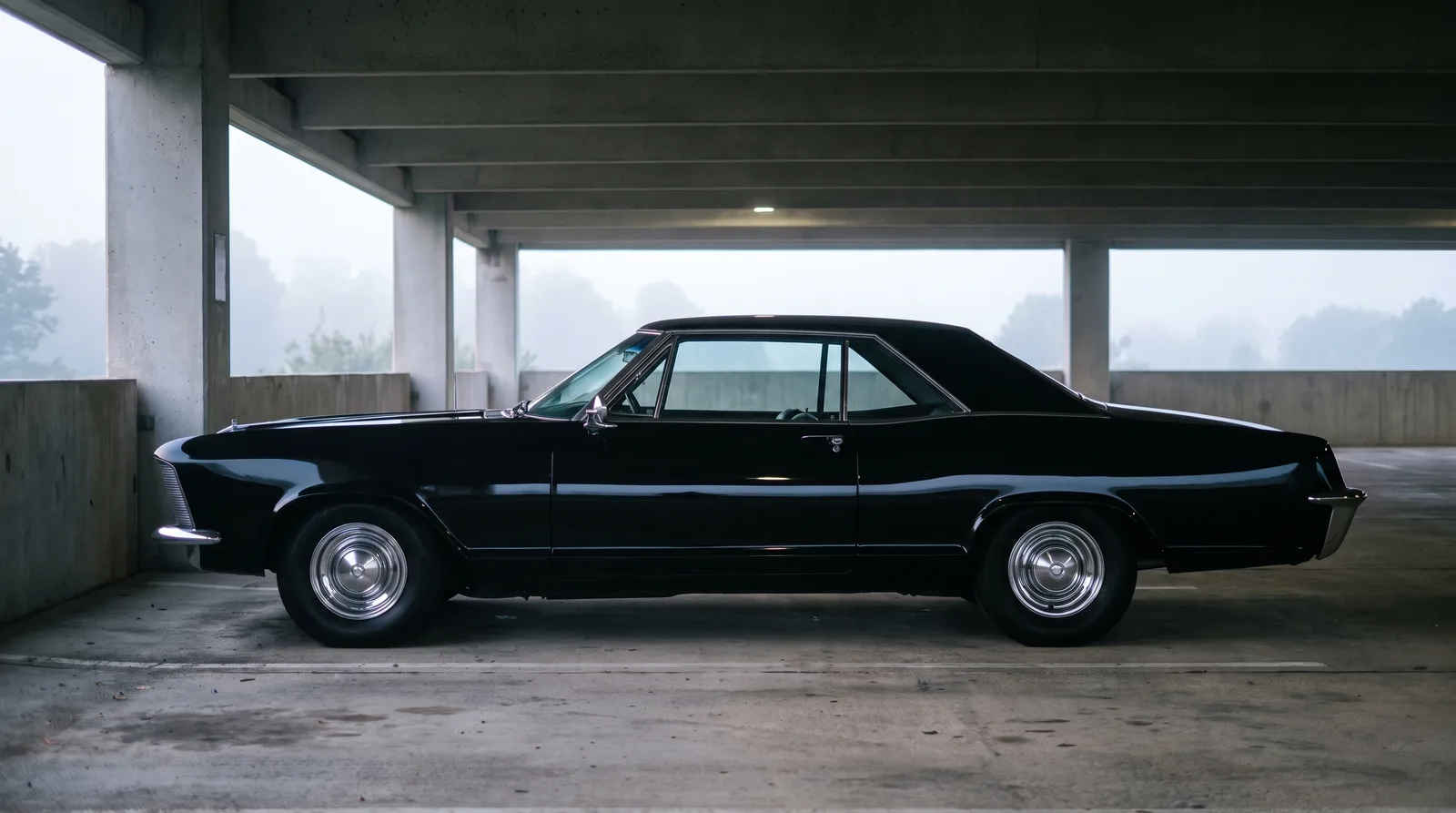
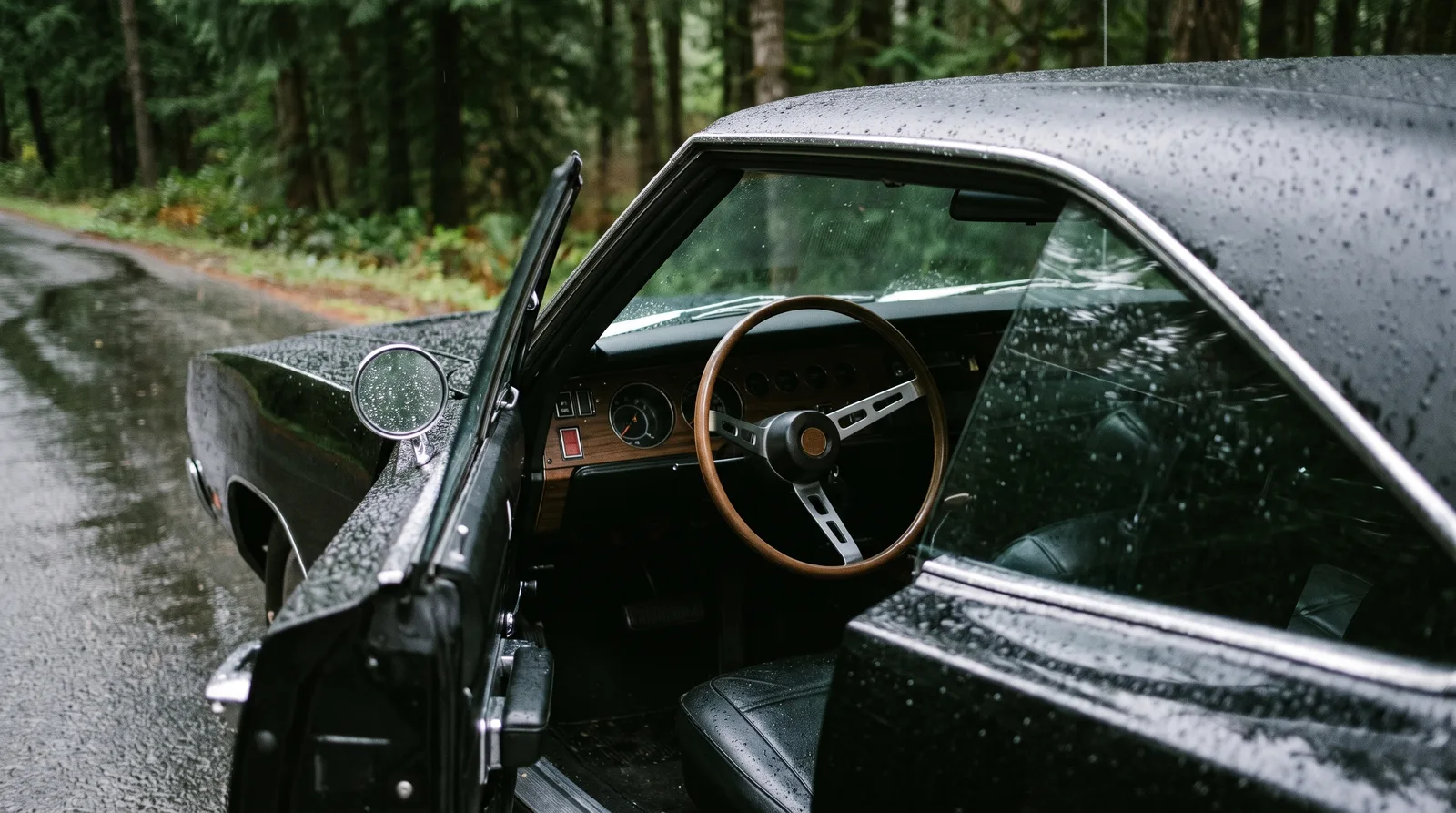
There is also the question of keeping what is there. A survivor with its original finish has value that no repaint can recreate. We look at that call in preserving old lacquer, which covers when to polish and protect instead of redoing the panel. And for a look at how a muscle car owner handles correct color and finish, there is a muscle car restored to factory paint.
"The paperwork tells you what the car left the factory wearing. The sprayer tells you what it can live in today. A good restorer holds both in mind and picks honestly."
Wayne Coburn
Safety and regulation
The paint you want may not be the paint you can legally buy. Federal rules limit the VOC content of automobile refinish coatings, and some states go further, which can put lacquer and some enamels out of reach. A body shop in a regulated area may not stock them at all. Ask your supplier what is sold locally before you plan a period-correct job around a product you cannot get.
Whatever you spray, protect your lungs. Lacquer and enamel solvents are harsh, and urethane hardeners are worse. A cartridge respirator rated for organic vapors is the minimum for solvent paints, and a fresh-air supplied system is the right call for isocyanates. Gloves and eye protection belong in the kit as well, and so does a clean, ventilated space with no open flame nearby.
How to choose for your project
- Concours or marque club judging. Match the original paint type if the rules say so, and ask a judge before you start.
- Weekend driver. Urethane in the original color is hard to beat for durability.
- A survivor in sound original paint. Clean it, protect it, and leave it alone.
- Budget repaint. A quality enamel with hardener can work, but ask your supplier about regional restrictions.
Whatever you choose, do not mix systems over each other without a compatible primer or sealer. Lacquer thinner will lift old enamel, and a wrong overspray can wrinkle a whole panel. Ask for the technical data sheet from the paint maker and follow it. Next, the question most people actually ask is which product wins overall, and that is covered in the best paint for a restoration.
Sources and notes
- True Blue: DuPont and the color revolution, GM's 1924 adoption of Duco lacquer
- DuPont paint information, Duco and Dulux alkyd enamel dates, acrylic lacquer
- Duco, Kustomrama, Duco as a nitrocellulose lacquer and why it replaced slow-drying paint
- Auto history provides a ride down memory lane, acrylic lacquers, e-coat primers, basecoat/clearcoat from the 1980s
- EPA automobile refinish coatings VOC standards, 1998 federal VOC rule
Related Reading

About the author
Wayne Coburn
Longtime Corvette owner, judge and club figure who knows the cars, the records and the people behind them.
More in Restoration & Tech
Comments (1)
B
BarnFindBrad
3 days ago
Before you pick a product, find out what is already on it. Rub a hidden spot in the door jamb with a rag and lacquer thinner. Color on the rag means lacquer. My barn T-Bird was enamel, no surprise.