
Most people vet a restoration shop by its finished cars. Fair enough, but a finished car tells you what the shop did once. It does not tell you who did it, or whether that person still works there. Training and experience are the parts you cannot see in a photo, so you have to ask about them out loud.
Restoration & Tech
7 min read
Do the Techs Know Old Cars? Restoration Training and Experience
No license exists for restoration work. Here is which credentials and classic car restoration classes mean something, and the questions that show what a shop's techs really know.
This piece covers which credentials exist for old-car work, which ones carry weight, and the questions that separate a seasoned crew from a shop with one good hire. It is one step in the larger job of how to choose a restoration shop well, which also covers contracts, deposits and shop visits.
What credentials actually exist
Start with the blunt fact: there is no license for restoration. Anyone can hang the sign. The credentials that do exist are all adjacent to the work, and you need to know what each one does and does not prove.
ASE certification tests a technician's knowledge of service and repair on current vehicles, and it requires work experience plus a passing test. It shows a tech can diagnose a fuel-injected car with a scan tool. It is not built around setting points and timing, adjusting a drum brake, or rebuilding a carburetor from the 1960s. I-CAR trains collision repair technicians, and its focus is current structural repair, refinishing and estimating. Useful, but a different skill from shaping a patch panel to fit a body that was hand-finished at the factory.
Formal restoration education is real but rare. McPherson College in Kansas offers a four-year bachelor's degree in automotive restoration, and Pennsylvania College of Technology runs a two-year associate degree in automotive restoration technology. A graduate of either has been taught the sequence of the work, not just the individual skills. Most veteran restorers, though, learned by apprenticeship, one job after another, next to someone who had done it longer.
Then there are the short courses. Evening welding classes, a bodywork weekend at a trade school, vendor workshops on paint. Searches for classic car restoration classes turn up plenty of these, and they are good for hobbyists building skills in a home garage. They are not a credential for a tech who will spend 300 hours on your car. When a shop mentions a class, ask what it covered and what the person has done with it since.
Restoration is several trades, not one
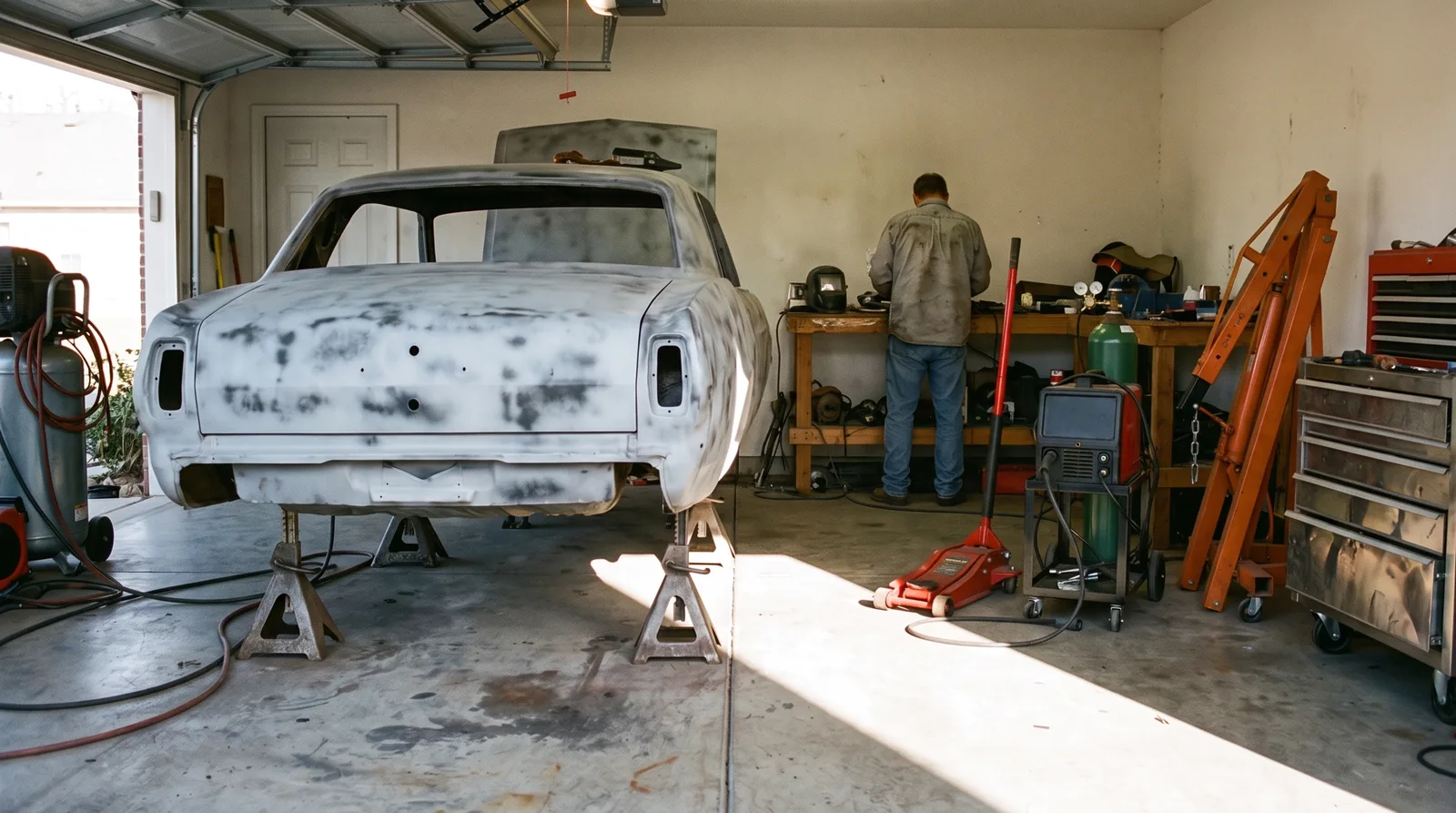
This is the part buyers miss. A full restoration is metal fabrication, bodywork, paint, mechanical and engine work, wiring, upholstery, trim and final assembly. Few people are strong at all of them. A good shop either employs specialists or sublets the trades it does not do well, and both are fine as long as you know which is which.
| Trade | What to ask | Warning sign |
|---|---|---|
| Metal fabrication | Who makes the patch panels, and can I see a repair before it is covered? | Everything is "filled and sanded" |
| Body and paint | Who preps and who sprays? How long does the car cure before final sanding? | No answer on curing time |
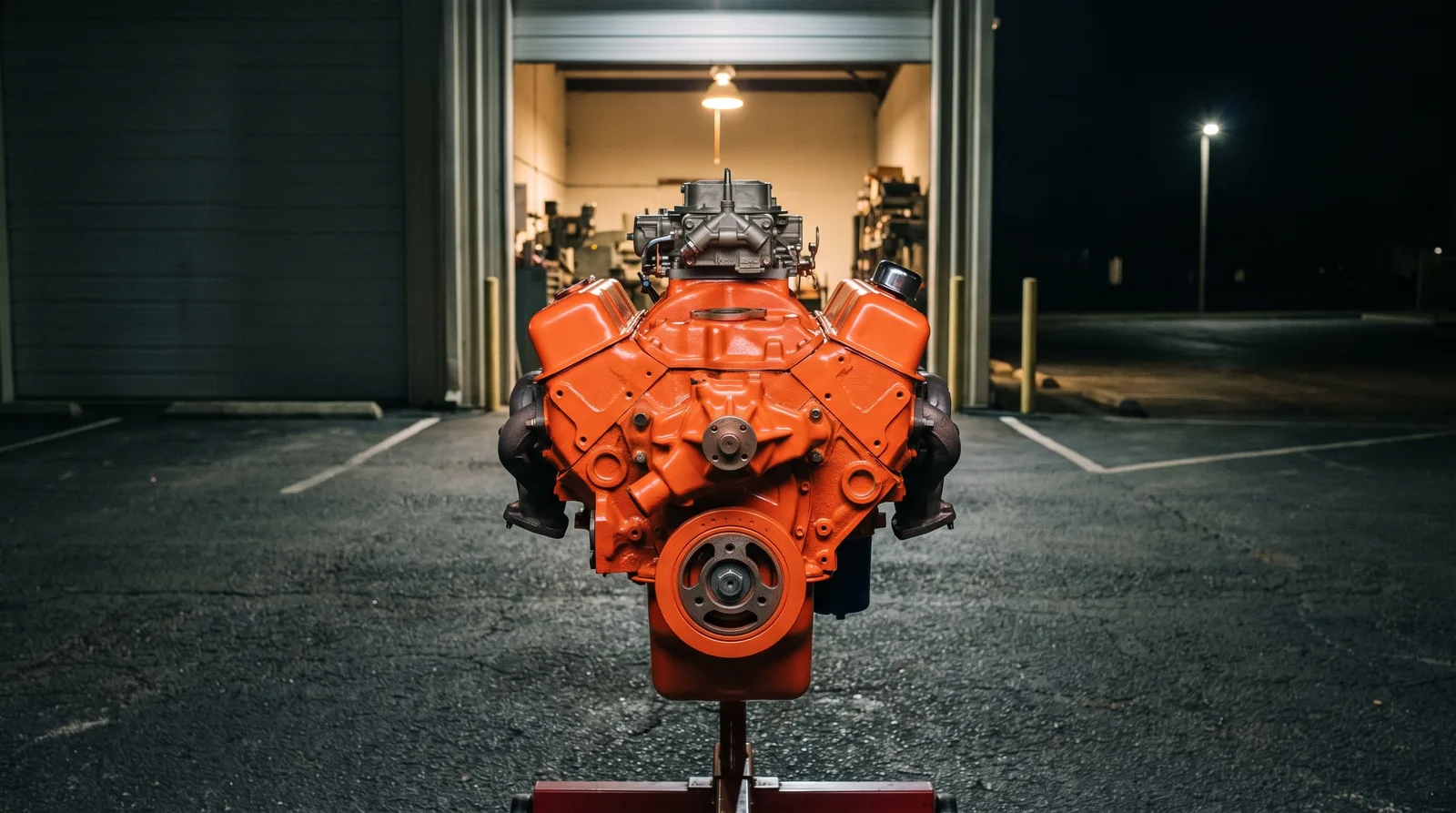
| Engine and driveline | Who builds the engine, and what does the machine shop measure? | "We just freshen it up" |
| Electrical | Original-style harness or reproduction, and who installs it? | Spliced-in modern wiring |
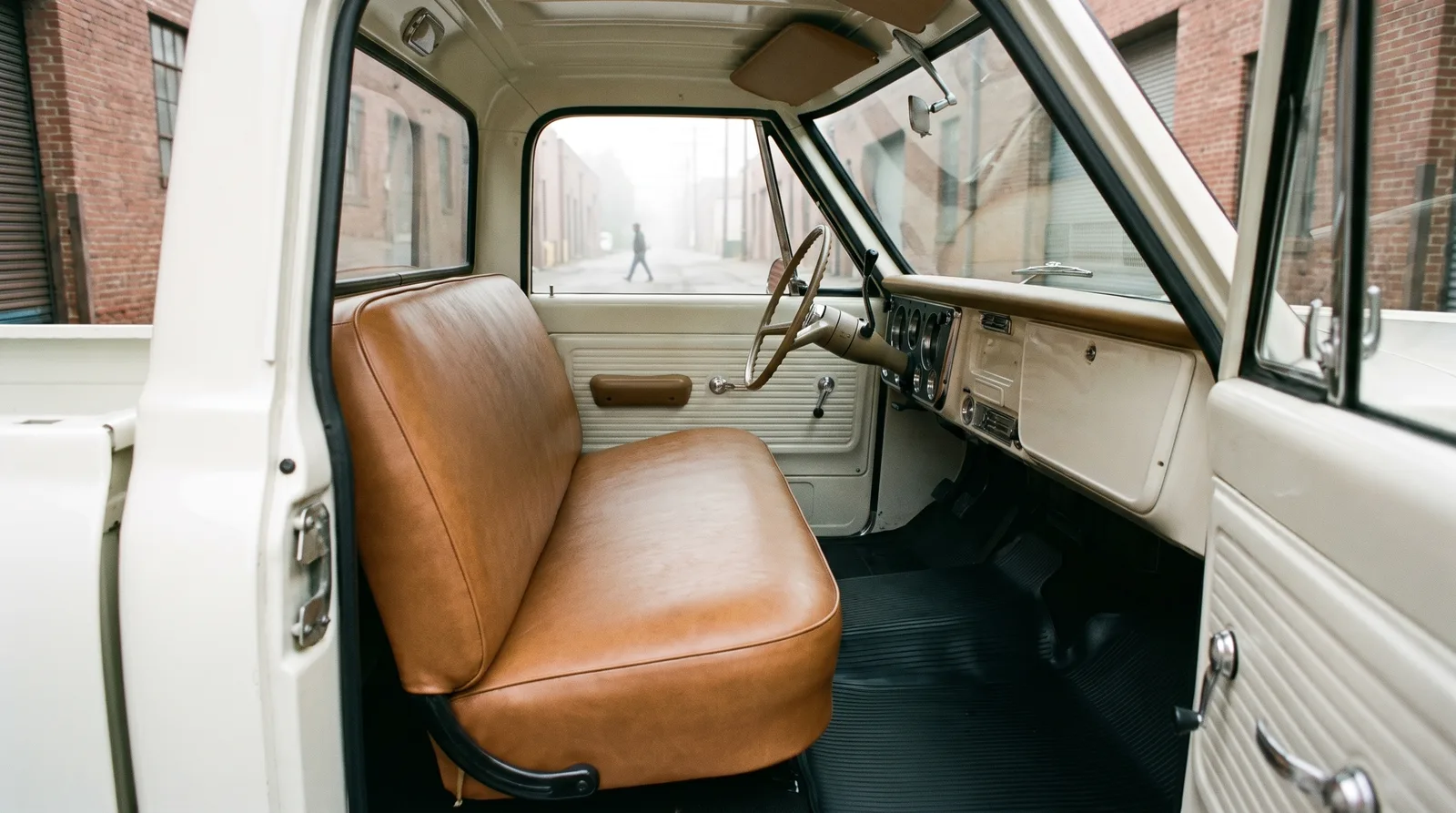
| Upholstery and trim | In-house or sublet, and to whom? | Cannot name the vendor |
Questions to ask, in order
Put these to the owner first, then ask to put the same ones to the person who will actually work on your car. The two answers should match.
- Who will do the metalwork on my car, and what is their background with this make and era?
- How many cars like mine has this shop completed, and can I speak with one of those owners?
- How long has your lead tech been here? How long has the crew worked together?
- What do you sublet, and who do you sublet it to?
- When something goes wrong with a car, who makes the call, and how do I find out?
- What reference material do you work from for correct finishes, fasteners and hardware on my model?
The fifth question is the one I would not skip. Every restoration surprises somebody. A shop that has a plain answer for who decides, and how you hear about it, has been through that before.
What experience looks like on the shop floor
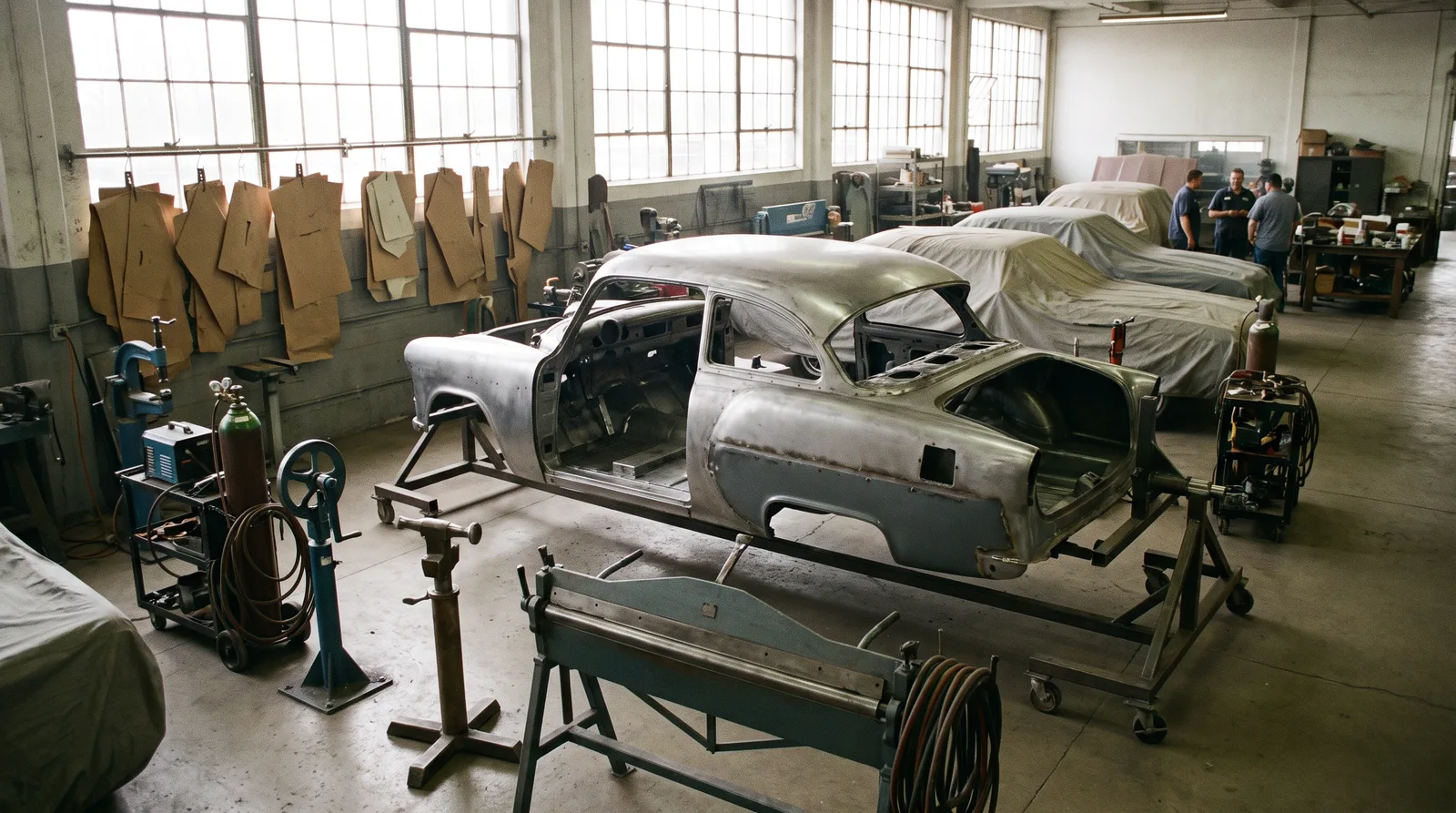
Experience shows up in small, physical ways, so use your visit. Look at the cars in progress. A car in mid-disassembly should have its parts bagged, labeled and shelved, not piled in a corner. Look at the tools. An English wheel, a bead roller, a media blaster and a proper spray booth tell you the shop shapes its own metal and does its own prep. A shop that has none of those is sending the work out, which is fine, but you should hear that said.
Look for reference material. Factory assembly manuals, judging guides and period photos on a shelf mean the crew checks the work against something besides memory. Then listen to how techs talk about their jobs. Someone who knows the era will tell you the specific thing about your car that is a nuisance, such as the way a certain door gap sets up or where moisture gets in. Someone who does not will tell you every car is basically the same.
"Ask who will hold the torch on your car, then ask what that person did last year. You want names and cars, not adjectives."
Ray Delgado
Tenure matters more than most buyers expect. A crew that has stayed together for years has built a feel for each other's work, and it has fewer handoffs where mistakes slip in. High turnover in the metal and paint departments is worth a direct question.
What a good answer sounds like
A good answer is specific and a little unglamorous. "Our metal man came up through a body shop that did only pre-war cars, and he has been with us eleven years" beats "our team has decades of combined experience." You want a person, a history and a willingness to let you meet them.
Be skeptical of easy confidence, too. Buyers who learn about restoration from television come in expecting quick, cheerful answers, and some shops are happy to give them. If you want the background on that gap, read about what TV gets wrong before your first visit.
Finally, write down what you were told. If the shop says a named tech will handle the bodywork and a different person shows up, you have a record. Training and experience are only claims until someone holds them to the work, and the time to start holding is before the deposit goes down.
Sources and notes
- McPherson College automotive restoration program, four-year bachelor's degree in Kansas and summer institute trades
- Penn College: Collectors Foundation grant for restoration major, two-year associate degree, vehicles from pre-World War I to the 1970s
- Keystone Edge: students learn to restore vintage cars, Penn College curriculum including woodworking, upholstery and fabrication
- Fox News: restoration students at classic car college, the range of trades taught and the industry's skills gap
- ASE: about certification, what ASE tests and its experience and renewal requirements
Related Reading

Have a
Classic Car
for Sale?
Reach thousands of serious classic car collectors across the US.
Sell It Here →
Selling a classic? Here's how: where to sell your classic car online
Are You a Classic Car Dealer?
List your full inventory and connect with targeted classic car buyers.
Join as a Dealer →

About the author
Ray Delgado
Metal fabricator and chassis builder who has spent 25 years turning flat sheet and mild steel into hot rods, gassers and restomod underpinnings.
On the cure time question in that table, what answer should worry you? Urethane clears cure through isocyanate crosslinking, and that reaction slows way down in a cold shop. An hour under heat lamps and an hour at 55F are not the same coat.