
Picture someone on a couch on a Tuesday night, watching a dull, rusted coupe roll into a bay. Forty minutes later it rolls out gleaming, the owner covers his mouth, and a number flashes on screen that sounds almost reasonable. Somewhere in that living room a decision gets made: I want one of those, and I want it by spring.
Restoration & Tech
7 min read
What Car Restoration TV Shows Get Wrong About Real Shops
Car restoration TV shows compress months into minutes and hide the bills. Here is what the cameras leave out, and how to set honest expectations before you hire a real shop.
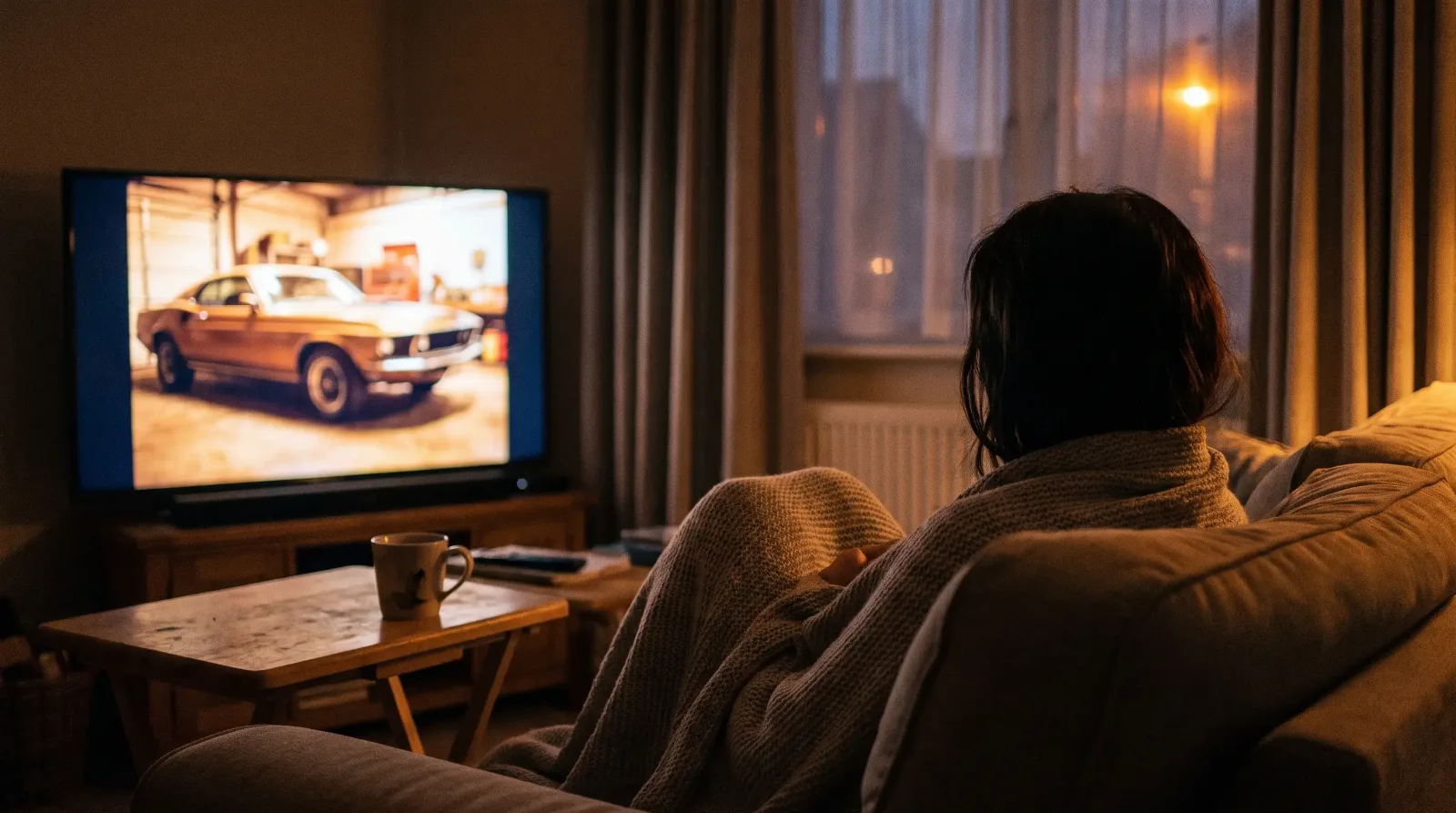
Nothing about that scene is dishonest on its face. The cars are real, the people are usually skilled, and the joy at the end is often genuine. But car restoration TV shows are built to be watched, not to be used as a plan, and the distance between those two things is where owners get hurt. This is a look at what the camera quietly leaves out.
Time is the first thing to disappear
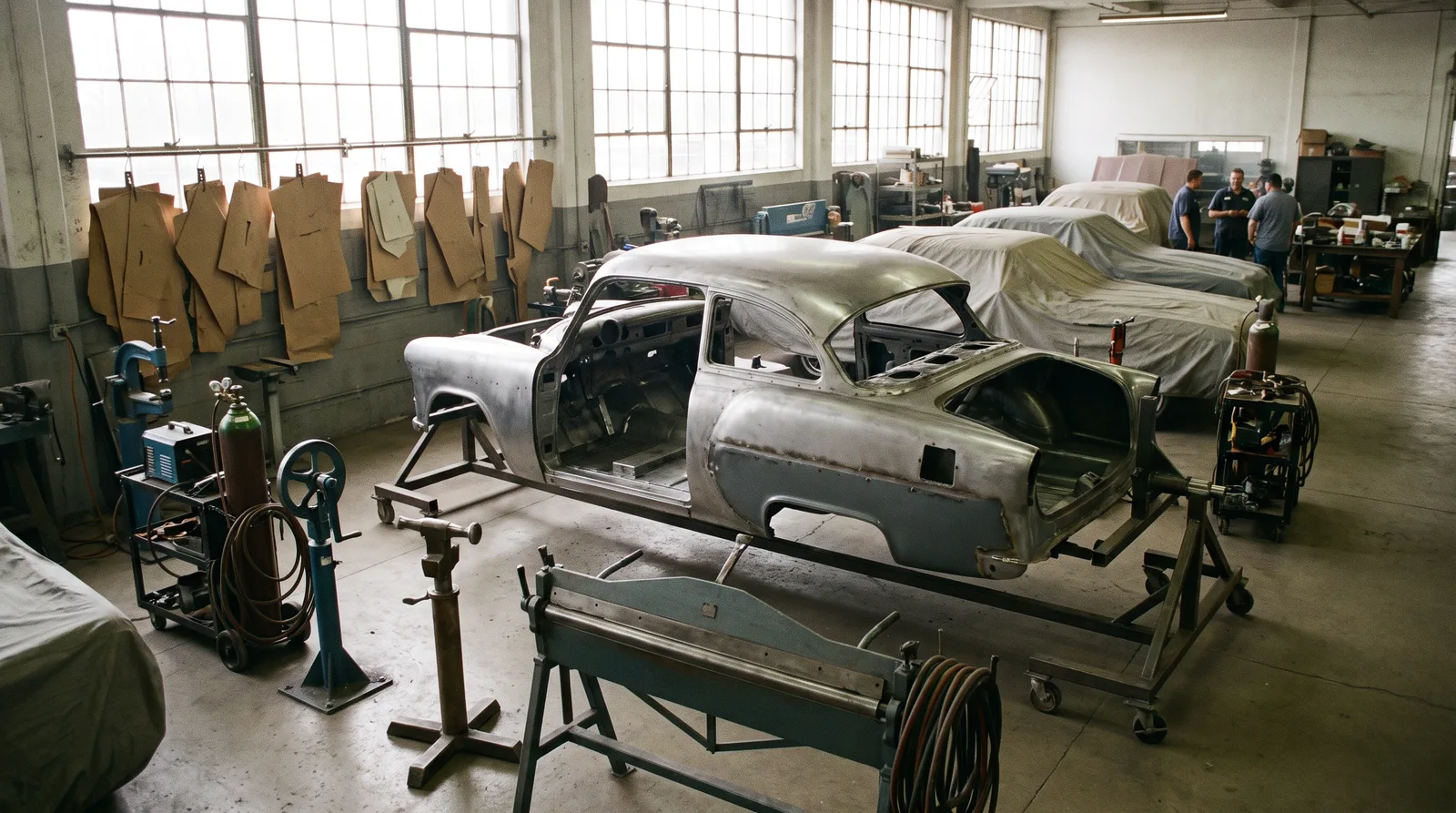
An episode fills a half-hour or one-hour slot including commercials (shows such as Counting Cars and American Restoration ran roughly 22 to 24 minutes of content), so a build gets compressed into days or a few weeks at most. Overhaulin' famously gave its team about eight days per car. A real professional restoration is measured in hundreds to thousands of labor hours, roughly 500 to 1,000 for a driver-quality car and 1,000 to 2,000 or more for a show-quality one, spread across many months and often more than a year. Paint cannot be rushed, because primer, color and clear all need cure time before anyone sands or buffs. Parts ordered from a specialty supplier can take weeks to ship, and some are backordered for far longer.
Shows solve this with a deadline, often an event the car must reach, and a crew that works around the clock to hit it. That is entertaining. It is also a bad model for your project, because a shop working that way is pulling people off other customers' cars to do it, and someone is paying for the overtime.
Money goes missing, too
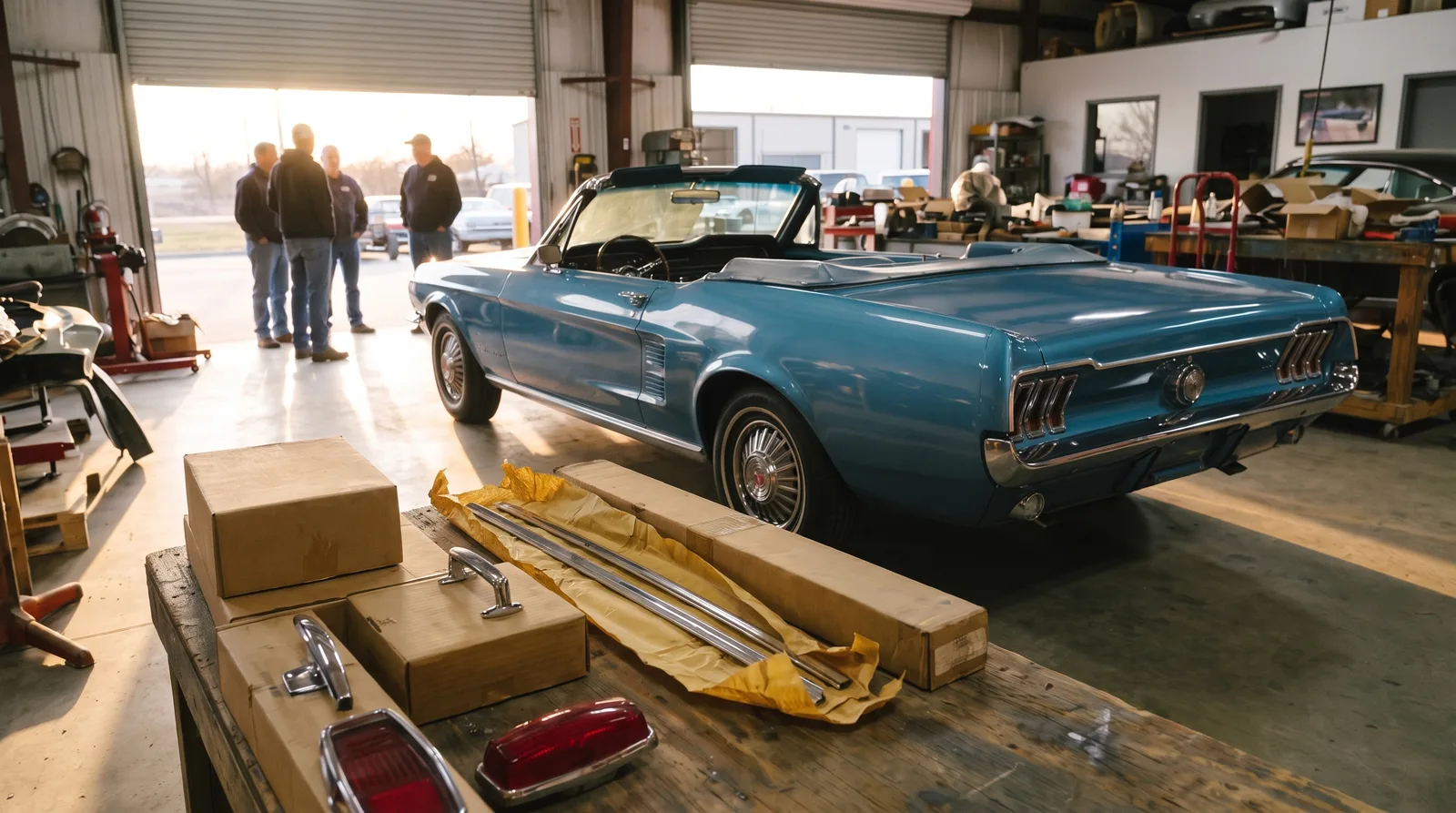
Many programs mention a budget, but the number on screen rarely matches what a shop would quote you for the same work. Parts may be supplied by sponsors; Overhaulin', for one, had sponsors ship parts to the build facility in advance so they could be test fit without waiting on shipments. Labor from the host's own team may not be billed the way a customer's would be. Some shows run on arrangements the audience never sees, so the stated price describes the cost of the television version of the job, not the real one.
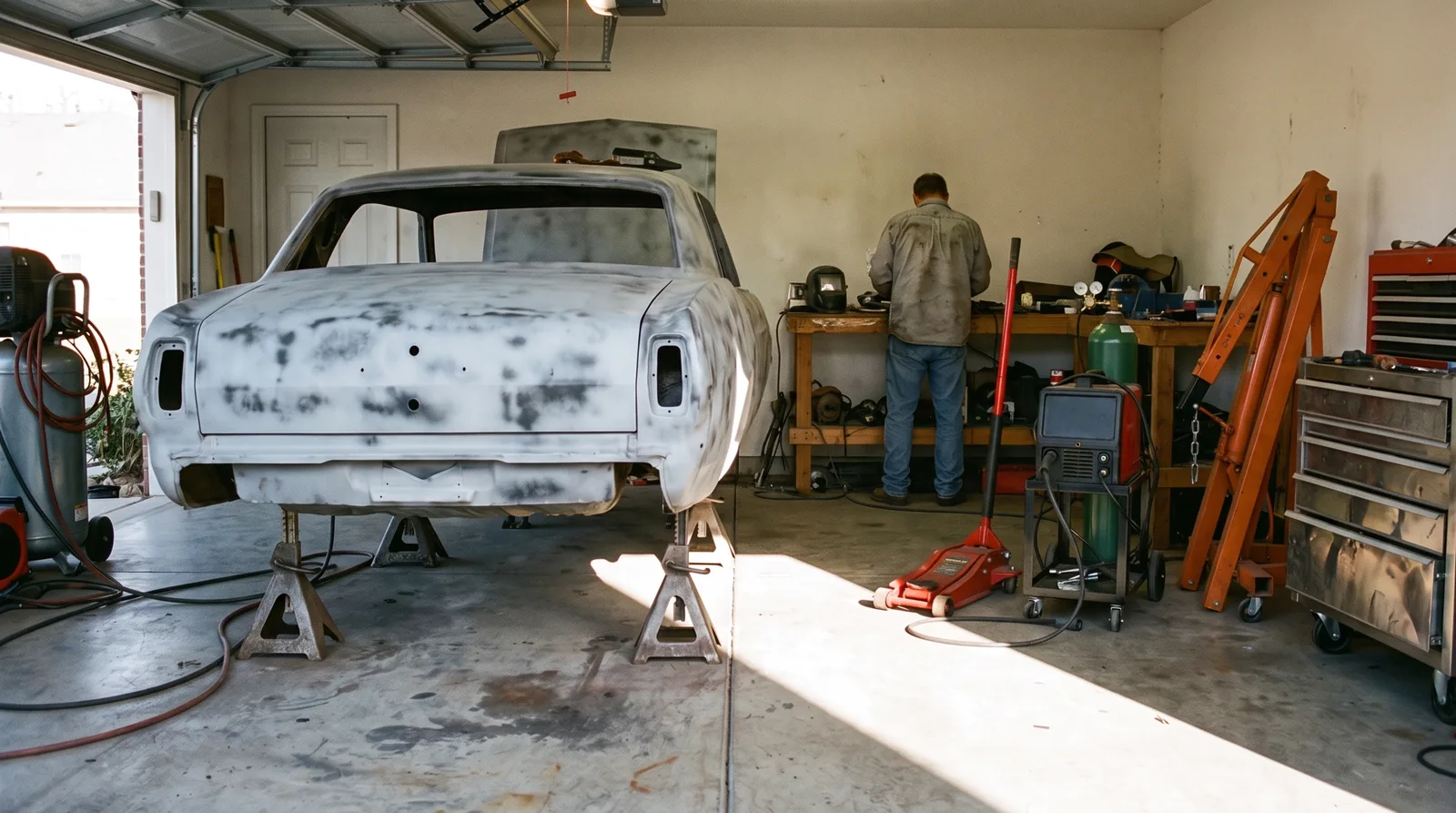
The honest figures are bigger and less cheerful. If you want a grounded picture of what a real restoration costs, start with how labor, parts and sublet work add up, because the labor line is the one TV compresses the most. For a common American classic in 2026, a professional shop restoration typically runs about $45,000 to $100,000 at driver level and $100,000 to $225,000 at show level, and concours work can pass $200,000. Wikipedia notes that a complete restoration can cost more than the finished car is worth. A show that appears to deliver the same result for a fraction of that is showing you something other than a normal customer job.
The drama is edited in, and the boring parts are cut
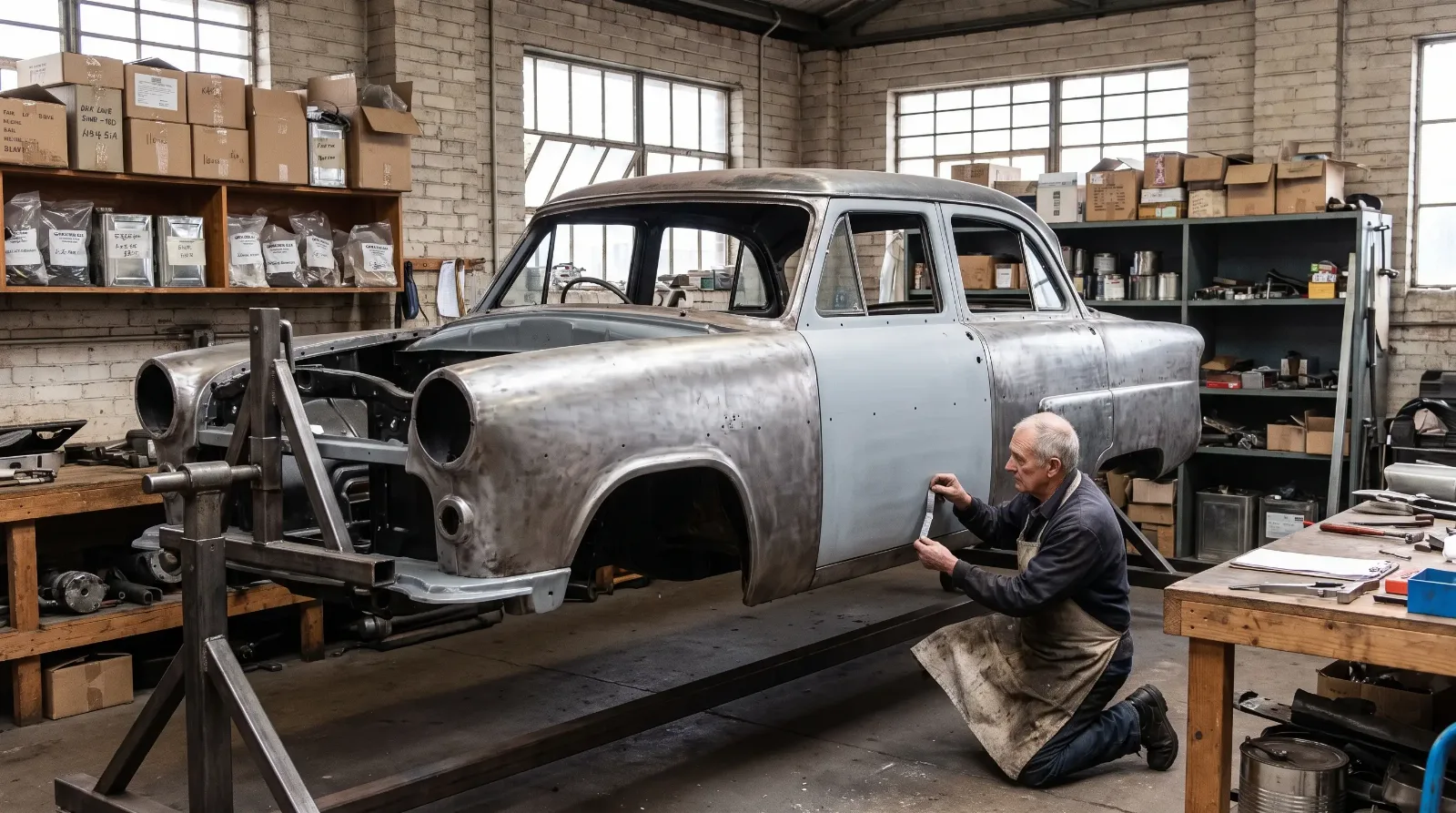
Critics of reality television note that storylines are often built through staging and editing, and in a car show that means a conflict is built where a shop would simply write a note. Television needs a conflict, so a rusted-through floor becomes a crisis and a surprise becomes a twist. In a real shop, rust surprises are common and routine. The skill is in how the shop tells you: with photos, a written change order and a revised estimate before the work continues. You almost never see that on screen, because a signed change order makes poor television.
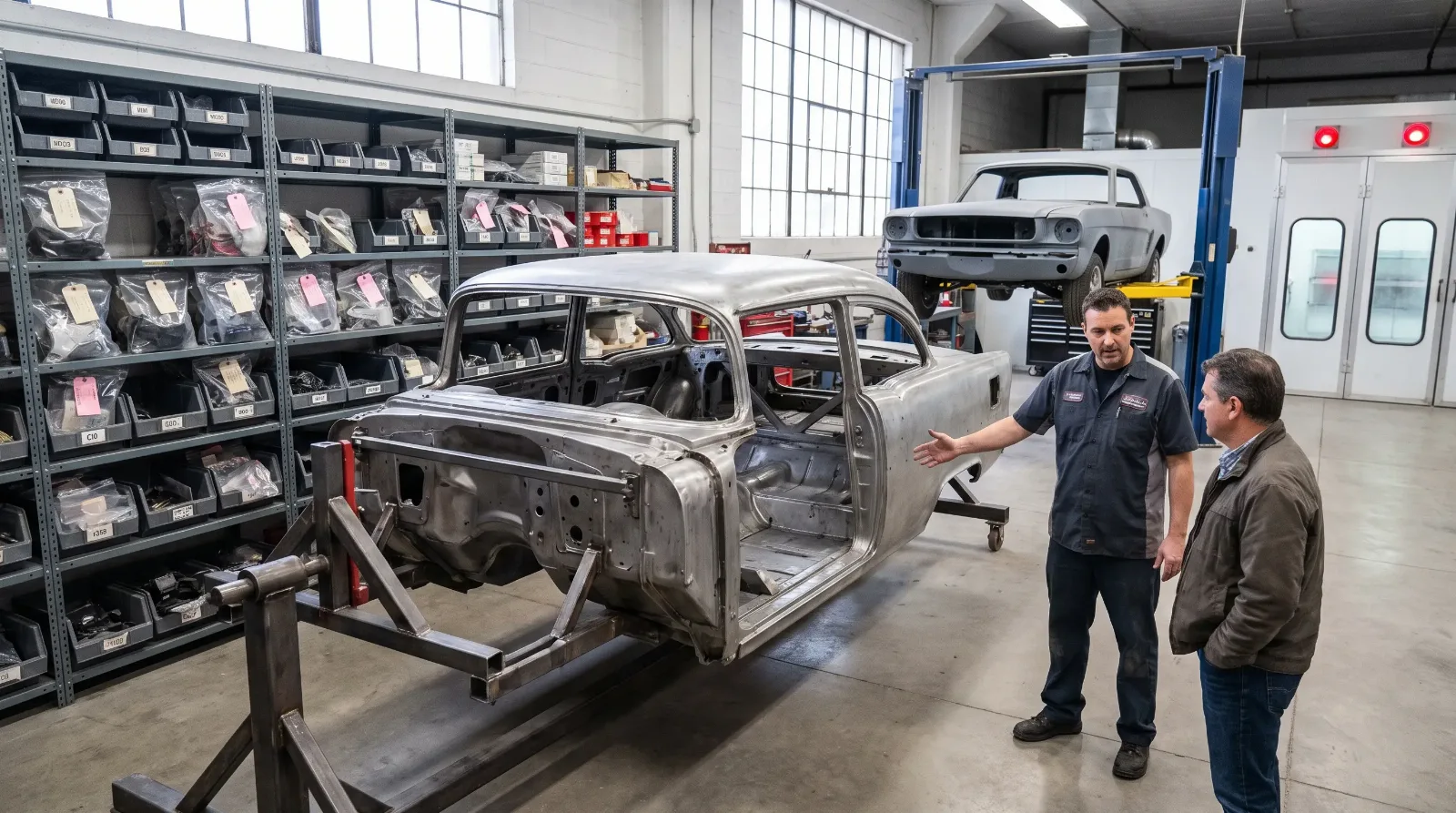
Equally invisible is the long, quiet middle of a job. Bagging and tagging hardware. Measuring a body on the frame. Waiting for a plating shop to return a box of brackets. Test fitting doors and fenders three or four times so the gaps are even. Viewers see the reveal and assume the process between start and finish was a series of montages. It is mostly patience.
Then there is the matter of what a reveal does to your memory. By the time the final scene arrives, the audience has forgotten the delays, the change orders and the day the part arrived wrong. The car is shining, the music swells, and the whole job feels as if it went smoothly. Real owners remember differently, because they lived every week of it, and the honest ones will tell you the build had hard stretches. Ask to talk to them.
Who is actually doing the work
A host is a face. Behind that face there is usually a larger crew and, often, a stable of outside vendors for paint, chrome, upholstery and machine work. Real shops work similarly, and sublet work is normal. The problem is the impression that one charismatic person does everything, and that a customer can walk in and receive that person's undivided attention.
In a working shop, your car competes for the lead tech's hours with every other job on the floor. That is why the best shops are candid about their schedule. A realistic start date, a realistic completion window and an honest answer to "who touches my car" matter more than a famous name over the door.
Getting the right idea from the show
None of this means the shows are worthless. They are good at the thing that gets people into the hobby: they make old cars feel alive. They can also teach vocabulary, such as what a rotisserie is, what media blasting does, and what filler can and cannot hide. Just treat them as a trailer, not a manual.
"The reveal is the last four minutes of a very long story. Ask the shop about the other eleven months."
Nora Beckett
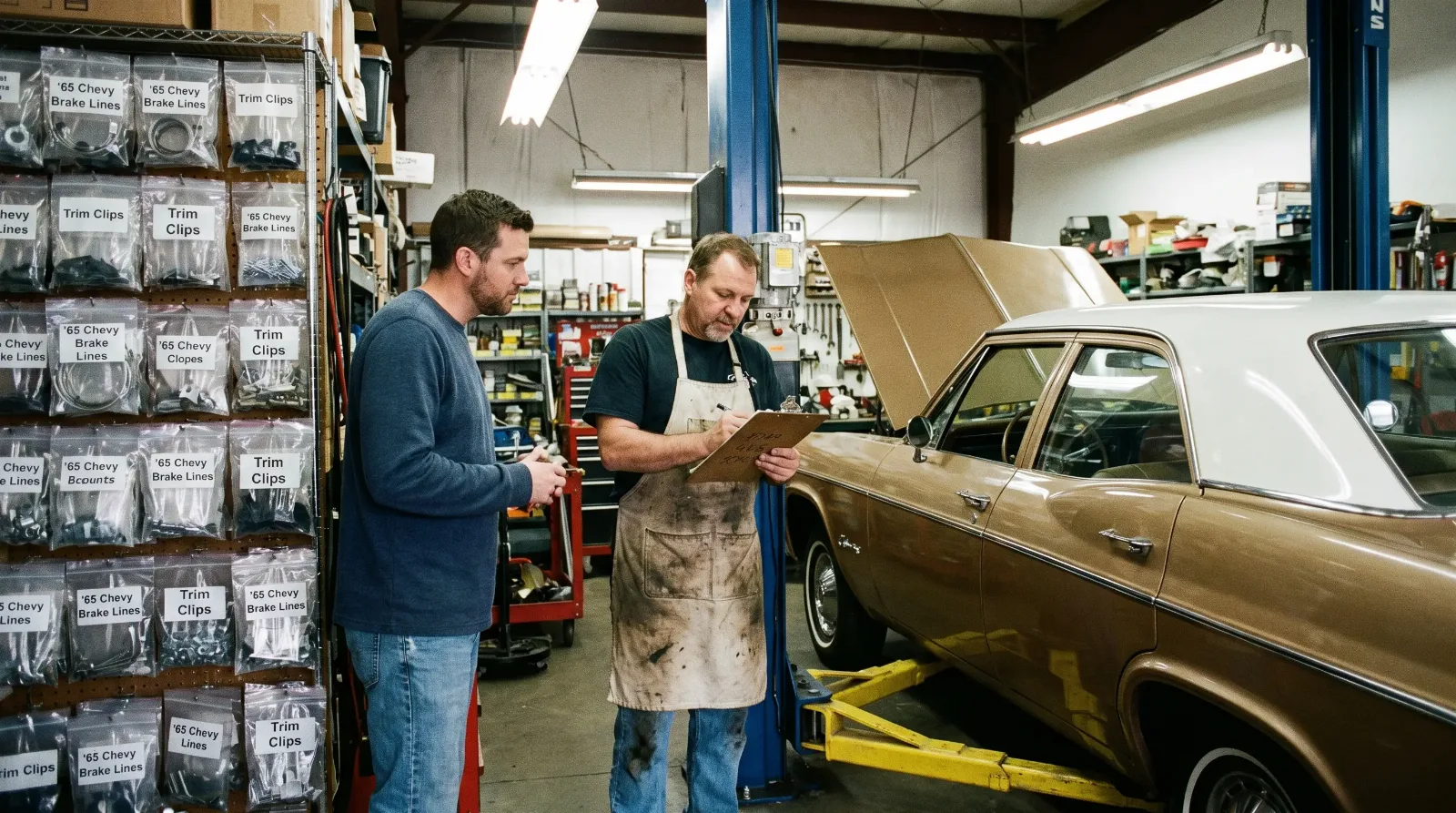
When you move from watching to hiring, change the questions you ask. Instead of "how fast can you do it," ask for a written scope, a timeline with milestones and a billing method you understand. For a practical walkthrough of choosing a real shop, including visits and references, that guide covers the ground the cameras skip.
Then bring a list. Our guide on questions to ask a shop is built for exactly this moment, when the excitement of the couch meets the reality of the shop floor. A good shop will welcome the questions, and a slow answer to a plain question tells you a great deal.
The show gave you the wish. The shop will give you the car, and it will take the time it takes. That is not a failure of the process. It is the process.
Sources and notes
- Overhaulin', Wikipedia, eight-day build window, sponsor-supplied parts shipped in advance, large crew
- Counting Cars, Wikipedia, roughly 22 minute episodes at a working Las Vegas shop
- American Restoration, Wikipedia, roughly 24 minute episodes, a shop running 6 to 12 projects at a time
- The costs of restoring a classic car, RACQ, TV portrayals are unrealistic, real restorations take time and are rarely completed in one session or by one shop, and costs far exceed restored value
- How much does it cost to restore a classic car? Hagerty, hidden expenses, labor and parts as the main costs, and restoration cost typically exceeding the car's value
Related Reading
Have a
Classic Car
for Sale?
Reach thousands of serious classic car collectors across the US.
Sell It Here →
Selling a classic? Here's how: compare the places to sell classic cars
Are You a Classic Car Dealer?
List your full inventory and connect with targeted classic car buyers.
Join as a Dealer →
#restoration cost
#restoration timeline
#choosing a shop
#restoration tv shows
#restoration expectations

About the author
Nora Beckett
Automotive features writer and photographer who tells the human stories behind the cars, from show fields to cross-country road trips.
Watched one such programme with my wife. She then asked why the Jaguar took four years. Quite.