
For nearly two decades, an American car was, in profile, a collection of distinct parts. A hood. A cowl. Two front fenders that stood proud of the body, swelling out over the wheels like separate sculptures bolted to a common frame. That vocabulary, sometimes called pontoon styling for the way each fender formed its own rounded volume, had defined mainstream design since the early 1930s. By 1948, it was over, and the change happened faster than most design shifts in automotive history.
Car Features
6 min read
The Great 1948 Design Shift: Goodbye Pontoon Fenders
By 1948, the rounded, separate fenders that had defined American cars for two decades gave way almost overnight to unified slab-sided bodies.
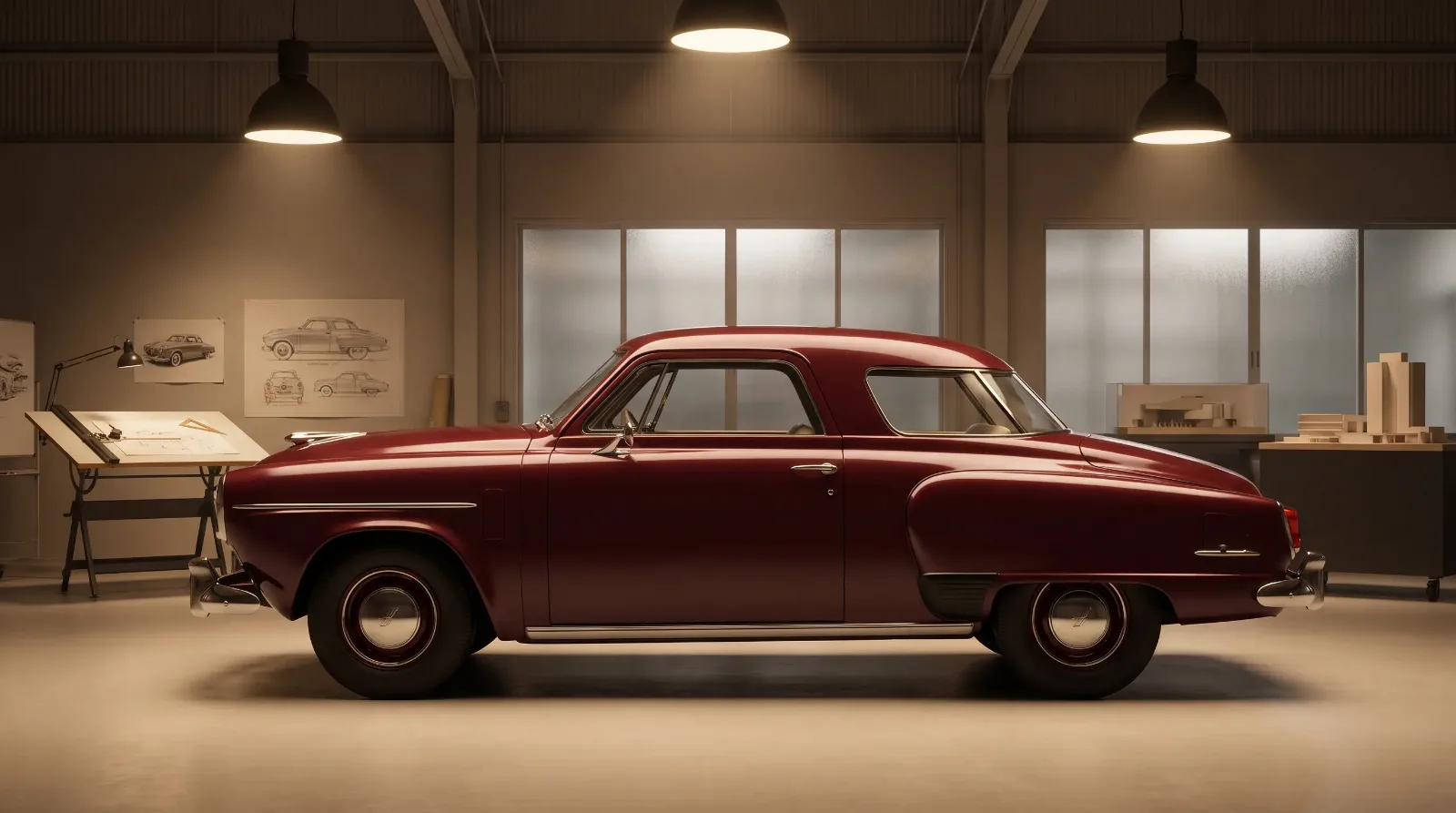
Understanding why matters as much as understanding what changed. This was not a stylistic whim. It reflected new manufacturing methods, new steel-forming capability, and a design philosophy that treated the car as a single unified form rather than an assembly of separate, expressive shapes. The cars on either side of that line look like they belong to different decades, even when only a year or two separates them.
What pontoon fenders actually were
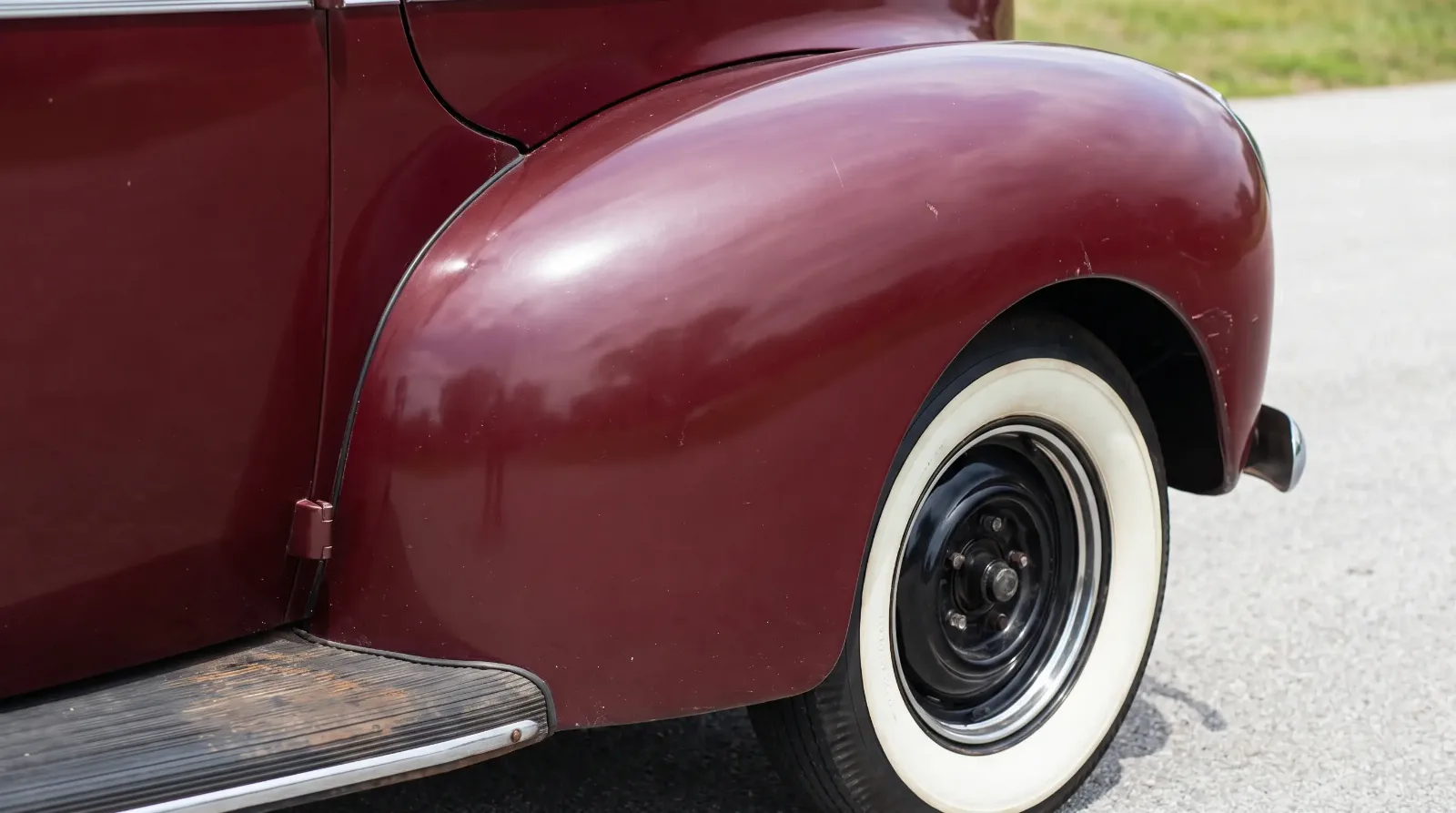
A pontoon fender is exactly what it sounds like: a rounded, self-contained volume, standing apart from the main body, that swells out to cover the wheel and then tucks back in toward the running board or rocker panel. The design traces back to the 1930s, when separate fenders were the only practical way to cover a wheel that needed to turn, and it persisted for years afterward, softened and enlarged, but never fully integrated into the main body shell.
Coachbuilders and factory stylists alike spent the 1930s and early 1940s refining the pontoon idea, blending fender into running board, smoothing the transition into the hood, but the underlying structure never changed. The fender remained its own thing, a shape you could trace with your eye as separate from the passenger compartment behind it. That separateness is the defining visual habit the 1948 cars broke.
Structurally, the pontoon fender was also a bolt-on assembly, attached to the body rather than stamped as part of it, which had real practical consequences. A damaged fender could be unbolted and replaced without touching the rest of the body, a repair advantage owners of these cars still appreciate today. The envelope-bodied cars that followed traded that easy repairability for a cleaner, more unified appearance, and the shift in body engineering that made unified stamping practical at scale is as important to this story as the styling itself.
The cars that made the break
The Studebaker Champion and Commander of 1947, styled under Raymond Loewy's studio, are usually credited as the first mainstream American cars to fully abandon the pontoon fender in favor of a slab-sided, envelope body, where the fender line simply became part of one continuous surface running from headlamp to taillamp. Studebaker's own advertising leaned on the novelty with the slogan "First by far with a post-war car," but it was the public and the automotive press who coined the more famous nickname, joking that you couldn't tell whether the car was coming or going, a comment on how symmetrical and unified the new shape looked from either end.
By 1948 and into 1949, most of the major manufacturers had followed with their own envelope-bodied designs, though the transition was uneven. Some makes moved quickly; others held onto separate-fender styling on certain models for another year or two while flagship lines led the change. The shift also coincided with genuinely new postwar engineering underneath the sheet metal in many cases, since automakers had spent the war years developing manufacturing techniques that made the new unified bodies practical to stamp at volume.
Reading originality on a transition-era car
For collectors, cars from this handoff period reward careful attention to originality. A late pontoon-fendered car and an early envelope-bodied car from the same manufacturer can sit only a model year apart, yet represent essentially different design philosophies, and provenance matters accordingly. Buyers should look closely at whether trim, badging, and body details are correct for the specific model year claimed, since parts sometimes crossed between years during restorations performed decades later without careful reference to factory documentation.
The transition also produced some genuinely awkward in-between designs, as stylists experimented with partially integrated fenders that were neither fully pontoon nor fully envelope. These transitional cars are historically interesting precisely because they show a design language caught mid-change, and they deserve to be judged on those terms rather than measured against the cleaner solutions that followed a year or two later.
Restoration shops that specialize in this period often note that transitional-era cars are among the hardest to source parts for, since they were built in smaller numbers over a shorter window than either the long-running pontoon models before them or the envelope-bodied cars that dominated the following decade. Owners of these in-between cars frequently end up commissioning reproduction trim rather than finding original stock, which makes documentation of the exact factory specification even more important before any restoration work begins.
| Design era | Approximate years | Defining trait |
|---|---|---|
| Classic pontoon | Early 1930s to 1946 | Fully separate, rounded fenders |
| Late pontoon / transitional | 1946 to 1948 | Fenders partly blended into body |
| Envelope / slab-sided | 1947 to 1949 onward | Single unified body surface |
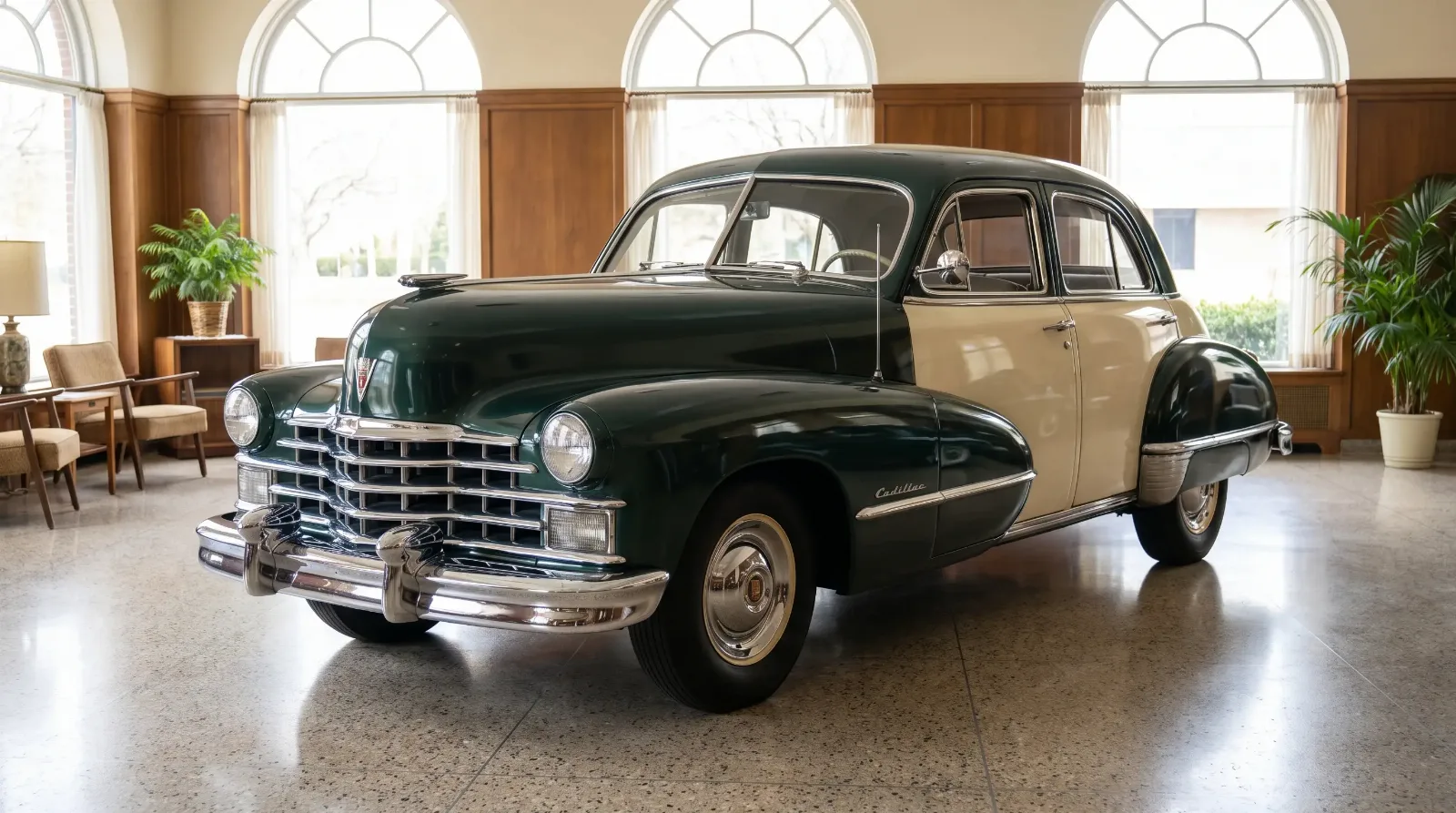
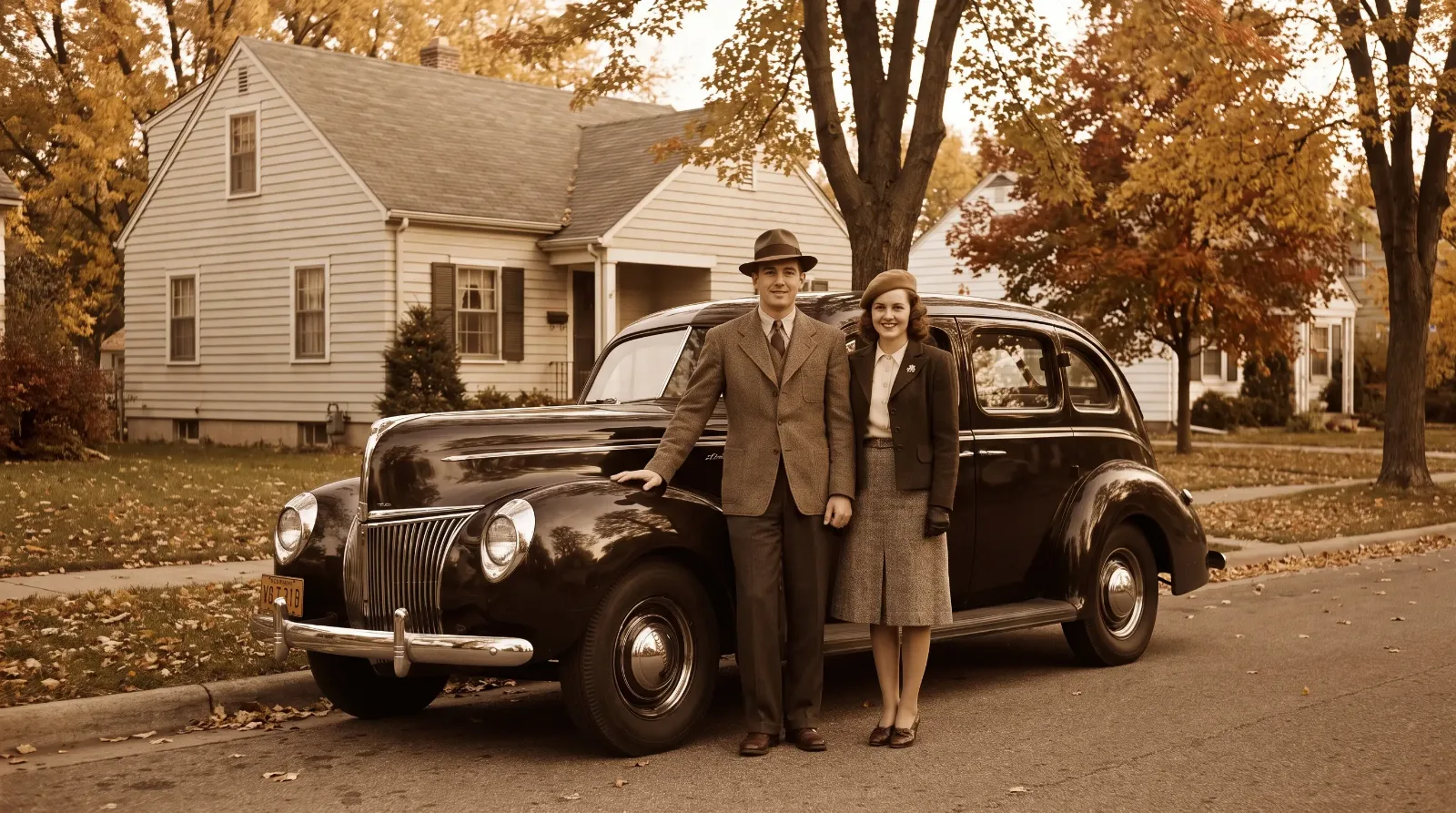
This narrowing window sits at the tail end of a much longer story about American automotive design, one that traces back through the streamline experiments of the 1930s to America's antique automobiles, where the separate-fender vocabulary first took hold.
Why the shift still matters to how we look at cars
The move away from pontoon fenders marks, more clearly than almost any other single design change, the boundary between what most people mean by a prewar car and a postwar one. It is a useful dividing line for collectors and historians alike, not because the underlying mechanicals changed overnight, they mostly did not, but because the visual language did, decisively and within a very short span of years.
"You can date a car from this period almost at a glance once you train your eye on the fender line. Separate and rounded means one era. Continuous and slab-sided means another. Very few design changes in automotive history are that legible at a distance."
Sarah Whitfield
The years immediately after this shift brought their own distinct body styles, including the wood-bodied wagons that carried a very different, more artisanal construction method into the same postwar period, a story covered in a related read, and further context on the broader design arc of the decade sits in more on 1940s car design evolution.
Sources and notes
Related Reading

Have a
Classic Car
for Sale?
Reach thousands of serious classic car collectors across the US.
Sell It Here →
Are You a Classic Car Dealer?
List your full inventory and connect with targeted classic car buyers.
Join as a Dealer →
#pre-war classics
#1940s car design evolution
#pontoon fenders
#envelope body design
#studebaker 1947
#postwar styling

About the author
Sarah Whitfield
Third-generation classic car collector specializing in pre-war American and European coachbuilt automobiles. Researcher and concours enthusiast.


Comments
Be the first to comment on this article.