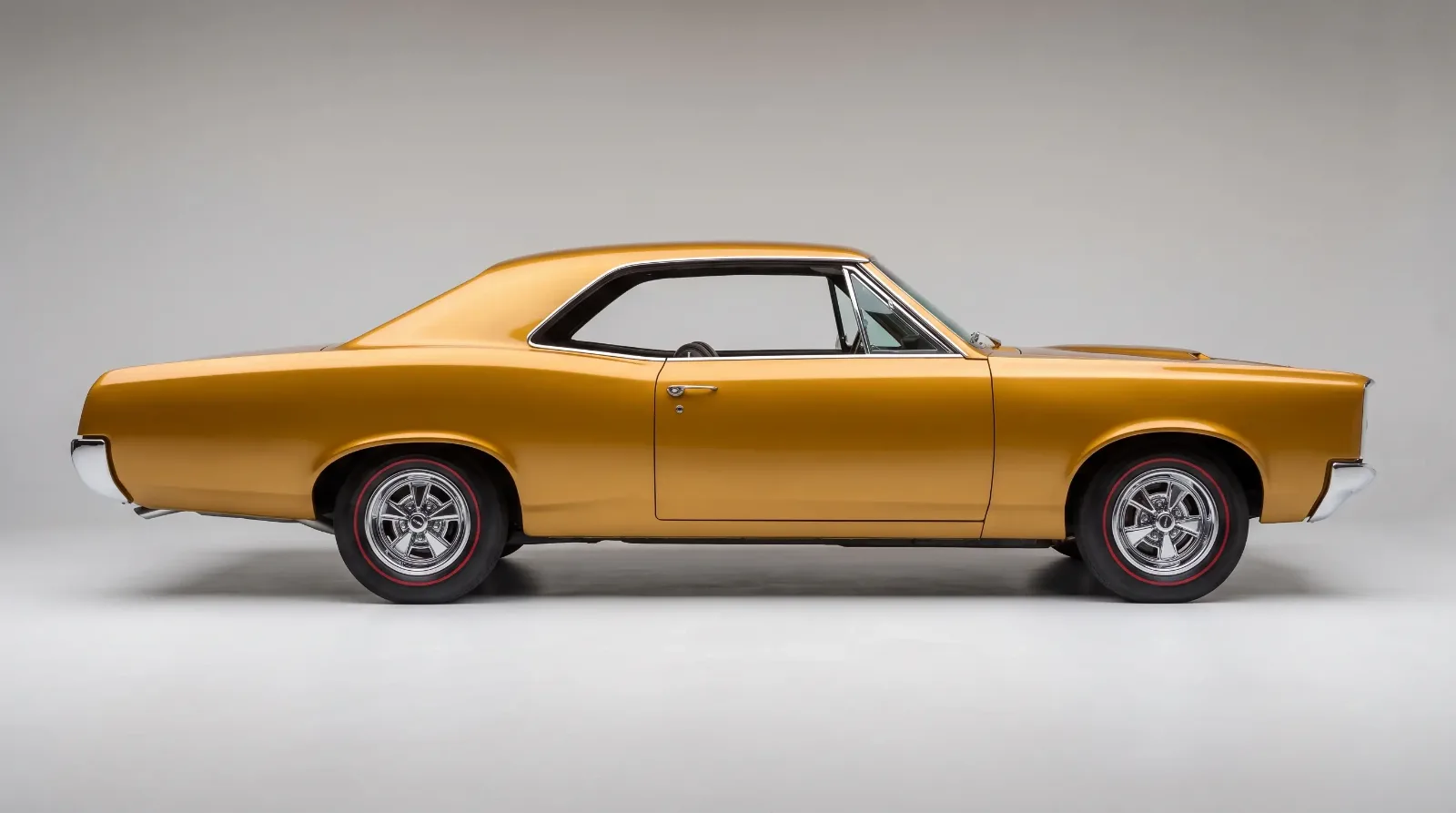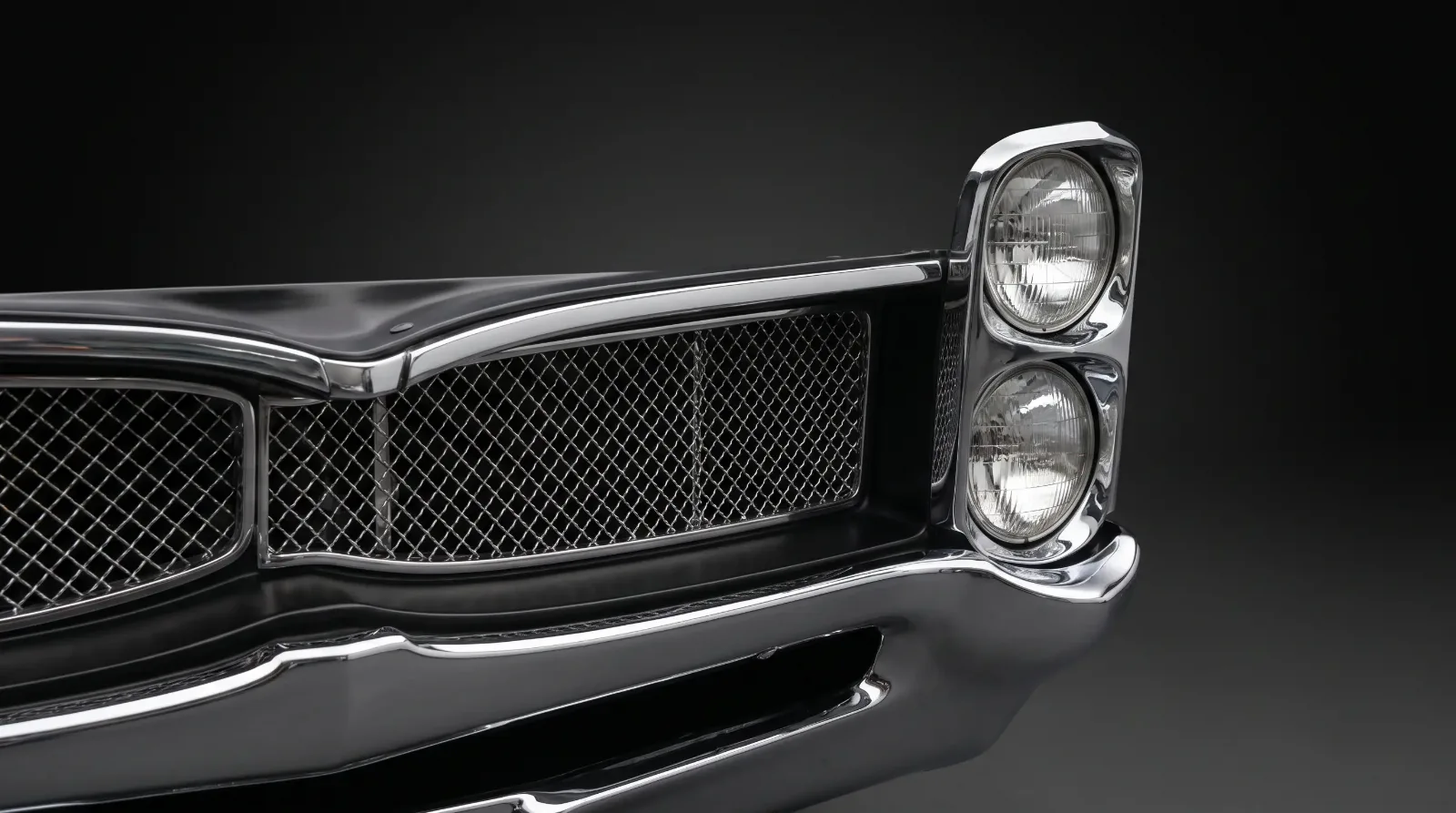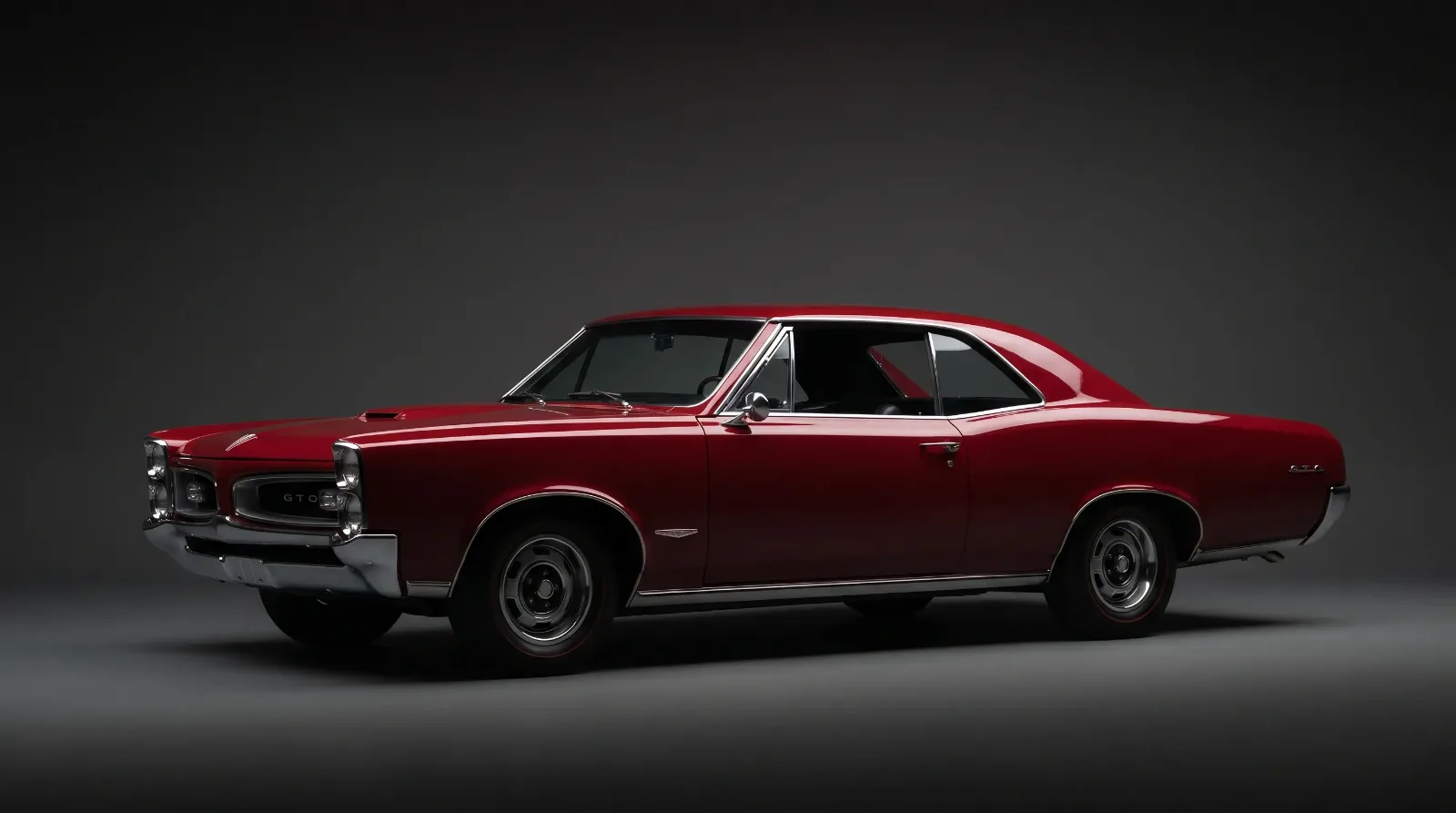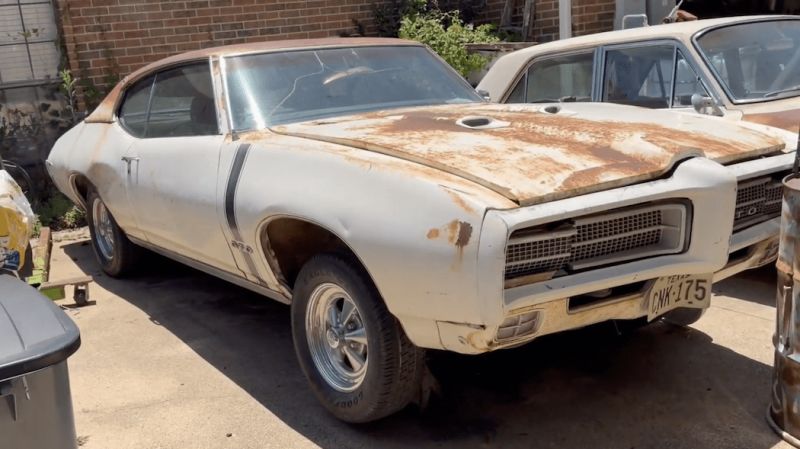
Every GTO club has at least one member who owns a car most other members have never seen in person, and in this silo that car is almost always a 1967 Ram Air. Pontiac built these in genuinely small numbers, sold them semi-quietly through the parts counter as much as the regular order form, and left behind a paper trail that keeps registry researchers busy decades later. If you've never heard of it, you're not alone, and that's kind of the point.
What "Ram Air" actually meant on a 1967 GTO
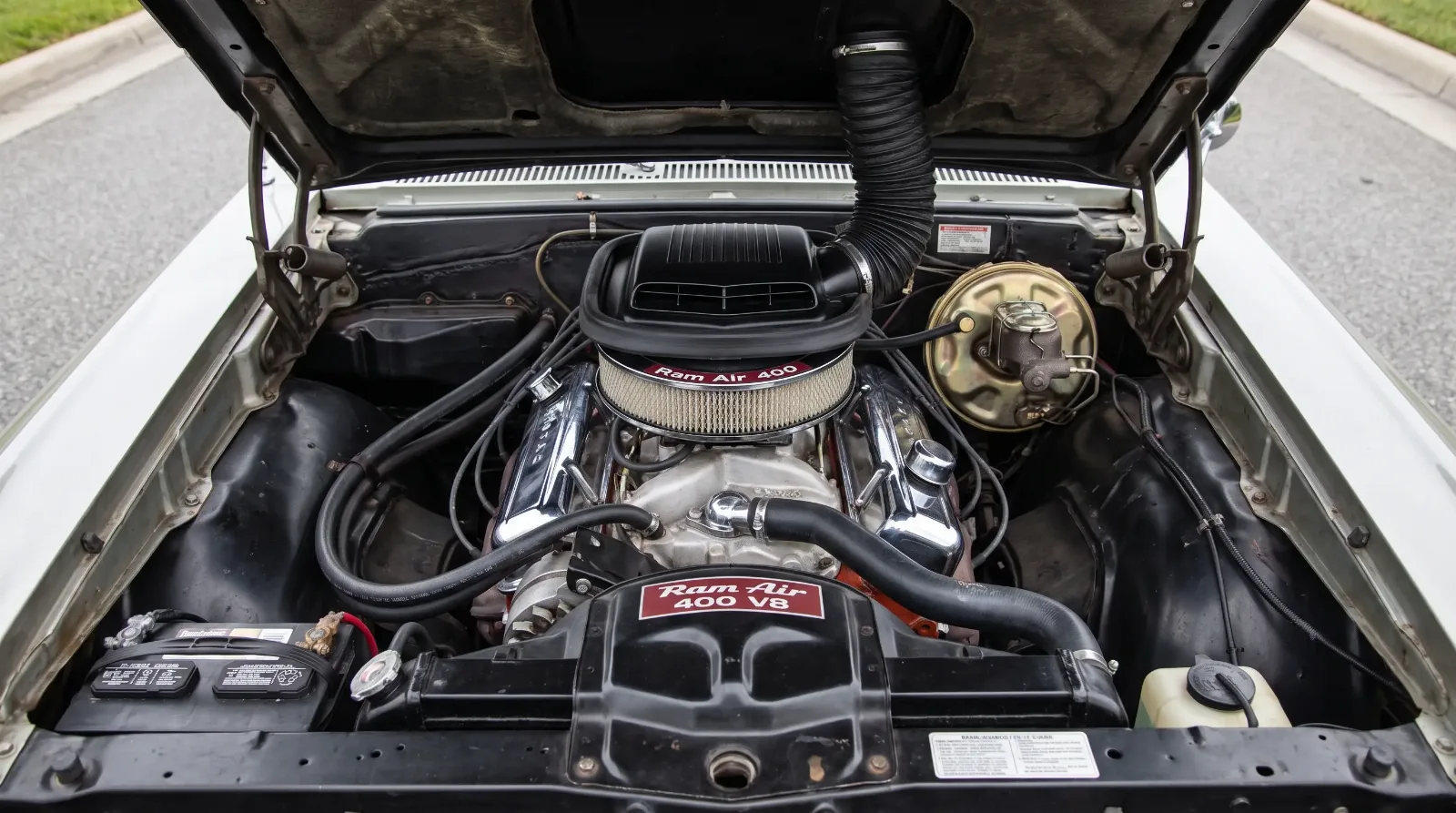
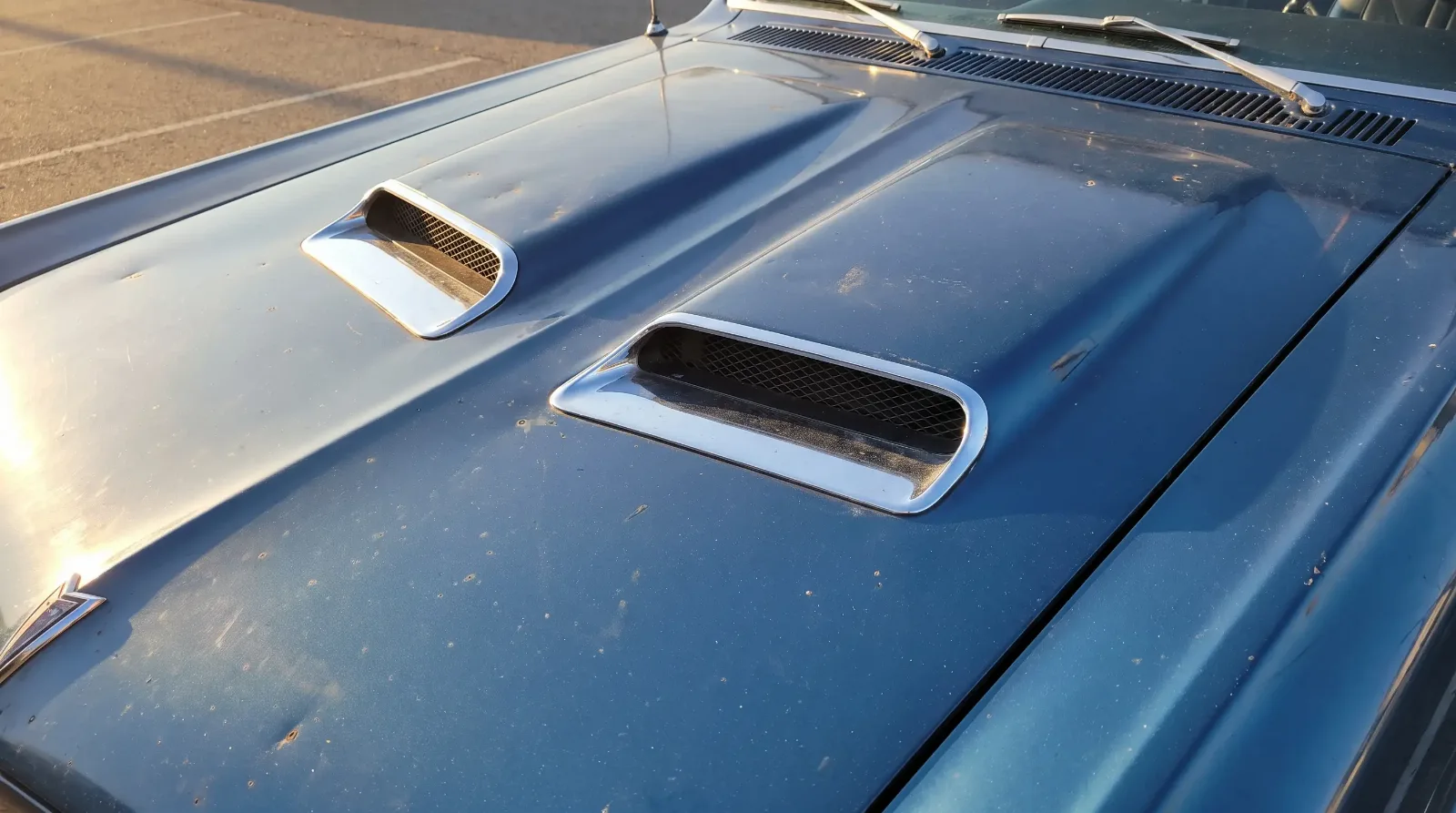
Regular 1967 GTOs shipped with functional-looking hood scoops that were, in truth, mostly for show, sealed off from the engine underneath. The Ram Air option changed that. Pontiac opened a path from the scoops down to the air cleaner, letting the engine pull in cooler outside air instead of hot underhood air, and paired the setup with a different camshaft profile tuned for higher-rpm breathing. The result was an engine that gave up a little low-end torque compared to the standard 400 in exchange for real gains higher in the rev range, exactly the trade a dedicated street and strip buyer wanted.
Documentation from surviving dealer literature and factory parts records puts factory output for the Ram Air-equipped 400 at 360 hp, the same gross rating Pontiac quoted for the standard HO engine, though most people in the hobby will tell you that number was conservative and the real gains showed up higher in the rev range where the standard HO ran out of breath. The engine option itself carries the code XS on the build sheet, manual-transmission cars only, and that code is one of the first things a documentation-minded buyer checks.
An "under the counter" option, more or less
What sets the Ram Air package apart from most factory options is how it reached buyers. Rather than being a prominent line item pushed in GTO advertising, it was available in limited quantity and often installed or specified through channels closer to Pontiac's performance parts network than the standard consumer order form, which is where the "under-the-counter" reputation comes from among longtime club members. Dealers who understood what they were selling could point a serious performance buyer toward it. A buyer who walked in cold, asking about the base GTO, likely never heard the option mentioned.
That distribution pattern is exactly why documentation matters so much with these cars today. A Ram Air GTO without a verifiable build sheet, PHS documentation, or a clear factory invoice trail is a much harder car to authenticate than a documented Tri-Power or standard 400 HO, simply because the option moved through less conventional channels in period.
How a car actually left the factory this way
The paper trail on a genuine 1967 Ram Air car typically runs through a combination of the original invoice, any surviving dealer correspondence, and the factory's own production records where they still exist. Because the option wasn't a simple checkbox on the standard order form the way a power steering or air conditioning option was, the way it got specified could vary by dealer and by region. Some cars show up with the option coded cleanly on a build sheet. Others show only fragments, a parts invoice here, a dealer service record there, that a researcher has to piece together into a complete picture. That inconsistency isn't a red flag on its own. It's simply a reflection of how unevenly the option moved through Pontiac's ordering system in period, and it's exactly why registry work on these cars looks more like archival research than a simple database lookup.
A buyer evaluating a claimed Ram Air car should expect the seller to walk through that paper trail piece by piece rather than pointing to a single document and calling the case closed. The strongest claims are the ones built from multiple independent sources that corroborate each other, not a single invoice that could, in theory, belong to a different car entirely.
What separates a genuine survivor from a well-intentioned tribute
Plenty of GTO owners have built a 1967 into what a Ram Air car would have looked like, correct scoops opened up, correct camshaft installed, correct badging applied, without ever claiming the car left the factory that way. There's nothing dishonest about that, as long as the owner is upfront about it, and a well-executed tribute car can be a genuinely satisfying thing to own and drive. The trouble starts when a tribute car's history gets fuzzy over a few changes of ownership, and what began as an honest recreation ends up described, a decade or two later, as an original factory Ram Air car by someone who either doesn't know better or doesn't want to know better.
That's a big part of why a buyer needs to ask not just whether a car has Ram Air equipment on it now, but how long it's had that equipment, who installed it, and what the paper trail shows from the original build forward. A car that's worn Ram Air parts since new tells a completely different story than a car that acquired them at some point during a restoration thirty years later, even if the two look identical sitting side by side in a parking lot.
Why registries and club records matter here
I've spent a lot of years around GTO club registries, and the Ram Air cars are where that work earns its keep. With production numbers this small, and with option installation records that were never as centralized as Pontiac's mainstream paperwork, the club and registry community has effectively become the authentication authority for these cars. A serious buyer doesn't just ask a seller whether a car is a genuine Ram Air GTO. They ask which registry has documented it, and what that documentation actually shows.
The registry work itself is slower and more painstaking than most people outside the hobby would guess. It means cross-referencing old dealer invoices against parts numbers, tracking ownership chains through decades of title transfers, and sometimes simply waiting years for a piece of corroborating paperwork to surface from an estate sale or a forgotten filing cabinet. Anyone doing this work seriously will tell you that a car's status can change, a "believed genuine" example can get bumped up to fully documented when new paperwork surfaces, and a car once thought to be an original can occasionally get downgraded when a closer look at the numbers doesn't hold up. That fluidity is uncomfortable for anyone hoping for a simple yes-or-no answer, but it's the honest state of the hobby with a car this thinly documented from the factory forward.
None of that should discourage a genuinely interested buyer. It should just set expectations correctly. A 1967 Ram Air GTO is not a car you buy off a listing photo and a confident seller's description. It's a car you buy after doing the same kind of homework the registry researchers themselves do.
"The paperwork on a car like this is worth more than the paint. I've watched a beautifully restored car lose real money at sale because the seller couldn't produce anything beyond a story, and I've watched a rough, unrestored survivor bring a premium because every option on it traced back to a factory record."
— Wayne Coburn
Where the Ram Air fits in the bigger picture
The Ram Air option is one of the more obscure corners of the Coke-bottle GTO years, the same body-generation window that gave the GTO its most recognizable early shape. It's a reminder that even a well-documented, widely produced car like the GTO has pockets of genuine rarity hiding inside its production run, if you know where to look and who to ask.
If the styling that made this era so distinctive is what draws you in rather than the rare-option chase, read on for the story of how that shape came together. And for the full picture of where the GTO came from before it ever wore a Ram Air scoop, how the GTO began covers the 1964 original and everything that followed.