
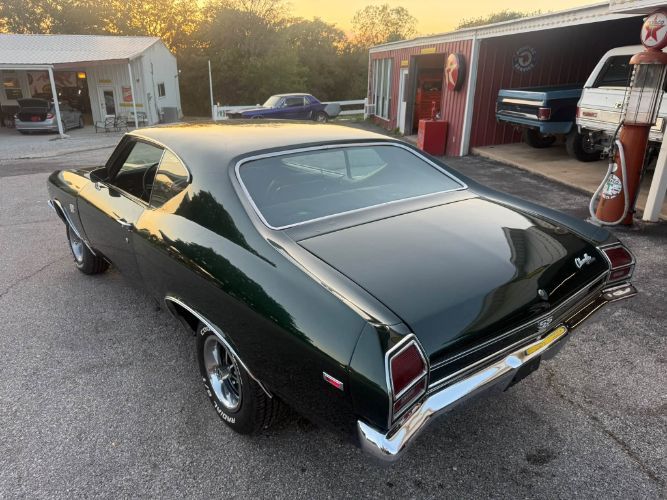
Stand behind a 1968 Chevelle SS coupe and look at the rear glass. It doesn't sit flush against the roof panel the way a normal notchback does. It's recessed, tunneled into a channel formed by the sail panels on either side, so the whole rear roofline reads like it's been carved rather than stamped flat. That's the tunnelback, and it's the single riskiest styling call Chevrolet made on this body through the entire A-body run.
Car Features
6 min read
1968's Tunnelback Roof: A Semi-Fastback Gamble
How the recessed sail-panel tunnelback roof reshaped the 1968 Chevelle SS coupe, and what it means for sheetmetal repair today.
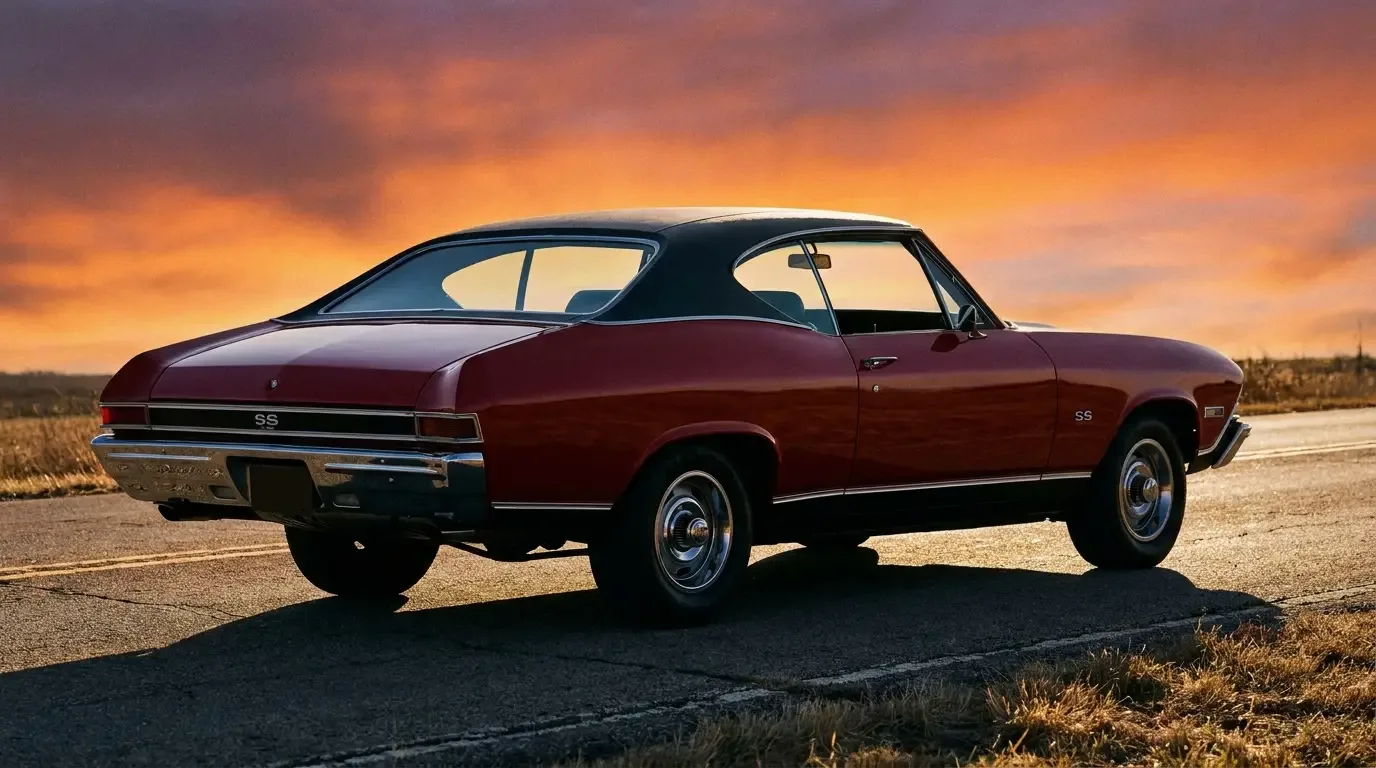
I look at rooflines the way other guys look at engine blocks, because the roof is the hardest panel on any car to get right. Doors and quarters can hide a lot of sins under trim and paint. A roof either reads correctly from every angle or it doesn't, and there's nowhere to bury the mistake. The '68 tunnelback is a genuine gamble, and it mostly pays off.
An entirely new body, not a running change
The lead-up to this body change tracked a broader shift happening across the industry. By the mid-1960s, buyers weren't just cross-shopping intermediates on price and practicality anymore, they were cross-shopping them on drama, and Chevrolet's design studio drew the 1968 Chevelle to compete on those terms directly. Splitting the coupe onto its own shorter wheelbase rather than sharing chassis dimensions across every body style was a genuine engineering commitment, not a trim exercise, and it's the foundation everything else about this car's aggressive stance is built on.
1968 brought a full platform overhaul. The two-door coupe rode on a shorter 112-inch wheelbase while the sedan and wagon kept a longer chassis, a split that let the coupe's proportions get noticeably tighter and more aggressive than anything in the lineup before it. The coke-bottle waist that had been building through 1966 and 1967 got pushed further, with a deeper tuck at the doors and a wider flare over the rear wheels. Single headlights replaced the quad setup used on most trims the year before, cleaning up the front end and giving the grille opening a wider, lower look.
Against that backdrop, the roof panel is where the real design statement lives. Rather than a conventional flat backlight sitting on top of the trunk line, the SS coupe's roof tapers down and in toward the rear window, with the sail panels forming a visual tunnel around the glass. It's not a true fastback, the trunk lid and rear deck are separate and fairly upright, which is exactly why the term semi-fastback gets used alongside tunnelback. It's a roof pretending to be a fastback without actually committing to one.
Why the tunnelback works, and where it doesn't
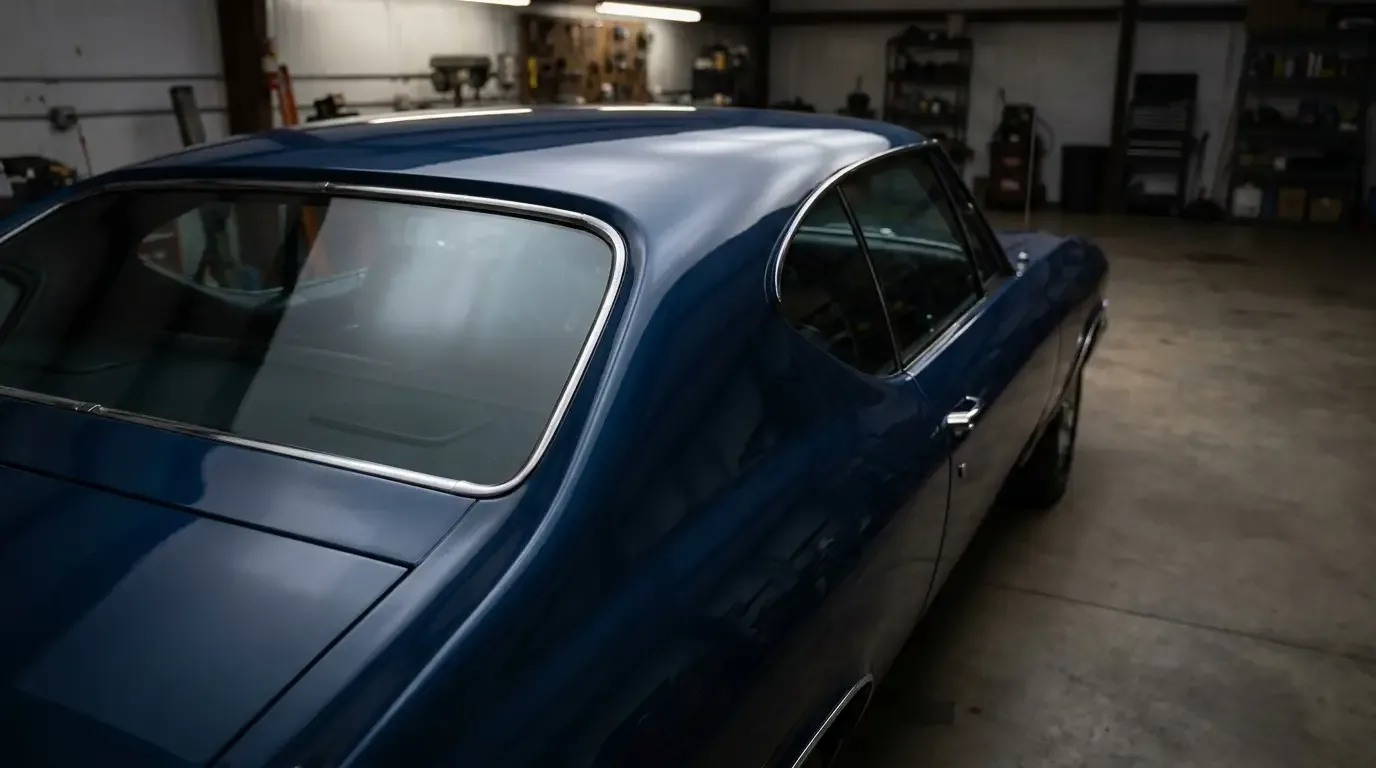
From a three-quarter rear angle, the tunneled backlight makes the roof look like it's flowing directly into the deck lid, which is the whole illusion the shape is going for. The sail panels catch shadow in a way a flat roof simply can't, and that shadow line does a lot of work making the car look lower and faster than its actual roof height. It's a genuinely clever piece of surfacing.
Where it gets tricky is straight-on from the rear. Because the backlight is recessed and angled, visibility out the back is worse than a conventional notchback, and the tunnel shape can look slightly heavy-handed on cars finished in darker colors, where the shadow effect the designers were counting on reads as just a big dark mass instead of a defined channel. Lighter colors and a clean vinyl top treatment tend to show the shape off better than solid dark paint does, in my experience looking at these side by side at shows.
Sheetmetal work on a tunnelback today
If you're repairing rust or accident damage on one of these roofs, the sail panel is unforgiving. It's a compound curve that has to transition cleanly from the door pillar into the recessed backlight channel, and there isn't a flat section anywhere to hide a filler-heavy repair. Reproduction sail panels exist, but fitment varies enough between suppliers that test-fitting before final welding isn't optional. A tunnelback roof with an eighth-inch gap mismatch at the backlight trim is obvious from ten feet away in a way that a similar gap on a flat trunk lid simply isn't.
This is also a body worth understanding before you get deep into a restoration budget, since roof and quarter panel work on this generation runs more labor-intensive than the flatter, simpler bodies that came before it. The payoff, when it's done right, is a roofline that still looks aggressive more than five decades later.
Vinyl top fitment on a tunnelback deserves its own mention, since the recessed backlight channel changes how the material has to be stretched and trimmed compared to a flat-roofed hardtop. A vinyl top installer who's only worked flat roofs will often pull the material too tight across the sail panel transition, which flattens the very shadow line the design is built around. It's a small detail, but it's the kind of thing that separates a car that looks right from one that just looks vinyl-topped.
"A tunnelback roof either flows or it doesn't, there's no middle ground. I've seen shops rush the sail panel transition and the whole car looks off after, even with a perfect paint job, because your eye catches the roof before it catches anything else on that car."
Jim Vasquez
Setting up the next design leap
The 1968 body, tunnelback and all, held through 1969 with only detail trim changes before the more sculpted, more heavily flared body arrived for next: 1970. Seen in sequence, the tunnelback is the moment the Chevelle stopped being a well-proportioned family-adjacent coupe and started being a shape built almost entirely around drama. That shift matters to anyone tracing the Chevelle's design story from its restrained 1964 debut through to its most aggressive years, or looking for the full Chevelle story across the whole model run.
Sources and notes
Related Reading
Have a
Chevrolet Chevelle
for Sale?
Reach thousands of serious classic car collectors across the US.
Sell It Here →
Are You a Classic Car Dealer?
List your full inventory and connect with targeted classic car buyers.
Join as a Dealer →

About the author
Jim Vasquez
Southern California hot rod and custom car builder with roots in the traditional kustom kulture scene.
Related Listings - Chevrolet Chevelle
Comments
Be the first to comment on this article.