
Every club meet has one guy who claims his GTO is a Ram Air IV, and every club meet has three other guys who quietly don't believe him until he pulls out the documentation. That's not cynicism. It's earned skepticism, built up over decades of watching this specific claim get made more often than the actual production numbers support. The Ram Air IV, especially in a non-Judge car, is one of the genuinely rare options in the entire 1969 GTO lineup, and the story around it is worth telling straight.
Car Features
7 min read
The Rare 1969 Ram Air IV GTO (Non-Judge)
A plain-trim 1969 GTO with a factory Ram Air IV under the hood is a sleeper, and one of the harder cars in the lineup to prove.
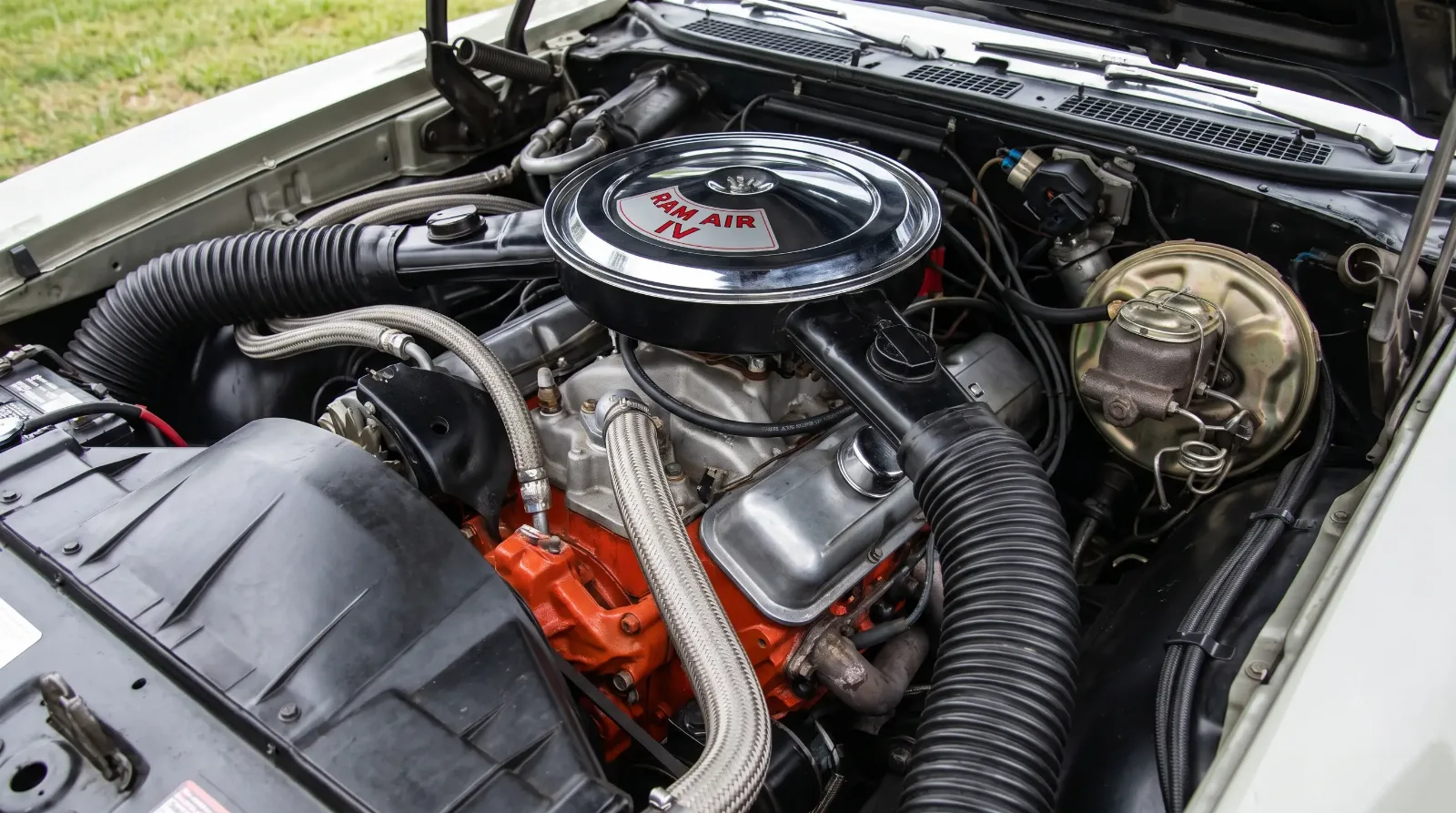
What made the Ram Air IV different
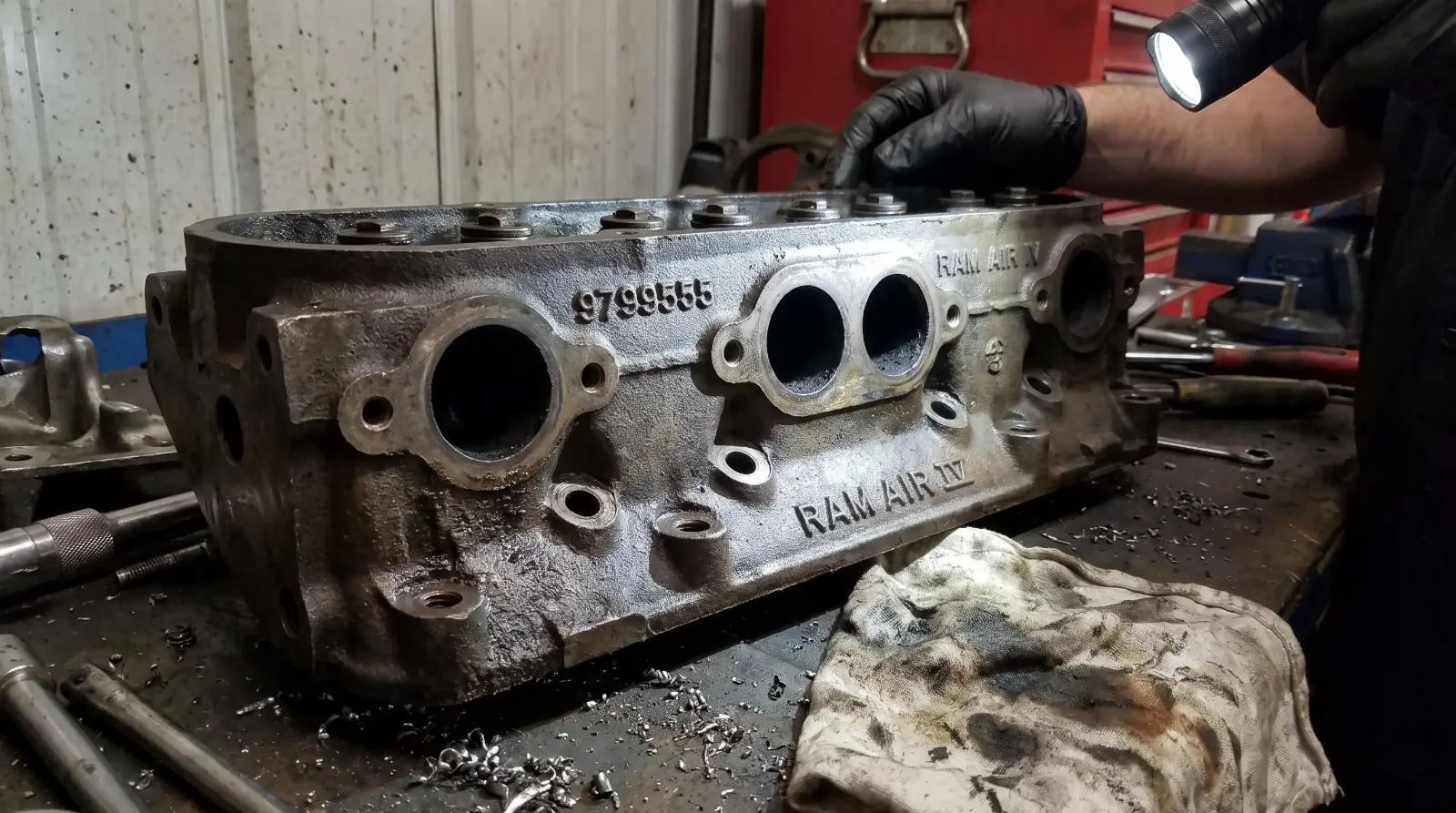
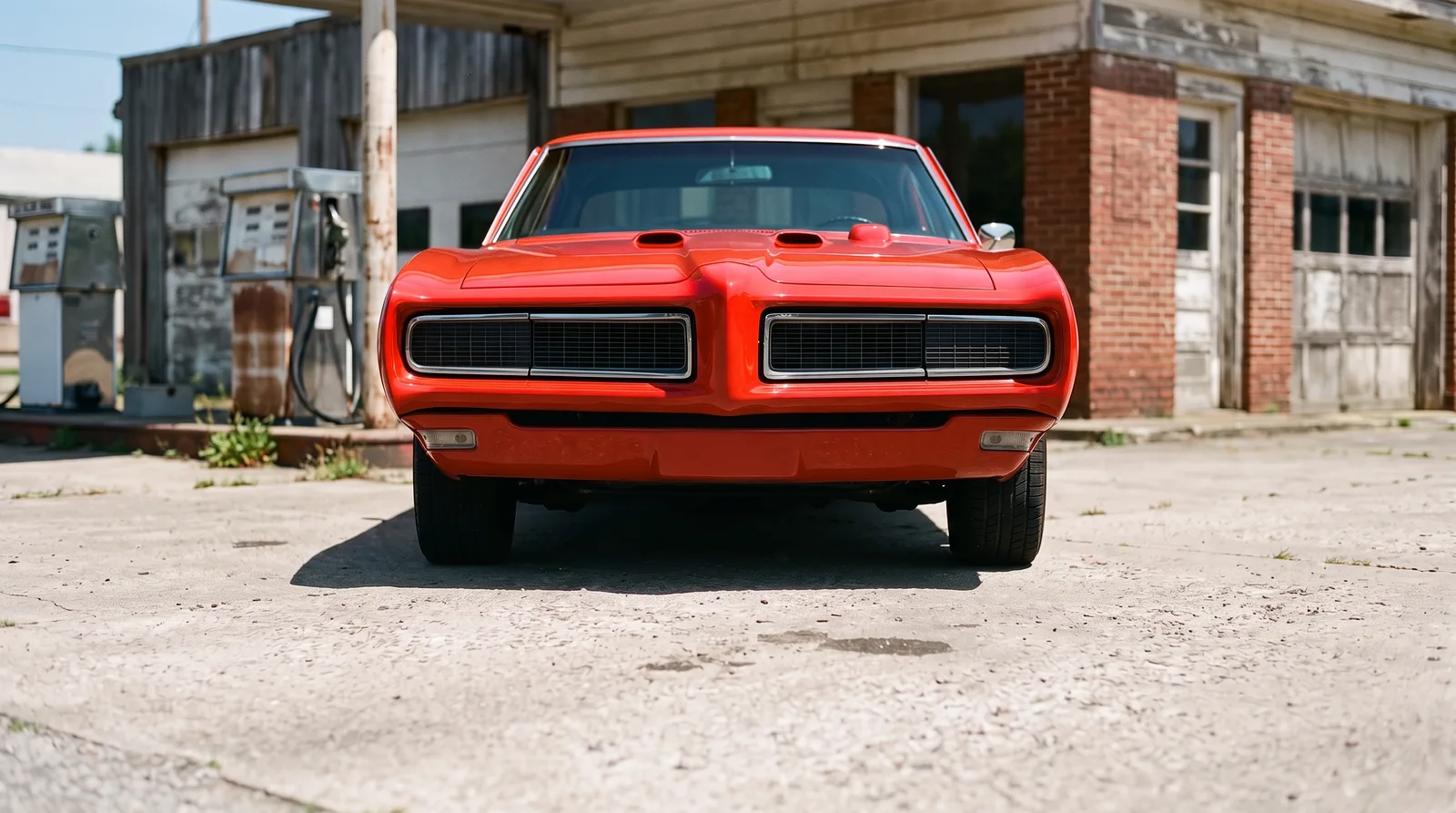
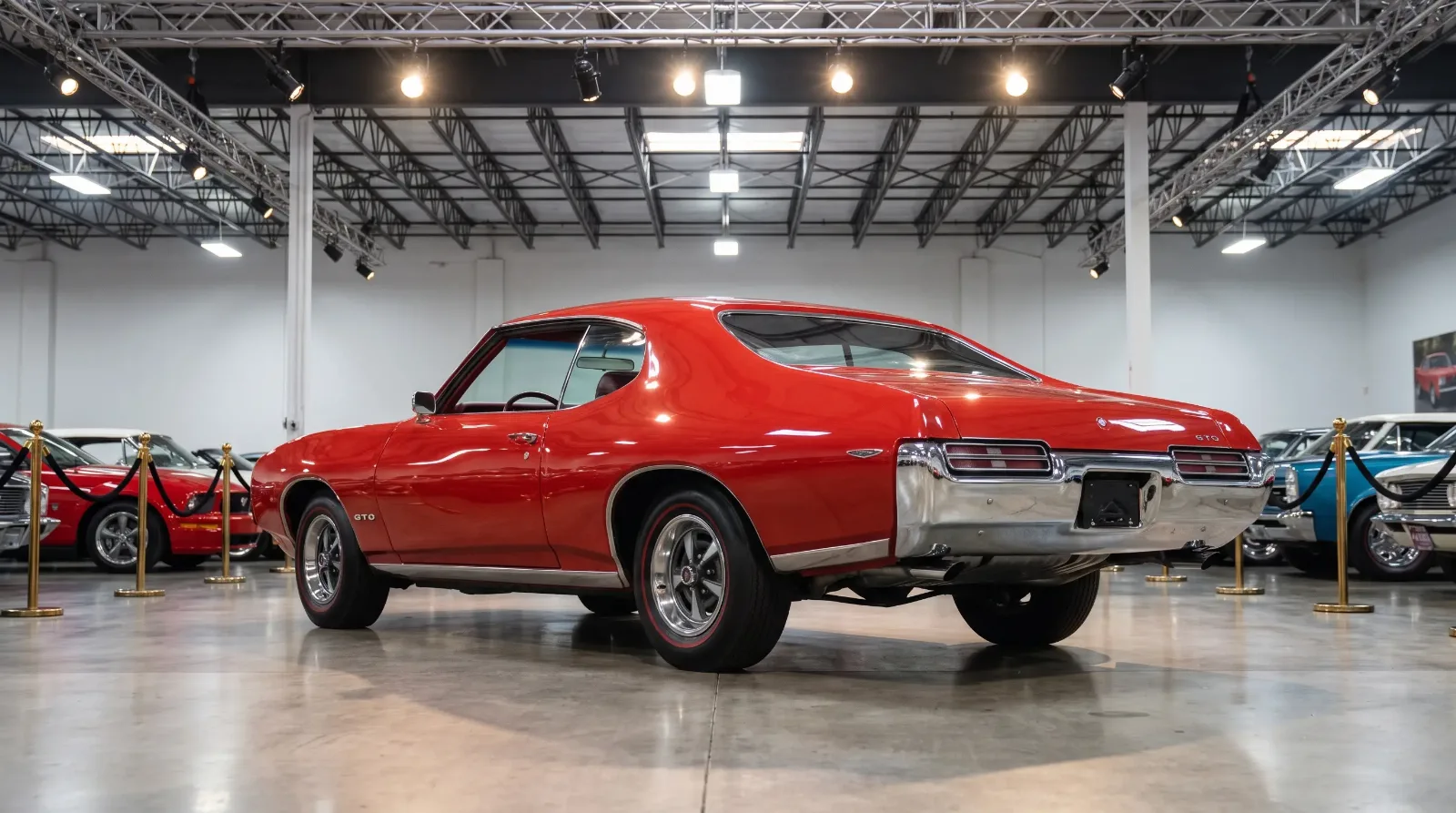
The Ram Air IV was the top engine option available on the 1969 GTO, built around a specific high-flow cylinder head casting and camshaft combination that Pontiac engineered for serious performance beyond what the more common Ram Air III delivered. It wasn't marketed as heavily as The Judge package that launched the same model year, and that's part of why it's the quieter rarity story. The Judge got the stripes, the wing, the advertising campaign. The Ram Air IV, when ordered on a plain GTO without the Judge trim, is a sleeper in the truest sense, a car that looks like any other GTO from across a parking lot but carries the most serious factory engine option available that year under its hood.
I've sat with enough of these owners over coffee at meets to hear the same story repeated: a car bought used in the early seventies for not much money, because a high-strung, harder-to-live-with engine option wasn't what most used-car buyers wanted once gas got expensive and insurance companies started flagging big-engine muscle cars for surcharges. The guys who kept theirs, who didn't sell into that early-seventies downturn, are sitting on genuinely significant cars today, and most of them know it.
Why the non-Judge Ram Air IV is the harder find
A Judge with the Ram Air IV option combines two rare specifications into one car, and while that combination is itself scarce, it's also the combination collectors specifically hunt for, meaning it's documented, discussed, and tracked within the registry community more thoroughly than the plainer version. A base-trim GTO, no Judge package, with a factory-original Ram Air IV under the hood is arguably the harder car to authenticate today precisely because it didn't attract the same attention when new or through the following decades. Nobody was specifically preserving these the way they preserved Judges. Some got driven hard and used up. Some had their original engines swapped out for something more streetable or more reliable by owners who didn't understand or care what they had.
| Detail | Ram Air III GTO | Ram Air IV GTO |
|---|---|---|
| Relative production volume | More common Ram Air option | Rare, roughly 759 units across body styles |
| Cylinder heads | Standard Ram Air casting | Round-port, high-flow specific casting |
| Typical buyer profile at the time | Broader performance buyer | Serious performance buyer, often ordered with 4-speed |
| Documentation difficulty today | Moderate | High, especially on non-Judge cars |
What the registries and clubs actually verify
The Pontiac-specific clubs and registries that track these cars do real work cross-referencing VIN, engine casting numbers, and any surviving build documentation before a car gets accepted into their registry as a verified Ram Air IV. This isn't paperwork for its own sake. It's the mechanism that keeps a genuinely rare option from being diluted by well-intentioned but incorrect claims, or by outright misrepresentation from a seller trying to move a car for more money than an honest description would command. I've sat on verification panels at club events, and the number of cars presented with confidence that turn out to have replacement engines, correct-for-the-era but not numbers-matching, is higher than most newcomers to the hobby expect.
That's not a reason to distrust every claimed Ram Air IV car. It's a reason to ask for the paperwork before you factor the premium into an offer. The engine casting number, the correct date code, and ideally a build sheet or PHS documentation report are what turns a claim into a verified fact. Anyone serious about buying one of these should also read up on the Endura-era GTO as a whole before narrowing in on this specific engine option, because the broader context of what Pontiac was building that generation helps explain why the Ram Air IV mattered so much within the lineup.
What a real inspection looks like
If someone's offering you a non-Judge 1969 GTO claimed as a factory Ram Air IV car, don't take the seller's word or even a prior appraisal at face value without doing your own legwork. Start with the engine casting numbers on the block, cross-referenced against Pontiac's known casting number ranges for that specific engine option and model year. Then check the cylinder heads directly, since the round-port design is a physical, visible distinction from the Ram Air III heads, not something you have to take on faith from a casting number alone.
From there, ask for PHS documentation or an equivalent build-record service if the seller has one, and if they don't, treat that absence as a negotiating point, not a disqualifier. Plenty of legitimate Ram Air IV cars are out there without paperwork simply because nobody thought to preserve a build sheet in 1971 when the car was just a used muscle car nobody was worried about documenting. The absence of paper doesn't prove the car isn't real. It just means you're relying more heavily on physical verification, casting numbers, date codes, and ideally a second opinion from someone who's handled several of these engines in person.
I'd also encourage any serious buyer to talk to the Pontiac-Oakland Club International or a comparable registry group before finalizing a purchase. These organizations aren't gatekeeping for the sake of exclusivity. They've built institutional knowledge over decades about which casting number ranges are legitimate for which model years, which VIN sequences correlate with which factory options, and where the common fraud patterns tend to show up. That knowledge is worth more than any single seller's assurance, however sincere it sounds across a driveway.
The Hurst-shifted four-speed cars, common on Ram Air IV orders from buyers who wanted the full performance package, connect directly to a bigger story about how Pontiac and Hurst built a partnership that defined the whole era's driving experience, and read on covers that relationship in full. It's worth understanding both halves of that story if you're chasing one of these cars, because the shifter and the engine option were frequently ordered together by buyers who wanted every piece of the performance puzzle.
For anyone new to the model's history entirely, how the GTO began is worth reading first, because the Ram Air IV's place at the top of the performance hierarchy only makes sense in the context of what the GTO was originally built to prove back in 1964.
"Every fuelie Corvette owner learns fast that the tank sticker settles the argument. GTO guys learn the same lesson with a Ram Air IV. Somebody at the club had a theory about that car for years, until the casting numbers came back, and that was the end of the bench-racing."
Wayne Coburn
The Ram Air IV, non-Judge, is one of those cars that rewards patience and paperwork over enthusiasm. Buy the documentation, not just the story, and you'll end up with something genuinely special instead of an expensive lesson.
Sources and notes
Related Reading

Have a
Pontiac GTO
for Sale?
Reach thousands of serious classic car collectors across the US.
Sell It Here →
Selling a classic? Here's how: compare the places to sell classic cars
Are You a Classic Car Dealer?
List your full inventory and connect with targeted classic car buyers.
Join as a Dealer →

About the author
Wayne Coburn
Longtime Corvette owner, judge and club figure who knows the cars, the records and the people behind them.
Related Listings - Pontiac GTO


Comments
Be the first to comment on this article.