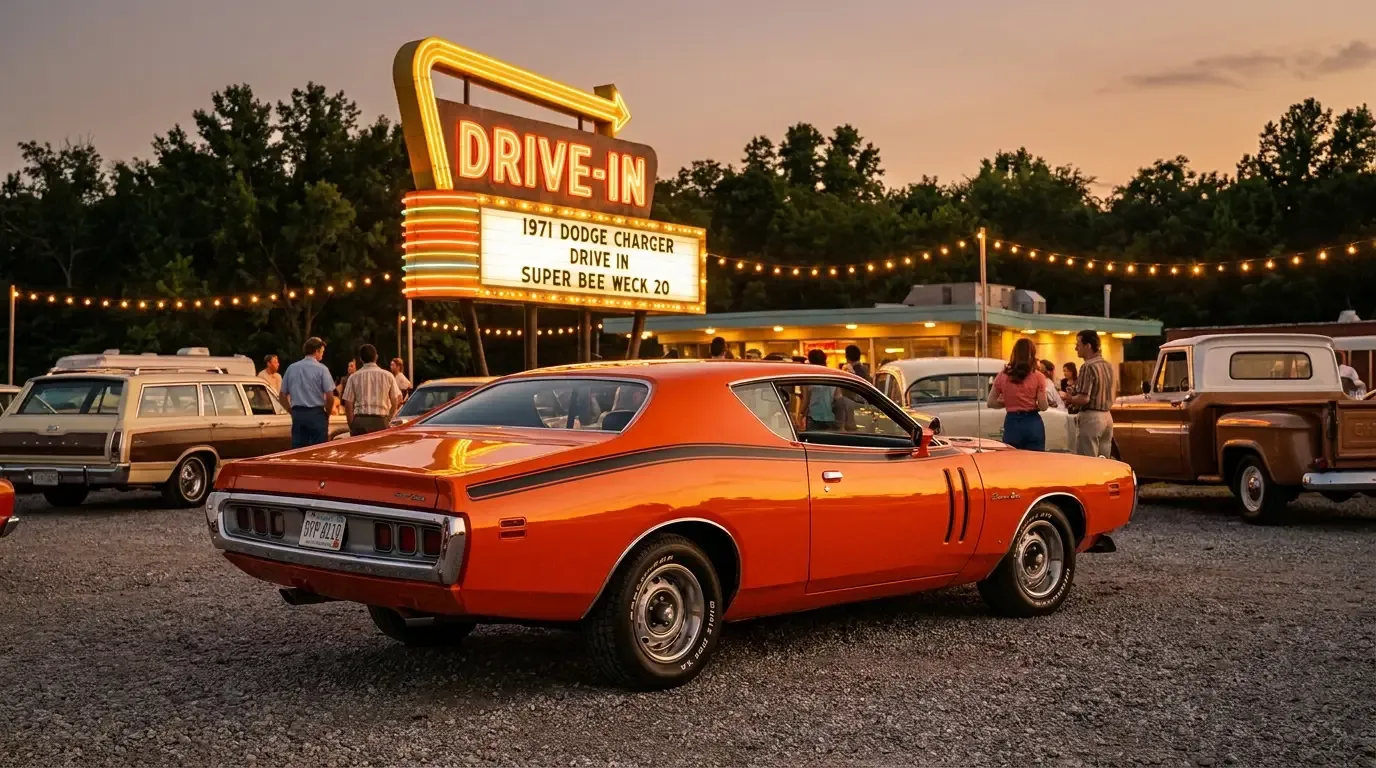
The guy I met at a swap meet outside Columbus had a picture in his wallet, actual photo paper, not a phone screen, of his father's 1971 Charger Super Bee parked outside a drive-in that closed decades ago. He wasn't selling anything. He just wanted someone to look at it. That's the kind of car this is. It sits at the tail end of an era, and the people who owned one new tend to remember exactly where they were standing when they bought it.
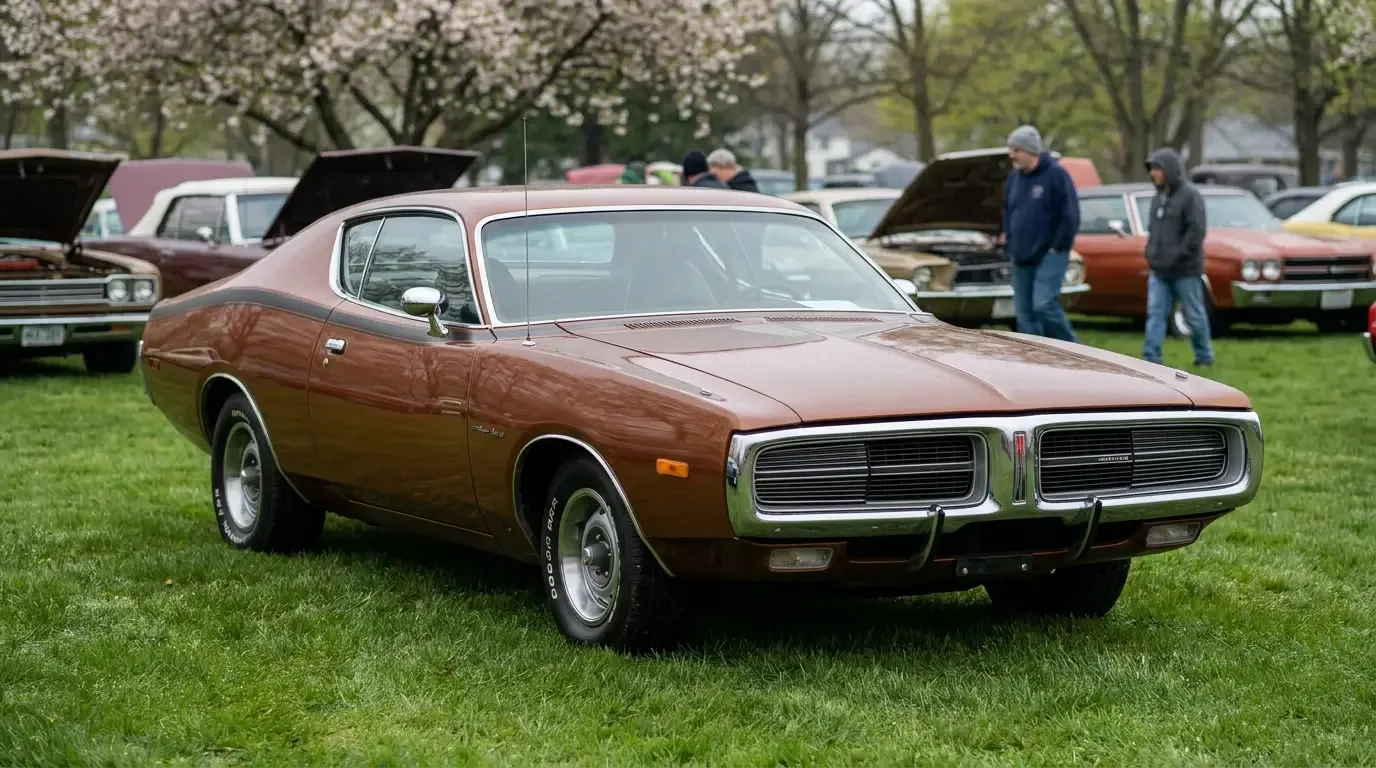
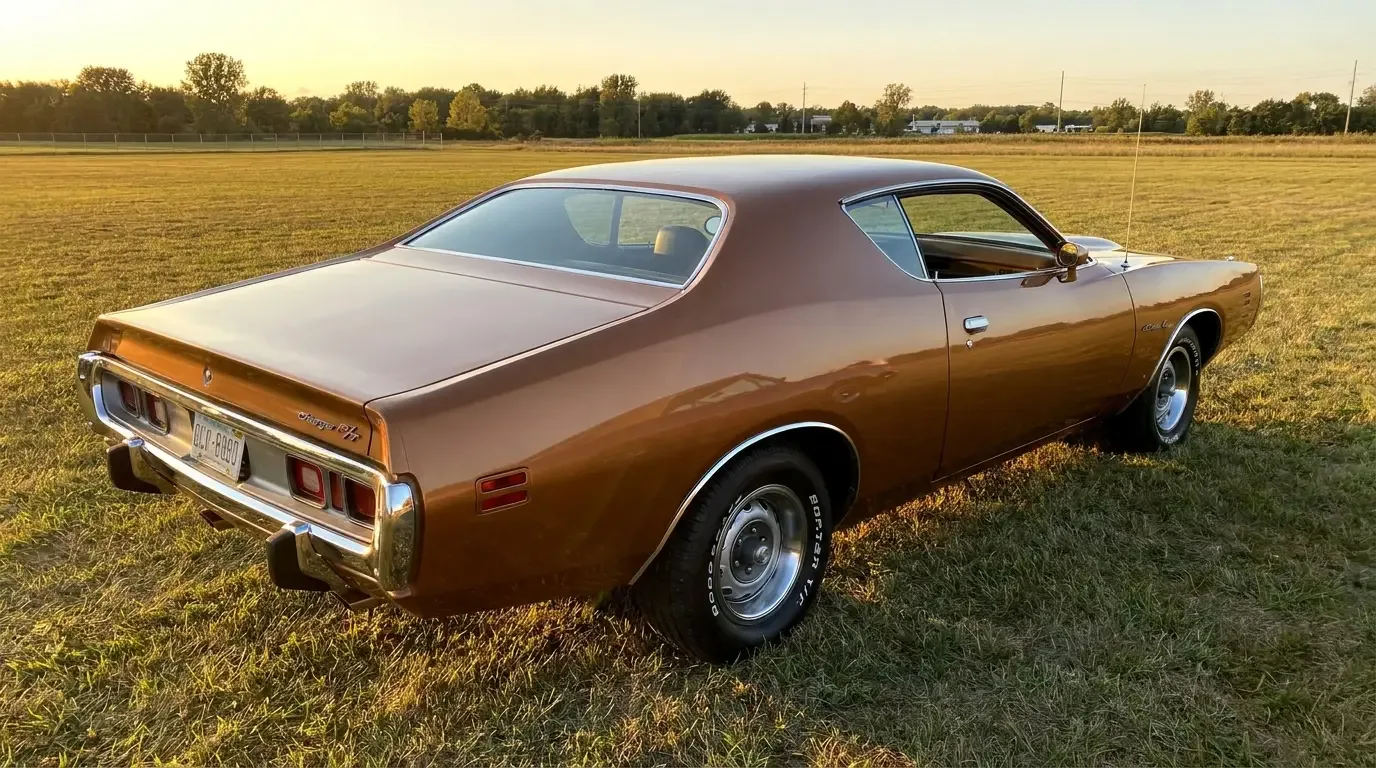
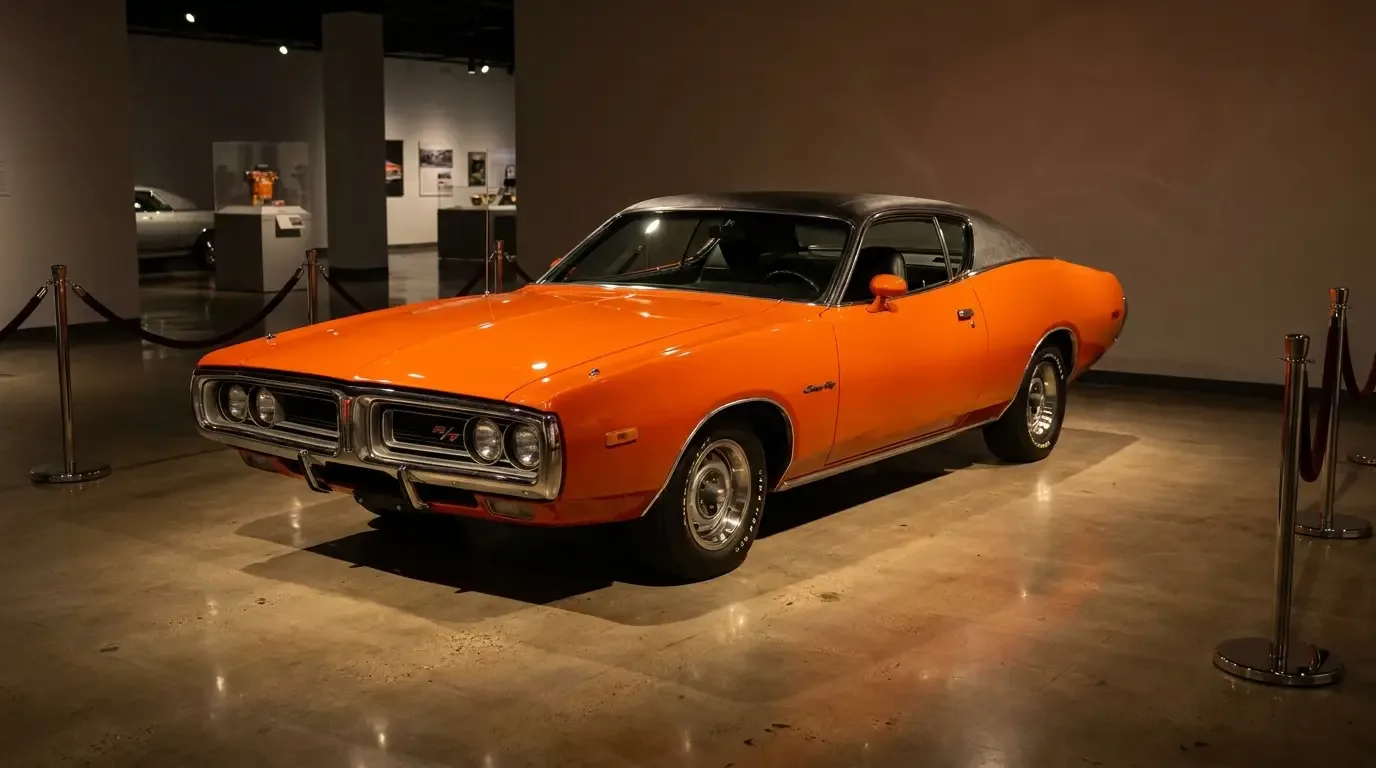
For 1971, Dodge folded the Super Bee into the Charger lineup as a distinct performance trim rather than keeping it as its own separate model built on the Coronet, which is how it had lived since 1968. That move alone makes this car a hinge point in Charger history. It's the last Super Bee ever built, and it wears the fuselage-era Charger body instead of the boxier shape enthusiasts associate with the badge's earlier years.
Why the Super Bee moved to the Charger body
Dodge was consolidating its performance image across a shrinking budget by 1971. The 1971 dodge charger had just been redesigned with the rounded fuselage styling that gave the whole B-body line a fresh look, and rather than keep funding a separate Coronet-based Super Bee, Dodge moved the name over to ride on the Charger's shell. It kept the Super Bee name alive for one more model year, but the car underneath it, and the market around it, had already started to change.
That context matters because it explains why sales numbers dropped off from the Coronet-based years. Production figures on the 1971 Super Bee are lower than the Coronet versions that came before it, and a good chunk of that decline traces back to buyers who associated the Super Bee name with a specific look that no longer existed once it moved to the Charger platform.
What made the 1971 Super Bee different from a standard Charger
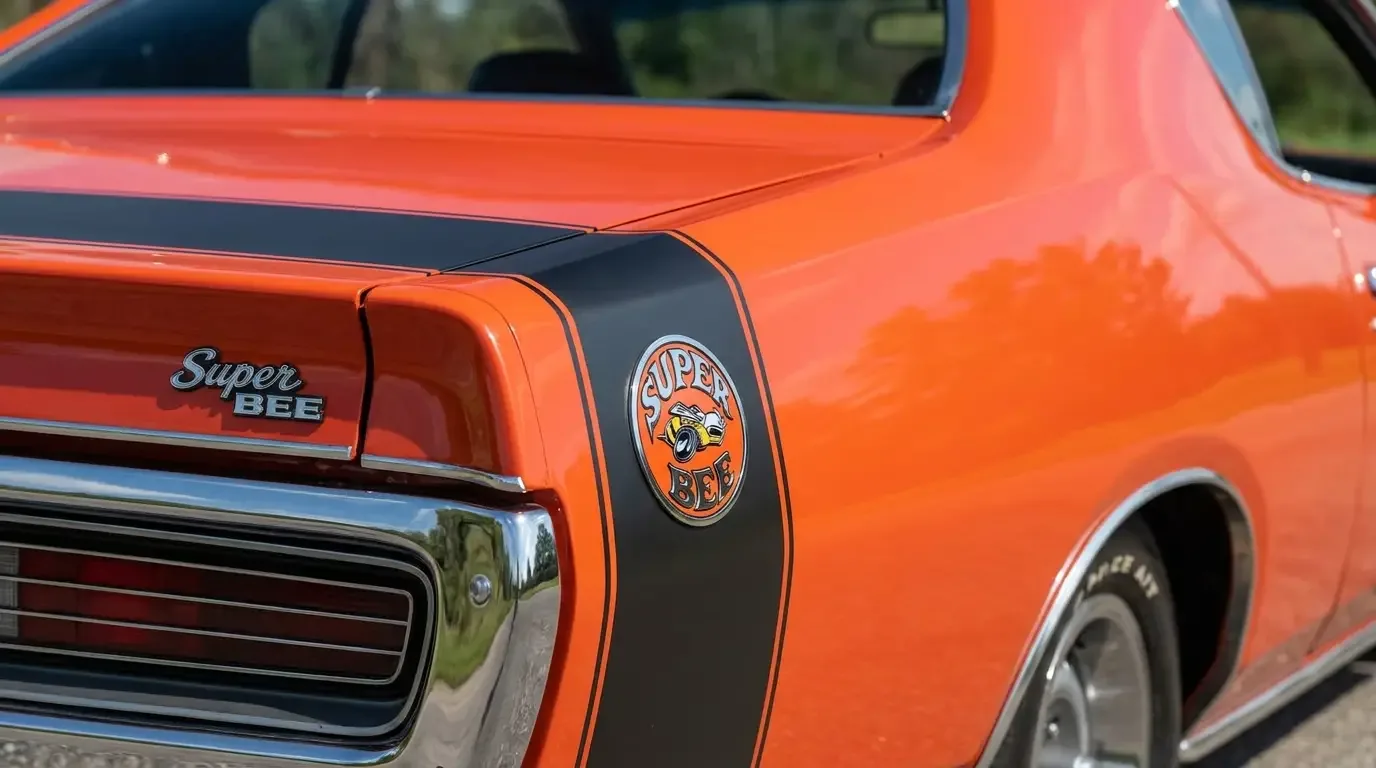
The Super Bee package brought a specific set of visual and mechanical cues layered onto the Charger body. Bumblebee stripes wrapped around the tail, a "Bee" hood scoop treatment sat up front on cars with the right engine, and the trim carried its own badging separate from the R/T. Underneath, the standard engine was the 383 cubic inch V8, with the 440 Magnum and the 440 Six Pack available as options, and the 426 Hemi still technically orderable, though very few buyers actually checked that box by 1971.
I've talked to enough owners to know the Six Pack cars carry an outsized reputation relative to how many were actually built. It's a real engine option and a genuinely strong performer, but the survivor population skews toward base 383 cars, and anyone shopping for a numbers-matching Six Pack car should expect a long search and a price that reflects real scarcity, not internet hype.
"The guy I talked to at Carlisle had owned his car since 1974. Drove it there every single year, even the time the water pump let go outside Harrisburg."
— Patrick Walsh
The Super Bee's place at the end of an era
What strikes me about this car is how much it carries the weight of a closing chapter without announcing it. Nobody buying a 1971 Super Bee off the lot knew it would be the last one. The insurance surcharges and emissions rules that would gut the muscle car market over the next few years were only starting to bite, and Dodge dealers were still moving performance cars, just not in the numbers they had a few years earlier.
That closing chapter connects directly to the R/T version of the same body, which carried the flagship performance badge through its own final year. I dig into that specific story, including how the R/T compared on paper to the Super Bee package, in the 1971 Charger R/T story.
| Engine | Displacement | Gross Horsepower (1971) |
|---|---|---|
| 383 Magnum | 383 ci | 300 hp |
| 440 Magnum | 440 ci | 370 hp |
| 440 Six Pack | 440 ci | 385 hp |
| 426 Hemi | 426 ci | 425 hp |
Buying one today
The market for these cars has grown protective of documentation. Because the Super Bee badge only lasted one year on the Charger body, a car without a fender tag or broadcast sheet confirming its original engine and options is a much harder sell than the same car with paperwork in hand. Buyers who care about the name are usually buyers who care about verifying it, and that's fair given how easy stripe kits and badges are to add to a plain Charger.
Beyond documentation, check the usual muscle car problem spots. Rust in the trunk floor and rear frame rails is common on cars that spent winters in the rust belt, and a lot of these Super Bees lived hard lives as daily-driven performance cars before anyone thought to preserve them. A car with a clean shell and a matching engine is worth chasing even if the price runs higher than a comparable plain Charger.
For the fuller picture of how the Charger name evolved through this period and what came before the fuselage cars, read the background on the model's earlier generations. And if the closest relative in the muscle car world interests you, the comparison against Chevy's own mid-size performance car is worth a look in a related classic-muscle rivalry.
A car that closed out its own story
The 1971 Super Bee doesn't get talked about as often as the R/T or the SE, but it's arguably the more interesting artifact of the two. It's a name born in a different era, wearing a body built for a changing one, sold to buyers who mostly didn't know they were witnessing the end. If you want to see what came right after this body carried through the rest of its run, classic 1972 Chargers show the same shape without the Super Bee name attached to it at all.
Sources and notes
- 71SuperBee.com - 1971 Super Bee & R/T specifications - confirmed the 1971 Super Bee moved to the Charger body and its engine availability.
- Wikipedia - Chrysler B/RB engine - confirmed 1971 gross ratings: 383 Magnum 300 hp, 440 Magnum 370 hp, 440 Six Pack 385 hp.
- Wikipedia - Dodge Charger (B-body) - confirmed 426 Hemi rated 425 hp gross and its final 1971 availability.
- Silodrome - 1971 Charger R/T 440 Six Pack - background on the low 1971 Six Pack production and survivor scarcity.
- autoevolution - 1971 Dodge Charger - confirmed the Super Bee's one-year run on the Charger platform.