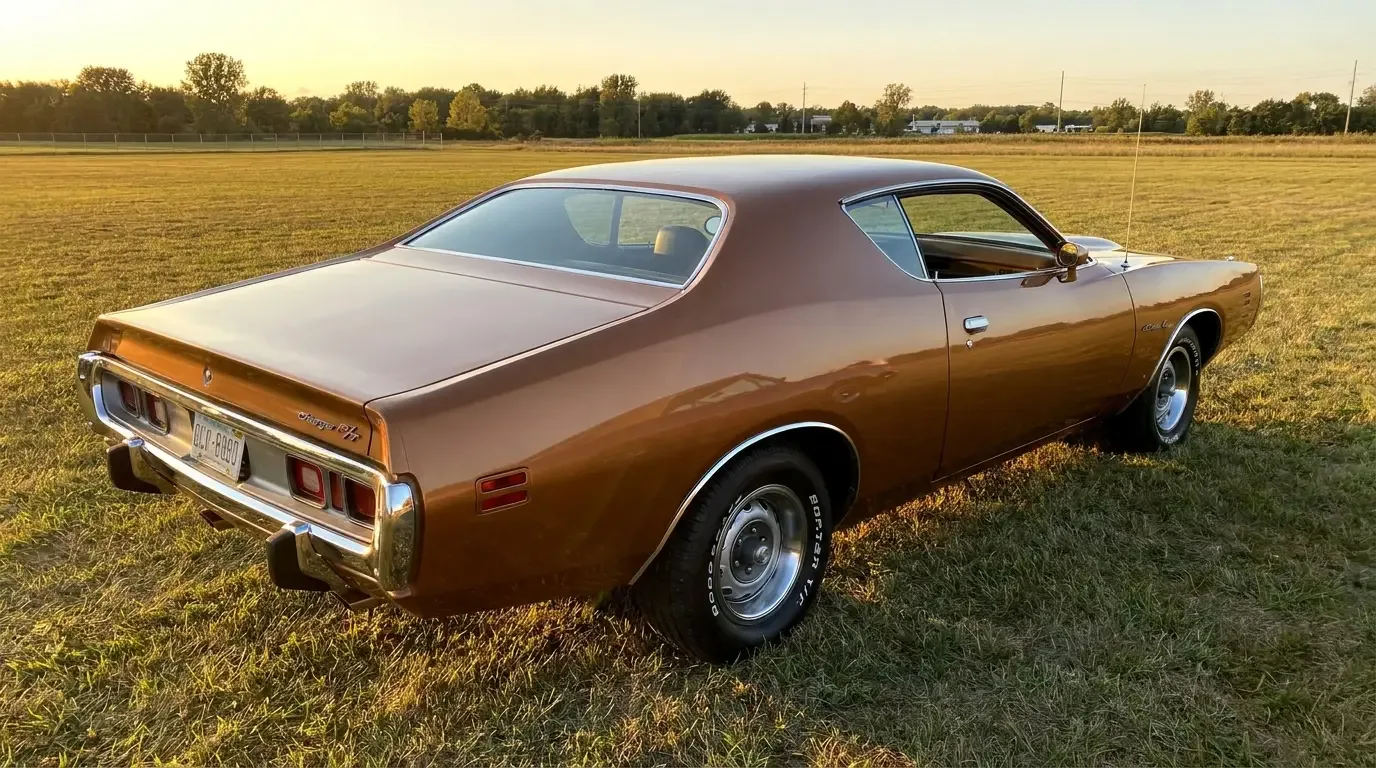
I've pulled apart enough of these to know the 1971 Charger is a different animal from the car it replaced. Dodge didn't just freshen the sheet metal for the new model year. They tore up the whole shape and started over, and the result is the car most people picture when somebody says "classic Charger" without any other context.
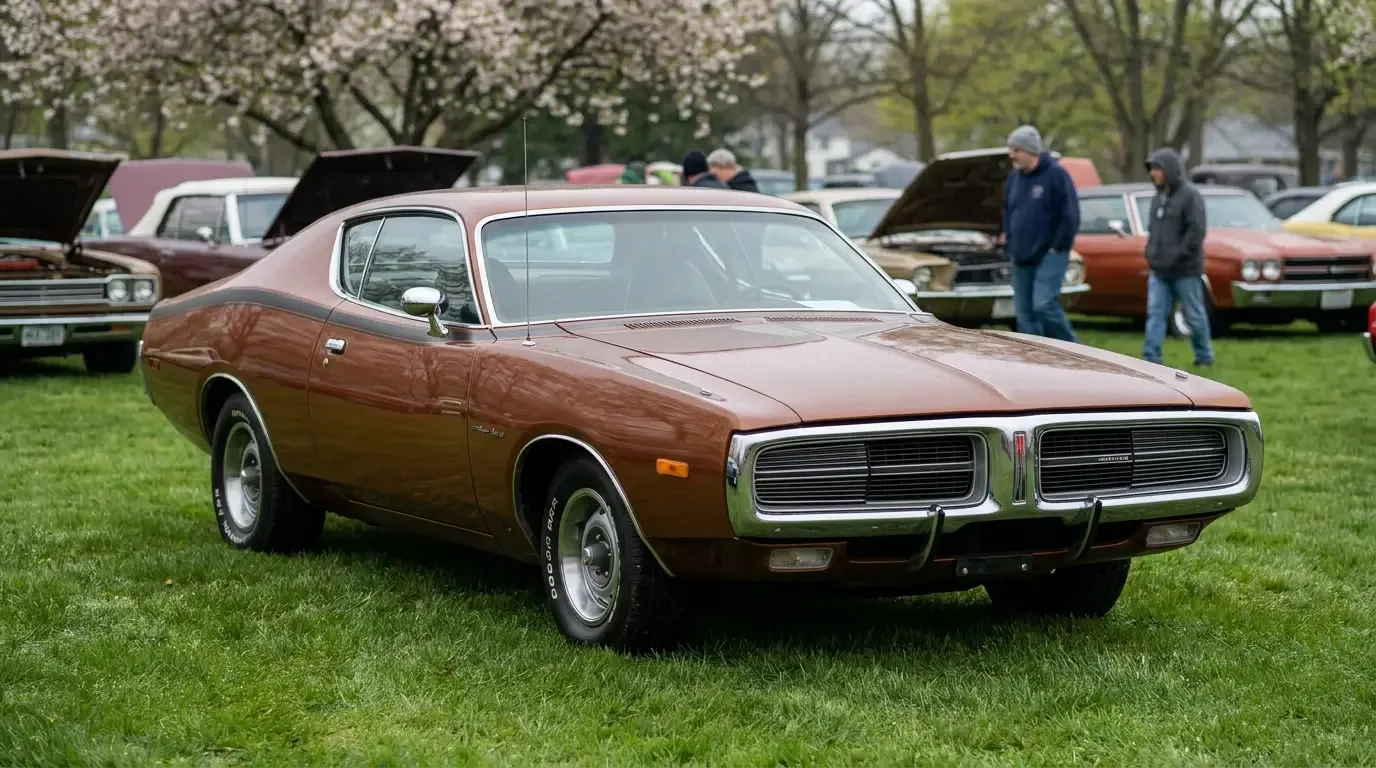
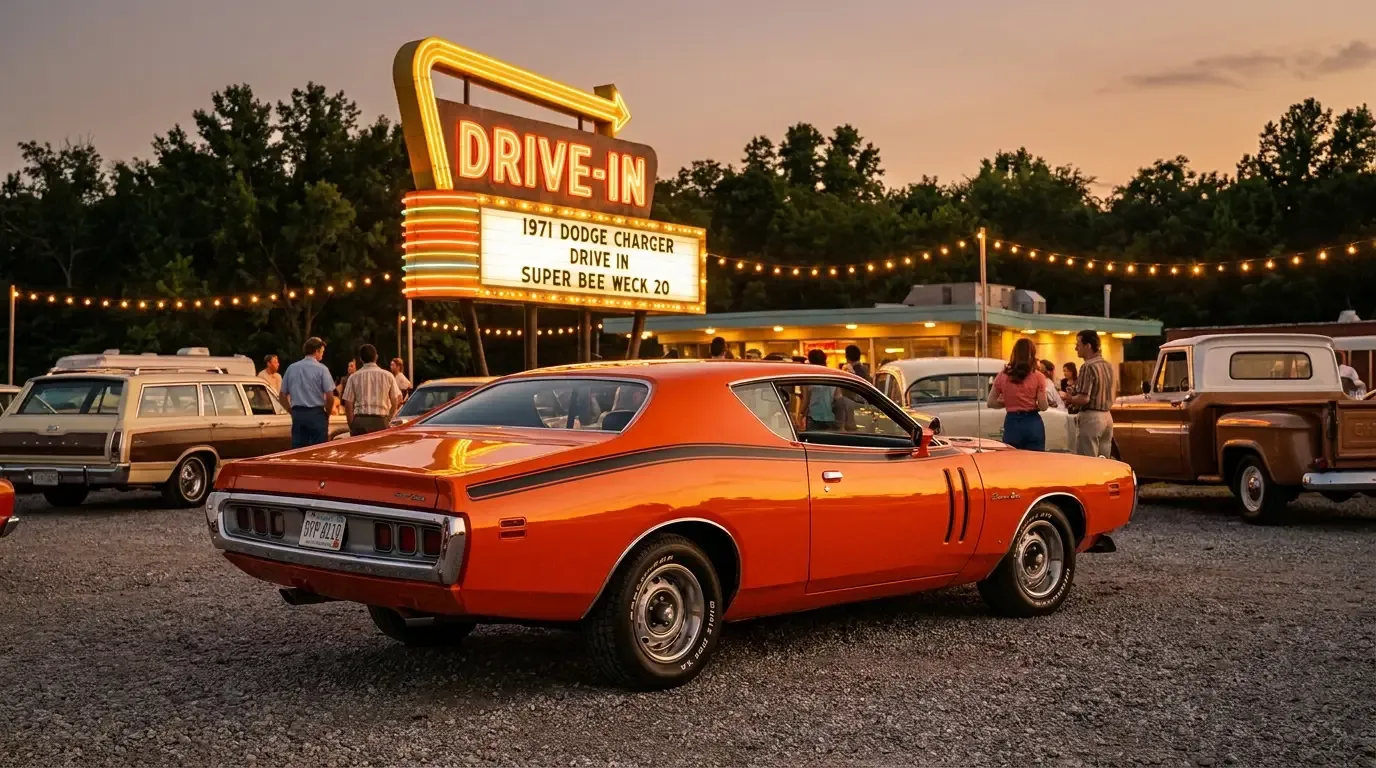
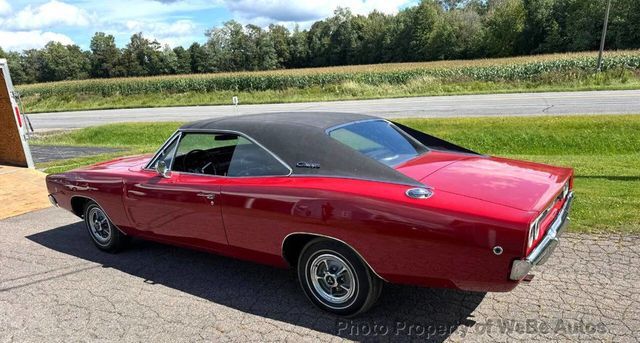
The 1971 dodge charger rides on what Chrysler called fuselage styling, and it shows up everywhere on this body. The doors bulge out at the beltline instead of running flat. The rear window sits low and fast under a semi-fastback roofline. The whole car reads rounder, lower, and meaner than the boxier 1968 to 1970 Chargers, and once you've seen the difference in person you stop mixing up the generations.
What fuselage styling actually means on this car
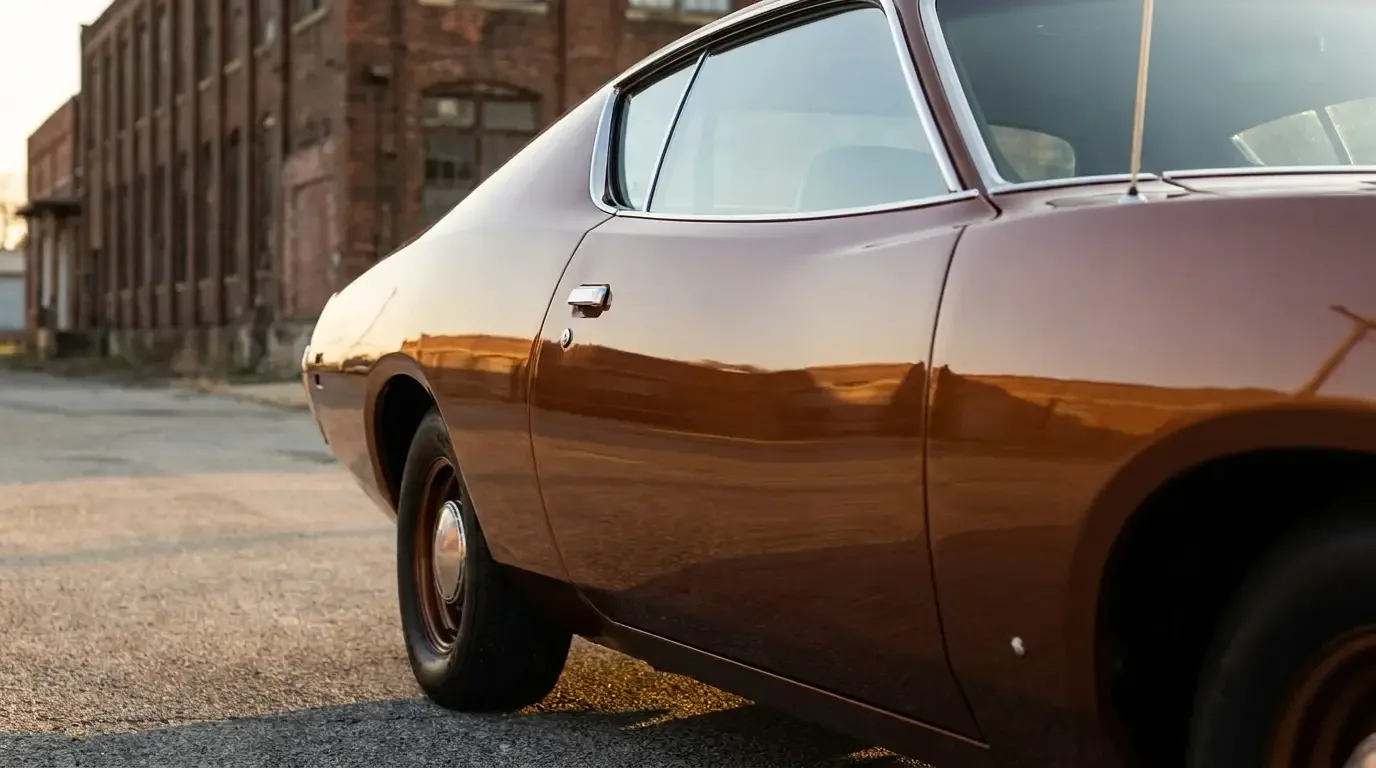
Fuselage design borrowed its name from aircraft fuselages, tubes that are widest in the middle and taper at both ends. Chrysler applied that logic to the whole B-body lineup starting in 1971, but the Charger got the most dramatic version of it. Look at the car from the front and the fenders curve outward before tucking back in toward the doors. Look at it from above and the roofline narrows toward the rear glass like a canopy.
The wheelbase dropped to 115 inches, two inches shorter than the 117-inch 1968 to 1970 car, while overall width grew and the body sides picked up a pronounced tumblehome, meaning the sheet metal leans inward as it rises from the rocker panels to the roof. That's a hard shape to stamp accurately, and it's part of why panel gaps on an unrestored 1971 car are worth checking closely before you buy one. Factory tolerances on these were never tight to begin with.
The grille and the coke-bottle hips
Up front the 1971 Charger picked up a split grille, two separate loop-style openings instead of one wide grille shared with other B-body cars. That detail alone tells you a lot about how much attention Dodge paid to giving the Charger its own face for 1971, since the Coronet and Super Bee shared a platform but not this look. I've got a whole separate breakdown on the split grille and how it differs year to year if you want the details on trim variations.
The hips over the rear wheels are the other signature. Dodge pushed the sheet metal out over the wheel openings, creating a visual bulge that most people call the "coke bottle" shape. It's a styling trick as old as the 1963 Corvette Sting Ray in concept, but applied to a mid-size muscle car it reads aggressive rather than sporty. Combined with the tunneled rear window and the ducktail lip on some trims, the whole rear three-quarter view is arguably the strongest angle on the car.
Why this restyle happened when it did
Dodge redesigned the whole B-body platform for 1971 on a normal product cycle, roughly every three to four years for a major body change in that era. But the timing mattered. Muscle car sales were still strong in 1971, insurance surcharges hadn't fully bitten yet, and Chrysler had the budget to commit to a genuinely new design rather than a facelift. That's a big part of why the 1971 restyle went as far as it did. A year or two later the money for this kind of full commitment wasn't there anymore.
It's worth remembering this car came right after the Super Bee got folded into the Charger lineup as a trim rather than its own separate model, which I cover in the Charger Super Bee story. The fuselage body is the backdrop for that whole shift in how Dodge marketed its performance cars.
| Spec | 1971 Charger |
|---|---|
| Wheelbase | 115 in |
| Overall length | 205.4 in |
| Body styles | Charger, Charger 500, Charger SE, Charger R/T, Super Bee |
| Grille | Split, dual loop |
| Rear window options | Semi-fastback tunneled glass or SE formal upright glass |
Living with the shape today
If you're shopping one of these, the fuselage panels are the first thing to inspect closely. The compound curves over the rear quarters are hard to repair correctly if they've been in an accident, and cheap bodywork shows up fast as wavy reflections along the hips under direct sunlight. Check the fit of the doors against the quarter panels too. Factory gaps were never perfect, but a door that sits proud or sunk compared to its neighbor usually means something got knocked loose or replaced without matching the original crown.
Rust is the other issue specific to this body style. The tucked-in lower rocker area and the wheel arch lips trap moisture, and cars that spent winters up north often rotted from the inside out along those curves before anyone noticed from outside. A magnet and a flashlight under the car beat a walk-around every time.
"People walk up to a 1971 and call it a completely different car from a 1969, and they're not wrong. Dodge basically started from a blank sheet for this body, and you can see it in every panel."
— Mike Sullivan
Where the Charger's story goes from here
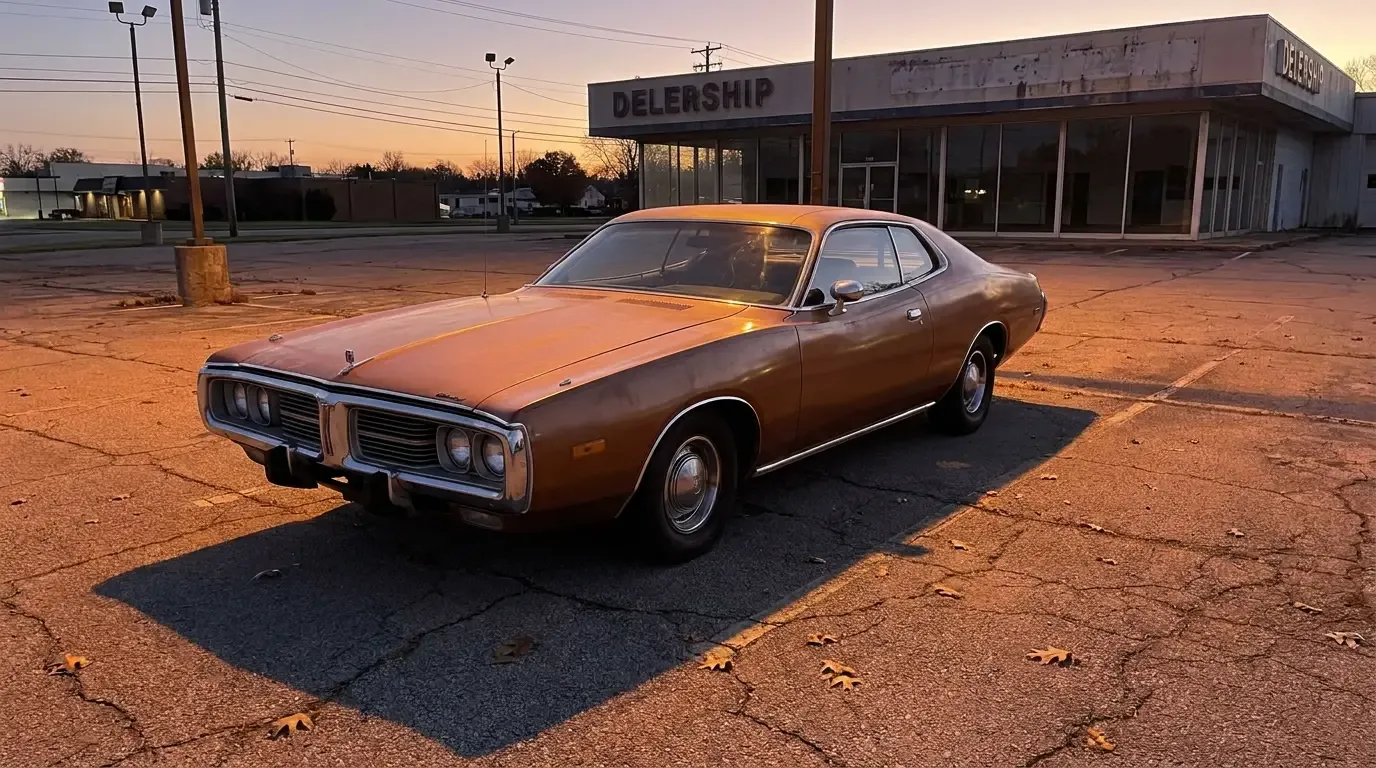
The fuselage body carried the Charger through 1974 before Dodge softened the look again for the next generation, a shift I get into in a different piece about the bumper-era cars. If you want the full arc of how this design fit into the model's history, where the Charger began lays out the earlier generations that led up to this restyle. And if you're hunting for one to buy rather than just admire, you can browse 1972 Chargers that carried the same basic shape with some running changes under the hood and trim.
Whatever trim you land on, the fuselage look is why this generation still turns heads at a cruise-in fifty-plus years later. It's not subtle, and it wasn't meant to be.
Sources and notes
- Conceptcarz - 1971 Dodge Charger specifications - confirmed the 205.4 in overall length and 115 in wheelbase.
- Indie Auto - 1971-74 Charger design analysis - confirmed the wheelbase dropped two inches from the 117 in 1968-70 body and the body widened.
- Wikipedia - Dodge Charger (B-body) - background on the 1971 fuselage redesign and model-line split.
- Classics on Autotrader - Charger generation guide - confirmed the prior-generation 117 in wheelbase for comparison.
- autoevolution - 1971 Dodge Charger R/T - confirmed body-style lineup and fuselage styling context.