Every few months a listing surfaces online for a "1976 Charger Daytona" with a description promising winged glory and NASCAR pedigree, and every few months a factory historian somewhere has to explain, patiently, that the seller has confused two entirely different cars separated by seven years and a fundamentally different engineering purpose. The build record matters here, not because it tells you everything, but because it's the factory's own account of what left the line, and in this case that record settles an argument that keeps repeating itself in classified ads.
What the Daytona name actually meant in 1969
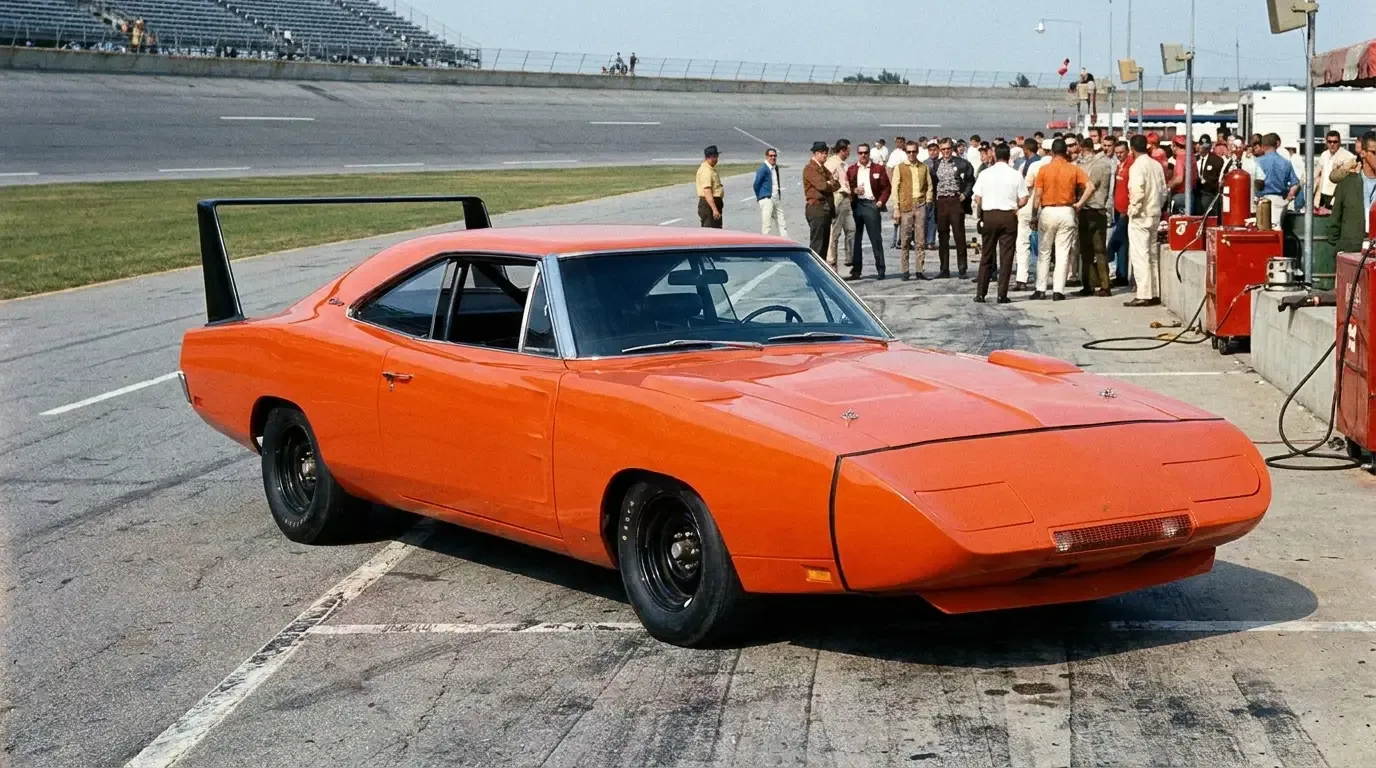
The original Charger Daytona, built for the 1969 model year in limited numbers, was a purpose engineered aerodynamic package developed specifically to win NASCAR superspeedway races. It carried a pointed nose cone extending the car's front end by well over a foot, a massive rear wing mounted on tall struts to clear turbulent air off the rear window, and flush mounted rear window plugs to smooth airflow across the roofline. This was homologation special engineering, built in the numbers required to satisfy racing rules, and it exists in a completely different category of automotive history than anything that came after it.
What the Daytona name meant again in 1976
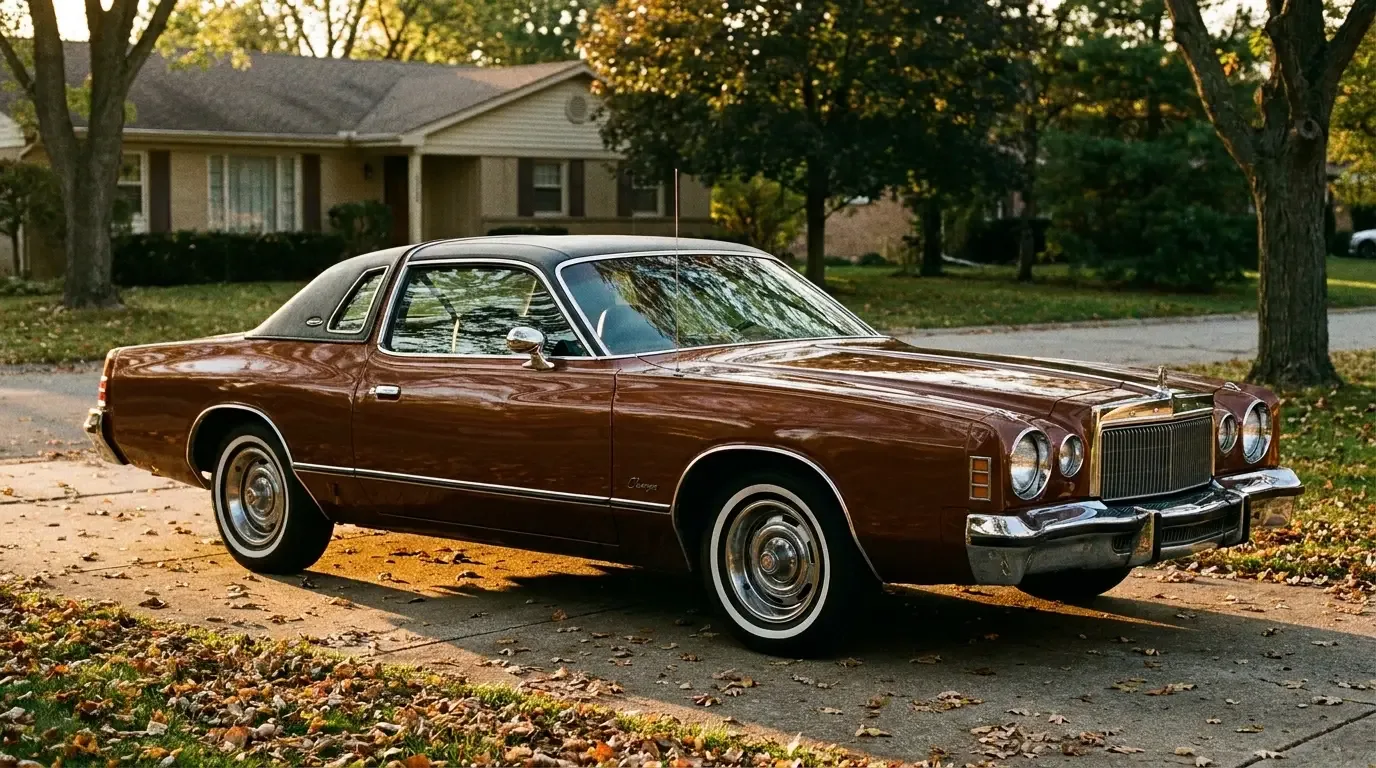
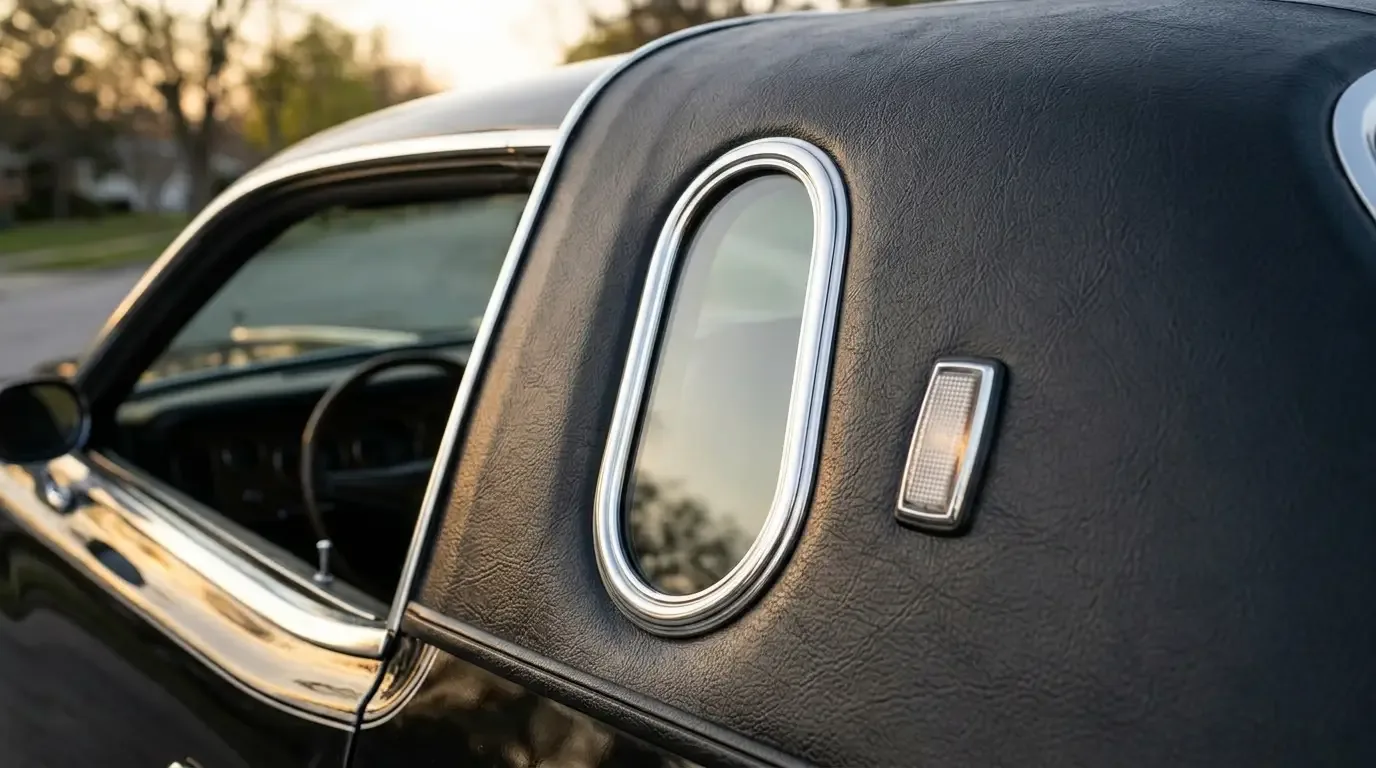
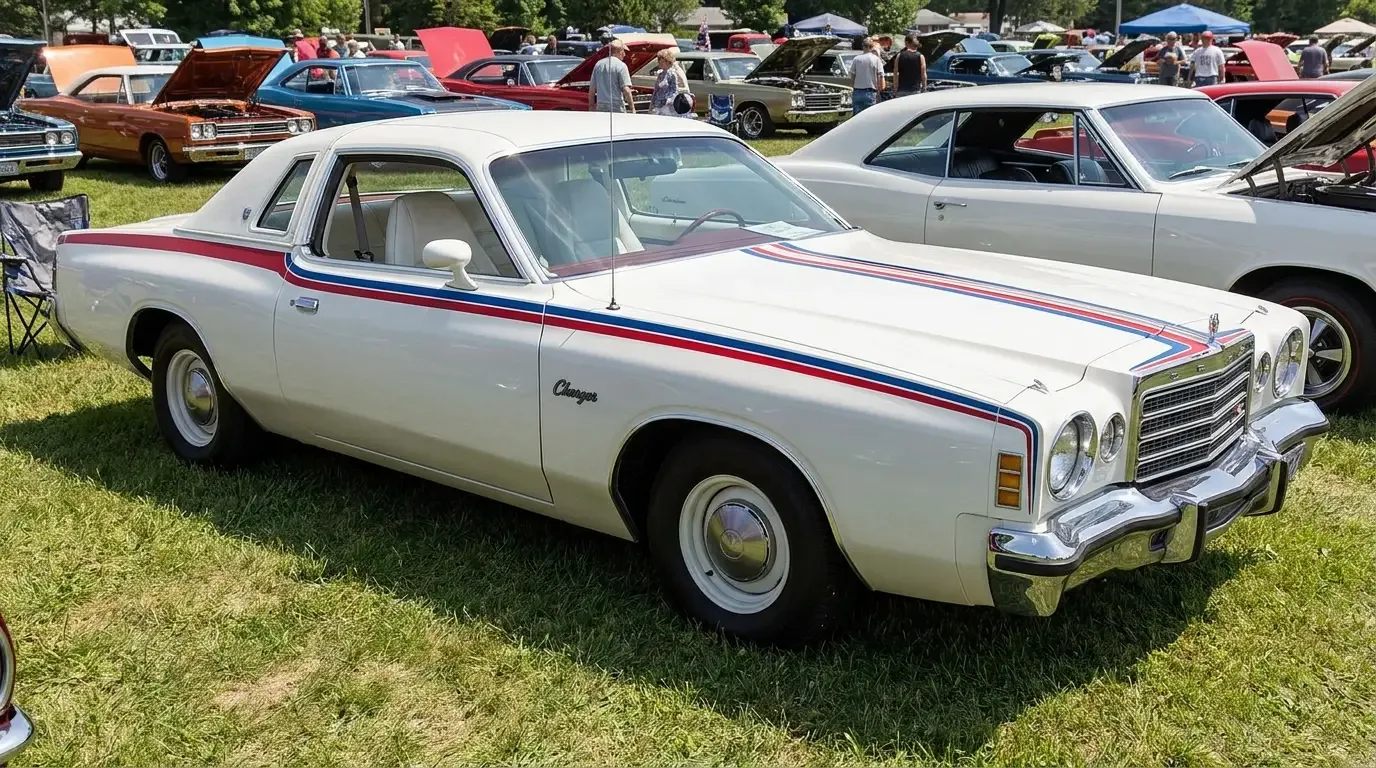
Seven years later, Dodge revived the Daytona name for the fourth generation Charger, and the resulting car shared nothing meaningful with its 1969 namesake beyond three letters on a badge. The 1976 Daytona was an appearance package, not an aerodynamic engineering program. It consisted of tape stripes, badging, and trim added to the same personal luxury Charger body that carried opera windows and a vinyl roof as its defining styling elements. No nose cone. No wing. No aerodynamic development whatsoever. The build record confirms it plainly: option code documentation from this era shows the Daytona package as a cosmetic addition available on the standard Charger body, ordered like any other trim option rather than built as a distinct model.
Why the confusion persists
Part of the ongoing mix up comes down to how car history gets passed along informally, through word of mouth and secondhand memory rather than documentation. A buyer who half remembers that "Daytona means winged Charger" applies that memory to any car wearing the badge, without checking which years or which body style the wing actually belonged to. Sellers, whether through genuine ignorance or deliberate vagueness, sometimes let that assumption do the marketing work for them. A listing that mentions "Daytona" without specifying the model year invites exactly this kind of confusion, intentionally or not.
The other part of the confusion is more understandable. Chrysler itself leaned into nostalgia marketing during this period, aware that muscle car names still carried emotional weight even as the cars wearing them had changed completely. The Daytona appearance package on the 1976 Charger wasn't hiding its nature exactly, but Dodge's advertising copy from the period does lean on phrases that gesture toward the nameplate's racing history without making any specific performance claims about the car being sold.
"The build record matters. Not because it tells you everything, but because it's the factory's own account of what left the line."
— Tom Ramirez
How to verify what you're actually looking at
For anyone shopping a car advertised with the Daytona name, the fender tag and broadcast sheet, where available, settle the question definitively. A 1976 or 1977 Charger Daytona will show an appearance package option code, not a distinct model designation, and the VIN will confirm the base Charger platform underneath. There is no confusing this with the 1969 car once you're looking at documentation rather than a nameplate. The two cars don't share a single body panel, let alone an engineering philosophy.
This distinction matters enormously for value. A genuine 1969 Charger Daytona is among the most valuable Mopars ever produced, commanding prices that reflect its rarity and its direct connection to NASCAR racing history. A 1976 Charger with the Daytona appearance package is a nicely trimmed personal luxury coupe worth a modest premium over a standard SE, nothing more. Conflating the two, whether through honest confusion or deliberate misrepresentation, sets buyers up for a serious overpayment.
| Detail | 1969 Charger Daytona | 1976 Charger Daytona package |
|---|---|---|
| Purpose | NASCAR aerodynamic homologation | Cosmetic appearance option |
| Nose cone | Yes, extended aerodynamic | None |
| Rear wing | Yes, tall strut mounted | None |
| Production context | Roughly 503 built for NASCAR homologation | Ordered as standard trim option |
Readers looking for the fuller story behind the 1969 car's engineering, and the racing rivalry that produced it, should follow this story, which covers the aero wars era in the depth it deserves. And for anyone trying to understand how the Charger nameplate arrived at a personal luxury identity in the first place, worth starting with 1975 dodge charger as a foundation.
What a documented 1976 Daytona is actually worth owning
None of this should discourage genuine interest in a 1976 or 1977 Daytona package car. Correctly documented and honestly represented, it's a distinctive, well equipped example of the personal luxury Charger, with better standard equipment and a bit more visual flair than a base model. The problem has never been the car itself. The problem is sellers and buyers alike treating a trim package as though it carried the engineering pedigree of a completely different vehicle from a completely different decade.
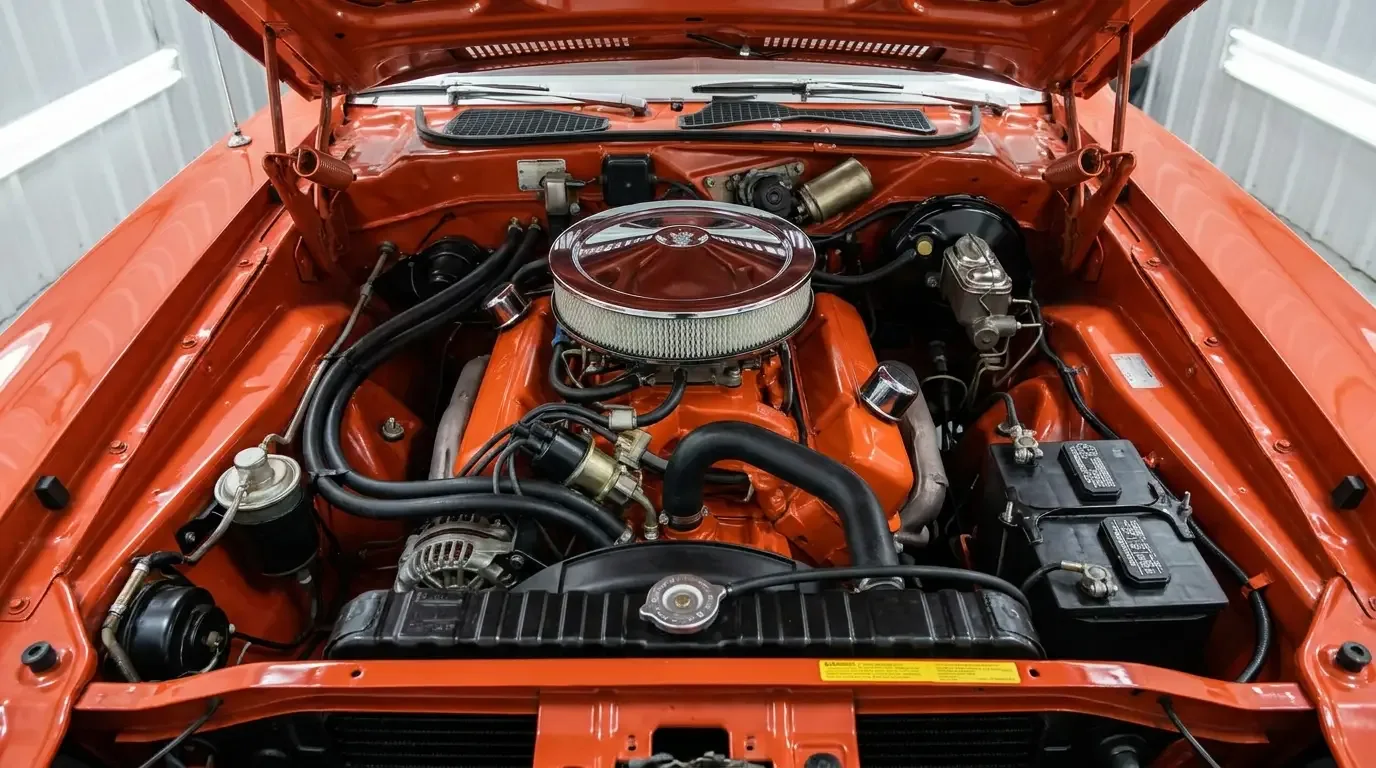
Under that trim package sat the same engines running across the whole personal luxury lineup, and read more here covers what those 400 and 360 cubic inch engines actually delivered once emissions equipment and lower compression ratios had their say.
For context on how the Charger nameplate reached this point at all, the Charger's origins traces the full arc from 1966 through 1978, and it's the clearest way to understand why a badge could mean two such different things within a single decade.
Sources and notes
- Dodge Charger Daytona, Wikipedia - confirmed the 1969 car was a NASCAR aero homologation special with a nose cone and tall rear wing, built in roughly 503 examples.
- Motales: 1975-77 Charger Daytona (Cordoba) - confirmed the 1975-77 Daytona was an appearance/tape-stripe package on the personal-luxury body, not an aero car.
- Dodge Charger (B-body), Wikipedia - confirmed the fourth-generation Charger shared the Cordoba B body and the Daytona name was a trim option.
- Hagerty: 1976 Dodge Charger SE - confirmed the 1976 Charger's personal-luxury nature and modest performance.
- Supercars.net: 1969 Dodge Charger Daytona - confirmed the 500-car homologation requirement and the winged car's racing purpose.