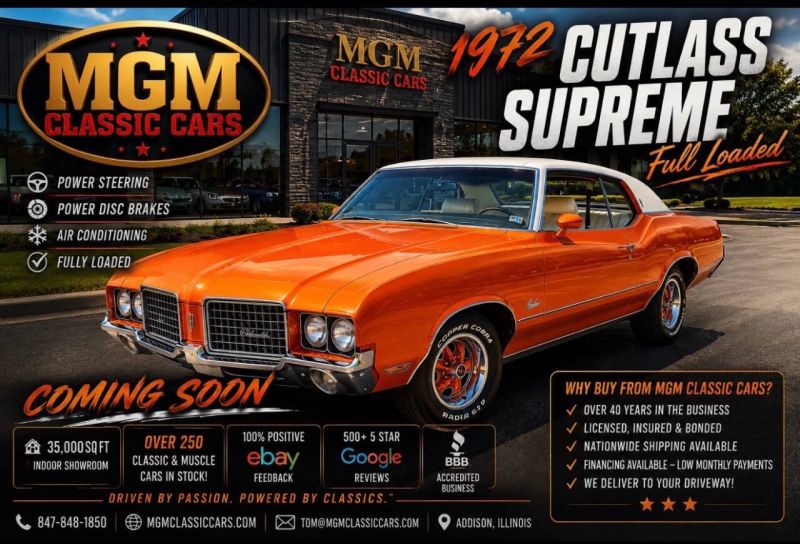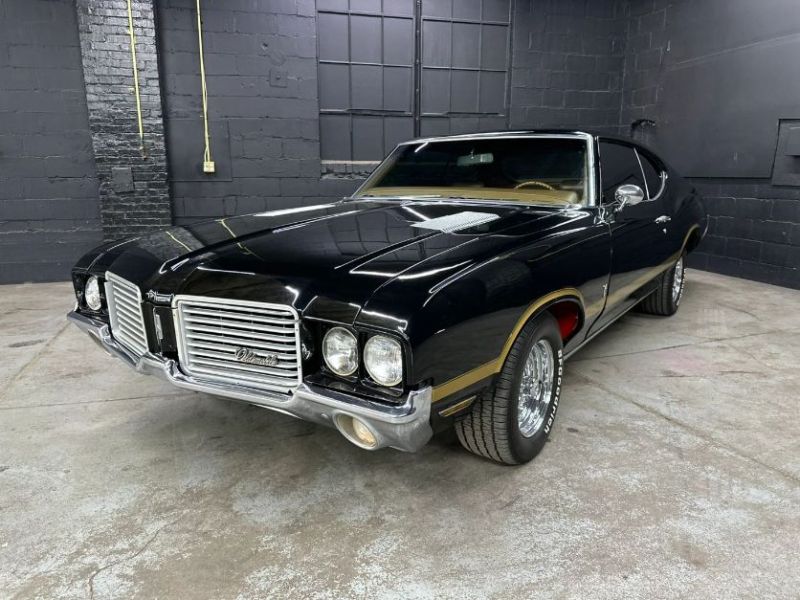
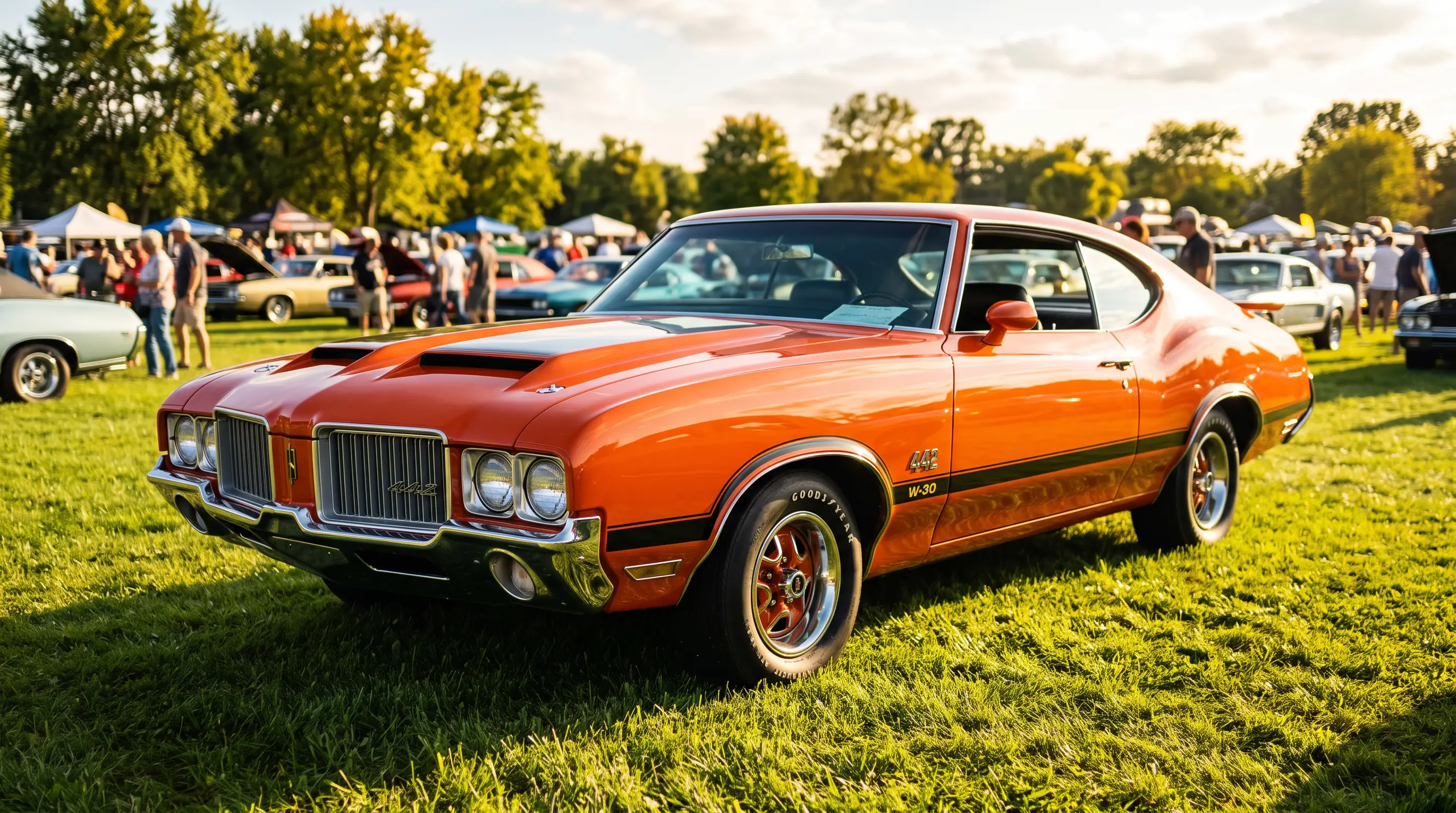
Paint color is the first thing anybody notices on an Oldsmobile 442, and it's usually the last thing they research before buying one. I've had guys tow a "numbers matching" 442 into my shop with a repaint two shades off the factory code and not know it until I put a flashlight on the cowl tag. Color isn't just curb appeal on these cars. It's a paper trail you can read with your eyes, if you know what you're looking at.
Why the paint code matters more than the paint
Every 442 left the factory with a cowl tag that lists a color code, not a color name. The name is marketing. The code is the truth. Oldsmobile ran its own palette across the Cutlass line and cross-referenced it to GM's corporate codes, which means the same red could show up on a 442 and a Buick with two different label names and the same underlying formula. If you want the full backstory on the car wearing all this paint, the Oldsmobile 442 is where I'd send you first, because the drivetrain history explains why buyers cared enough about appearance to special-order colors in the first place.
A repaint that "looks right" from ten feet away is not the same as a repaint that matches the cowl tag code. I've seen shops mix a color by eye, off a faded panel, and call it correct. It isn't. It's close. Close costs you money at resale and it costs you an argument with a judge at a car show.
The signature colors of the muscle car years
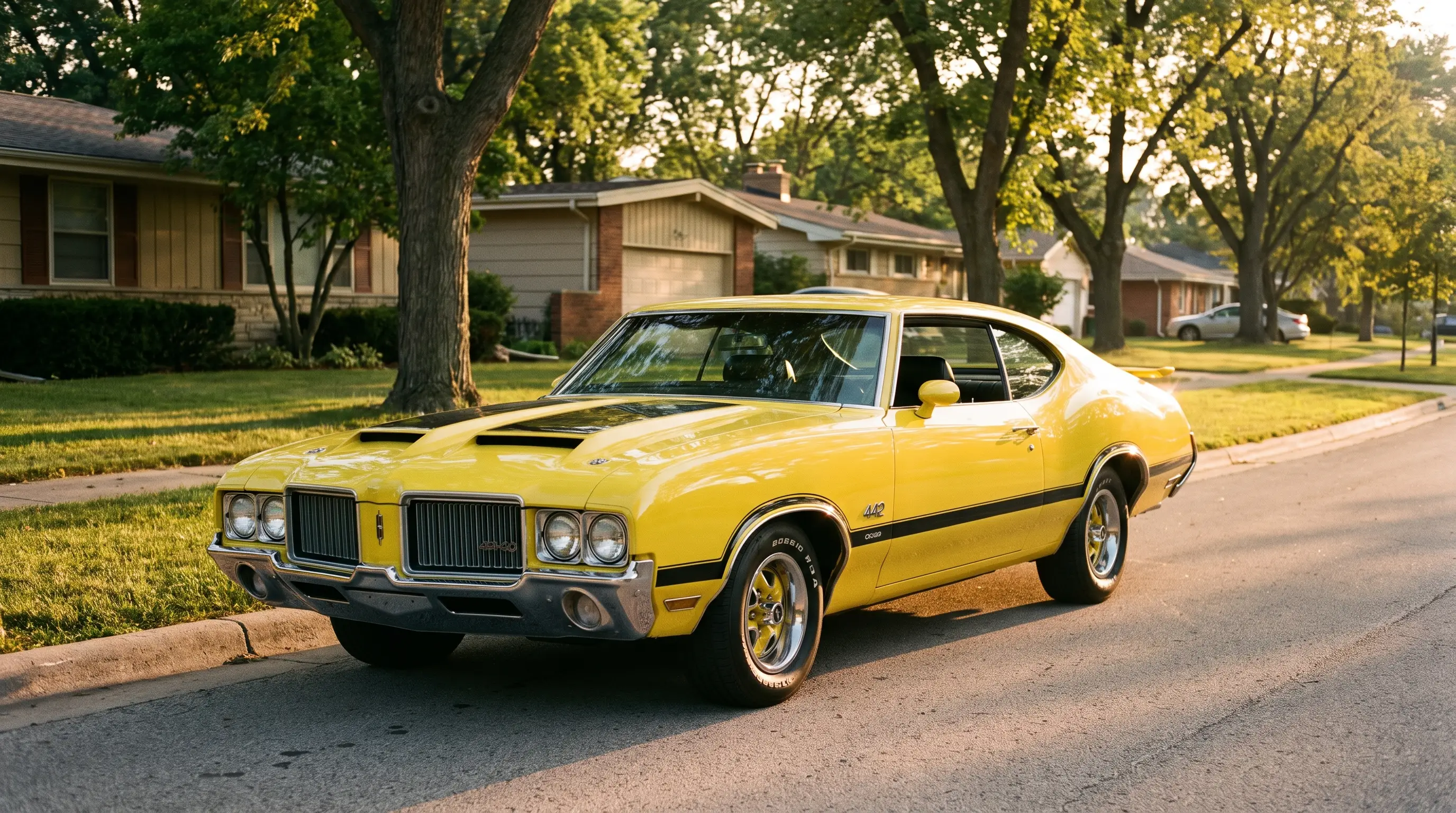
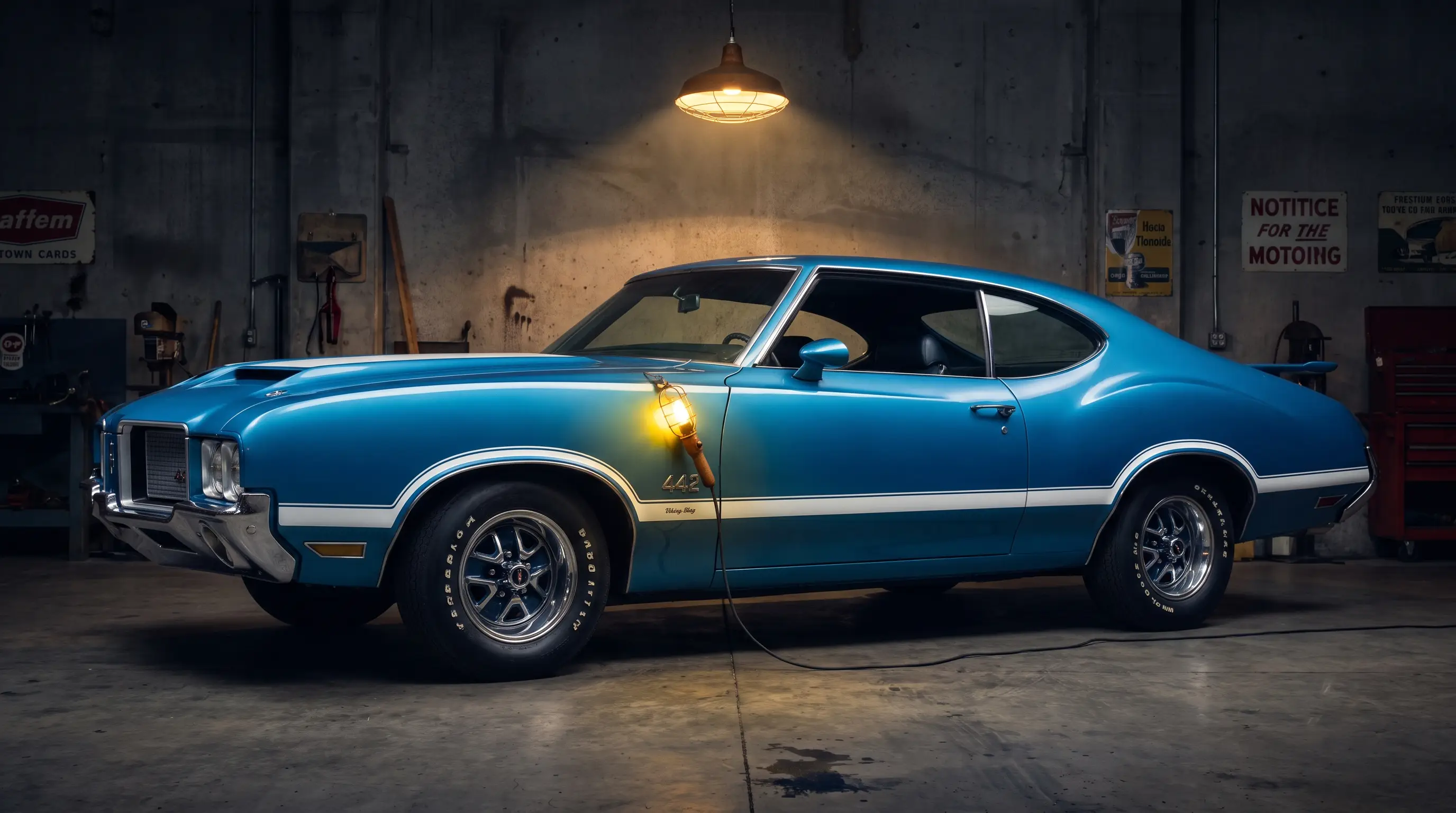
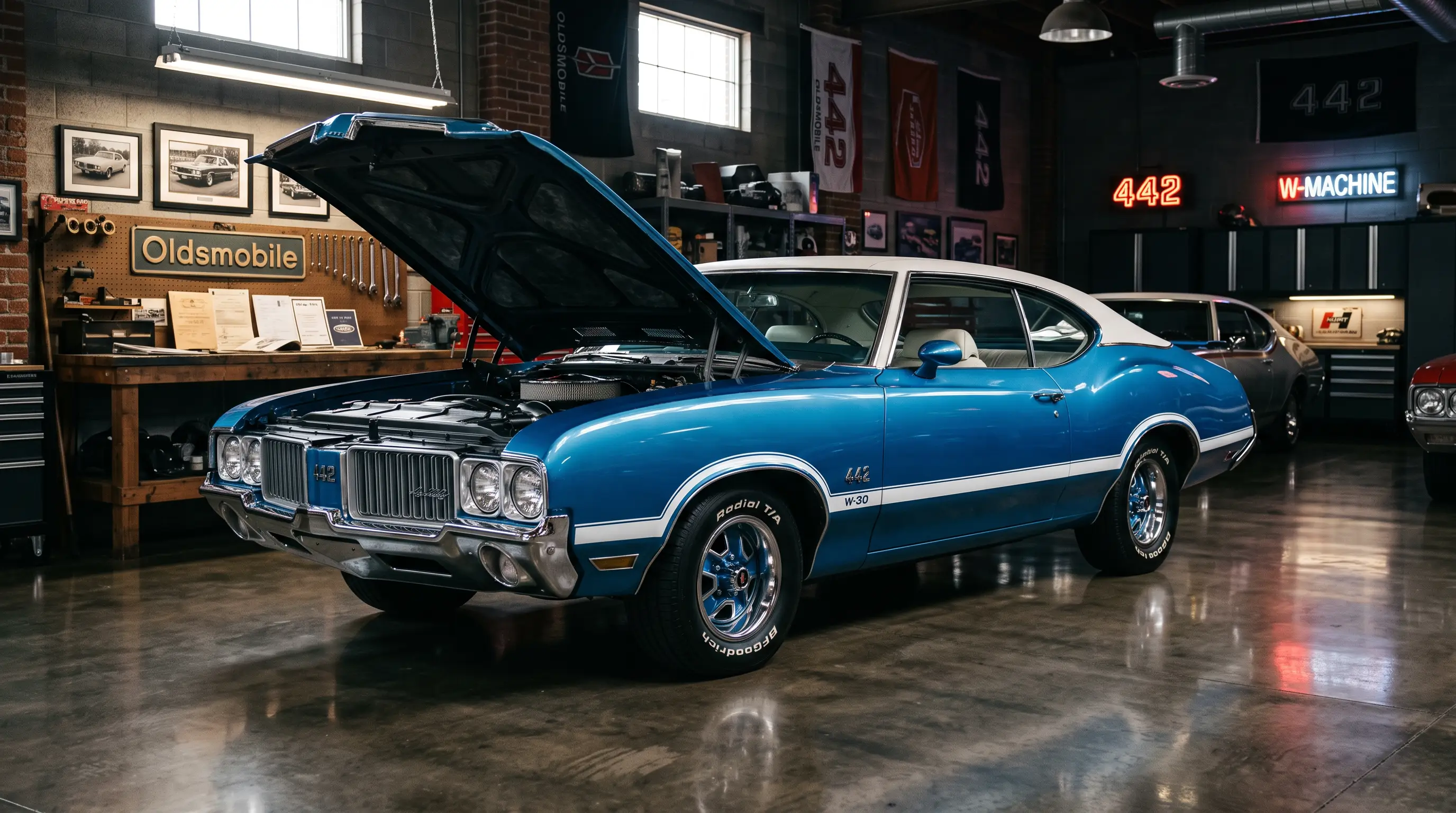
Oldsmobile leaned hard into loud colors starting around 1969, once the market proved buyers wanted their muscle car to announce itself in the parking lot. Sebring Yellow became the color most associated with the W-30 package, especially once it started showing up in Oldsmobile's own promotional shots with the black hood stripes. Viking Blue was common on both 1970 and 1971 cars. Fire Red, a 1970 shade built from the same underlying formula Chevrolet marketed as Cranberry Red that same year, a good example of the shared-code, different-name pattern discussed above, and Lime Green, new for 1971, rounded out the loud end of the chart, while buyers who wanted a 442 without shouting about it could still order it in Ebony Black or Cameo White.
None of this was unique to the 442. The colors were shared across the Cutlass and F-85 lines. What made a 442 stand out was the combination: a bold color, black or contrasting stripes, and the 442 badging that told everyone exactly what they were looking at.
| Color name | Approximate years offered | Common on |
|---|---|---|
| Sebring Yellow | 1969-1972 | W-30 cars, promotional units |
| Viking Blue | 1970-1971 | Standard and W-30 442s |
| Fire Red | 1970 | Hardtops and convertibles |
| Lime Green | 1971 | Limited-run cars |
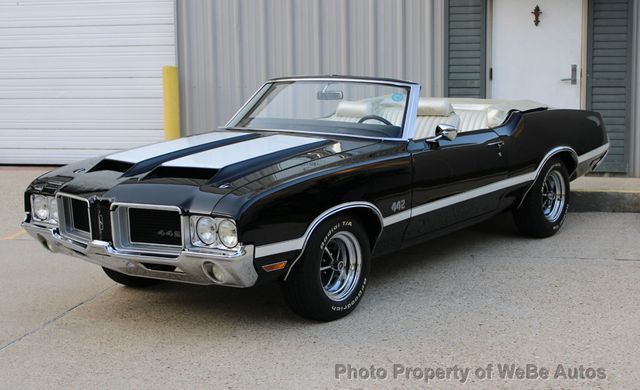
| Ebony Black | 1968-1972 | All body styles |
Where buyers get burned on color codes
The mistake I see most often isn't a bad repaint. It's a good repaint in the wrong color, sold as original. A seller finds a period-correct color from the same model year, sprays the car, and lets the buyer assume it's what left the factory. Unless you pull the cowl tag and cross it against the build sheet or a broadcast sheet, you have no way to know. I tell every buyer the same thing: don't trust the color, trust the code stamped on the tag, and don't trust a tag that looks suspiciously clean on an otherwise original car.
Fading is the other trap. Original paint on a 442 that's sat outside for three decades doesn't look like the paint chip anymore. Sebring Yellow can bake down to something closer to butterscotch. A buyer expecting showroom brightness on a genuinely unrestored car will assume it's the wrong shade, when really it's just old and honest. That's a different problem than a bad repaint, and it should be treated differently at negotiation time.
Rare and special-order shades
Beyond the standard chart, Oldsmobile dealers could place special-order paint requests through the factory, and a small number of 442s left the line in colors that never made the printed brochure. These cars are harder to authenticate precisely because they're outliers by definition. A shade that isn't on the standard code list isn't automatically fake, but it does require more paperwork to prove out. Broadcast sheets, dealer invoices, and factory correspondence carry more weight here than they would on a common color.
I've worked on exactly one of these in twenty-some years, a car in a color the owner's family swore was special-ordered through a dealership that closed decades ago. No paperwork survived to prove it either way. That's the reality with special-order claims. They're plausible, sometimes true, and almost never provable without period documentation.
"Color tells you what the original owner wanted people to see. The cowl tag tells you what actually happened at the factory. Only one of those is admissible evidence."
— Mike Sullivan
What color actually does to value
Color affects value, but not as much as buyers think it should. A rare shade on a well-documented, mechanically sound car adds a real premium. A rare shade on a car with a shaky title history or a mismatched engine doesn't save it. Condition and documentation still carry the sale. Color is the multiplier on top of that foundation, not a replacement for it.
Black and white 442s sell fine. They just don't generate the same bidding energy as a correctly documented Sebring Yellow W-30 with the stripes intact. If you're buying for the long haul rather than to flip at the next big auction, buy the best-documented car in a color you can live with, not the loudest color with a thin paper trail. For the models that keep climbing at auction regardless of what color is parked next to them, the next story in this set gets into which specific 442s actually move the needle and why.
None of this is complicated once you know where to look. The color gets the attention. The tag underneath it tells you whether that attention is earned.