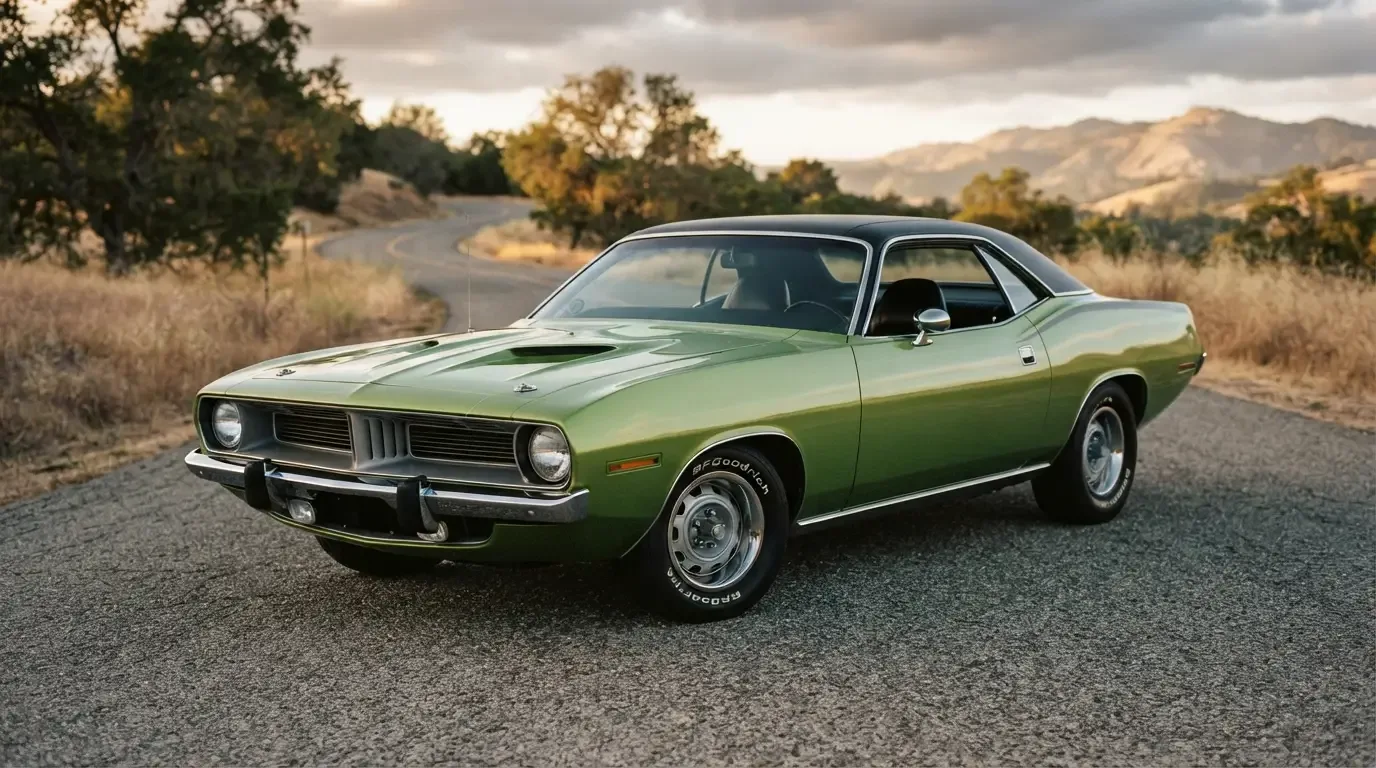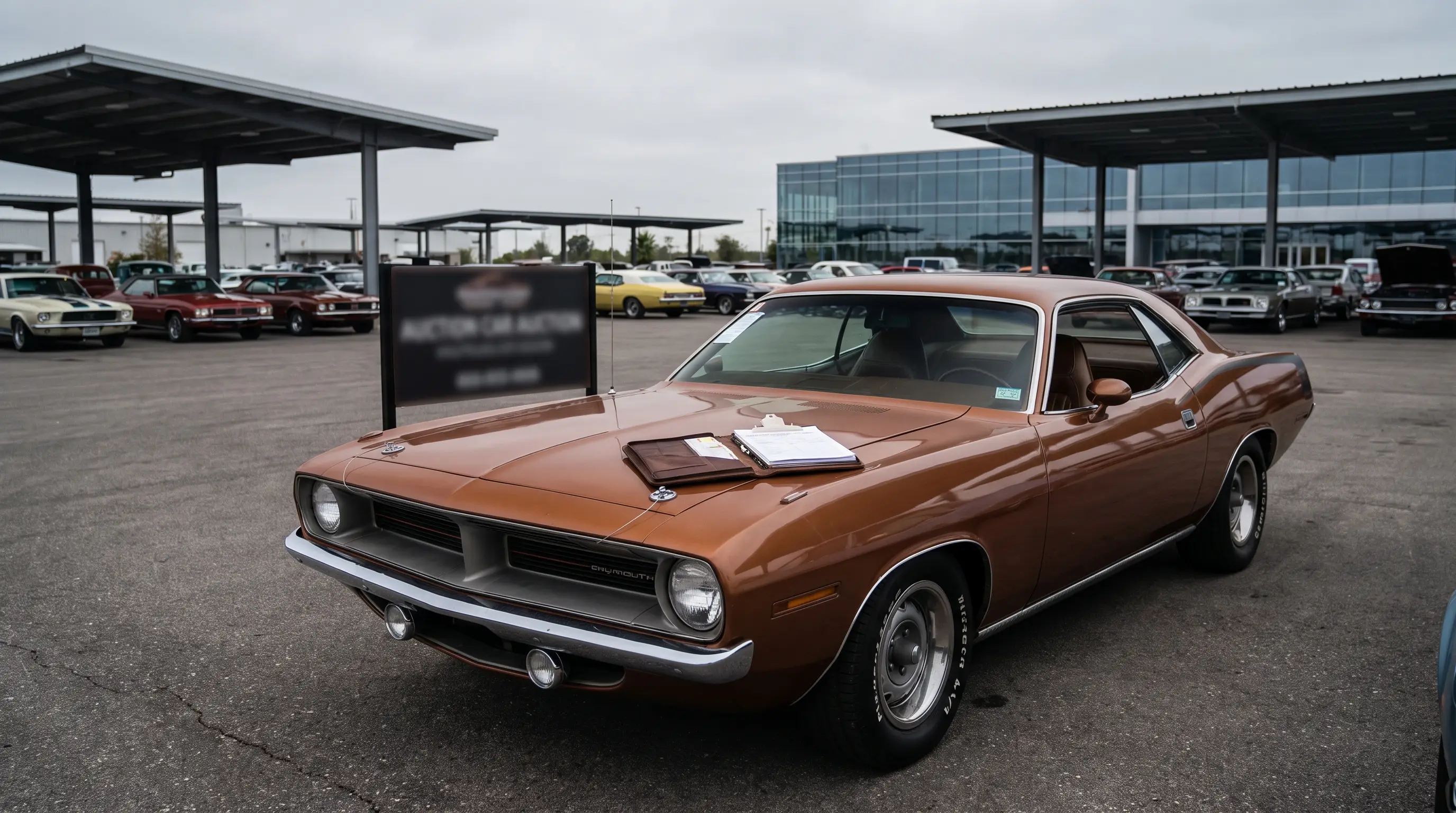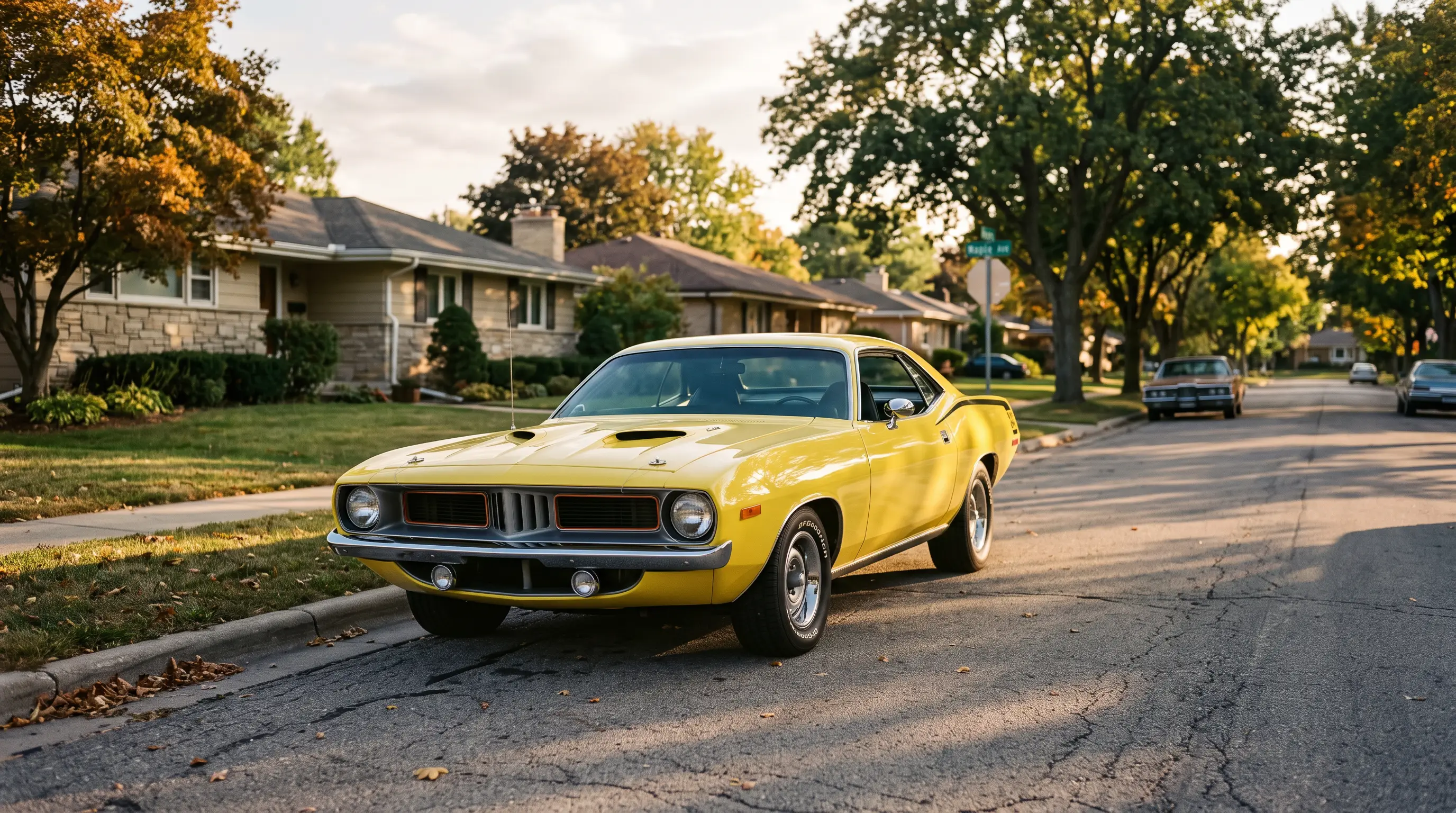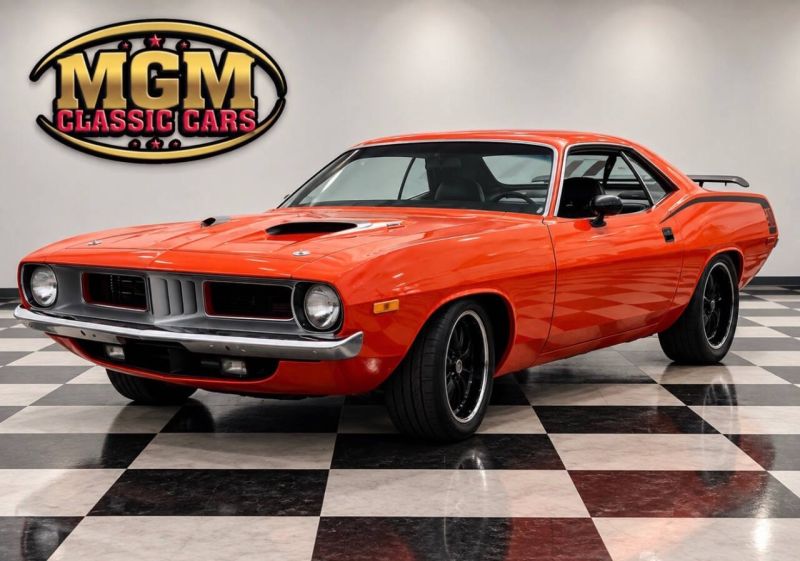
Somewhere in Chrysler's Hamtramck assembly plant, in April 1974, a worker bolted the final trim piece onto the last plymouth barracuda that would ever roll off a production line. Nobody rang a bell. There was no photographer waiting, no executive giving a speech. That is the part club members find hardest to believe when they hear this story for the first time. The end of an entire nameplate happened as quietly as any other Tuesday on the line.
An ending with no ceremony
Compare that to how some other discontinued cars get treated. Certain nameplates get a "final edition" package, special badging, a press release marking the occasion. The Barracuda got none of that. Chrysler was managing a genuine cash crunch by the mid-1970s, and marketing budget for a farewell tour on a car already being phased out was not a priority. The last cars simply shipped to dealers as ordinary 1974 models, indistinguishable on paper from any other Barracuda built that same month.
That lack of fanfare is exactly why so few people at the time understood what they were looking at. A dealer selling one of these final cars in mid-1974 had no reason to mention it was among the last ever built. Buyers had no reason to ask. The historical significance only became obvious with decades of hindsight.
"I have met three separate owners who each believe their car is the actual last one built. None of them can prove it, and honestly, nobody can. The paperwork from that final week just was not kept the way collectors wish it had been."
- Wayne Coburn
What made these final cars different from earlier 1974s
Mechanically, nothing separates a Barracuda built in April 1974 from one built in January of that same year. Same engine options, same trim levels, same basic specification. What changes is the story attached to it. A documented late-build 1974 car, one with production records or a fender tag date that places it near the very end of the run, carries a certain weight with serious collectors even though the car itself is identical to one built months earlier.
That distinction only matters if you can prove it. Fender tags carry build dates and plant codes, and matching those against known production schedules is the only real way to establish where in the run a specific car falls. Anyone claiming their car is "one of the last" without that documentation is telling a story, not presenting a fact.
Why the last-of-run cars became meaningful decades later
Nobody was chasing "last Barracuda" bragging rights in 1975. That framing showed up much later, once the muscle car collector market matured in the 1980s and 1990s and buyers started applying the same logic to Barracudas that had long applied to other discontinued nameplates. A car's position at the very end of a production run became a selling point the same way "first year" or "limited option" does for other collectibles.
Read the full story of the 1972 to 1974 stretch if you want the broader context that explains why the ending arrived when it did and why nobody treated it as a big moment at the time.
The plant itself, and what it meant for two nameplates at once
Hamtramck was not a dedicated Barracuda factory. It built the Challenger right alongside it, sharing body shells, much of the interior hardware, and a huge portion of the assembly process between the two cars. When Chrysler decided the E-body platform was done, it was really one decision that ended two nameplates on the same afternoon. Workers on that line were not just closing out a Barracuda chapter. They were closing out an entire platform that had defined a chunk of Chrysler's performance identity since 1970.
That shared ending is part of why so few workers or dealers treated it as a landmark moment. Plants wound down model runs constantly as part of normal scheduling. An E-body ending in 1974 looked, from the factory floor, like any other model transition, not a historic final chapter. Only with the benefit of hindsight did anyone start treating that particular transition as something worth remembering.
Why the paperwork gap still frustrates collectors
Chrysler's own production records from this era were not kept with future collectors in mind. Build sheets, broadcast sheets, and fender tags exist for individual cars, but a clean master list showing exactly which VIN was the literal final Barracuda built has never surfaced publicly, if it was ever compiled at all. That gap is why claims about "the last one" multiply at every swap meet and club meeting. Absent a definitive record, every owner with a late build date gets to make their case, and none of them can be fully disproven either.
Serious researchers approach this the same way they approach any incomplete historical record: triangulate from what does exist. Plant shipping schedules, dealer invoice dates, and fender tag codes together narrow the window considerably even without a single smoking-gun document naming one specific car as the definitive last.
What the story actually teaches collectors
The lesson from the last Barracuda off the line is not really about that one specific car. It is about how quietly big endings can happen in an industry that moves fast and rarely pauses to mark them. Chrysler had a dozen bigger problems in 1974 than throwing a party for a discontinued nameplate, and that practical, unsentimental reality is worth remembering whenever a seller tries to dress up a car's history with more drama than the factory records actually support.
Club gatherings still produce new claims every year about somebody's "documented last car," and most of them cannot hold up once you ask for the paperwork. That does not make the search less interesting. It just means the honest version of this story has more question marks in it than most sellers want to admit.
If the story has you wanting to see a real example from this era, look at what classic Barracuda for sale listings actually show today, documentation and all.
I still think about that unnamed worker at Hamtramck bolting on the last piece of trim without knowing what he was actually finishing. Fifty years of hindsight have turned that ordinary Tuesday into something club members debate at every gathering. He just wanted to get through his shift.
Sources and notes
- E-Bodies.org: History of the Plymouth Barracuda and Dodge Challenger
- Wikipedia: Detroit/Hamtramck Assembly
- Wikipedia: Plymouth Barracuda
- Mac's Motor City Garage: Plymouth Exits the Pony Car Business
- Classic Industries: Mopar VIN Decoder and Fender Tag Decoder
- Trust Auto: The History of the Plymouth Barracuda