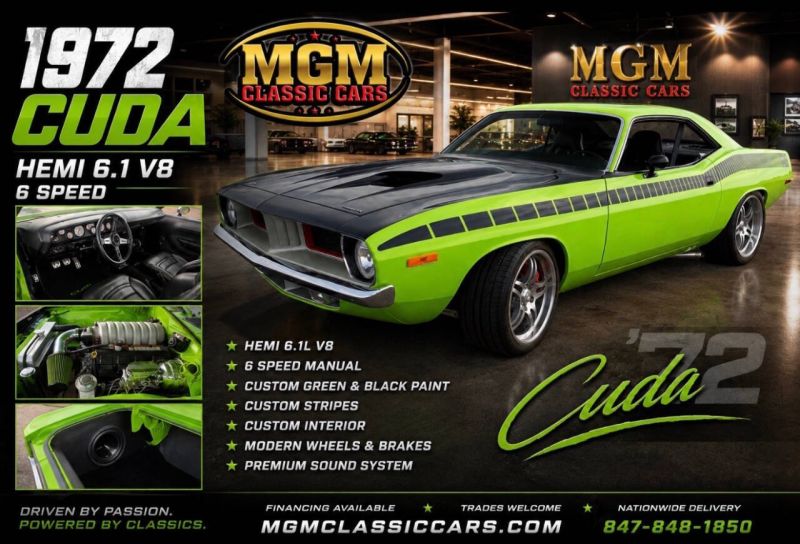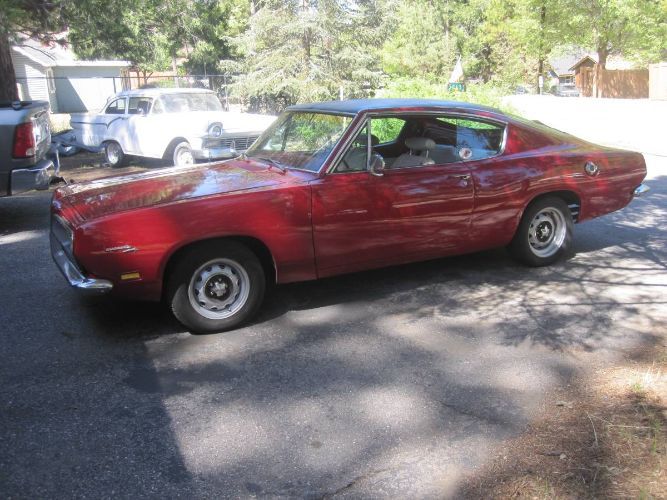
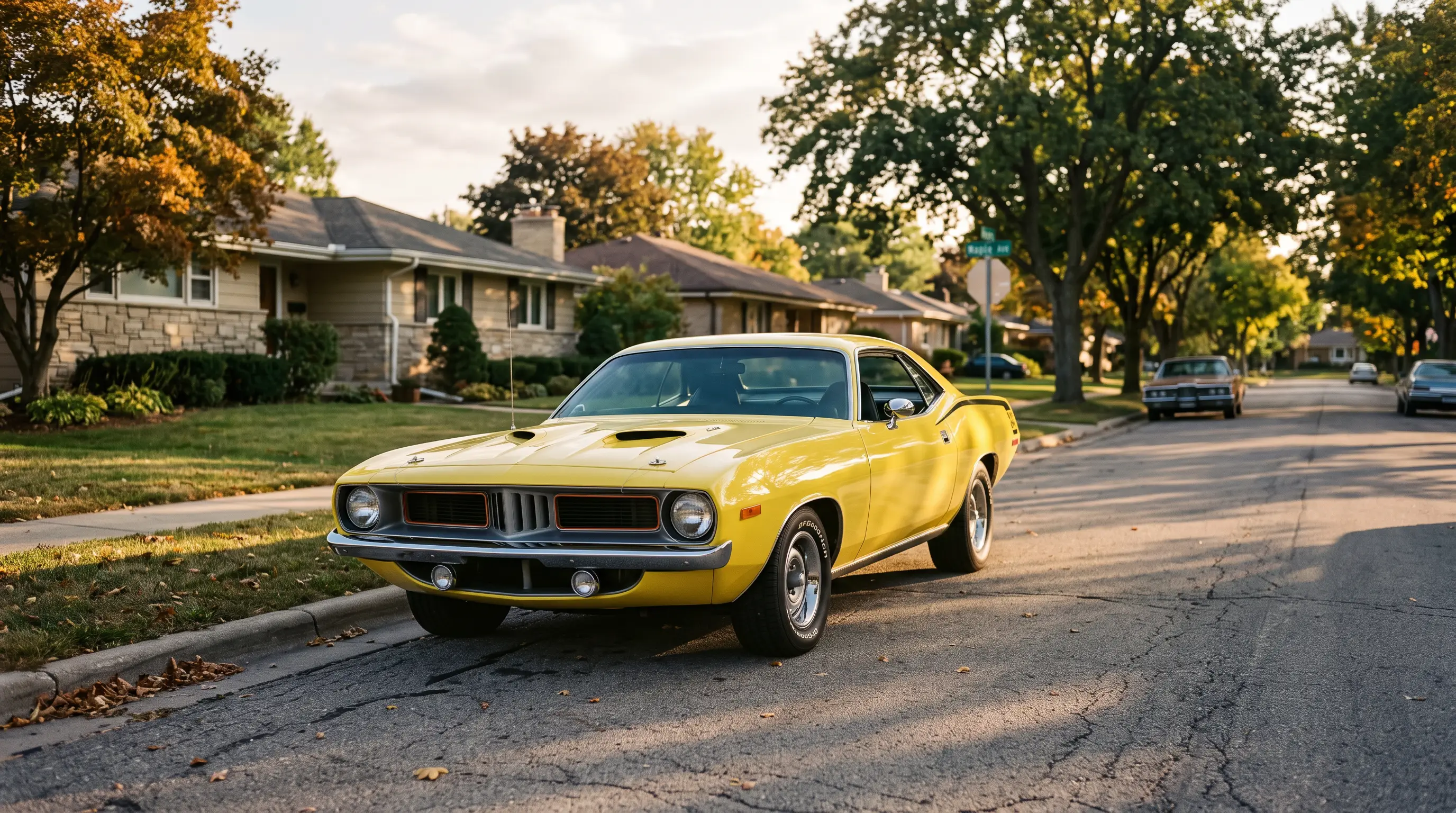
A 1972 cuda is a genuinely different artifact from a 1970 cuda, and treating the two as interchangeable is a mistake this piece exists to correct. Plymouth's Cuda package survived the transition into the 1972 through 1974 model years, but the car underneath it changed in ways that matter to anyone documenting or evaluating one of these later examples.
What the Cuda package actually meant by 1972
It helps to start with a clear-eyed inventory of what stayed and what left. Body style, package badging, and the overall marketing concept survived intact. Engine ceiling, convertible availability, and compression ratios did not. Any serious evaluation of a 1972 through 1974 example has to hold both facts at once instead of collapsing the whole era into a single verdict of decline.
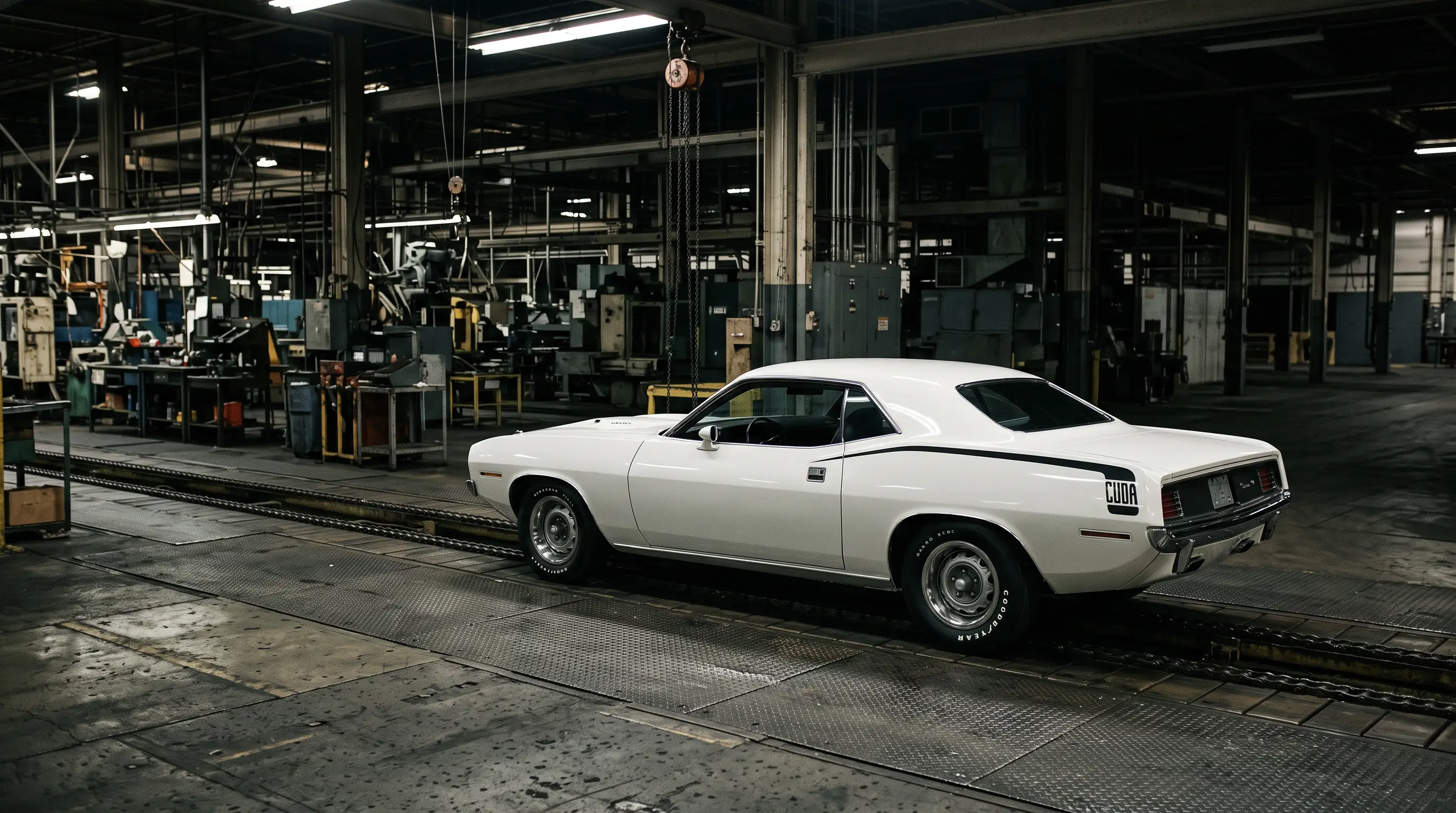
The Cuda name had never referred to a separate model. It was a trim and performance package layered onto the Barracuda body, distinguished by exterior graphics, available performance hardware, and interior appointments that set it apart from the base car. That basic structure held through 1972, 1973, and 1974, but the substance inside the package shifted considerably. The 440 and Hemi engine options that defined the Cuda's reputation in 1970 and 1971 were gone by 1972. What remained was the 340 cubic inch V8, later joined by the 360, as the top available engine for the rest of the car's production life.
This shift did not happen in a vacuum. Every domestic manufacturer detuned engines through the early 1970s to meet tightening emissions rules, so Chrysler's decision to drop the biggest Cuda engines sat alongside similar moves at Ford, General Motors, and American Motors during the exact same years. This is the central fact that gets lost in casual conversation about these cars. A 1972 cuda with a 340 is a real, well-documented artifact of its era, not a lesser version of an earlier car pretending to be something it is not. It represents exactly what Chrysler was able and willing to build under 1972's regulatory and market conditions.
Visual identity: what changed and what stayed
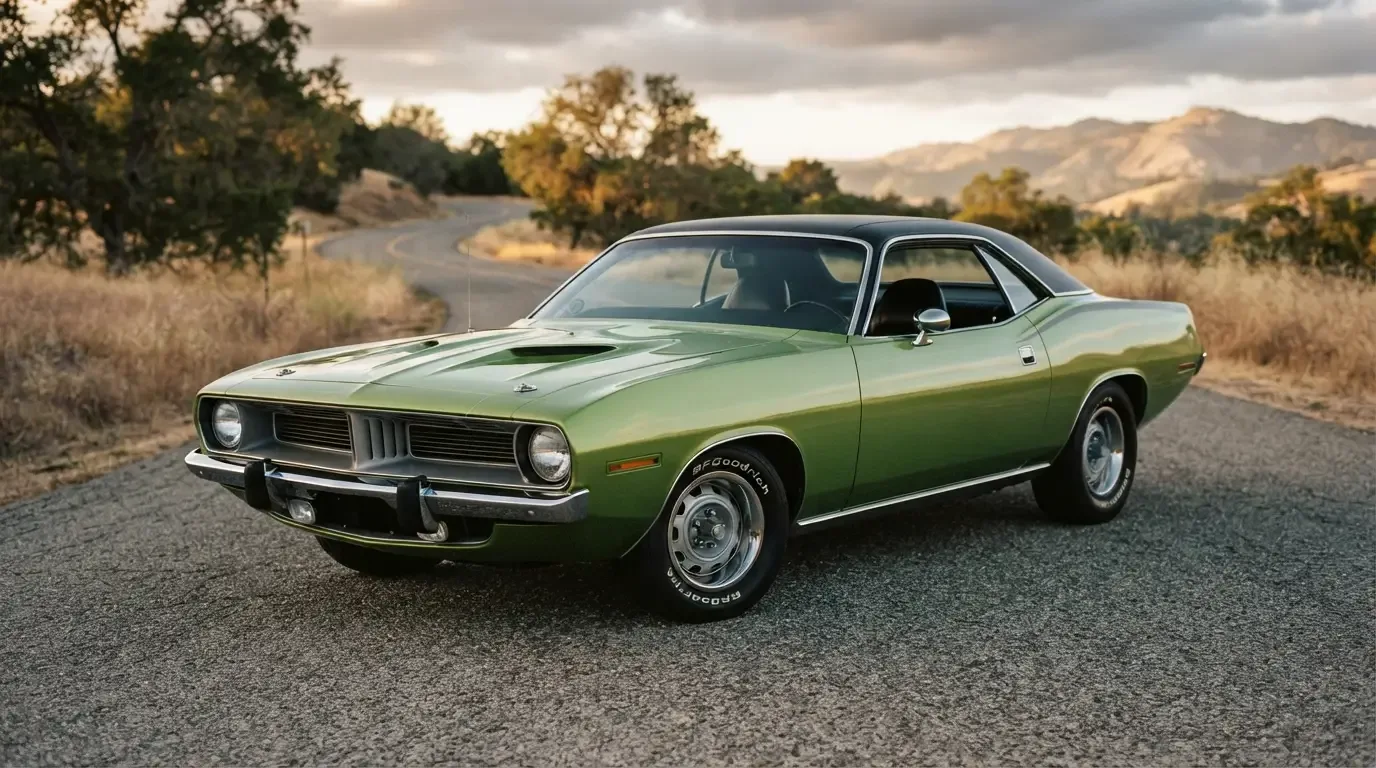
Cuda-specific graphics packages continued through this era, including strobe stripe treatments and, on certain trims, a shaker hood scoop that remained one of the package's most recognizable visual signatures. Federal bumper standards arriving for 1973 changed the front-end appearance noticeably, adding bulk that the earlier cars did not carry. A trained eye can date a Cuda within a model year or two just from the bumper treatment alone, well before checking any documentation.
Interior trim and available colors also shifted for these years, with several paint codes introduced specifically for 1973 and 1974 that never appeared on the 1970-71 cars. Anyone building a period-correct restoration needs to work from year-specific color charts rather than assuming an early Cuda's palette applies uniformly across the whole production run.
"Every Cuda from this era is a primary source document about what Chrysler could actually build under real 1970s constraints. Treating it as a diminished version of the 1970 car misreads what it is."
- Sarah Whitfield
Is a late Cuda still "a real Cuda"?
Ask that question a slightly different way and the answer becomes obvious. Would a period buyer walking into a Plymouth dealership in 1973 have called the car on the showroom floor a Cuda? Yes, without hesitation, because that is exactly what the window sticker said. Retroactive gatekeeping about which years count is a modern collector habit, not a period one.
This question comes up constantly, and the honest answer is straightforward. Chrysler itself called these cars Cudas, marketed them as Cudas, and titled them as Cudas on the factory build sheet. The absence of a big block engine does not disqualify the car from the name any more than a base Mustang without a big engine stops being a Mustang. What changes is the performance profile the name implies, not the legitimacy of the badge itself.
Collectors sometimes use "real Cuda" as shorthand for the earlier, higher-output cars, which is a market preference rather than a factual distinction. Our complete history of the 1972 to 1974 stretch lays out the broader context for why the car changed the way it did during these final years.
How period reviewers actually talked about these cars
Contemporary road tests from 1972 through 1974 did not frame the Cuda as a lesser machine. They framed it as a car adapting to a changed environment, one where compression ratios had to drop for lower-octane fuel and where every manufacturer's performance offerings looked tamer than they had three years earlier. Reviewers of the era judged the Cuda against its direct 1972 to 1974 rivals, not against the ghost of the 1970 Hemi car, because that earlier standard had genuinely left the market for every manufacturer at once, not just Plymouth.
That context is worth restoring today. Modern collectors sometimes apply a nostalgia-driven standard the original buyers never used, judging a 1973 Cuda against a spec sheet from three years earlier rather than against what a same-year Mustang or Camaro buyer actually had to choose from. Read against its true contemporaries, the late Cuda holds up as a legitimate performance option for its specific moment, not a diminished afterthought.
Documentation matters more here than on the famous years
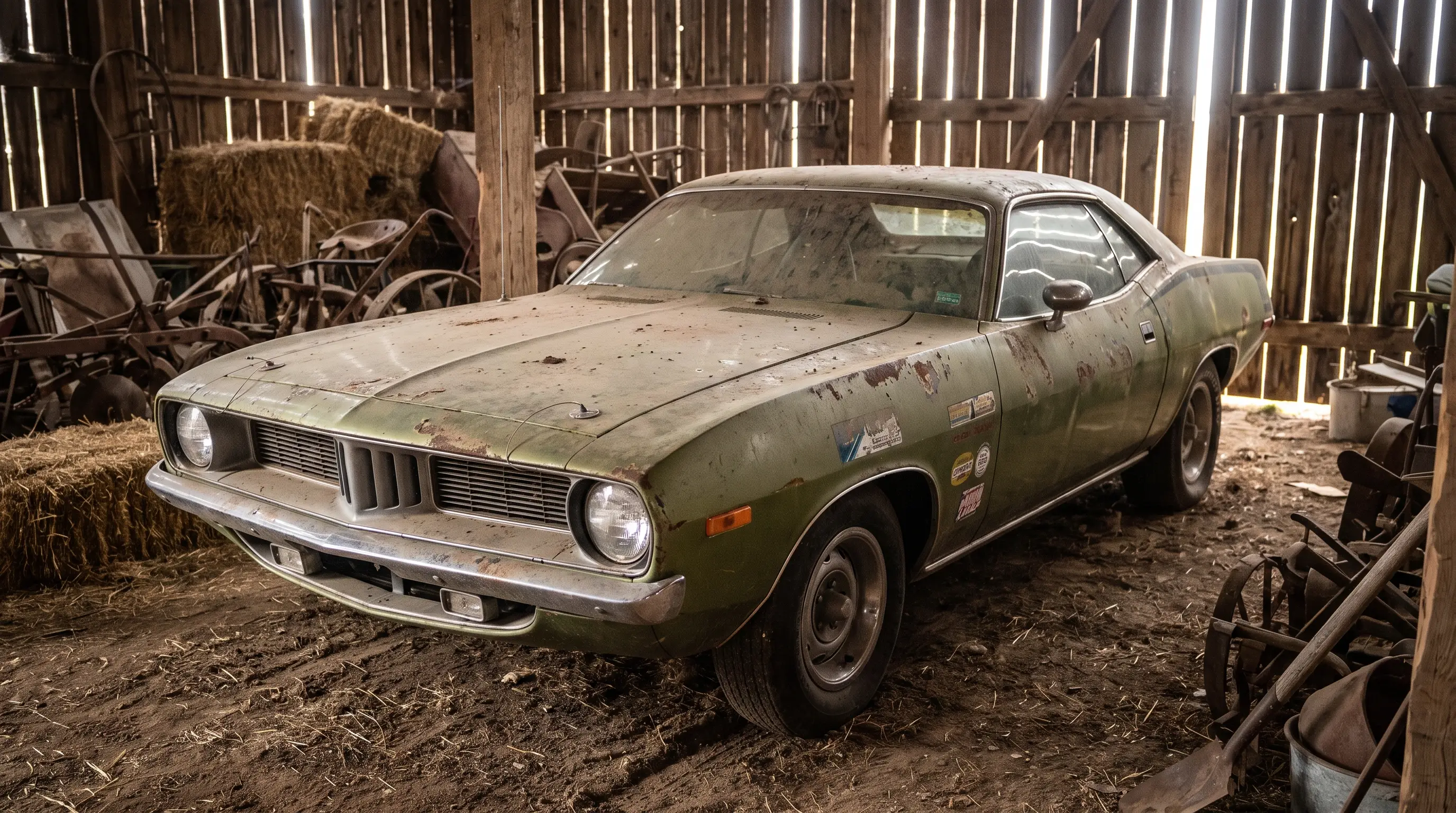
Because these later Cudas carry less inherent market premium than the 1970-71 cars, documentation becomes the primary tool for establishing a specific example's story and value. A fender tag confirming the original engine, trim level, and color, paired with any surviving broadcast sheet, turns an ordinary-looking Cuda into a verified piece of a specific model year's production run. Without that paperwork, a 1972 through 1974 Cuda is judged largely on condition alone, which undersells what these cars actually represent historically.
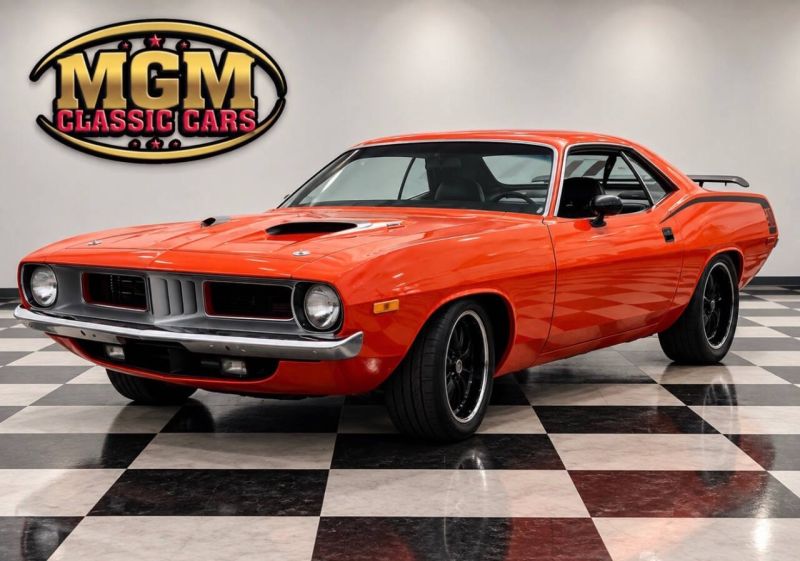
For readers who want to see this generation's actual variety in person rather than through auction photos, it is worth taking time to browse classic Barracuda listings and compare how differently a 1972, 1973, and 1974 Cuda can present depending on options and condition.
These cars deserve to be read on their own terms, as the final chapter of the Cuda story rather than a diminished echo of an earlier one.
Treat a 1972 through 1974 Cuda the way an archivist treats any artifact from a specific period. Judge it against what its own era could produce, document what makes an individual example genuine, and resist importing standards from three years earlier that the entire industry, not just Plymouth, had already left behind by the time these cars left the factory.