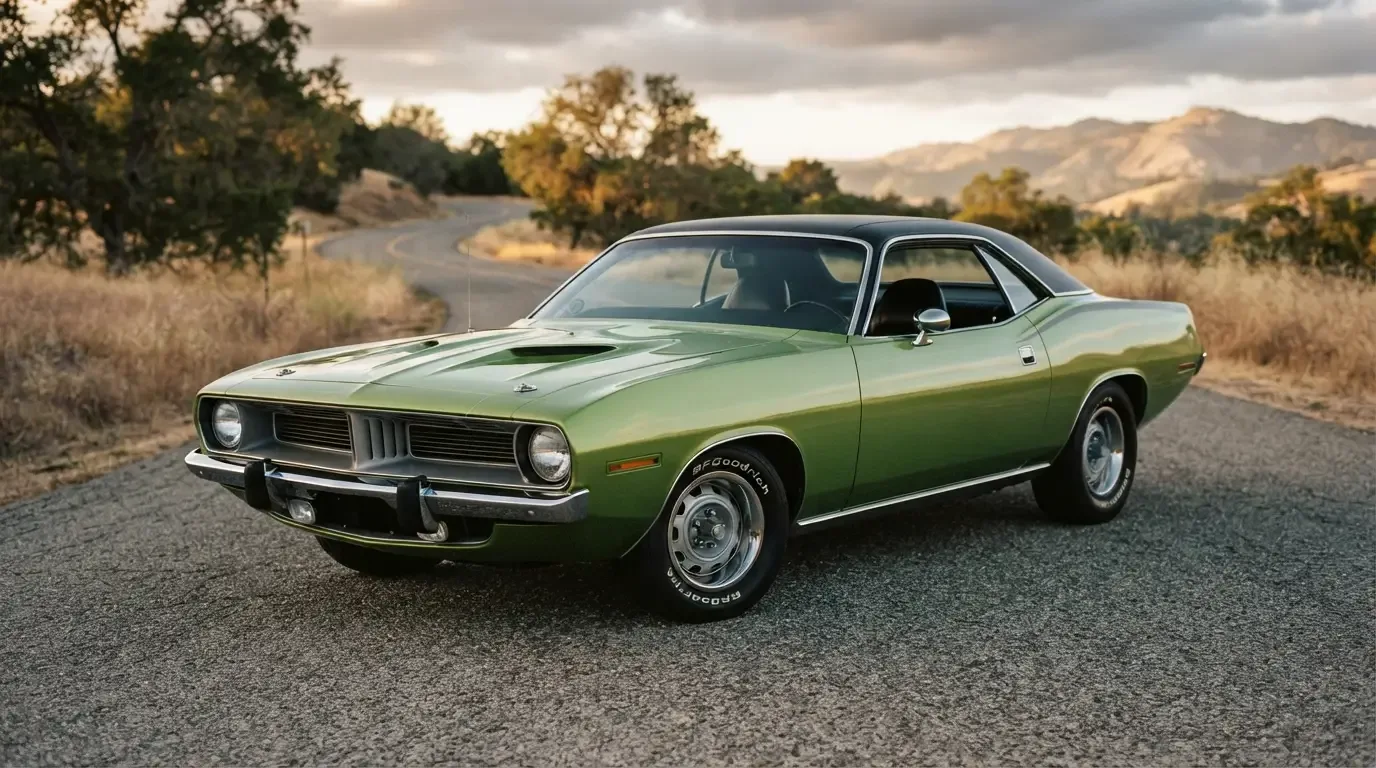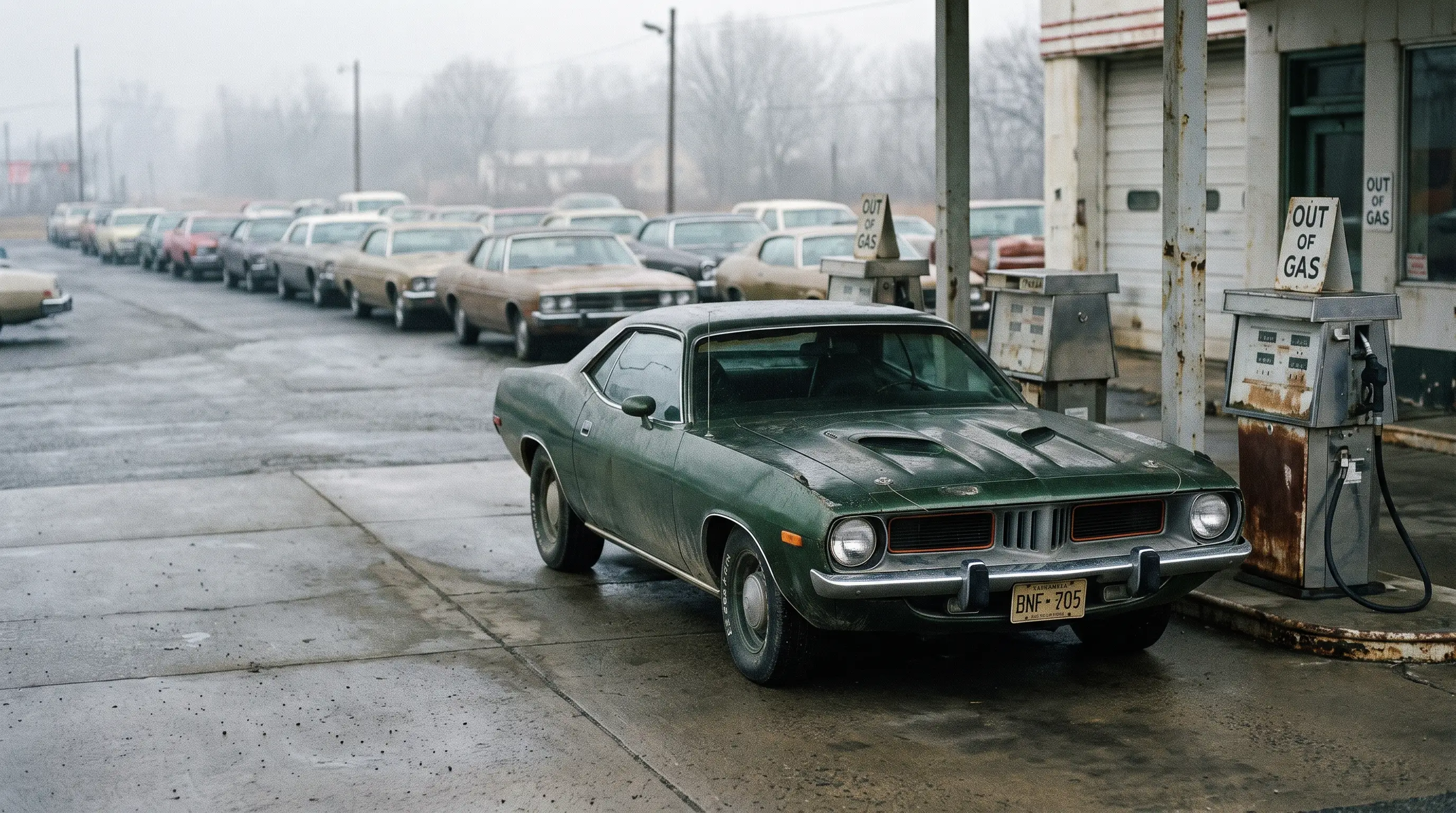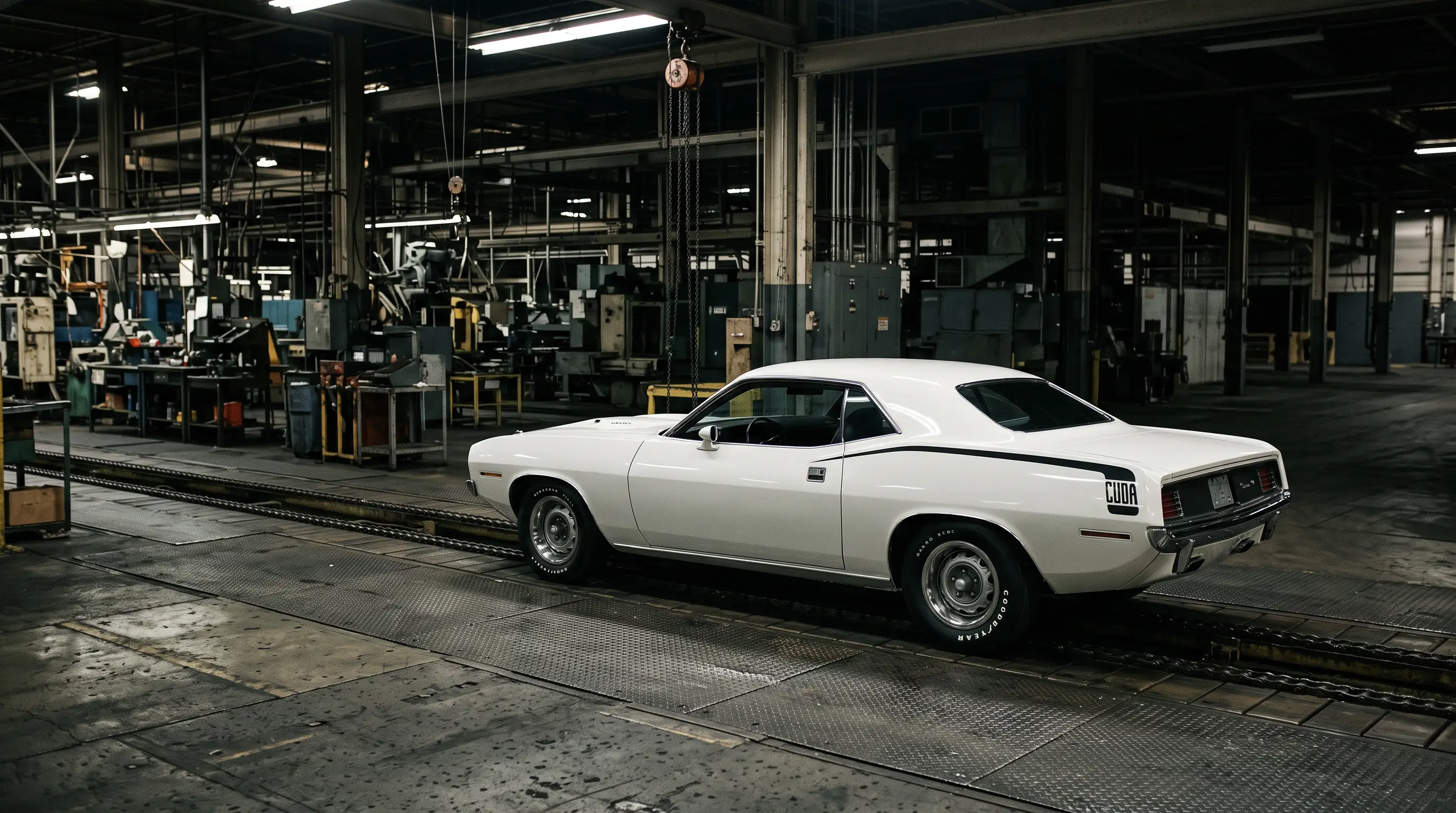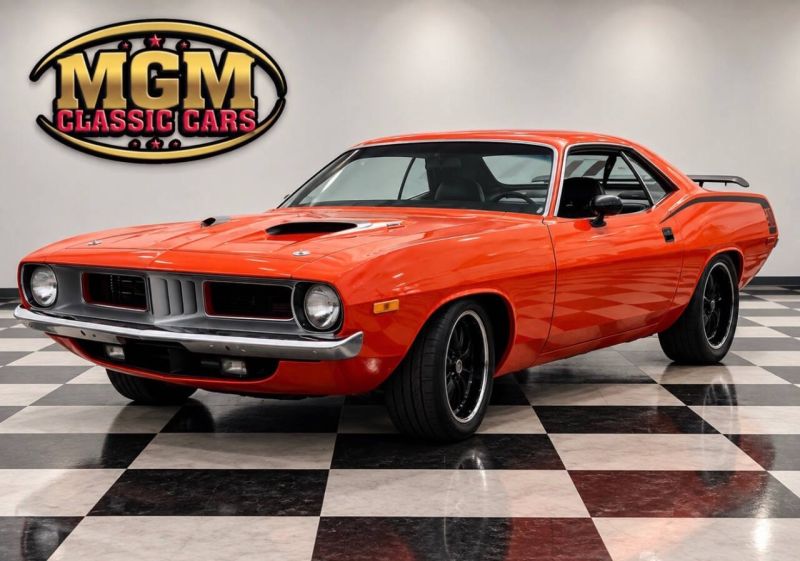
1973 barracuda value is not a simple number, and anyone telling you otherwise is selling something. The late Barracudas, built from 1972 through 1974, sit in an odd spot in the market. They are not the six-figure 440 and Hemi cars from 1970-71 that dominate auction headlines, but they are also not junk. The real question buyers ask me is whether these later cars are an actual bargain or just cheap because they deserve to be.
Where the auction data actually sits
I track these sales the way I track any thin market, by watching a running sample rather than reacting to any single headline number. One flashy auction result does not set a market. A dozen quiet private sales over a year tell you far more about what a real buyer will actually pay, and that quieter data is where the late Barracuda's value case gets made or broken.
Late Barracudas, the 1972 through 1974 base cars and Cuda-package cars, typically trade well below their earlier siblings. A well-documented 1973 Cuda with the 360 V8 and factory options generally sells in a range that looks modest compared to a 1970 440 six-barrel car, often by a factor of five or more depending on condition and originality. That gap is not a market inefficiency. It reflects real differences in engine output, rarity of top options, and the cultural weight the earlier cars carry.
What matters for a buyer asking about value is not the gap to the 1970 cars. It is whether the late Barracuda is priced fairly relative to comparable pony cars from the same model years, cars like a contemporary Mustang or Camaro with similar engines and options. On that comparison, late Barracudas often look reasonably priced, sometimes underpriced, because overall Barracuda brand recognition still lags behind the more famous competitors even on cars from the same era.
What actually drives value within these three years
Engine and options matter more than model year alone. A 1973 or 1974 Cuda with the 360 V8, a factory shaker hood, and documented original paint commands a real premium over a base Barracuda with the six-cylinder or the smaller V8. Air conditioning, a rare color combination, and a manual transmission in the right configuration can each move the number meaningfully. Buyers chasing the 1972 plymouth barracuda story and its context often discover that documentation, not raw rarity, is what separates a strong sale from a mediocre one.
Condition does the rest of the heavy lifting. Because these later cars were driven as daily transportation for years before anyone treated them as collectible, survivors with original sheet metal and an untouched interior are less common than raw production numbers suggest. A clean, unmolested driver-quality car often outperforms a heavily restored example at auction once buyers start asking pointed questions about what got replaced.
"The number on the auction slip means nothing without the paperwork behind it. A late Barracuda with real documentation beats a flashier car with a story and no proof, every time I have watched it happen."
- David Mercer
The bargain case, examined honestly
The argument for these cars being a bargain rests on three things. First, they are genuinely the final Barracudas ever built, which gives them a finality that some buyers value regardless of horsepower. Second, entry cost is meaningfully lower than the 1970-71 cars, which opens the segment to buyers who could never afford an early Hemi Cuda. Third, parts and community support remain solid because the E-body platform overall has a strong following, even if the late cars themselves get less attention.
The counter-argument is just as real. Lower demand for these years means resale liquidity is thinner. A late Barracuda might sit on the market longer than an early one when it is time to sell, and price appreciation historically has lagged the earlier cars by a wide margin. Buyers treating this as a quick flip should manage expectations accordingly.
How the last three years compare to each other
Within this window, the model years are not interchangeable either. 1972 Barracudas lost the convertible entirely, which removes one category of collector interest right at the start of the window. 1973 gained the heavier federal bumpers but also introduced the 360 V8, giving buyers a genuine step up from the base 340. 1974, the final model year, tends to carry a small premium purely for being last, the same effect you see in other discontinued nameplates where the very last cars off the line attract buyers who want the definitive endpoint regardless of whether the spec sheet is the strongest of the run.
That "last car" premium is soft and unpredictable compared to documented rarity, but it shows up often enough in real sales that a buyer comparing a 1973 and a 1974 example at similar condition and options should expect the 1974 to ask a slightly higher number, all else equal.
My actual take
For a buyer who wants a genuine piece of Barracuda history without a six-figure budget, the 1972 to 1974 cars represent real value today. Read the full story of how the model got here before buying, because understanding why these years get overlooked is exactly what lets a sharp buyer take advantage of the gap. I would rather own a well-documented 1973 Cuda with the 360 than an average, over-restored early car with a murky history, and the price difference between those two options usually favors the buyer who does the homework.
The market has not fully caught up to what these cars represent, which is the actual last chapter of a nameplate that never got revived. That kind of finality tends to matter more over time, not less, and buyers positioned early in that recognition curve typically do better than those who wait for the story to become obvious to everyone else.
Anyone ready to see what is actually priced and available should look at classic Barracudas on the market before assuming the segment is fully explained by auction headlines alone.
One last number worth keeping in mind: the gap between a rough project car and a documented, drivable example in this segment is often smaller in dollars than buyers expect, since the ceiling on late Barracudas has not climbed nearly as fast as it has for early cars. That compressed range makes shopping easier for a first-time buyer, because a modest budget increase can move you from a project into something actually usable, a jump that costs far more money in the early-car market than it does here.