A guy at a swap meet in Ohio once told me the Plymouth Barracuda died because nobody wanted a fast car anymore in 1974. I let him finish his story, bought his fender tag off the hood he was selling, and then walked him through why barracuda discontinued is a much more tangled question than one bad year of sales. The truth involves an oil embargo, a federal safety bureaucracy, and a corporate parent that had bigger problems than one nameplate.
The last model year nobody saw coming quite this fast
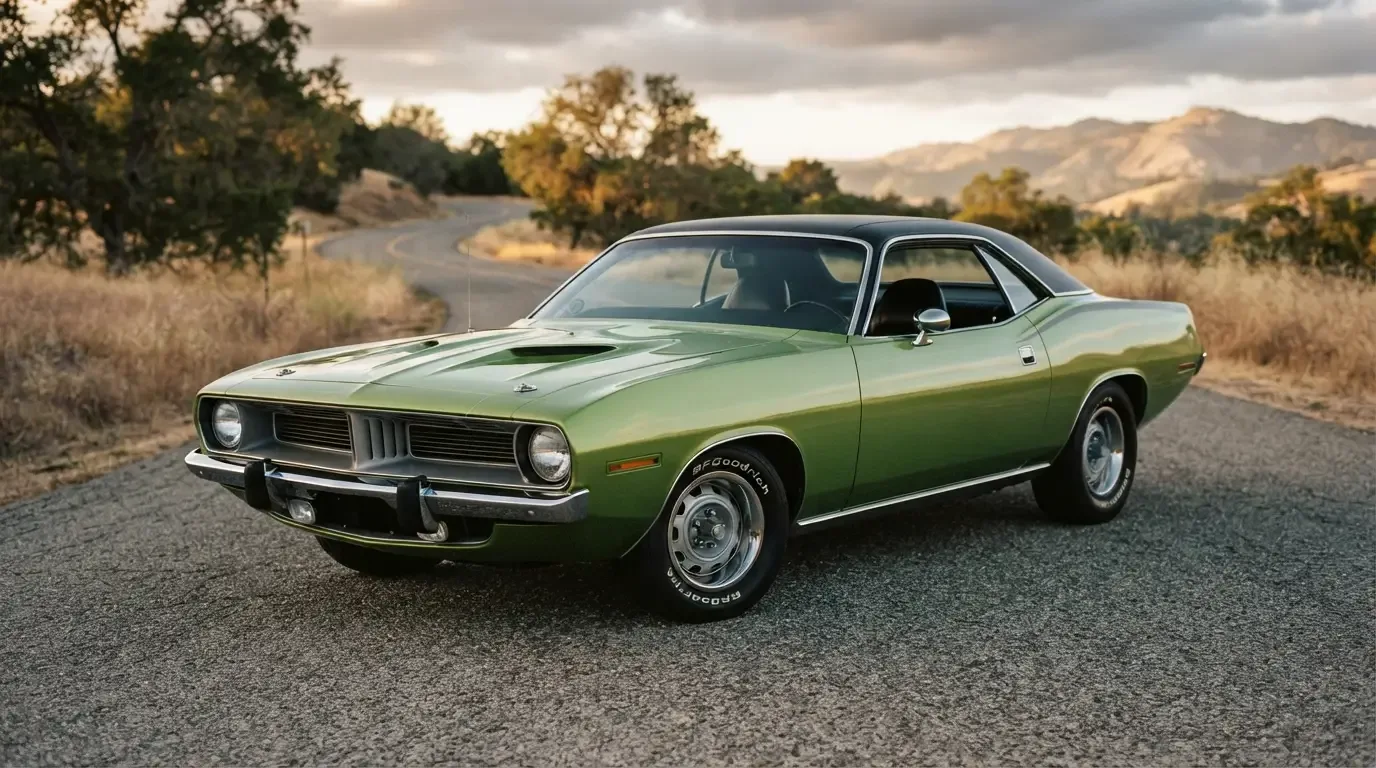
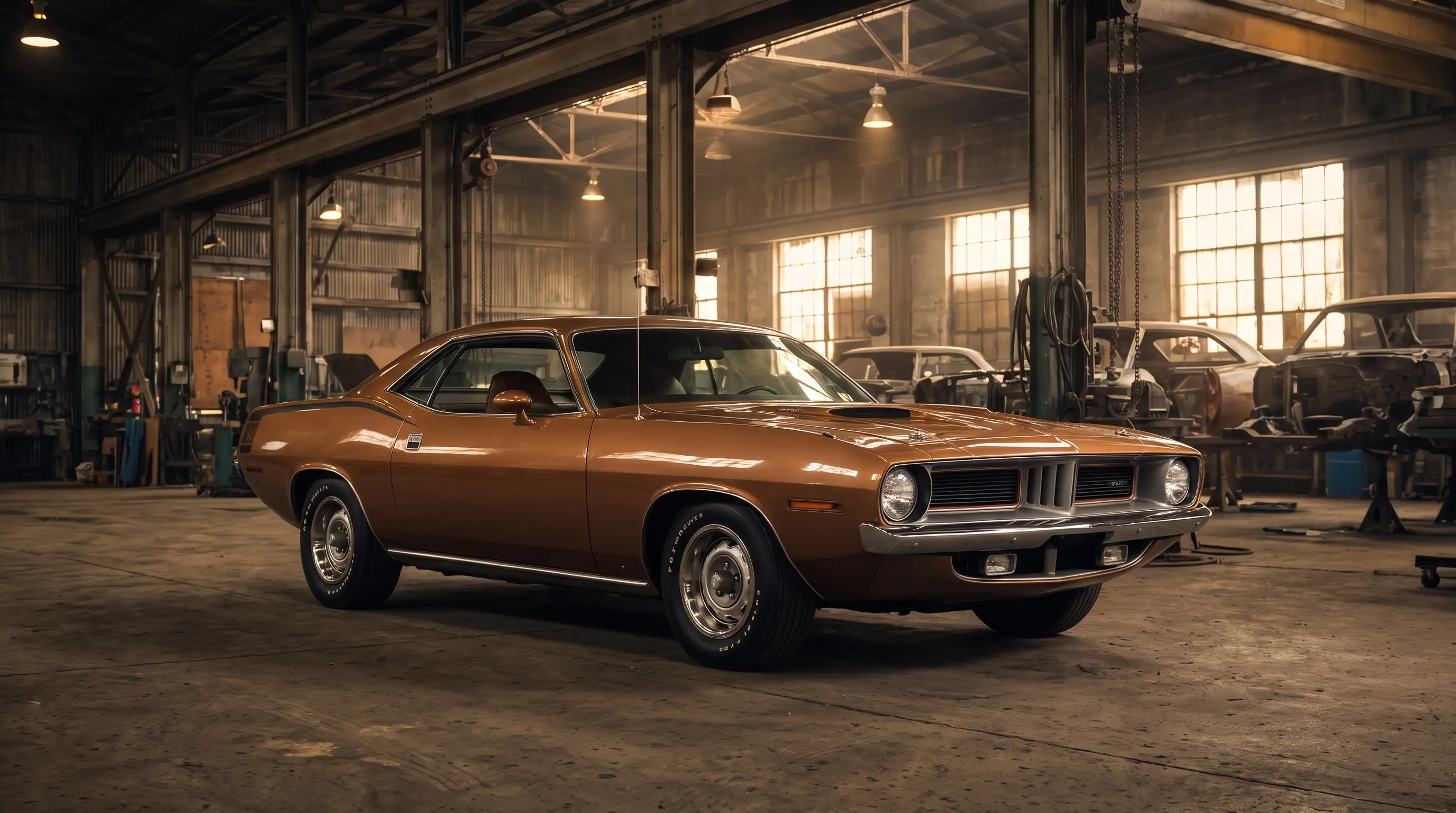
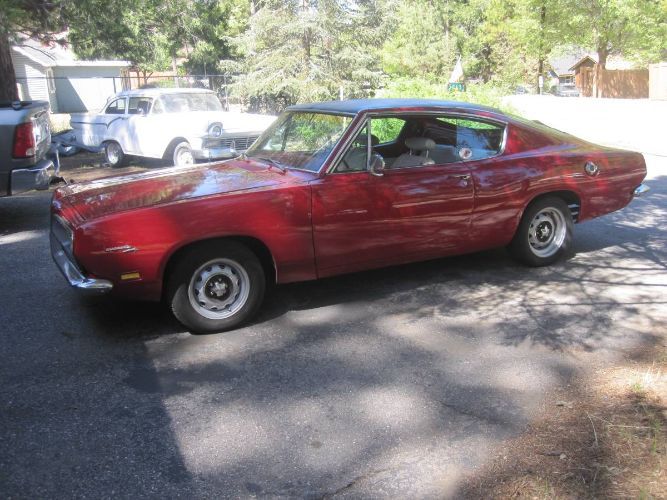
Plymouth built its final Barracuda in April 1974. There was no big send-off, no special edition, no "last of the breed" marketing push the way some other dying nameplates got. The car simply stopped appearing on order sheets for 1975. Chrysler had bigger fires to put out that year, including a full corporate restructuring of its compact and intermediate lineups, and the Barracuda, sharing its E-body platform with the Dodge Challenger, went away alongside its Dodge cousin in the same model year.
I have heard club members argue that Chrysler killed the car reluctantly, and others insist it was an easy decision because the E-body platform was never a huge seller compared to the F-body Duster and Dart that used the same drivetrains more cheaply. Both arguments have some truth in them. The E-body cost more to build than it earned back in the sales numbers Chrysler wanted by the mid-1970s.
"Nobody signed a death warrant for the Barracuda in one meeting. It got squeezed out by three or four separate problems that all landed in the same eighteen months."
- Wayne Coburn
Insurance companies had already started the job
Before the fuel crisis ever hit, insurance underwriters had been raising premiums on high-performance cars for several years running. By the early 1970s, a young buyer shopping a Cuda with a big engine faced insurance costs that made the whole ownership proposition harder to justify than it had been in 1969 or 1970. Chrysler responded the way every Detroit manufacturer responded, by detuning engines and trimming the highest-performance options off the order sheet years before the Barracuda's actual final year.
That slow bleed matters because it means why barracuda discontinued cannot be pinned entirely on 1973 and 1974 events. The car's most dramatic versions, the 440 and Hemi Cudas, had already vanished from the catalog by 1972. What remained in the car's final two years was a tamer machine competing in a market that had already moved past the muscle car boom.
Federal regulation reshaped the whole segment
New bumper standards phased in for 1973 forced heavier, less attractive front and rear treatments onto every American car including the Barracuda. Emissions rules tightened compression ratios and choked horsepower ratings across the board. None of this was unique to Plymouth. Every pony car on the market was fighting the same regulatory current, and several competitors did not survive it either. The segment as a whole contracted hard through the middle of the decade.
Anyone who wants the fuller context behind these final years can read the background on how the car's last generation actually took shape before it disappeared entirely.
The fuel crisis landed the final blow
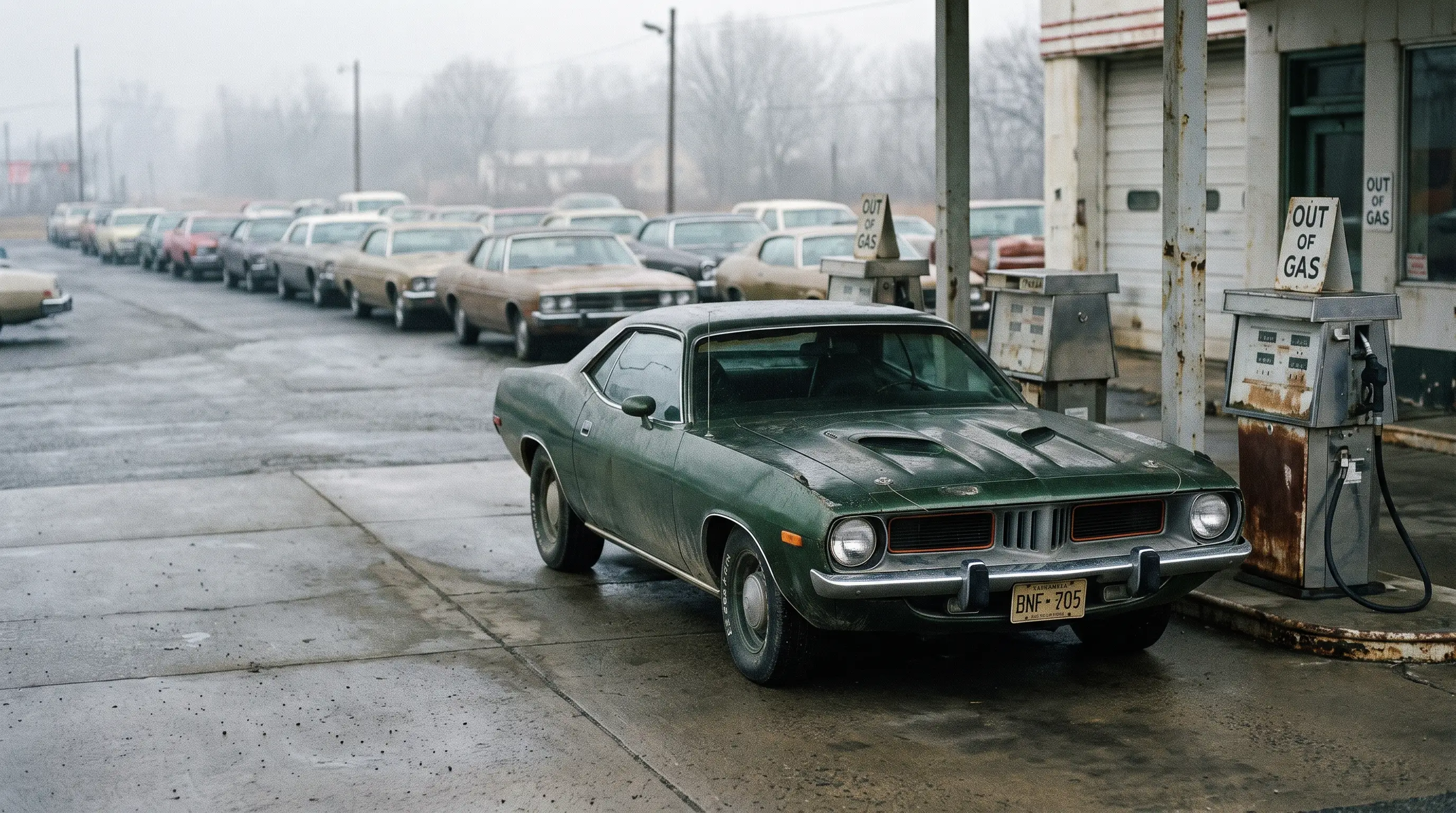
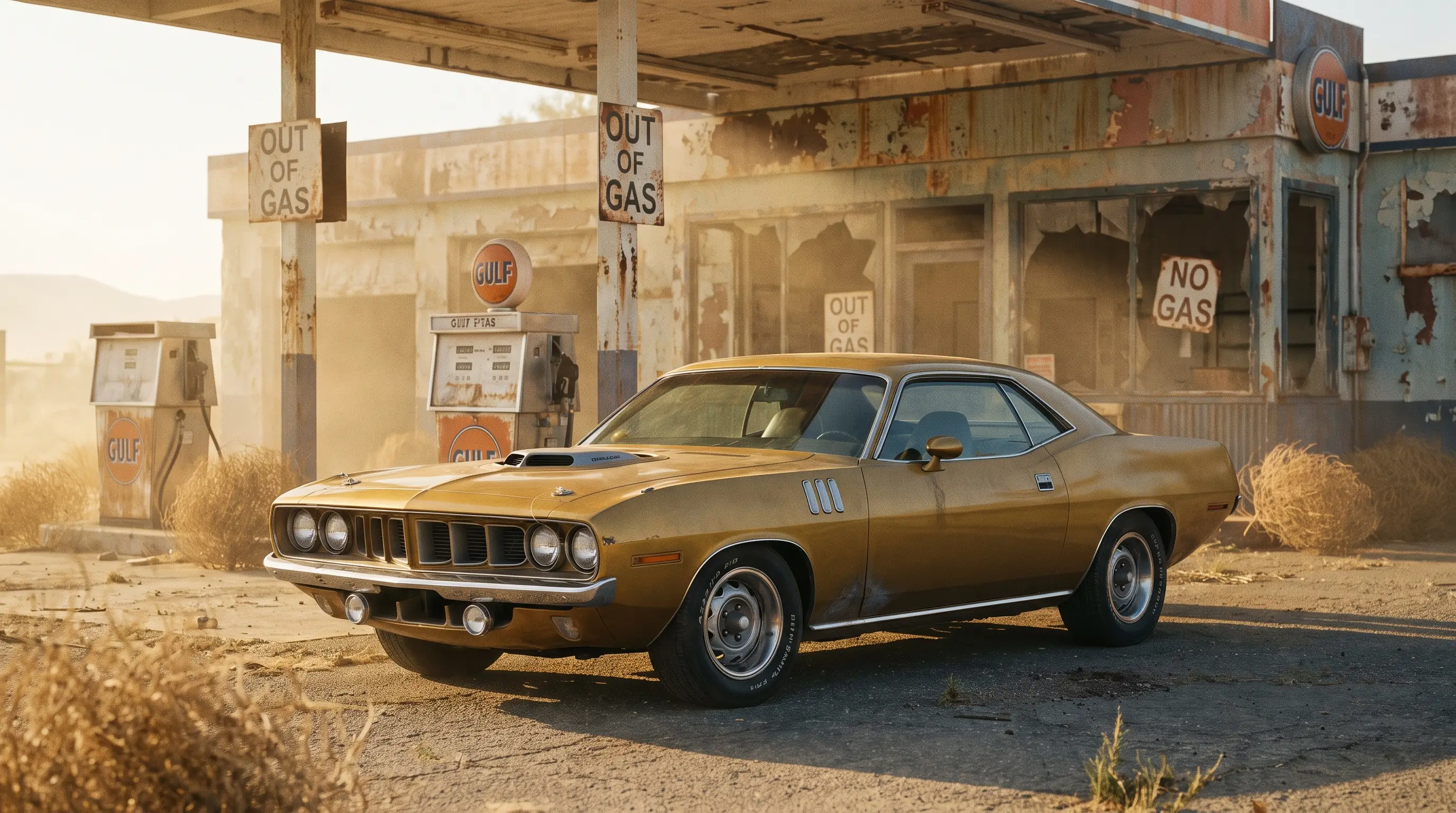
The 1973 oil embargo hit gas stations in October of that year, right in the middle of the Barracuda's final full production cycle. Buyers who had been cross-shopping a Cuda against a more practical compact suddenly had a very concrete reason to choose the compact. Chrysler's own Duster and Valiant, built on cheaper mechanicals and getting noticeably better fuel economy, looked far more sensible to a nervous car-buying public than a two-door with a V8 under the hood.
Chrysler was also in genuine financial trouble by the mid-1970s, years before the more famous near-collapse and federal bailout later in the decade. Cutting a platform that demanded its own unique tooling, separate from the cheaper F-body cars, was one of the easier ways to consolidate costs when the whole company needed to trim wherever it could.
Why the Barracuda name never came back the same way
Some discontinued nameplates get revived a few years later on a new platform. That never happened with the Barracuda. Plymouth's next sporty compact was the Volare-based cars later in the decade, machines that shared nothing with the E-body Cuda in spirit or hardware. The name itself sat dormant for good, never resurrected the way Chrysler eventually brought back the Challenger and Charger names decades later on the modern LX platform.
That permanence is part of what makes these final Barracudas feel different from other muscle cars that simply went through a rough patch before coming back stronger. There was no comeback chapter waiting. The 1974 model year was genuinely the end, and that finality shapes how club members and buyers talk about the car today, treating the last examples with a certain reverence that a car with a later revival never quite earns in the same way.
What the ending actually looked like on the ground
Dealers sold off remaining 1974 stock into 1975 the same way any discontinued model gets cleared out, with no fanfare and often with steep discounts. Nobody at the time treated the last Barracudas as future collectibles. That recognition came decades later, once the muscle car market matured and buyers started hunting down the final examples of nameplates that never got a proper send-off.
Club gatherings today are full of stories like the one I opened with, people convinced they know the single reason the car disappeared. The real answer is less tidy and more interesting: regulation, insurance economics, corporate finances, and a fuel crisis all arrived within roughly the same two years, and no single one of them alone would have ended the Barracuda. Together they made the decision for Chrysler.
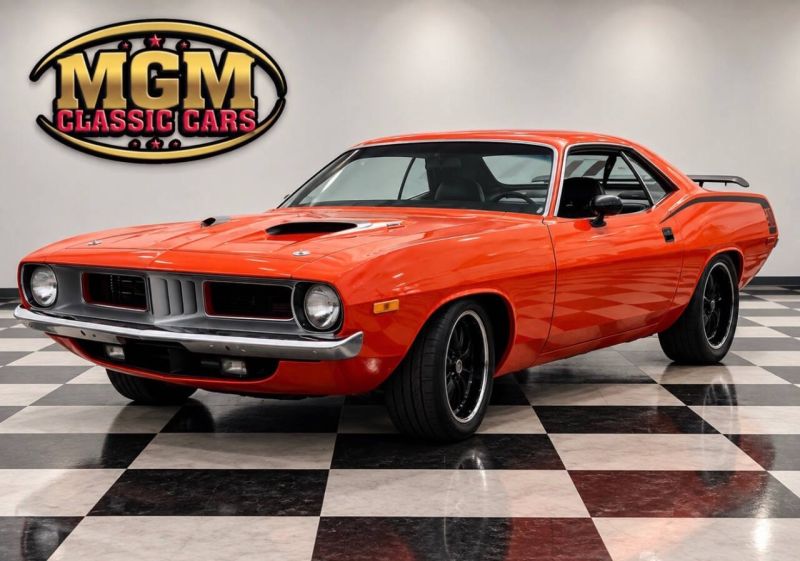
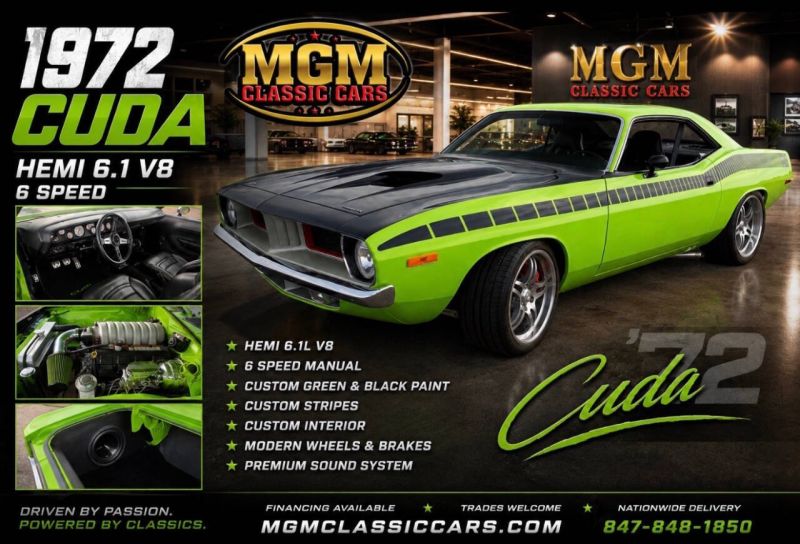
If the history has you thinking about picking one up yourself, find a classic Barracuda and see what is actually available today, including 1972 Barracuda listings from the tail end of the model's run.
The next time somebody at a swap meet tells you the Barracuda died because muscle cars simply went out of fashion, you can hand them the fuller version. Fashion had almost nothing to do with it. Insurance actuaries, federal regulators, and an oil embargo did the actual work, and Chrysler's balance sheet made the final call easy.