I once watched a guy at a swap meet argue for ten straight minutes that the 1964 Barracuda's rear window was "just a regular fastback glass, nothing special." Three other club members descended on him with tape measures out of their trunks before he finished his sentence. That is what the Barracuda's rear glass window does to people who love this car. It turns a casual comment into a small referendum on Plymouth engineering, and honestly, that is half the fun of owning one.
Fourteen point four square feet of bragging rights
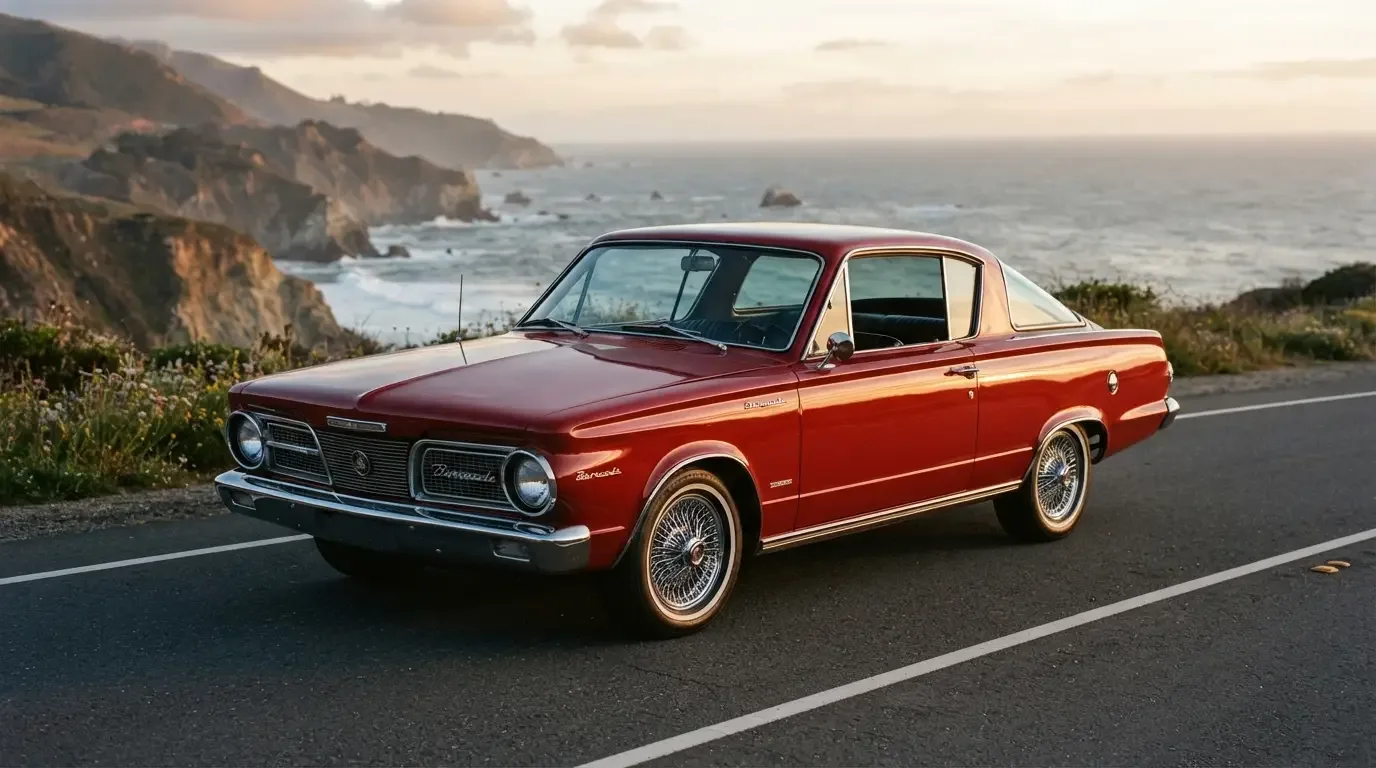
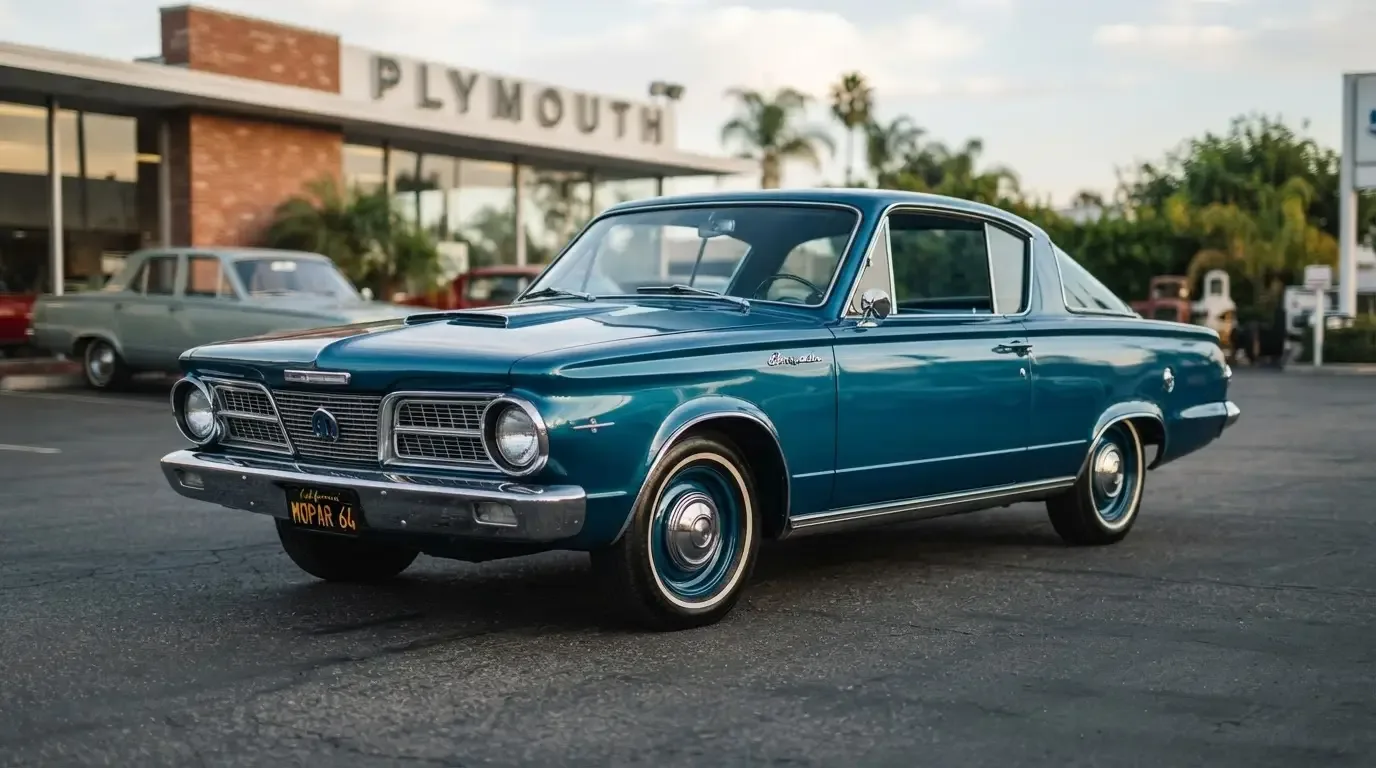
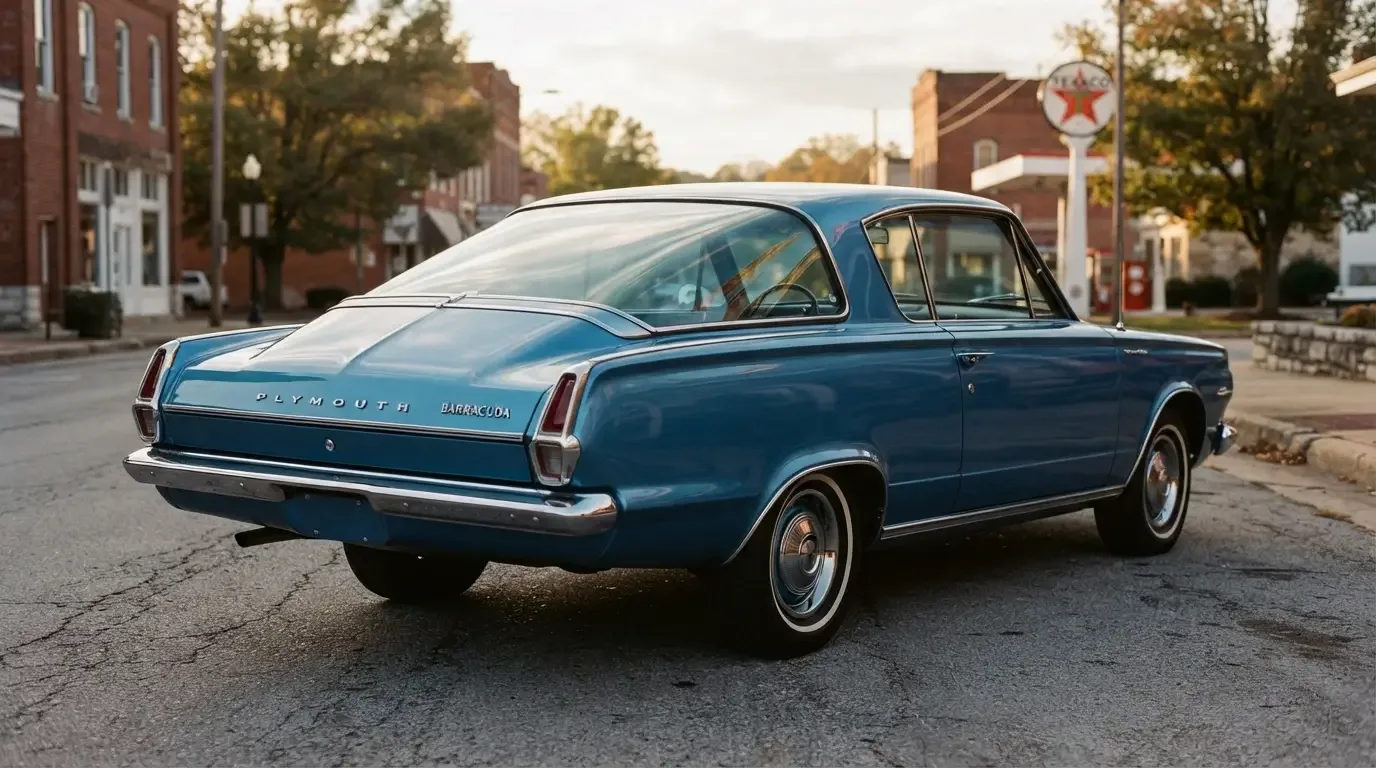
Here is the number that ends most arguments before they start. The 1964 Barracuda's one-piece rear window measured 14.4 square feet, curved in a single sweep from one C-pillar to the other. At the time it was announced, Plymouth called it the largest piece of curved glass ever installed in a production automobile, and nobody in Detroit stepped up to dispute the claim. That is not a small thing to get right on the first try, and it is not the kind of feature a company bolts on as an afterthought. It was the headline of the whole launch.
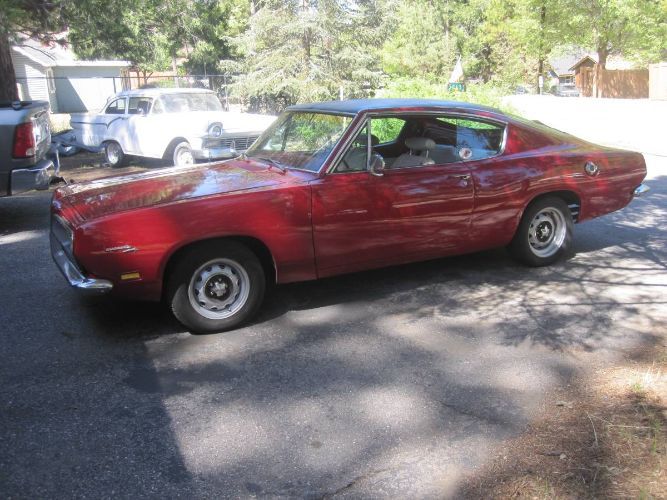
Fold the rear seats down in a well-kept original car and the effect still works exactly as designed six decades later, turning the back of the car into something closer to a small greenhouse than a trunk. Club members who have owned both a Barracuda and a Mustang from the same model year will tell you, usually unprompted, that nothing else from that era makes a fastback feel this open from inside.
Why Plymouth bet the whole launch on a window
Building a piece of curved glass that large was not a trivial ask for 1964 glass technology. The tooling had to hold tolerances tight enough that the huge curved pane would seal properly against a steel body built on much shorter production runs than the glass suppliers were used to. Chrysler's designers wanted the fastback silhouette to read as sporty from every angle, and a small chopped rear window would have killed that look immediately. So the glass became the design solution and the marketing hook at the same time, a rare case of an engineering constraint and an advertising department landing on the exact same answer.
It also meant Plymouth was making a visual argument rather than a horsepower argument in its first pony car pitch. Read our complete history of the car's launch and you will notice the glass gets more ink in period materials than any engine option does, which tells you plenty about what Plymouth thought would actually sell the car to a skeptical public in the spring of 1964.
The part nobody wants to hear at a show
Every club has that member who has to be the one to say it, and in ours it is usually whoever just finished a restoration. Original glass with the correct date codes and manufacturer markings is scarce, and reproduction pieces, while functional, do not always match the exact curvature or thickness of factory originals closely enough to satisfy a judge at a serious concours event. A car wearing incorrect replacement glass will lose points in judged classes even if everything else under the sheet metal is dead-on correct. That single detail has ended more than one trophy hope at regional shows, and it is the kind of thing a buyer needs to check before assuming a "restored" car is actually correct.
Documentation matters here more than almost anywhere else on the car. A build sheet or factory invoice noting the glass supplier code is worth chasing down before you buy, because it settles arguments that a visual inspection alone cannot. I have seen two nearly identical Barracudas at the same show, one with paperwork and one without, sell for meaningfully different money at auction the following year, purely because one buyer could prove what he was getting and the other could not.
"Everybody wants to talk about the glass until you ask them to prove it's original. Then the conversation gets a lot quieter and a lot more honest, which is exactly how it should be."
- Wayne Coburn
What to look for if you go shopping
If you are hunting for a first-generation car specifically because of that rear window, inspect the glass edges closely for the etched manufacturer mark and date code before anything else. Check that the curvature is even and that the seal channel around the perimeter shows factory-correct gasket material rather than a generic aftermarket bead. None of this is difficult to learn, it just takes a slower look than most buyers give a car on a first walk around the lot. Those who take the time and find a classic Barracuda with its original glass intact are holding onto a genuinely rare detail of early Detroit design, one that a surprising number of shoppers walk right past without a second glance.
How the window aged with the car
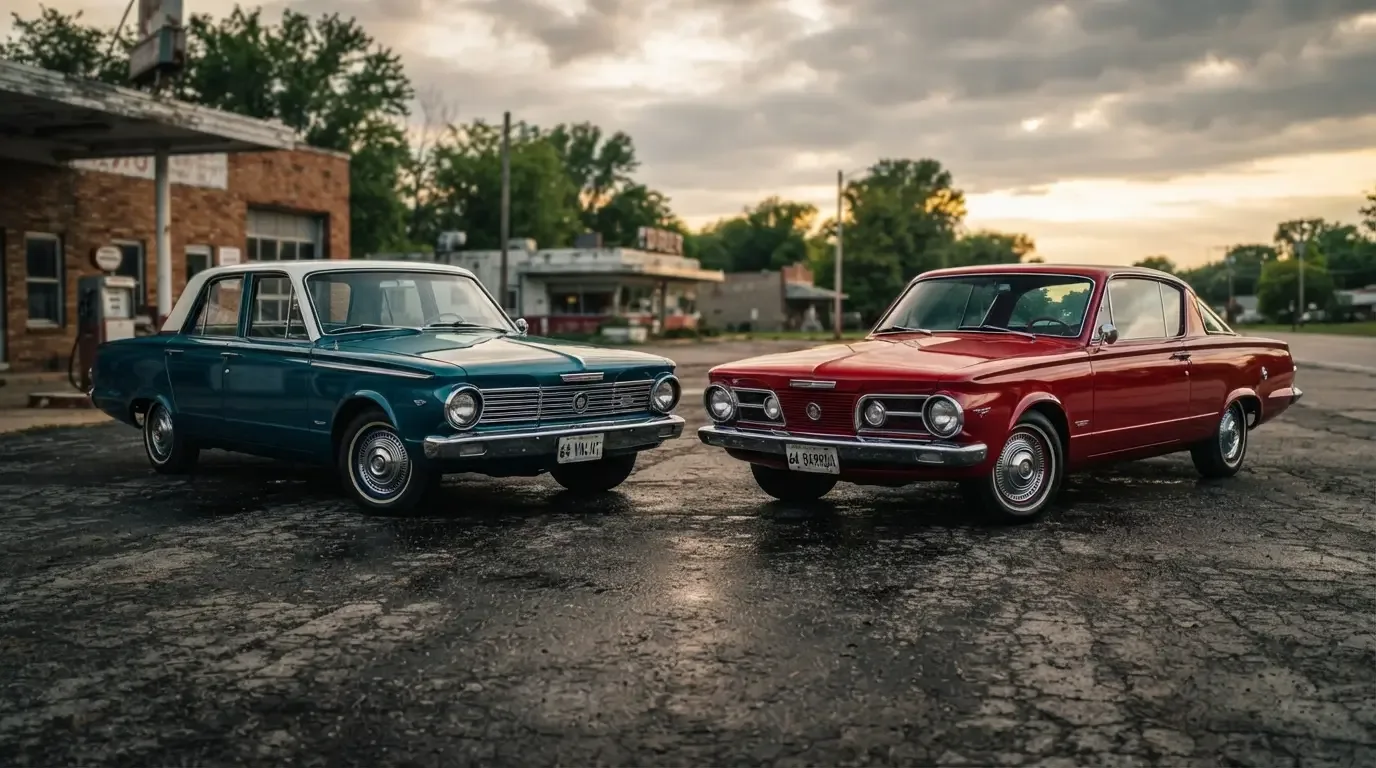
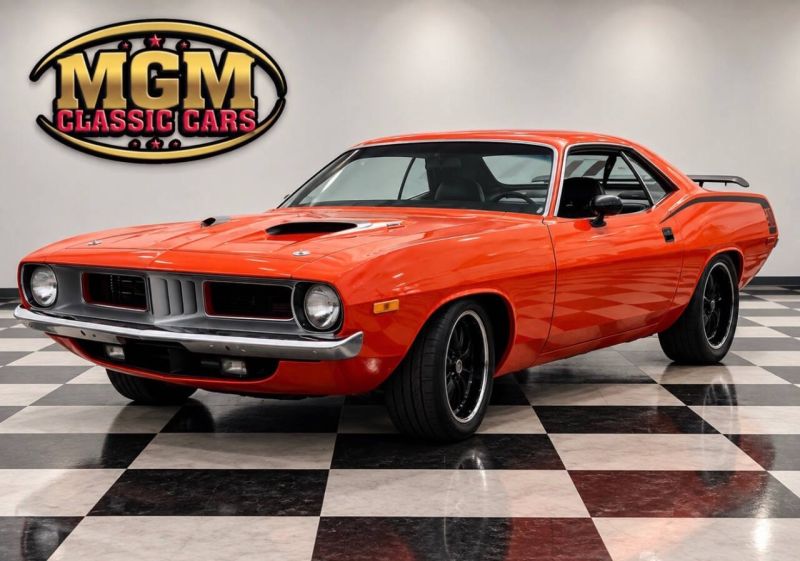
By 1965, when the Formula S package arrived and the whole lineup got sharper, the rear glass stayed essentially unchanged, a rare constant while trim, badges, and engine offerings shifted year to year. That consistency is actually useful for anyone dating an unmarked car today, since a correct wraparound rear window at least confirms you are looking at a first-generation body, even if every other detail has been swapped or repainted along the way. By 1967, when the second generation Barracuda broke away from the Valiant chassis entirely and adopted a more conventional greenhouse, that signature window disappeared for good. It never came back on any later Barracuda, which is part of why the 1964 through 1966 cars still get singled out specifically for this one feature, decades after every other spec on the car has been surpassed many times over by later Mopar performance models.
Club newsletters from the 1970s and 1980s occasionally ran short pieces reminding owners not to use standard glass cleaners with ammonia on aftermarket tinted replacements, since some early reproduction panels reacted poorly to certain chemicals. Whether that warning still applies to modern reproduction glass is debatable, but it is the kind of small, specific detail that only surfaces when a community keeps talking about one feature for sixty years running. Nobody writes newsletter columns about parts nobody cares about, and people have never stopped caring about this window.
A small piece of glass, a large piece of the story
It is easy to reduce the first Barracuda to a footnote about beating the Mustang to market, but the glass is the part of the car that actually earned its own headline in 1964, on its own merits, without needing a rival to compare itself against. Next time someone at a swap meet tells you it is "just glass," hand them the tape measure and let them find out for themselves.