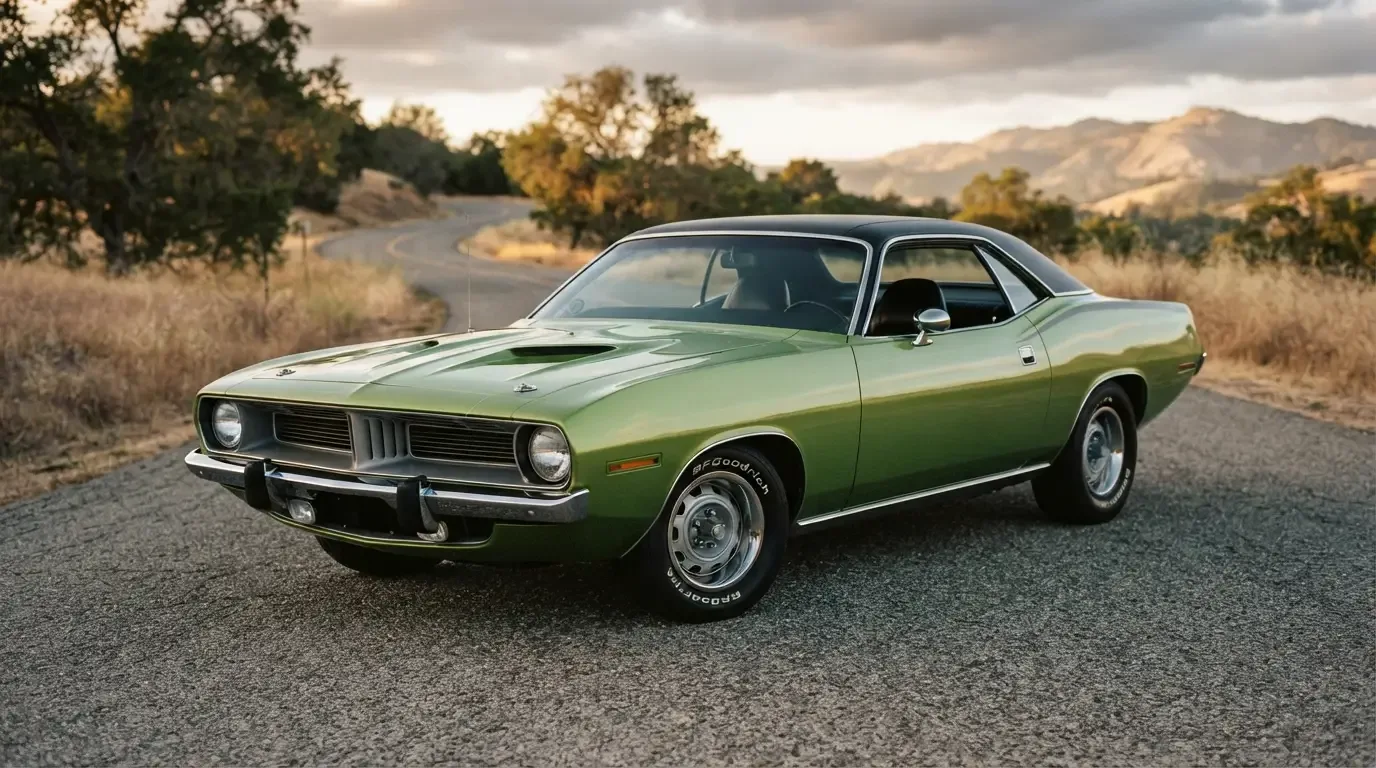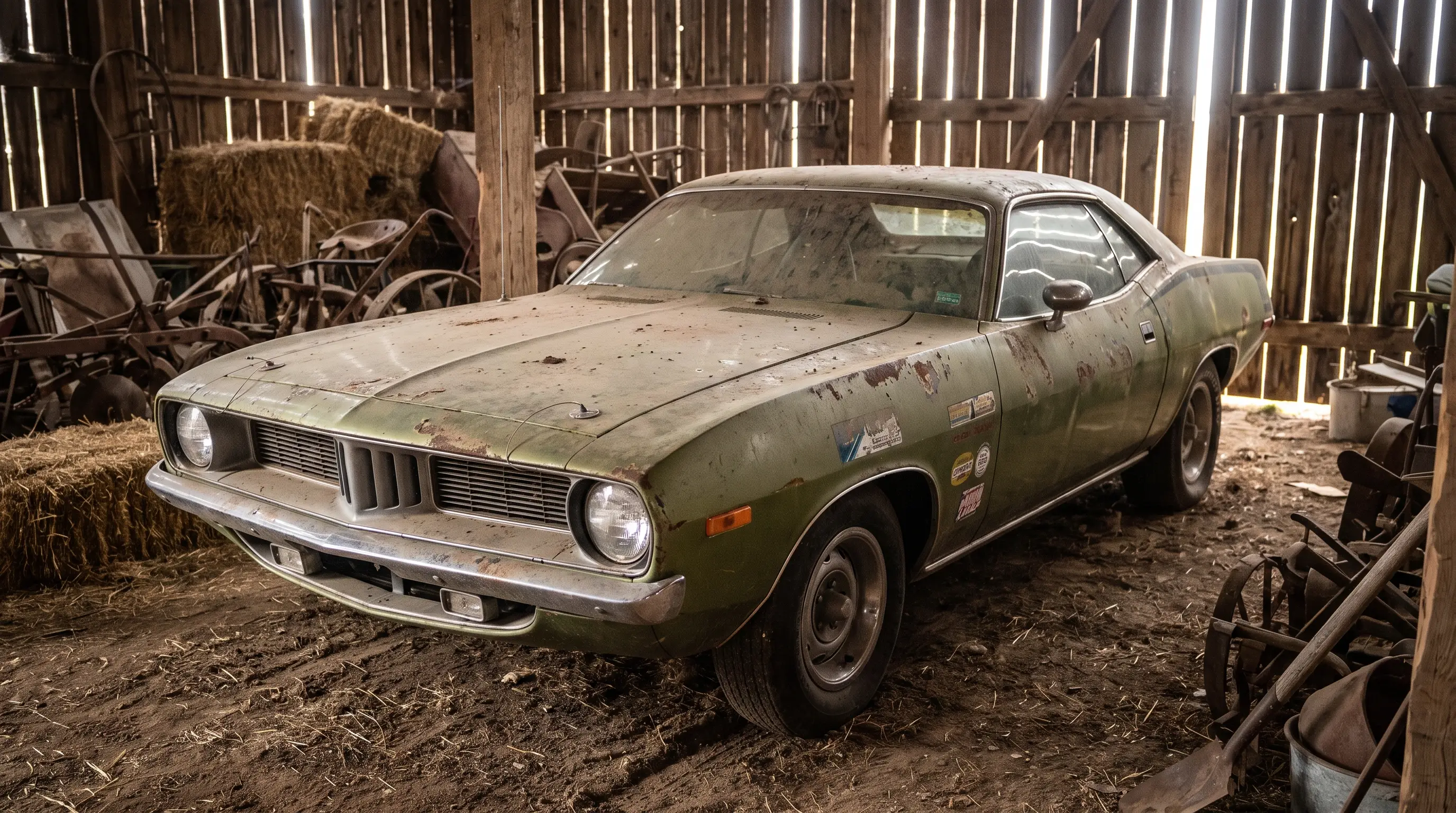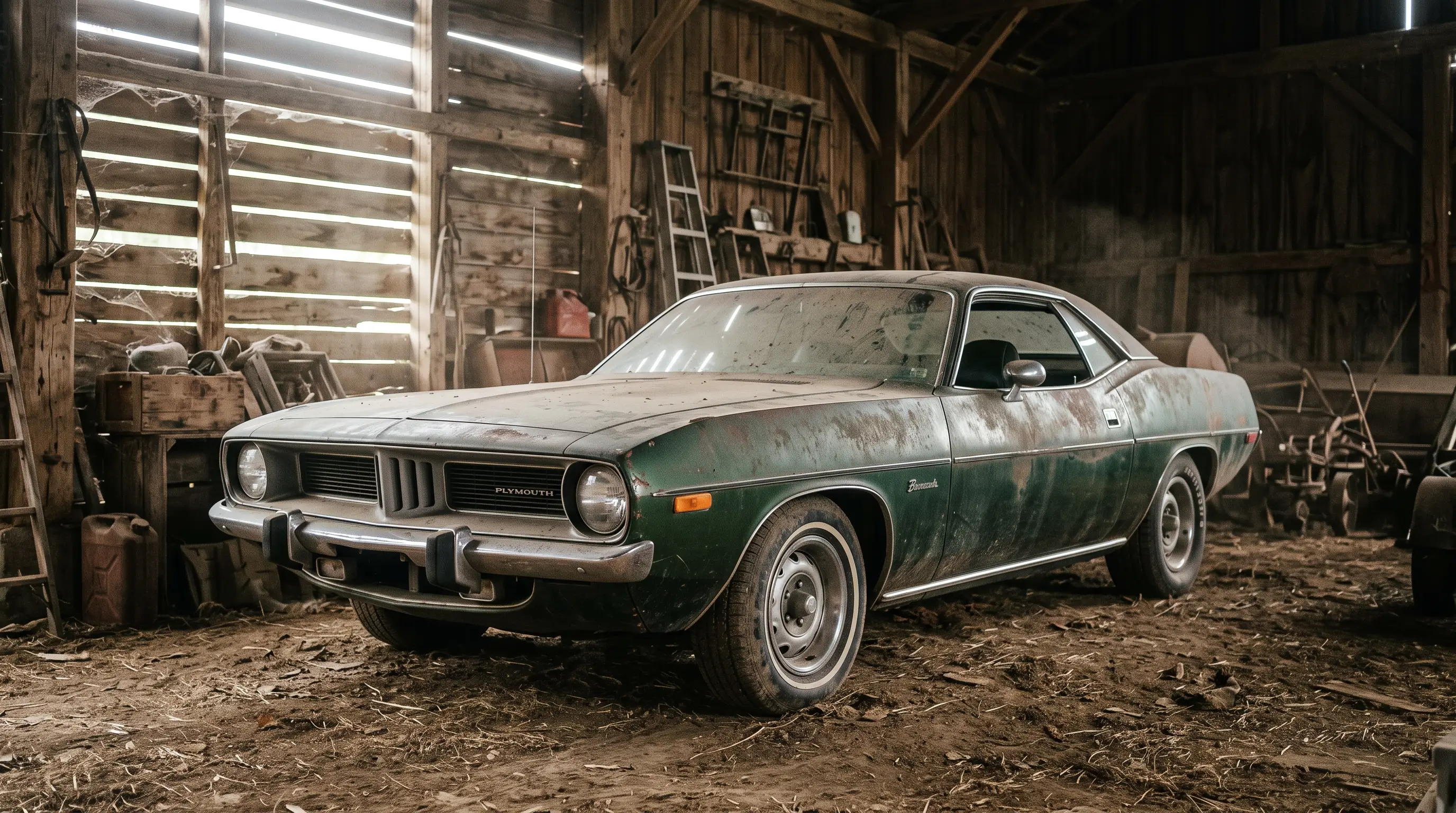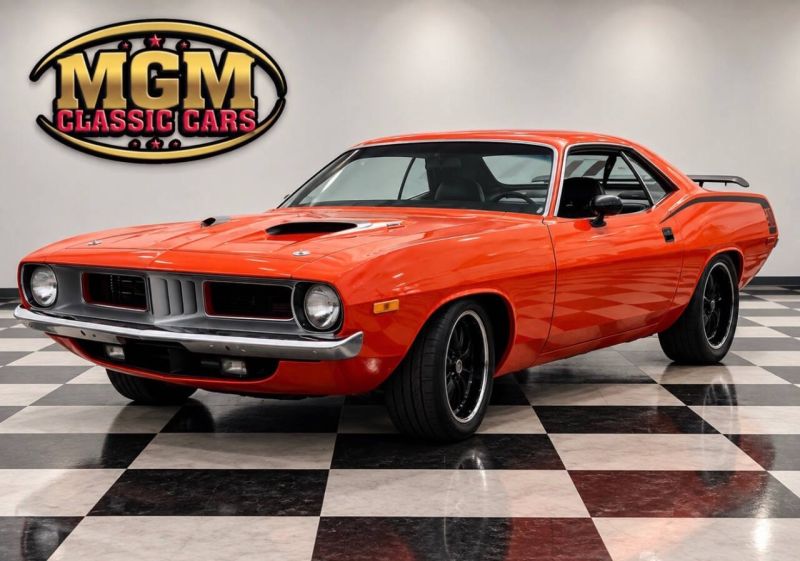
Ask any longtime club member about the end of muscle era barracuda production and you get a version of the same answer: the Barracuda did not die alone, it went down with an entire generation of American performance cars, and pretending otherwise misses the point. I have sat through enough of these conversations at swap meets to know the Barracuda's ending only makes sense once you see it as part of a much wider industry collapse.
A segment that peaked and cracked within a few short years
I was too young to buy one of these new, but I have heard enough firsthand accounts from members who did to know the shift felt sudden even to people living through it. A salesman who spent 1969 pushing 440 six-barrel cars found himself, just a few years later, pushing fuel economy and a smoother ride instead. That whiplash inside dealerships is easy to lose sight of when you only look at the production charts decades later.
By 1970, nearly every American manufacturer was fielding some version of a two-door performance car with a big-inch V8 and aggressive styling. Ford had the Mustang and Torino, General Motors had the Camaro, Firebird, and Chevelle SS, and Chrysler had the Barracuda, Challenger, and Road Runner. That whole category peaked almost simultaneously around 1969 and 1970, and then unraveled together over the following four or five years under the same set of pressures.
Insurance surcharges on high-performance cars started climbing steeply in the early 1970s, a trend that hit every manufacturer's flagship performance models at once. Emissions regulations tightened in stages through the decade, forcing lower compression ratios and detuned engines across the board. Federal bumper standards arriving in 1973 added weight and changed the styling of nearly every American car on the road, performance models included.
"Nobody sat down in 1973 and decided muscle cars were finished. It happened the way a tide goes out, gradually enough that most people did not notice until the beach was already empty."
- Wayne Coburn
Where the Barracuda sat in that broader collapse
The Barracuda's specific timeline tracked the industry closely. Its biggest engines, the 440 and Hemi, disappeared from the order sheet after 1971, well before the car itself ended production. The convertible body style ended the same year. By the time the fuel crisis hit in late 1973, the Barracuda had already spent two full model years as a smaller-engined, more emissions-conscious version of its earlier self, just like nearly every other performance nameplate on the market.
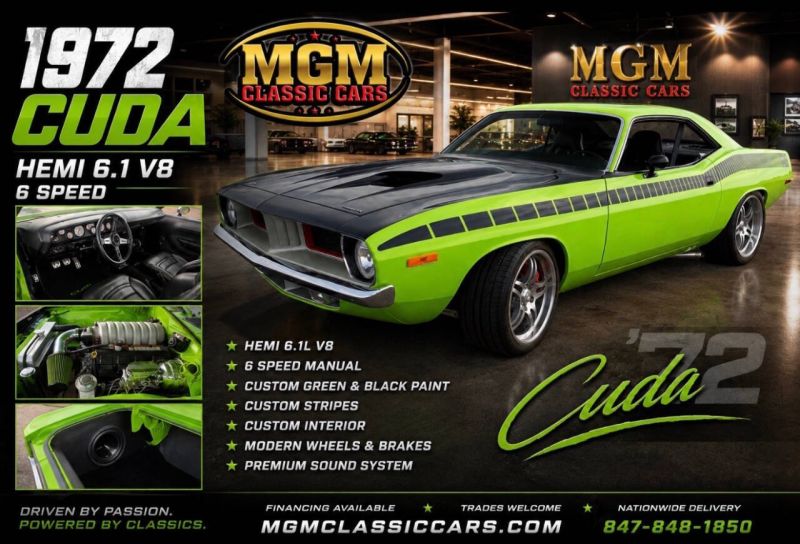
Get the whole picture on how these final Barracuda years unfolded and it becomes clear the car was not an outlier fading faster than its competition. It was, if anything, a fairly typical example of how the entire segment wound down at roughly the same pace across multiple manufacturers. The 1972 Barracuda is a good place to start, since it was the first model year built entirely without the 440 or Hemi option on the sheet.
Which competitors survived, and why
Not every pony car nameplate disappeared. The Ford Mustang and Chevrolet Camaro both continued past the mid-1970s, though in significantly downsized, less powerful forms that traded performance for fuel efficiency and lower insurance costs. Their survival had less to do with superior engineering than with corporate priorities. Ford and General Motors judged the Mustang and Camaro nameplates worth carrying forward into a smaller, tamer next generation, while Chrysler judged the Barracuda and Challenger not worth that same investment given the company's tighter finances by the mid-1970s.
That distinction matters because it shows the Barracuda's ending was partly a business decision layered on top of the broader industry pressures, not purely a case of the car itself failing to keep up. A better-funded Chrysler in 1974 might well have chosen to downsize the E-body the way Ford and GM downsized their own pony cars rather than cancel it outright.
What club members get wrong about this timeline
I hear the same simplified version constantly. Someone claims the whole muscle car era ended in a single year, usually 1973 or 1974, as if a switch flipped. That is not what the data shows. The decline was staged across roughly five years, from the insurance rate hikes that started around 1970 through the final downsized pony cars that limped into the late 1970s. Treating it as a single-year event flattens a much more interesting, much messier story into a soundbite.
It also gets the causes backward for some. Some assume the fuel crisis alone ended the muscle car era, when in reality several manufacturers had already been detuning engines and dropping big-block options for two or three years before the 1973 embargo ever hit gas stations. The embargo accelerated a decline that was already well underway, rather than starting it from scratch.
What the ending actually tells us about the era
The muscle car era did not end because Americans stopped wanting fast cars. It ended because the regulatory, insurance, and fuel environment around those cars changed faster than manufacturers could adapt profitably. The Barracuda is one of the clearest examples of that collapse precisely because its ending lines up so closely with every major pressure hitting at once, insurance costs rising through the early 1970s, emissions rules tightening year over year, bumper standards arriving in 1973, and the fuel crisis landing right as the car's own production cycle was winding down anyway.
Understanding the Barracuda's ending this way changes how you look at the car itself. It stops being a story about one nameplate failing and becomes a window into how an entire category of American car came apart within a handful of years, taking several once-dominant names down with it.
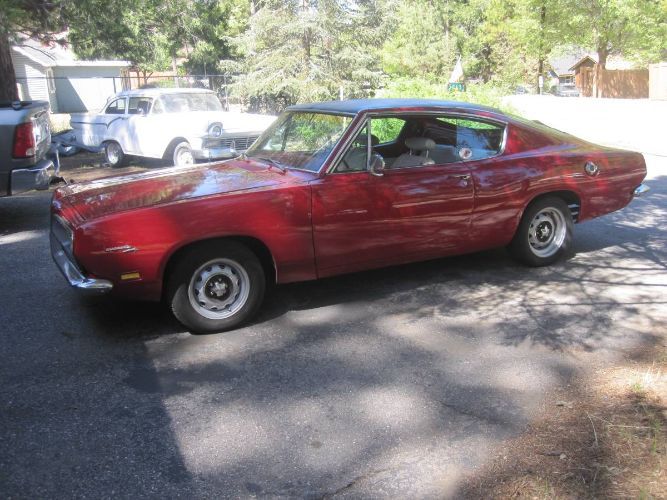
Anyone who wants to see what survived that collapse and made it to today should find a classic Barracuda and see what condition and documentation actually looks like on the cars that made it through.
The tide went out on the whole muscle car era over roughly five years, and the Barracuda simply happened to be one of the names it carried away with it. Understanding that broader current is what turns this from a sad footnote into an actual piece of automotive history worth knowing well.
Every time a new club member repeats the single-year version of this story to me, I tell them the same thing I am telling you now. Go look at the insurance tables, the emissions rules, and the bumper standards year by year, and the picture gets a lot more interesting than any one headline event could explain on its own.