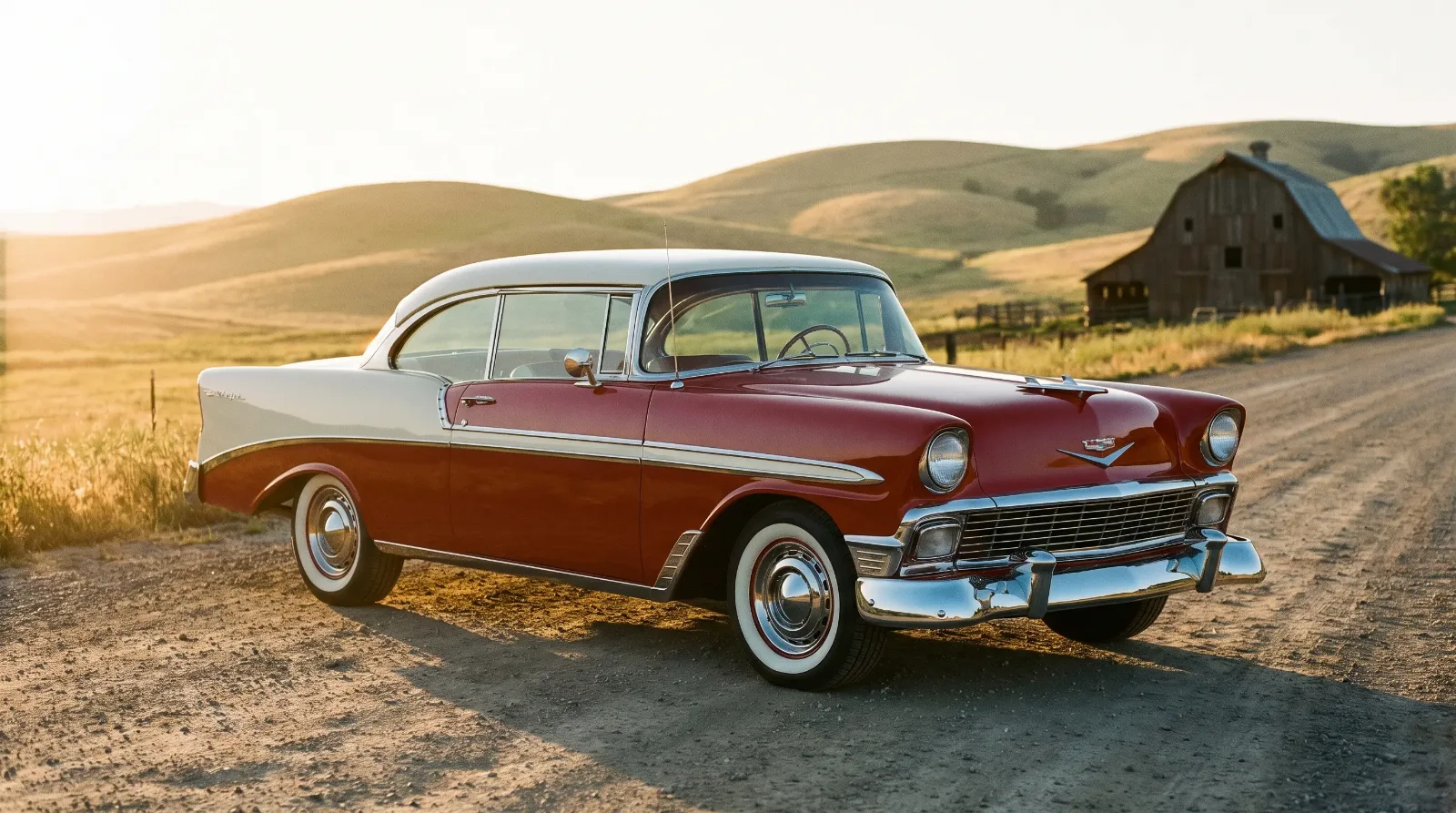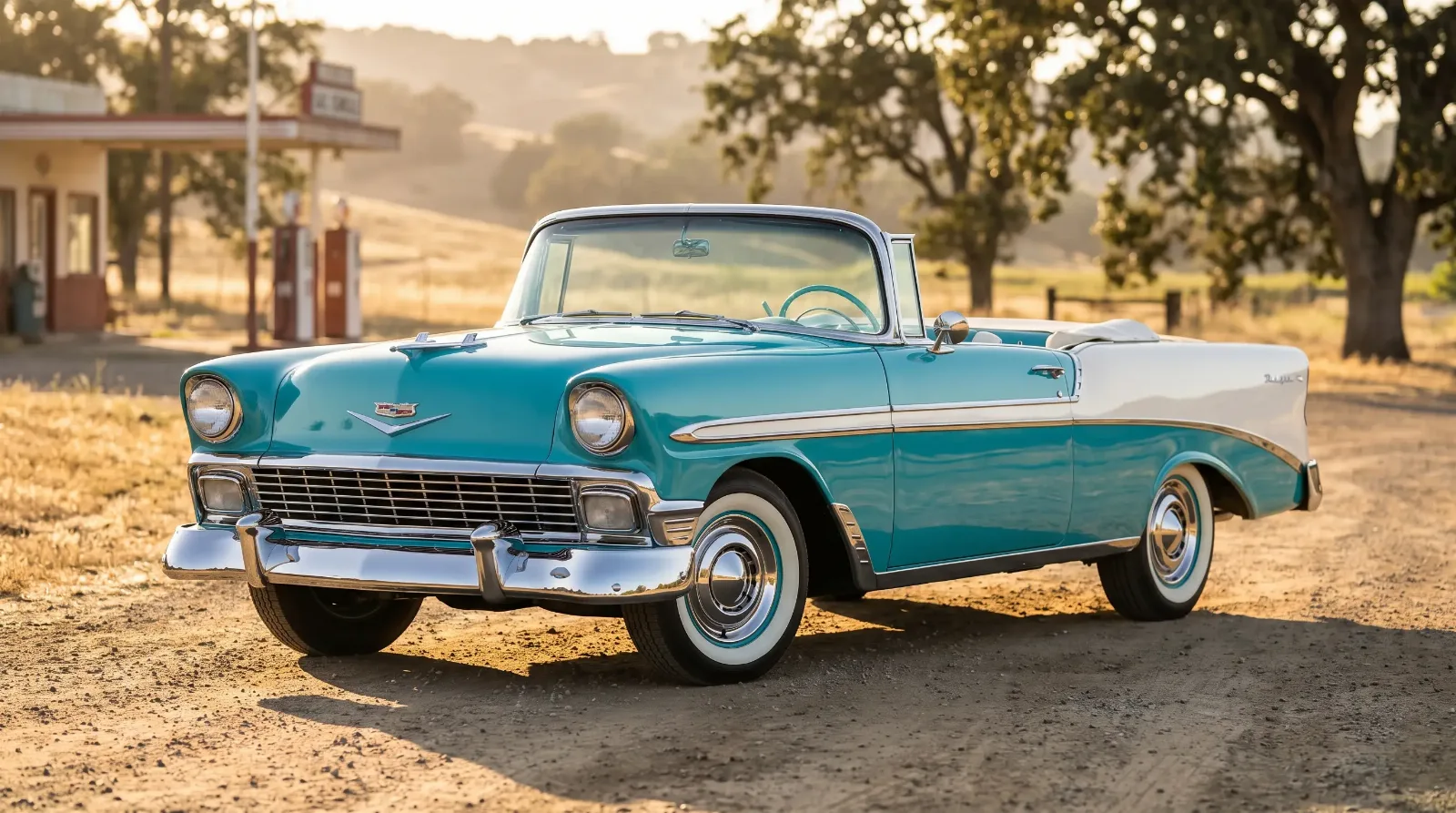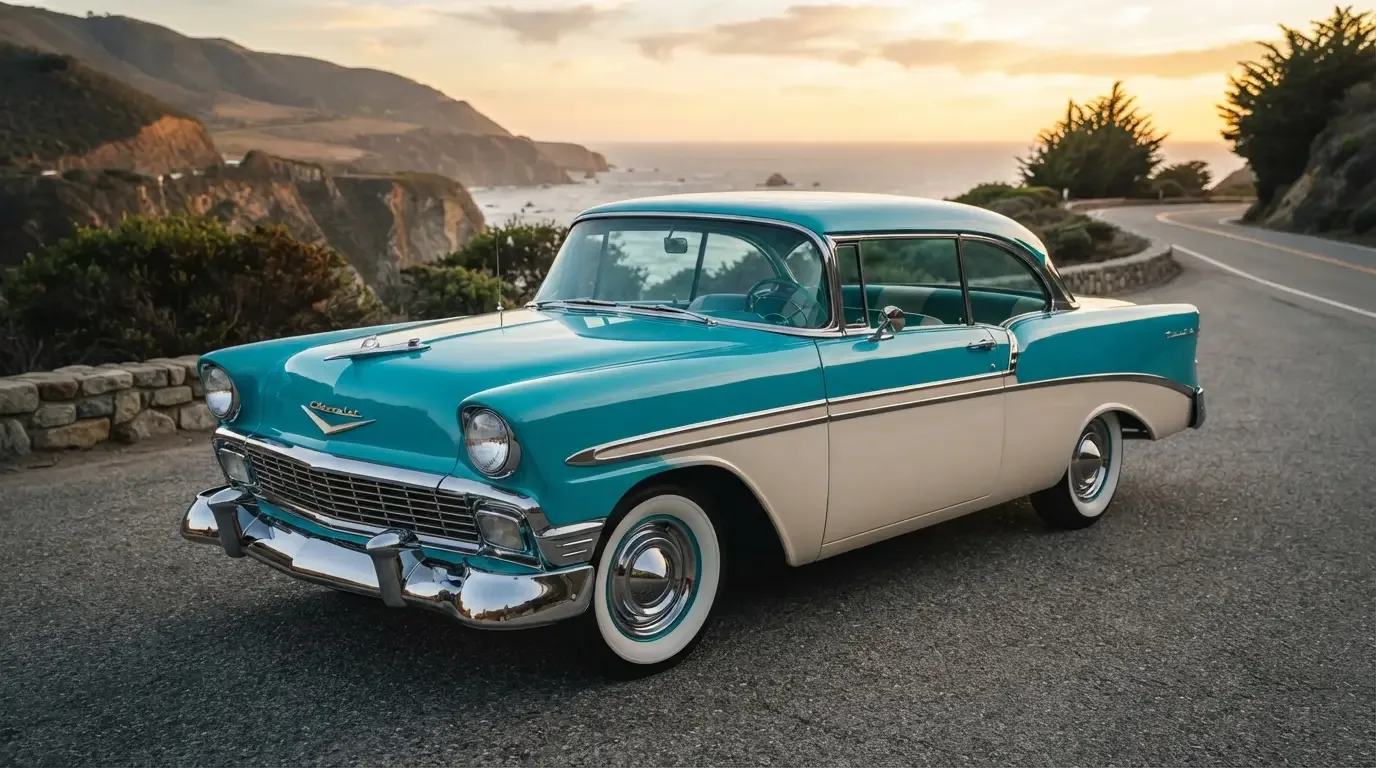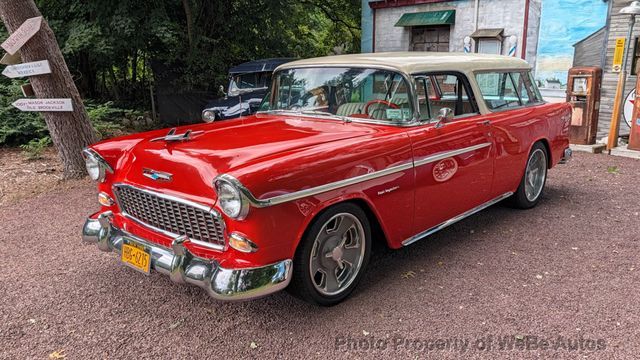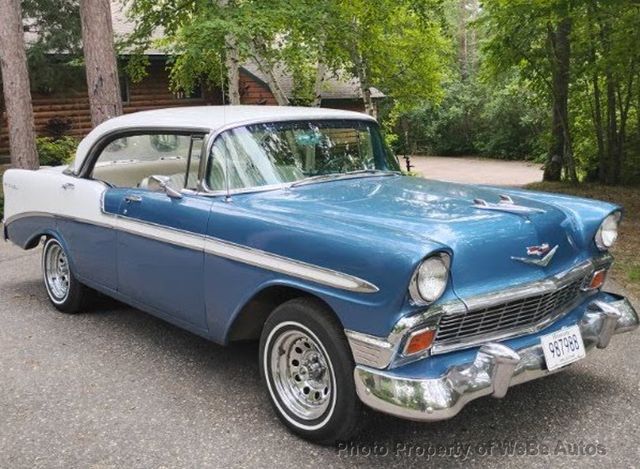
Chevrolet's 1955 campaign called the redesigned Bel Air "The Hot One," a claim that turned out to be justified by the sales figures that followed. For 1956, the copywriters faced the harder task of following a genuinely successful line without simply repeating it, and the phrase they landed on tells its own story about the confidence Chevrolet had built in a single year. This 1956 chevrolet advertising push declared the car "The Hot One's Even Hotter," a tagline that only works if the audience already agrees with the premise it is building on.
Building a campaign on an existing reputation
Advertising a sequel is genuinely difficult. Say too little and the campaign feels like it is coasting on last year's success. Say too much and the claims start to sound hollow against a car that, by any honest measure, was a refresh rather than a full redesign. Chevrolet's advertising team threaded that needle by leaning directly into the comparison rather than avoiding it. Instead of pretending 1956 was an entirely new story, the campaign explicitly measured itself against 1955's own success, betting that buyers who remembered "The Hot One" would want to know what came next.
That strategy required real confidence in the underlying product, because a tagline promising something hotter than an already successful car sets a specific, checkable expectation. Chevrolet backed the claim with genuine substance: higher horsepower ratings across the 265 V8 lineup, a full-width grille that gave the car more visual presence, and a new four-door hardtop body style that expanded what the Bel Air offered. The advertising was not empty escalation. It pointed at real, documentable changes buyers could verify on a showroom floor.
The engine numbers the campaign leaned on
Period advertising for 1956 made specific reference to the increased horsepower available across the 265 V8 range, figures that climbed from the 1955 numbers as Chevrolet refined compression and tuning across the Power Pack and top-tier dual four-barrel configurations. Advertising copy from the period is not a reliable source for precise output figures on its own, since marketing departments have always rounded in their favor, but the broader claim that 1956 offered more power than 1955 is consistent with the documented engineering changes covered elsewhere in our coverage of the model year. Readers wanting the complete year-by-year account, engines and styling together, can find the full story in our dedicated 1956 feature.
What makes the campaign notable from a historical standpoint is how directly it tied performance marketing to a low-price family car. Performance advertising in the mid-1950s was more commonly associated with premium marques, and Chevrolet's willingness to build an entire campaign around horsepower bragging rights for an affordable car reflected a genuine shift in how the division saw itself competing, not just on price and practicality but on excitement.
How the campaign fit the broader competitive landscape
Chevrolet was not advertising in a vacuum. Ford and Plymouth were fighting for the same low-price buyers with their own styling and performance claims, and the horsepower race that defined much of the late 1950s in Detroit was already underway by 1956. Positioning the Bel Air as a car that had gotten measurably hotter in a single year was a direct competitive statement aimed at buyers cross-shopping the low-price field, not just an internal celebration of Chevrolet's own progress.
The campaign's success is difficult to isolate from the underlying product's own strength, since good advertising for a mediocre car rarely produces lasting sales results, and the 1956 Bel Air sold in genuinely strong numbers across its body styles. What the advertising did accomplish was framing those real improvements in a way that stuck in cultural memory long after the model year ended, contributing to the broader reputation the Tri-Five years still carry today.
| Campaign element | 1955 | 1956 |
|---|---|---|
| Tagline | "The Hot One" | "The Hot One's Even Hotter" |
| Core claim | New design, new small-block V8 | Higher output, refreshed styling |
| Competitive target | Ford, Plymouth low-price buyers | Same, intensified rivalry |
"A sequel tagline is a bet. Chevrolet bet that buyers remembered 1955 fondly enough to care about a comparison, and the sales figures suggest that bet paid off. It is a small piece of period marketing, but it tells you how confident the division had become in just one model year."
- Sarah Whitfield
The visual language that carried the message
Tagline aside, the print advertisements and dealer materials for 1956 also shifted their visual approach from the previous year. Where 1955 advertising often emphasized the newness of the redesign itself, showing the car from angles meant to highlight its clean, modern lines against the older models it replaced, 1956 materials leaned harder into motion and performance imagery, illustrations and photography that implied speed even in a static print advertisement. That shift in visual language mirrored the tagline's own escalation, moving the pitch from novelty to excitement.
Color reproduction in period brochures also improved noticeably between the two years, letting Chevrolet show off the expanded two-tone and three-tone palette that the reworked side trim was designed to support. A buyer paging through a 1956 brochure was getting a more vivid, more performance-oriented sales pitch than the 1955 materials offered, consistent with a division that had learned exactly what had worked the year before and was determined to lean into it rather than second-guess a winning formula.
Why this campaign still matters to collectors
For anyone documenting the cultural history around a specific 1956 Bel Air, period advertising material, brochures, and dealer literature carrying the "Even Hotter" tagline are collectible in their own right and help establish the context a car was originally sold within. This material also gives modern buyers a useful lens for separating genuine period claims from later embellishment, since knowing exactly what Chevrolet actually advertised in 1956 makes it easier to spot a seller's description that overstates what the factory itself claimed at the time.
The campaign is a small but telling piece of the larger 1956 story, one more data point showing a division that had gone from selling dependable transportation to selling excitement in the span of about eighteen months. Readers ready to see how that excitement holds up on real cars can browse classic Air listings and judge for themselves whether the 1956 model lived up to what its own advertising promised.
Seventy years on, the tagline reads almost quaint next to the tone of modern car advertising, but it accomplished exactly what a good sequel campaign is supposed to do. It respected what came before, it made a specific and checkable claim, and it trusted the product to back it up rather than relying on abstraction. That combination of confidence and restraint is rarer in advertising than it should be, then or now, and it is part of why period Chevrolet material from these two years remains genuinely worth studying rather than dismissing as disposable sales copy.