


 United States
1956 Chevrolet Bel Air
 United States
1956 Chevrolet Bel Air
 United States
1956 Chevrolet Bel Air
 United States
1956 Chevrolet Bel Air
 United States
1956 Chevrolet Bel Air
 United States
1956 Chevrolet Bel Air
 United States
1956 Chevrolet Bel Air
 United States
1956 Chevrolet Bel Air
 United States
1956 Chevrolet Bel Air
 United States
1956 Chevrolet Bel Air
 United States
1956 Chevrolet Bel Air
 United States
1956 Chevrolet Bel Air
 United States
1956 Chevrolet Bel Air
 United States
1956 Chevrolet Bel Air
 United States
1956 Chevrolet Bel Air
 United States
1956 Chevrolet Bel Air
Body styles and how many were built
Seven Bel Air body styles were offered for 1956, one more than in 1955.
- Four-door sedan: 269,798 built. The most common and the least expensive.
- Sport Coupe (two-door hardtop): 128,382 built.
- Two-door sedan: 104,849 built.
- Sport Sedan (four-door hardtop): 103,602 built. New for 1956.
- Convertible: 41,268 built. The most valuable of the regular body styles.
- Beauville (four-door wagon): about 13,300 built.
- Nomad (two-door sport wagon): 7,886 built.
Engines and what changed from 1955
The Blue Flame six was now rated at 140 hp. The 265 V8 made 162 hp with a manual transmission and 170 hp with Powerglide, the four-barrel Power Pack raised it to 205 hp, and a dual four-barrel version rated at 225 hp was added during the model year. The V8 also gained a full-flow oil filter, which the 1955 engine did not have.
Transmissions were a three-speed manual, with or without overdrive, and the two-speed Powerglide. The fuel filler sits behind the left taillight, which swings open; sellers of unrestored cars are sometimes asked where it is.
Is it a real Bel Air?
The VIN plate is on the driver-side front door hinge pillar. A 1956 Bel Air VIN starts with VC for a V8 car or C for a six; B marks a Two-Ten and A a One-Fifty. Bel Air trim fits the cheaper series, so check the VIN first. The cowl tag, under the hood on the passenger side of the cowl, gives the body style number plus the original paint and interior trim codes, which matters on a 1956 because the two-tone paint combinations are a big part of the car's appeal.
What to inspect before you buy
- Rust: rocker panels, floor pans and their braces, the trunk floor, lower rear quarters and the bottoms of the front fenders. Check the body mounts and the frame from underneath.
- Side trim: the long 1956 side moldings define the two-tone paint line. Missing, dented or misaligned pieces are costly to put right and often point to past body repair.
- Hardtop and convertible fit: uneven door gaps or glass that does not seal suggest a tired body structure or old rust repair.
- Paperwork: a title that matches the VIN plate, plus restoration photos and receipts.
The other Tri-Five years
The 1955, 1956 and 1957 Chevrolets share the same basic design and many mechanical parts, so many buyers shop all three years.
- 1955 Chevy Bel Air for sale: the first year, with the egg-crate grille and the new 265 V8.
- 1957 Chevy Bel Air for sale: the fins, the 283 V8 and fuel injection.
- Same body, less trim, lower price: 1956 Two-Ten listings. The Nomad wagon is listed on its own page: 1956 Nomad for sale.
- From the magazine: the underrated 1956 Bel Air, what changed from 1955 to 1956 and 1956 Bel Air colors.
In-Depth Answers
Editorial Q&A · 4 articlesHow much is a 1957 Chevy Bel Air worth?
A 1957 Chevrolet Bel Air in driver-quality condition sells for $30,000–$75,000 depending on body style, color, and engine. Show-quality rest...
What is a Tri-Five Chevy?
Tri-Five refers to the 1955, 1956, and 1957 full-size Chevrolets, across the 150, 210, and Bel Air trims. They introduced the legendary smal...
What is a "fuelie" Bel Air?
A fuelie Bel Air is a 1957 car fitted with the Rochester Ramjet continuous mechanical fuel injection on the 283 V8, rated at 283 hp, one hor...
Which Bel Air year is most collectible?
The 1957 Bel Air is the most collectible, especially the sport coupe (hardtop) and convertible, followed by the 1955 and 1956 cars. The 1955...
Recently Ended Chevrolet Bel Air Listings
See all 2,135 past listings →| Vehicle | Last Asking Price |
|---|---|
| 1956 Chevrolet Bel Air | $23,495 |
| 1955 Chevrolet Bel Air | $31,000 |
| 1957 Chevrolet Bel Air | $76,900 |
| 1955 Chevrolet Bel Air | $52,900 |
| 1957 Chevrolet Bel Air | $35,995 |
| 1957 Chevrolet Bel Air | $82,500 |
Head-to-Head Comparisons
Frequently Asked Questions about the 1956 Chevrolet Bel Air
Car alert
Get an email when a 1956 Chevrolet Bel Air is listed
At most one email a day. Stop anytime with one click.
Articles About the Chevrolet Bel Air
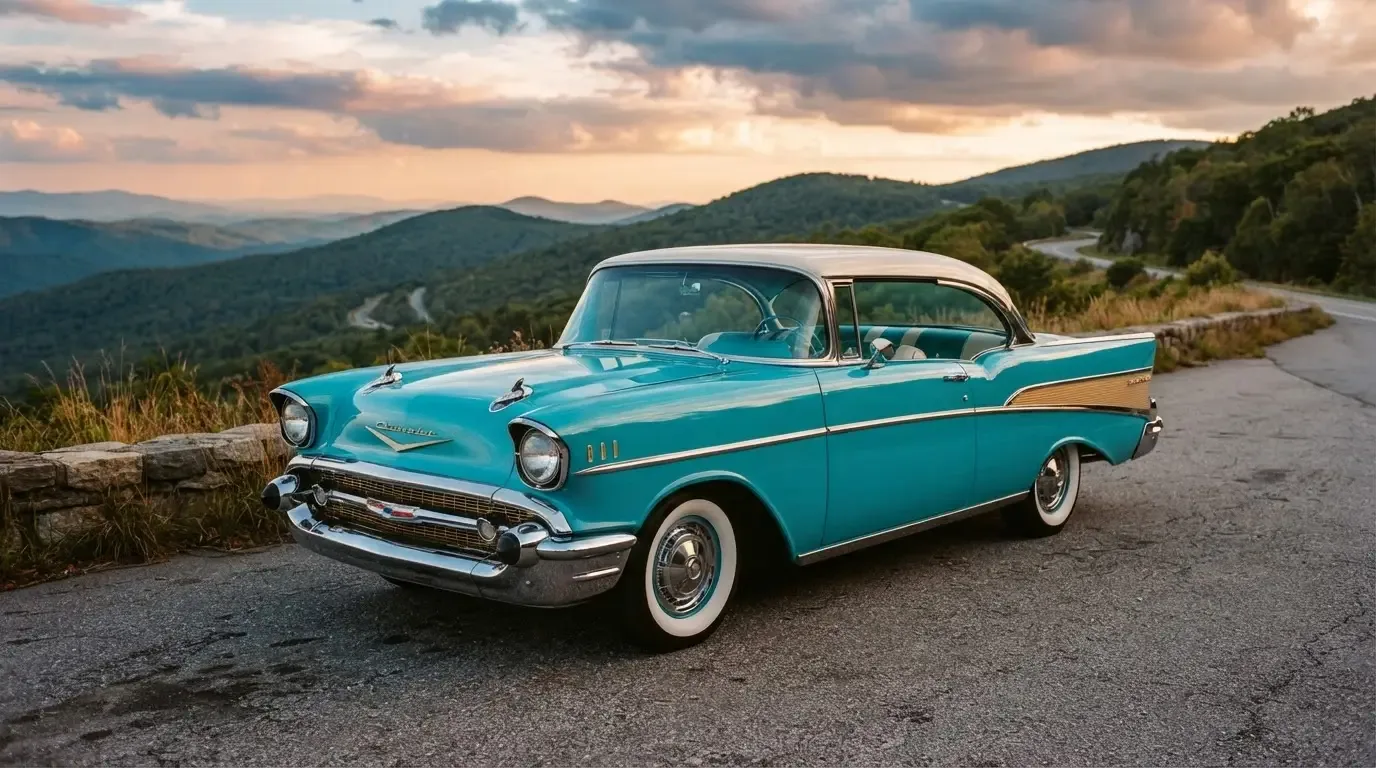
Why 1957 Beat 1955 and 1956 in Fame
Styling, engine bragging rights, and being the last of the Tri-Five body style all combined to make the 1957 Bel Air more famous than its 1955 and 1956 siblings, even though 1955 arguably made the bigger engineering leap.
Aug 11, 2026
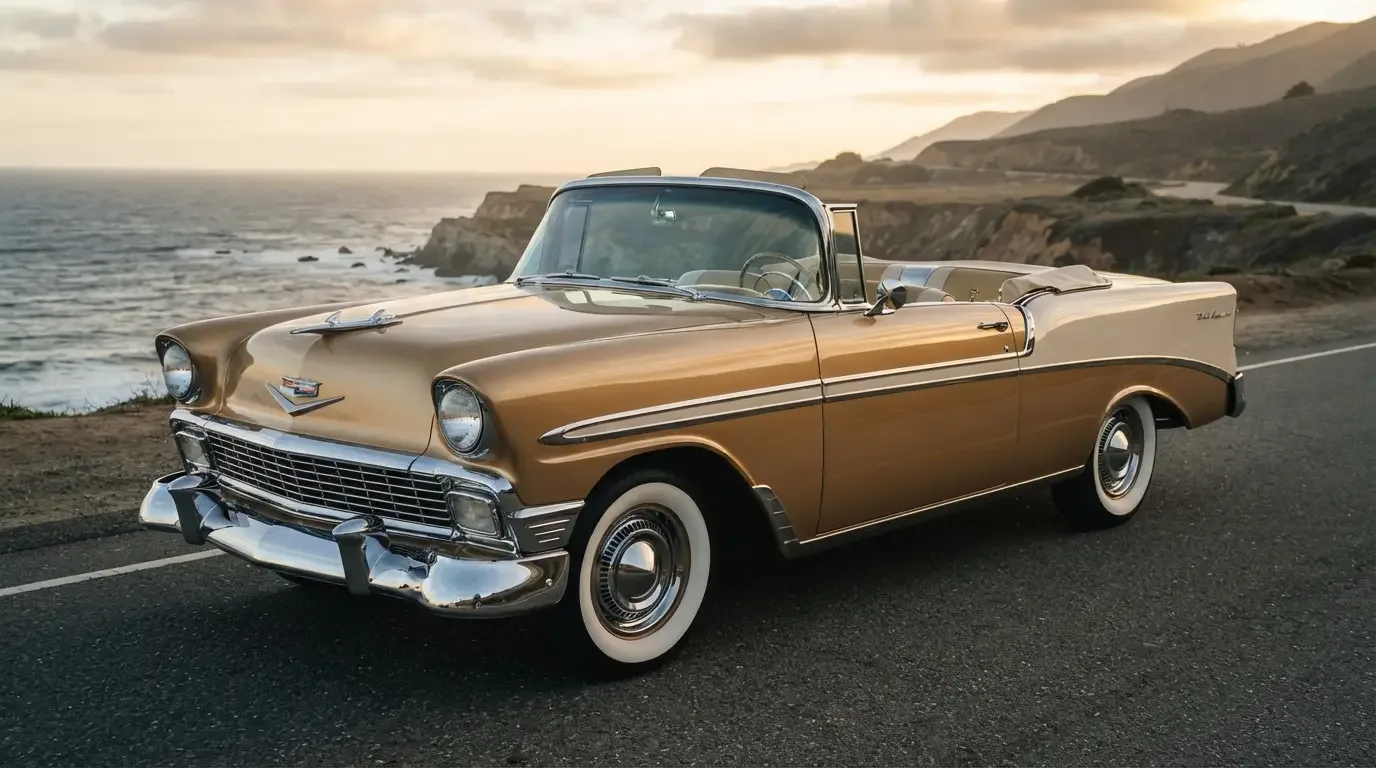
Collecting the 1956 Bel Air: A Value Breakdown
1956 Bel Air value tracks closely to body style scarcity, with Nomads and convertibles far outpacing sedans, and the mid-tier market still offers room a disciplined buyer can use.
Jul 29, 2026
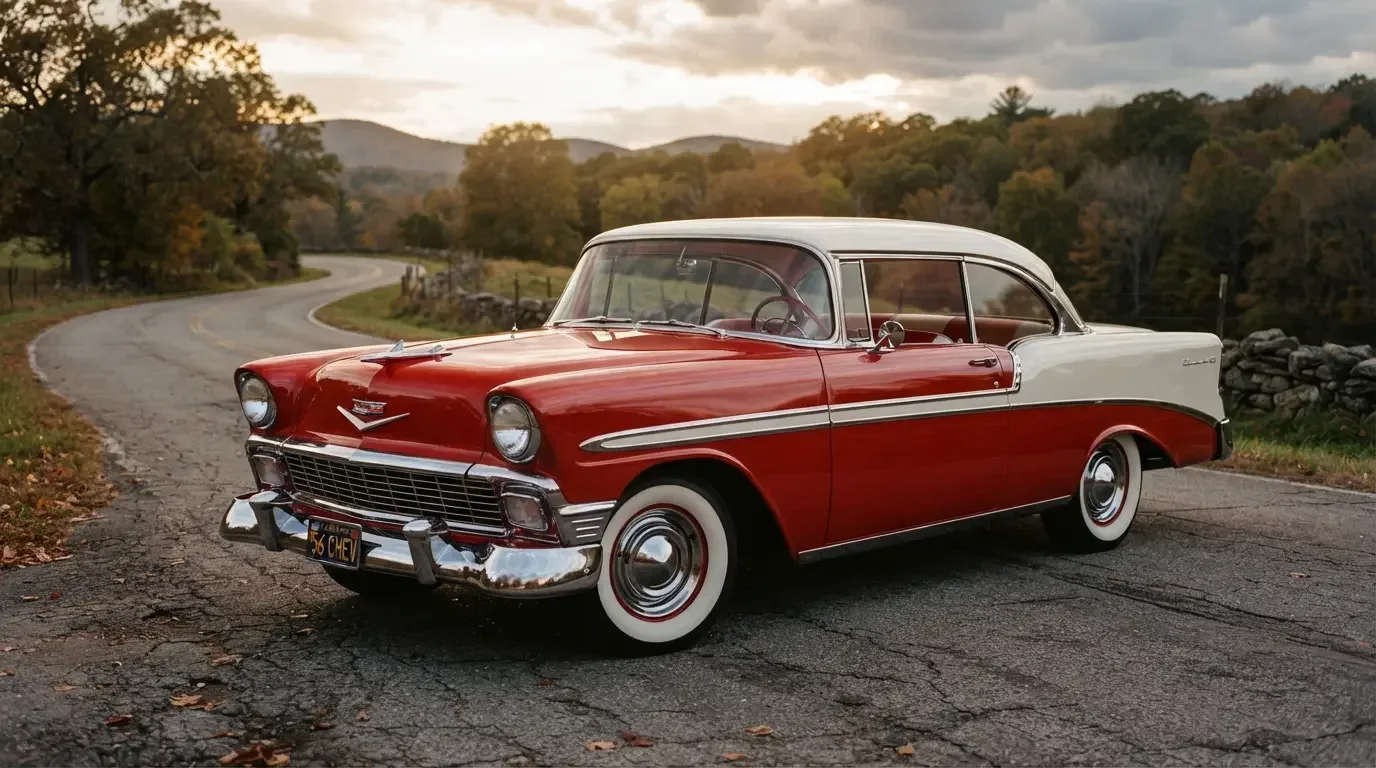
Why 1956 Is the Underrated Tri-Five
The 1956 Bel Air is caught between 1955's debut and 1957's fins, but the factory record shows a more sorted chassis and expanded V8 lineup that the collector market has undervalued for decades.
Jul 28, 2026
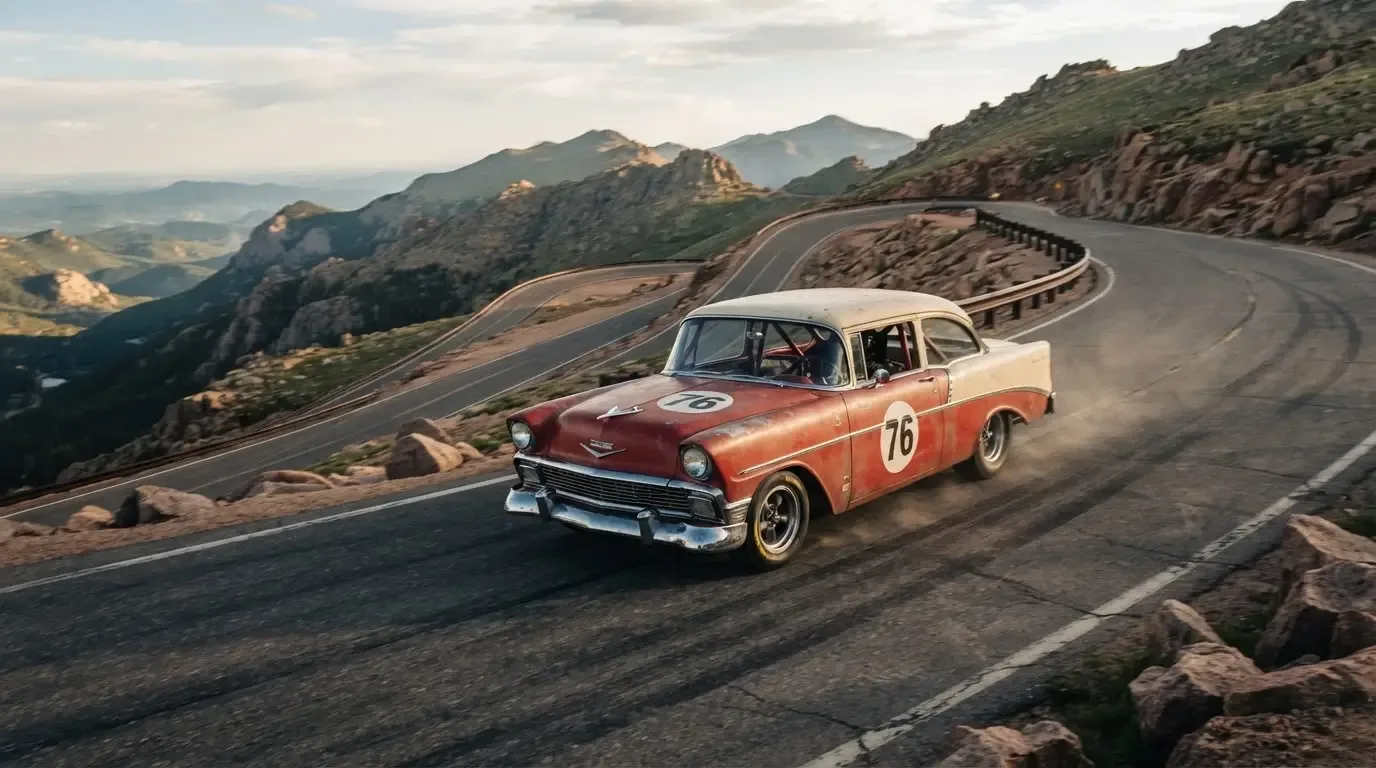
The 1956 Bel Air at Pikes Peak
Pikes Peak's unpaved switchbacks gave the 1956 Chevrolet a genuinely public proving ground, and any surviving competition history deserves the same scrutiny as any provenance claim.
Jul 27, 2026