
Collecting the 1957 Bel Air today is a different proposition than it was even fifteen years ago, and anyone approaching this market with an outdated mental model of pricing or availability is going to make decisions based on the wrong data. I track auction results and dealer inventory across this segment continuously, and the current picture of what makes a 1957 Bel Air collectible, rather than just an old car with good looks, has shifted in some specific and useful ways.
Car Features
7 min read
Collecting the 1957 Bel Air Today: A Practical Value Guide
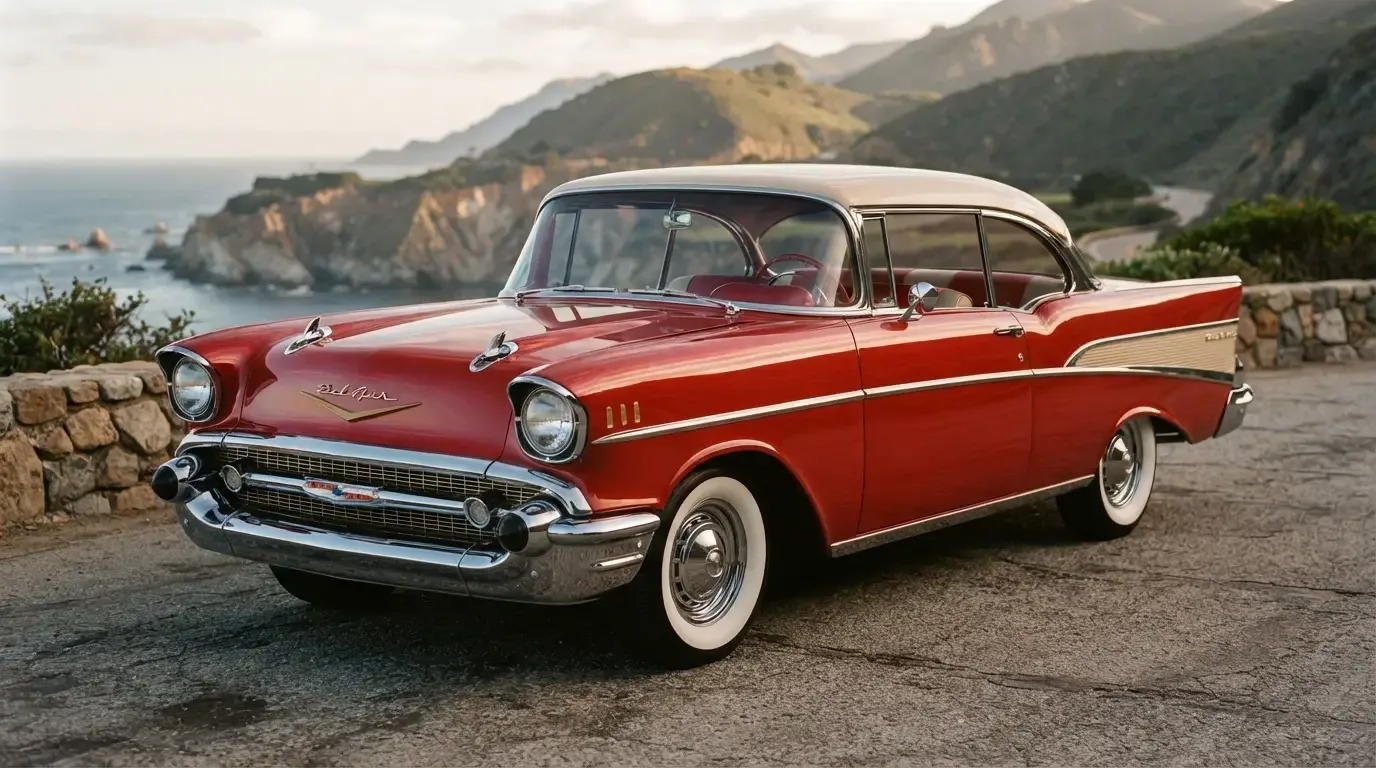
Collecting the 1957 Bel Air today rewards documentation over shine, and the real opportunity sits in body styles and trims the market has not fully caught up on.
What "collectible" actually means in this market now
A decade ago, cosmetic condition alone drove a lot of purchase decisions in this space. A shiny repaint with a decent interior could command strong money simply because it looked the part in photographs. That is less true today. Buyers, and by extension the auction results that set market benchmarks, increasingly weight documentation and originality alongside appearance, which means a correctly optioned, well-documented car in merely good cosmetic condition can outperform a flashier car with an uncertain history.
This shift matters most for anyone thinking about collecting rather than simply buying one car to enjoy. A single purchase driven purely by personal taste does not need to satisfy this stricter standard. A collection, or any purchase made with resale or long-term value in mind, benefits enormously from understanding where the market has moved. When the time comes to let a car go, that same understanding answers the question every owner eventually asks, which is what the car would actually bring today.
Where the real opportunity sits right now
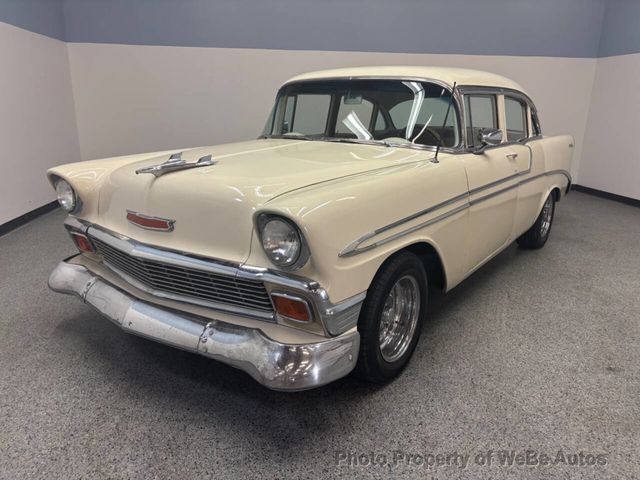
Sedans remain, in my assessment, the most underpriced entry point into genuine 1957 Bel Air ownership relative to the driving experience and styling they deliver. They carry the same basic engineering, the same design language, and in many cases the same available engine options as the pricier body styles, at a meaningful discount driven almost entirely by lower collector demand for the four-door format. Buyers willing to accept a sedan rather than chasing a hardtop or convertible get more car for the money, plain and simple.
The 150 and 210 trim levels represent a similar, less obvious opportunity. They are considerably scarcer today than their original production numbers might suggest, since fleet and budget use led to lower survival rates, yet they still trade well under Bel Air pricing simply because the market has not fully caught up to that scarcity. A collector building a broader picture of 1957 Chevrolet rather than chasing a single showpiece car should not overlook them, though buyers should check current listings and recent sales directly, since the exact price gap between the trims shifts from season to season.
Documentation as the collecting strategy itself
The single highest-leverage move a serious collector can make in this market is prioritizing documentation over marginal cosmetic upgrades. A trim tag that matches a car's paint and interior, a build sheet, a continuous ownership history, these things cost nothing to verify and everything to fake convincingly, and the market has gotten progressively better at rewarding buyers who insist on them. Spending an extra hour with a trim tag reference before bidding or buying does more for long-term value than spending an extra several thousand dollars on cosmetic work that a future buyer may not even value the same way you do.
This is not an argument against restoration. It is an argument for sequencing the decision correctly, confirming what a car actually is before deciding how much to invest in making it look better than it already presents.
"Collecting well in this market is not about buying the shiniest car at the show. It is about buying the car that can prove what it is, at a price that reflects the actual scarcity behind it, and being patient enough to wait for that combination."
- David Mercer
Mistakes I see repeated across new collectors
The most common mistake I see from buyers new to this specific market is falling for a beautifully presented car photographed under ideal lighting without asking basic documentation questions first. A gorgeous set of listing photos says nothing about whether the trim tag matches the car, whether the drivetrain is original, or whether the ownership history has any gaps worth investigating. Enthusiasm is a reasonable starting point for any hobby purchase, but it should never replace the basic diligence that separates a satisfied long-term owner from someone who overpaid for a car that later loses value once its real story comes out.
A second common mistake is chasing the rarest possible configuration on a first purchase, before the buyer has developed enough judgment to evaluate documentation and condition confidently. A first 1957 Bel Air is often better bought as a solid, well-documented sedan or 210, something that lets a new collector build genuine familiarity with the model before committing serious money to a convertible or a claimed Fuelie car where the stakes of a misjudgment are considerably higher.
Building a collecting plan that holds up
A sensible approach for anyone serious about collecting 1957 Bel Airs today starts with deciding what role the car plays, whether that is a driver enjoyed regularly, a showpiece built for judged events, or an asset held with resale in mind, since each goal changes which trade-offs are acceptable. From there, prioritizing documentation, understanding the real scarcity hierarchy across body styles and trim levels, and resisting the pull of a purely cosmetic purchase will produce better outcomes across nearly any collecting goal.
Readers looking to ground this strategy in the model's full history should start with read the background, which lays out the broader story this piece builds on. When research turns into an active search, it is worth taking that documentation-first mindset directly into the market and choosing to browse classic Air listings with a clear standard for what counts as a genuinely good buy rather than just an attractive one.
How to build knowledge before you buy
New collectors serious about getting this right should spend time with knowledgeable owners and regional clubs before making a purchase, not just browsing listings online. Club members who have owned and researched these cars for years can often spot a documentation gap or an inconsistent trim tag claim faster than a newcomer working alone, and that kind of informal peer review has saved more than one buyer from an expensive mistake. Attending a few judged shows as an observer, before ever attending one as an owner, is time well spent for exactly the same reason.
The long view on collecting this car
The 1957 Bel Air is not going to become more common. Every year that passes, the population of well-documented, unmolested examples gets smaller, while the population of interested buyers, drawn by both traditional collectors and a newer culture that values the era's design regardless of numbers-matching originality, keeps growing. Collectors who understand that dynamic today, and who buy with documentation and scarcity in mind rather than surface appeal alone, are positioned to enjoy these cars now and hold real value in them later.
Sources and notes
- Classic Industries: 1955-57 Chevy Bel Air, 210, and 150 Production Numbers
- Conceptcarz: Auction Results and Sales Data for 1957 Chevrolet Bel Air
- Wikipedia: Chevrolet Bel Air
- Classic Industries: 1955-57 Chevy VIN Decoder and Trim Tag Decoder
- Trust Auto: The Beginner's Guide To The 1957 Chevrolet Bel Air
Related Reading
#Chevrolet history
#documentation
#classic car value
#Chevrolet Bel Air
#1957 bel air
#collecting classic cars

About the author
David Mercer
Classic car market analyst with two decades of experience tracking collector car valuations, auction results, and investment trends.
Related Listings - Chevrolet Bel Air

Comments
Be the first to comment on this article.