
Auction results over the last several seasons put a wide spread on 1953 bel air value, and that spread is not random. Body style, drivetrain, and paperwork do most of the work in separating a $20,000 driver from a six-figure show car, and buyers who do not understand why get burned on both ends, either overpaying for a common sedan or walking away from a genuinely rare convertible because the number on the windshield looked too high at first glance.
Car Features
7 min read
Collecting the Early Bel Air
1953 bel air value splits hard by body style and paperwork, not engine choice, and knowing that gap is the difference between a smart buy and an overpay.
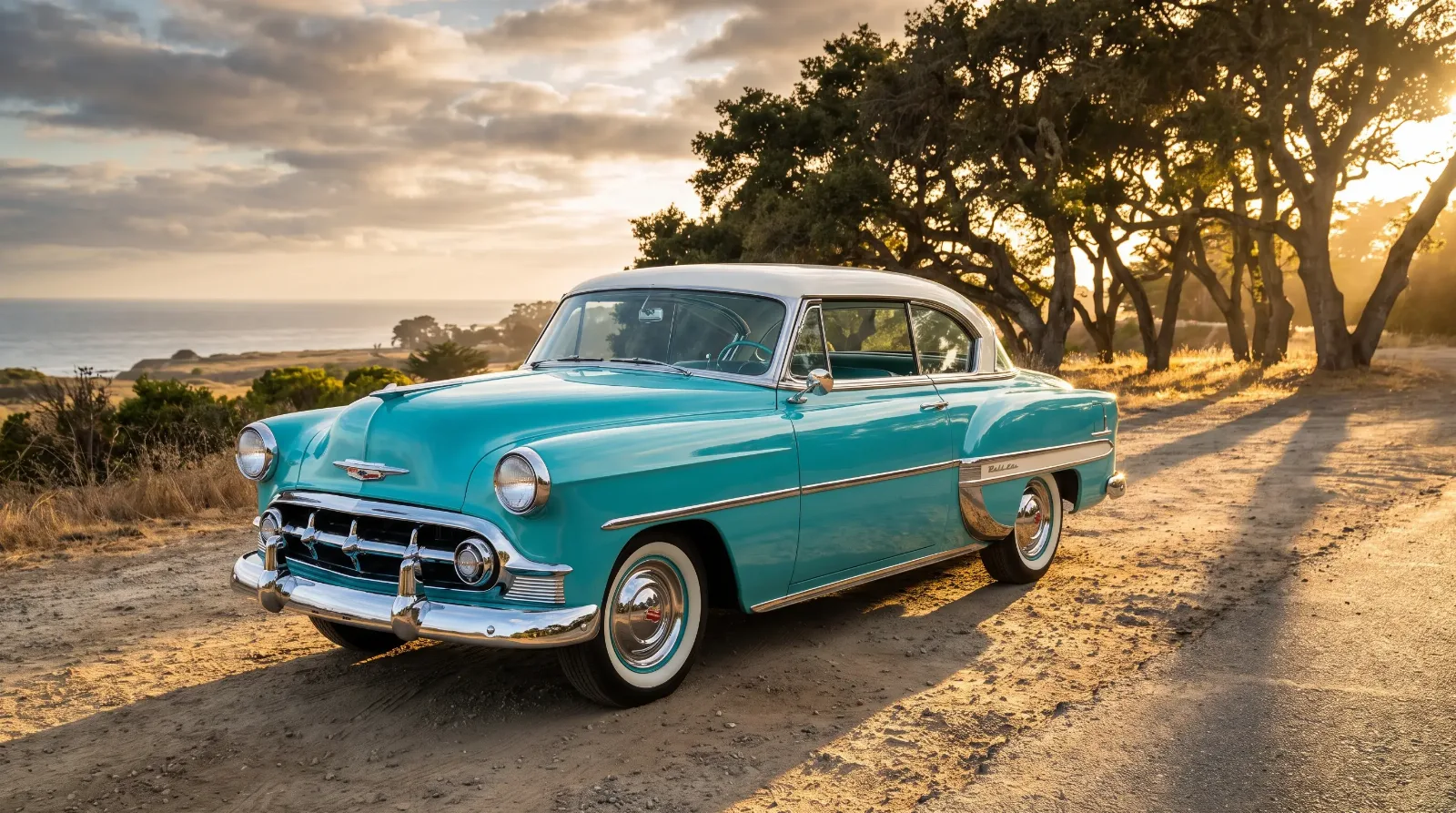
Body style is the first filter, not the last
A 1953 Bel Air four-door sedan and a 1953 Bel Air convertible are not the same car in any way that matters to value, even though they share a chassis, engine options, and most of the trim. The sedan was the volume seller, built in far greater numbers, and it trades today as a solid but unspectacular collector car, the kind of thing that holds value without generating auction headlines. The convertible is a different animal entirely. Lower production numbers, higher original cost, and stronger ongoing demand from collectors who want open-air 1950s Chevrolet styling combine to push convertible values well above the sedan and even above the hardtop coupe in most comparable-condition sales.
I look at body style before I look at anything else when someone asks me to evaluate a 1953 Bel Air, because it sets the ceiling and the floor before condition or options even enter the conversation.
| Body style | Typical condition #3 range | Typical condition #1 range |
|---|---|---|
| 4-door sedan | $12,000 to $18,000 | $24,000 to $33,000 |
| 2-door hardtop coupe | $18,000 to $25,000 | $30,000 to $45,000 |
| Convertible | $28,000 to $38,000 | $45,000 to $75,000, with exceptional documented cars going higher |
| Station wagon (Townsman/Handyman) | $16,000 to $22,000 | $32,000 to $42,000 |
Ranges above are approximate, drawn from tracked auction results (recorded sales spanning roughly $1,750 to $143,000 across all conditions and body styles, with convertibles carrying the highest median at auction). Treat any specific number as a starting point for negotiation, not a guarantee, since condition, originality, and documentation move these figures more than the table alone can show.
Documentation moves more money than most owners expect
A 1953 Bel Air with a build sheet, a matching data plate, and a clean, traceable ownership history routinely brings a meaningful premium over an identical-looking car with none of that paperwork. I have watched two nearly identical hardtop coupes cross the block at the same event with a gap between them that had nothing to do with the paint job and everything to do with one car carrying original documentation and the other carrying only the seller's word. Buyers paying serious money for a 1953 Bel Air are paying for certainty as much as they are paying for the car itself, and certainty has a price.
This is where I tell clients to spend their diligence budget before they spend their purchase budget. A few hundred dollars on title research and paint code verification can save tens of thousands on a purchase decision, either by confirming a car is exactly what it claims to be or by exposing gaps that should adjust the offer downward.
"I do not care how good a 1953 Bel Air looks in photos. I care what the paperwork says and what the recent comparable sales say. Everything else is negotiable, those two things are not."
- David Mercer
What actually depresses value on an otherwise solid example
Non-original color remains the single most common value drag I see on 1953 Bel Airs coming through auction previews. A repaint in a shade that does not match the data plate, done without documentation explaining why, signals to serious buyers that other things about the car may have been altered without a paper trail either. It does not automatically disqualify a car, but it invites a discount, sometimes a substantial one, especially on higher-condition examples where buyers are paying for precision rather than just a running, driving car.
Aftermarket wheels, non-period stereo installations, and modern mechanical upgrades hit value even harder on a 1953 Bel Air than they would on a later muscle-era Chevrolet, because the collector base chasing this specific model year skews toward originality purists rather than resto-mod buyers. Someone shopping a 1970 model with a built engine expects modifications. Someone shopping a 1953 sedan or convertible generally does not want them, and a seller who has added them should expect to price accordingly rather than assume the upgrades add value.
Engine and options matter less than people assume for this specific year
Unlike the 1955 and later Bel Airs, where the V8 option drives a significant value split, the 1953 model was six-cylinder only across the board, which levels the playing field somewhat between examples. That means the usual "which engine does it have" question that dominates later Bel Air value discussions barely applies here. Instead, value in a 1953 car concentrates around body style, originality, and cosmetic condition rather than mechanical specification, since every buyer is choosing between variations of the same Blue Flame six under the hood.
Powerglide automatic transmission versus manual can move value modestly, with manual-equipped cars sometimes commanding a small premium among enthusiasts who value the more engaging driving experience, though this effect is far smaller than the body style gap described above.
Regional demand skews the numbers more than people expect
Where a 1953 Bel Air sells matters almost as much as what it is. Sun Belt markets with strong Chevrolet enthusiast communities, particularly the Southwest and parts of the Southeast, tend to run hotter for early Bel Airs than Rust Belt or Northeast markets, partly because rust-free examples are more common in those regions and partly because the concentration of dedicated Chevrolet clubs there sustains higher demand year over year. A car that struggles to find a buyer at a regional auction in one part of the country can bring meaningfully more at a marquee event in Arizona or Texas, and sellers who ignore that geography leave money on the table.
I tell sellers to think about venue as seriously as they think about detailing before consignment. The same car, same condition, same paperwork, can produce a noticeably different hammer price depending on who is in the room, and the room is not the same everywhere.
My actual buy or no-buy read on the 1953 Bel Air right now
If you are buying to drive and enjoy, the sedan and station wagon represent genuine value in the current market, entry points into a real piece of Chevrolet history without paying convertible money. If you are buying for appreciation potential and can afford to be patient, a documented, matching-numbers convertible is the stronger long-term hold, because that combination of rarity and paperwork tends to compound rather than plateau. What I would avoid is a hardtop coupe with unclear history and cosmetic issues priced close to the top of its range, since that specific combination gives you the worst of both worlds, meaningful cost with none of the certainty premium that makes the higher numbers defensible.
Read our complete history on how the Bel Air line took shape if you want context on why the 1953 model sits where it does in the broader collector hierarchy, then go compare actual asking prices. You can browse classic Air listings right now and run them against the ranges above before you make an offer on anything.
Sources and notes
Related Reading
Have a
Chevrolet Bel Air
for Sale?
Reach thousands of serious classic car collectors across the US.
Sell It Here →
Are You a Classic Car Dealer?
List your full inventory and connect with targeted classic car buyers.
Join as a Dealer →
#Auction Results
#collector cars
#market analysis
#classic car values
#Chevrolet Bel Air
#1953 bel air

About the author
David Mercer
Classic car market analyst with two decades of experience tracking collector car valuations, auction results, and investment trends.
Related Listings - Chevrolet Bel Air




Comments
Be the first to comment on this article.