
A Chevrolet dealer in Ohio once told his salesmen to park the Bel Air Sport Coupe under the showroom lights and leave the base 150 sedans out in the lot, half in shadow. It was a cheap trick and it worked, because the whole point of the Bel Air chevrolet flagship strategy was to make people believe they were looking at a different class of car even though the engine under the hood was often the same tired six-cylinder as the stripped-down model parked outside.
Car Features
6 min read
How the Bel Air Became Chevrolet's Flagship
The Bel Air chevrolet flagship strategy sold atmosphere before it sold horsepower, then earned the title for real when the V8 arrived in 1955.
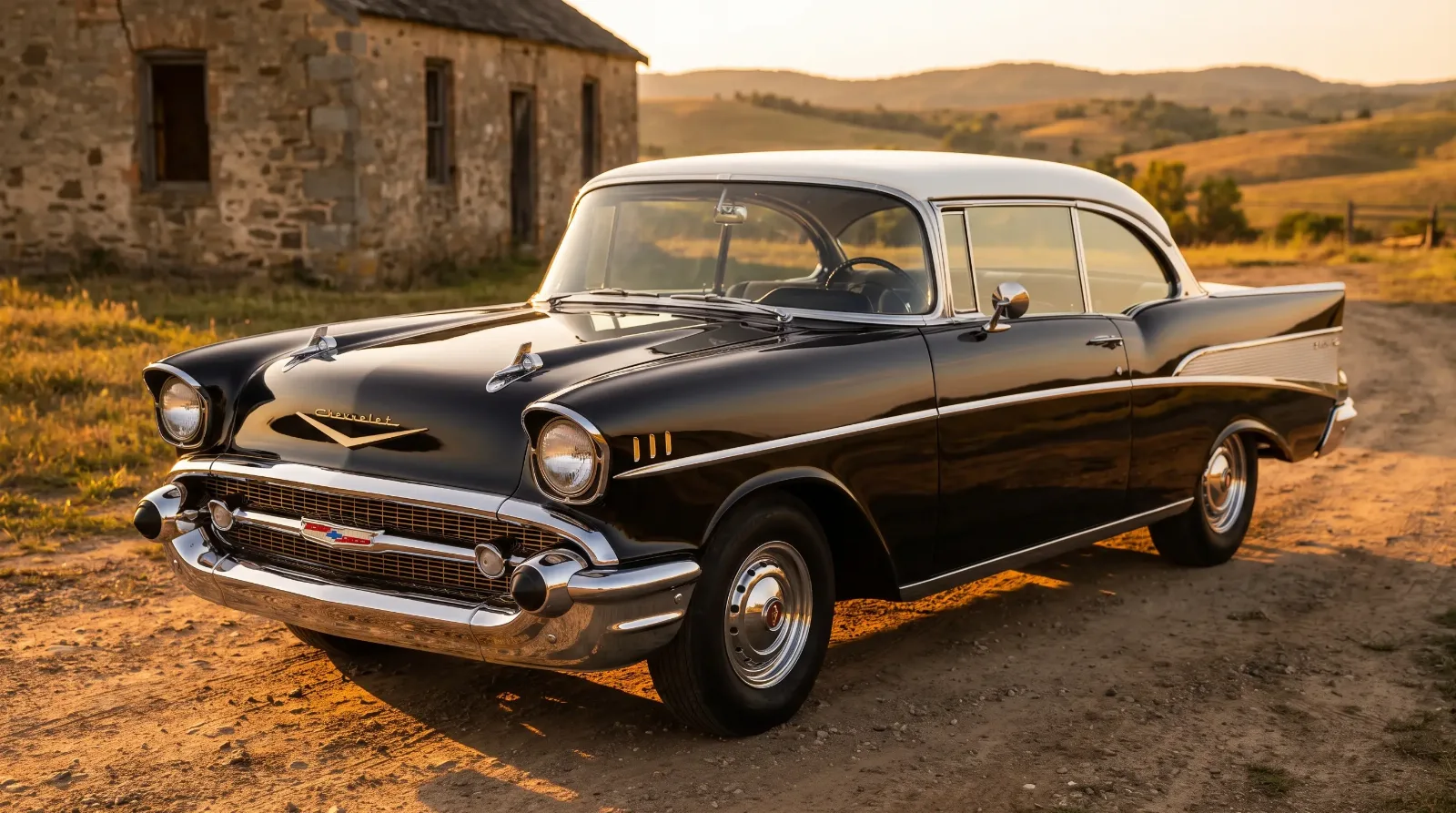
A name borrowed from a neighborhood
Chevrolet did not invent the Bel Air name out of nowhere. It borrowed it from the upscale Bel-Air district near Los Angeles, a shorthand for a kind of easy California affluence that had nothing to do with Michigan assembly lines. When the Bel Air name first appeared on a hardtop coupe in 1950, it was riding on the reputation of a place most Chevrolet buyers had never visited and probably never would. That did not matter. The name did the work a badge is supposed to do, it sold an idea before the customer ever opened a door.
By 1953, Chevrolet had turned that idea into a full model line rather than a single body style, and the Bel Air sat at the top of a three-tier lineup above the 150 and 210. This is where the flagship strategy really clicked into place. You want the 1953 chevy bel air story if you want the full arc of how that top trim came together, because the pieces did not all land in the same model year.
Trim, chrome, and the psychology of the showroom floor
What actually separated a Bel Air from a cheaper Chevrolet in the early 1950s was rarely the mechanical package. It was stainless trim spears along the body, richer upholstery choices, extra interior brightwork, and those two-tone paint jobs that made the car look longer and lower than it really was. A salesman walking a customer from the 150 to the Bel Air was selling atmosphere, not horsepower, and it worked because most buyers cross-shopping a Chevrolet were not cross-shopping on a spec sheet either.
I have talked to old-timers who remember the Bel Air being the car their father saved up for, not because it was faster or better built, but because it looked like the car the doctor or the insurance agent drove. That perception did more for Chevrolet's bottom line than any single engineering decision made in Detroit during those years.
"The Bel Air did not have to be the best engineered car on the lot. It had to be the car you wanted your neighbors to see in the driveway, and Chevrolet understood that difference better than most of its competitors."
- Patrick Walsh
The 1955 turn that changed everything
The flagship story shifts hard in 1955. That is the year Chevrolet gave the Bel Air a genuine V8 option, the small-block 265, alongside a body redesign that finally matched the car's marketing promise with real performance. Before 1955, the Bel Air chevrolet flagship pitch was mostly about appearance. After 1955, it had teeth. A Bel Air with the new V8 and a manual transmission could embarrass cars that cost considerably more, and that combination of style and genuine speed is what cemented the nameplate's reputation for the following two decades. Anyone tracing the model's arc from base trim to icon should read the full story to see how those pieces fit together across the whole production run.
Why "flagship" is the right word and not an exaggeration
Chevrolet dealers of the era did not use the word flagship out loud very often, but the internal logic of the lineup made the term accurate anyway. Every Chevrolet ad campaign from the early and mid 1950s worked the Bel Air into the hero shot, the car photographed at an angle that hid the cheaper trim lines sold underneath it. Corporate literature pointed dealers toward the Bel Air as the car that should anchor a showroom, because a strong flagship pulls buyers upward through the whole lineup even when they end up buying something cheaper.
That pattern is not unique to Chevrolet, most manufacturers use a hero model the same way today, but the Bel Air did it at a scale few nameplates of its era matched. It stayed Chevrolet's top full-size trim through the 1950s and remained a recognizable name in the lineup for years after the Impala took over as the genuine performance flagship in 1958.
How the competition forced Chevrolet's hand
Ford and Plymouth were not sitting still while Chevrolet built out its flagship strategy. The Crestline and the Belvedere were doing similar work for their own brands, top trims dressed up with chrome and two-tone paint to pull buyers upward. What made the Bel Air different was timing. Chevrolet had the sales volume and the dealer network to make the flagship halo effect work at a scale Plymouth in particular could never quite match, and Ford's answer, the Fairlane, did not fully arrive until 1955, the same year the Bel Air got its V8 and became something closer to a genuine performance flagship rather than just a styling exercise.
That competitive pressure is part of why Chevrolet kept refining the Bel Air's position through the early 1950s instead of leaving it as a single hardtop body style. Each model year added trim levels, engine choices, and body styles under the Bel Air name specifically because the sales numbers proved the flagship approach was working. A dealer who could point to strong Bel Air sales had leverage with the regional zone office, and that internal pressure inside Chevrolet's own organization pushed the nameplate further upmarket even before the 1955 redesign made it official.
What the flagship years mean for collectors today
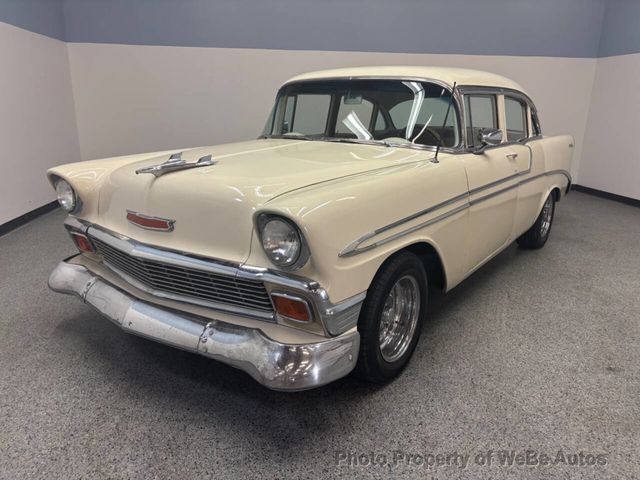
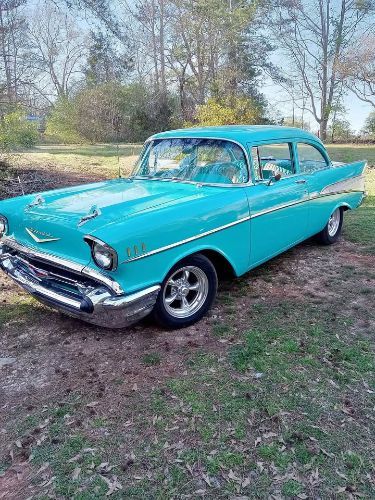
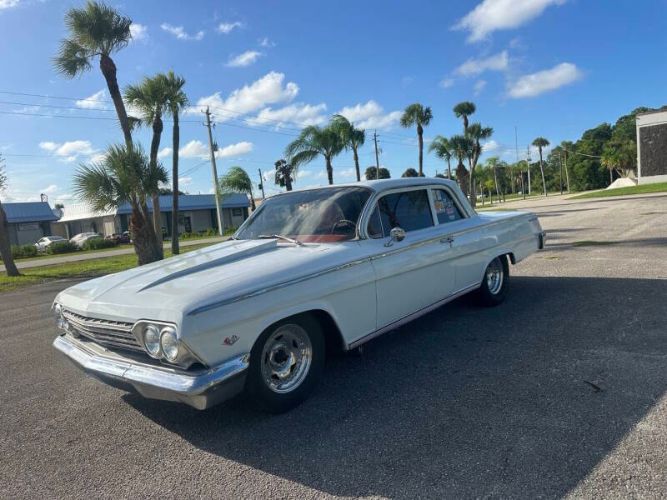
Understanding this history changes how you should look at a Bel Air for sale. A car from the true flagship years, roughly 1950 through 1957, carries a different weight than a later Bel Air built after the Impala took the top spot. Buyers chasing the nameplate's original promise, the one that made a Chevrolet look like something more than a Chevrolet, gravitate toward those earlier years for a reason. The badge on a 1955 or 1956 Bel Air meant something specific at the time, and that meaning still shows up in what people are willing to pay for a clean example now.
If that history has you thinking about buying one, there are classic Airs on the market right now worth a look, and knowing which model years actually carried the flagship torch will help you shop smarter than someone chasing the name alone.
Sources and notes
Related Reading
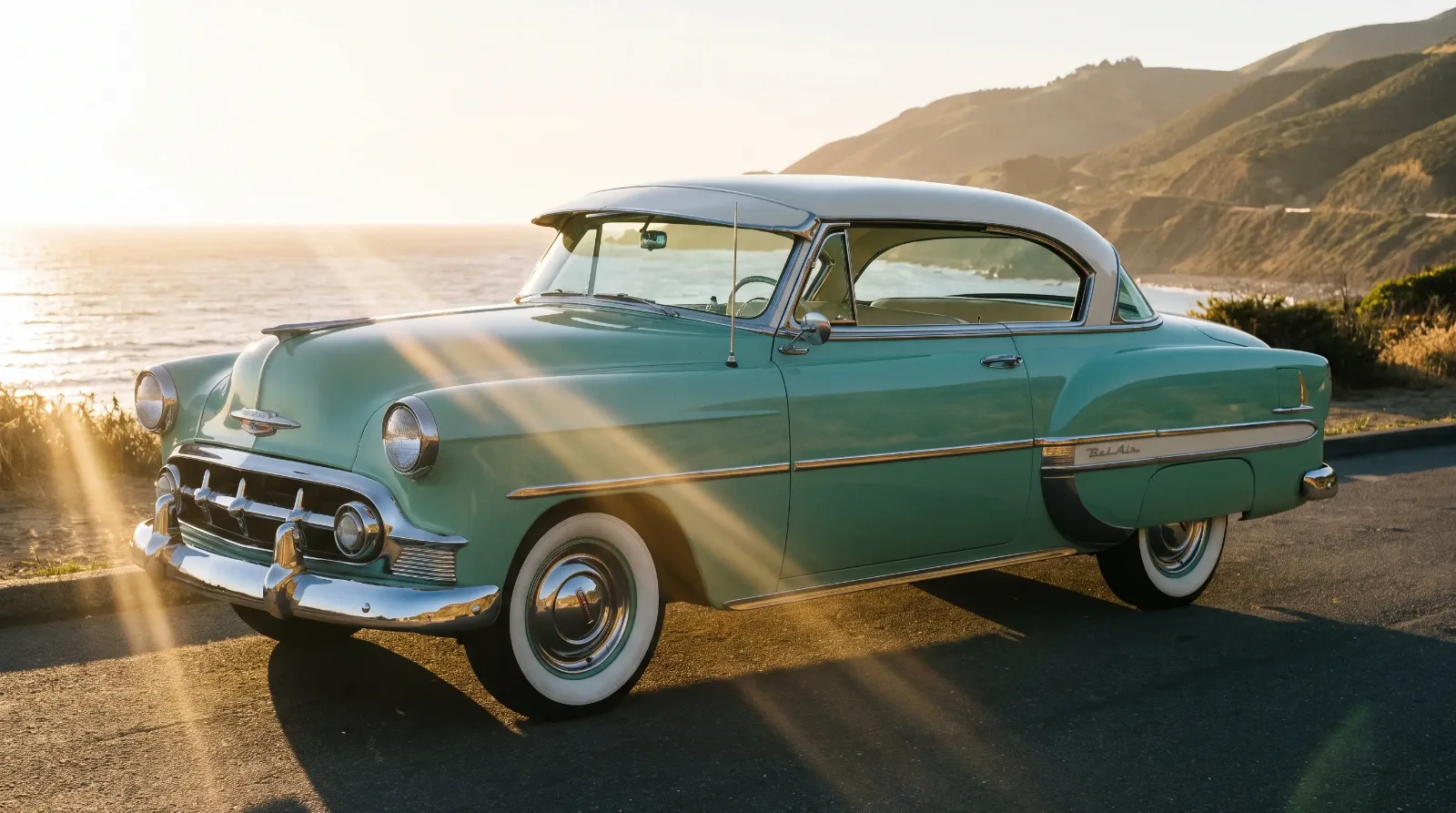
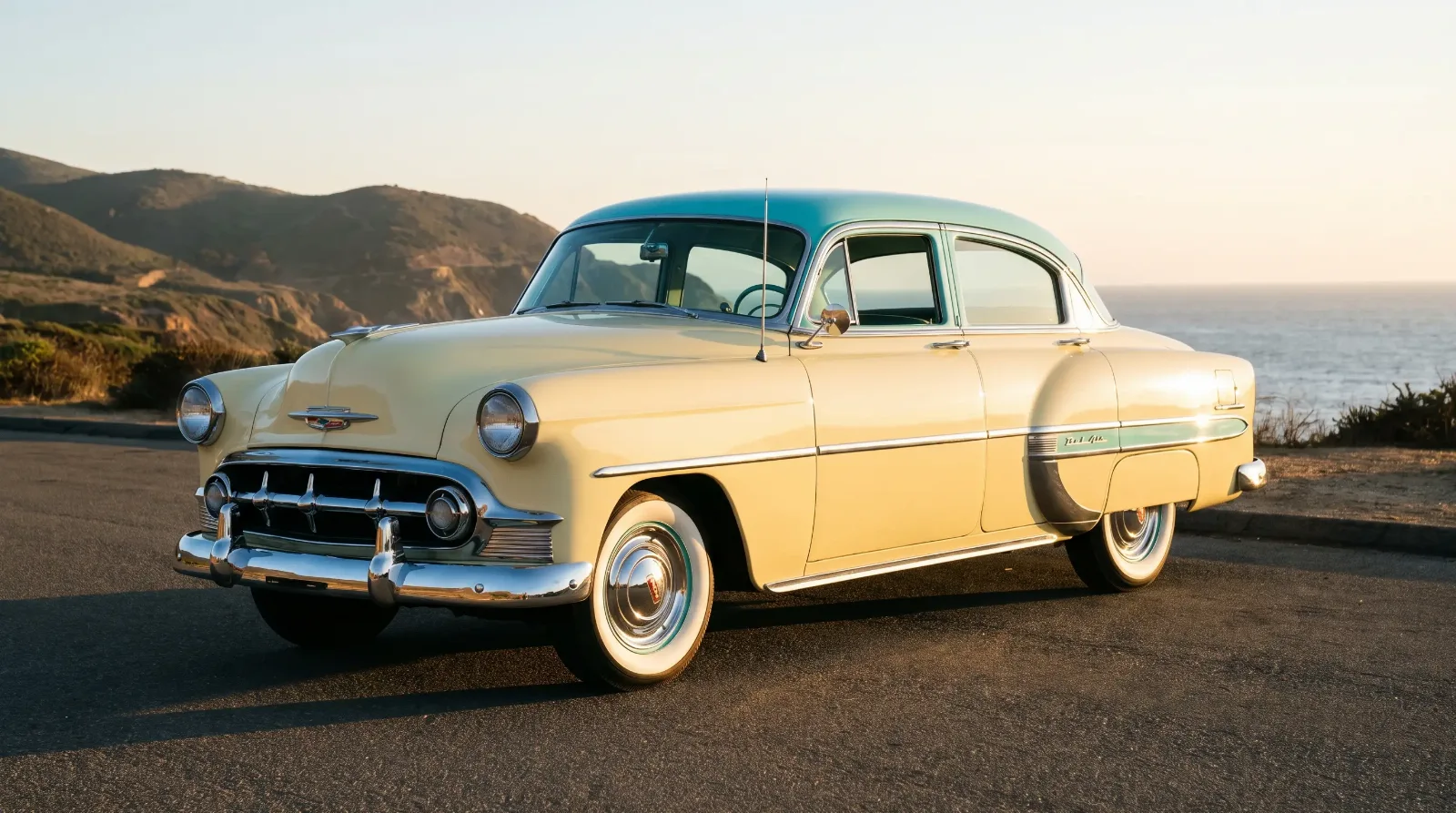
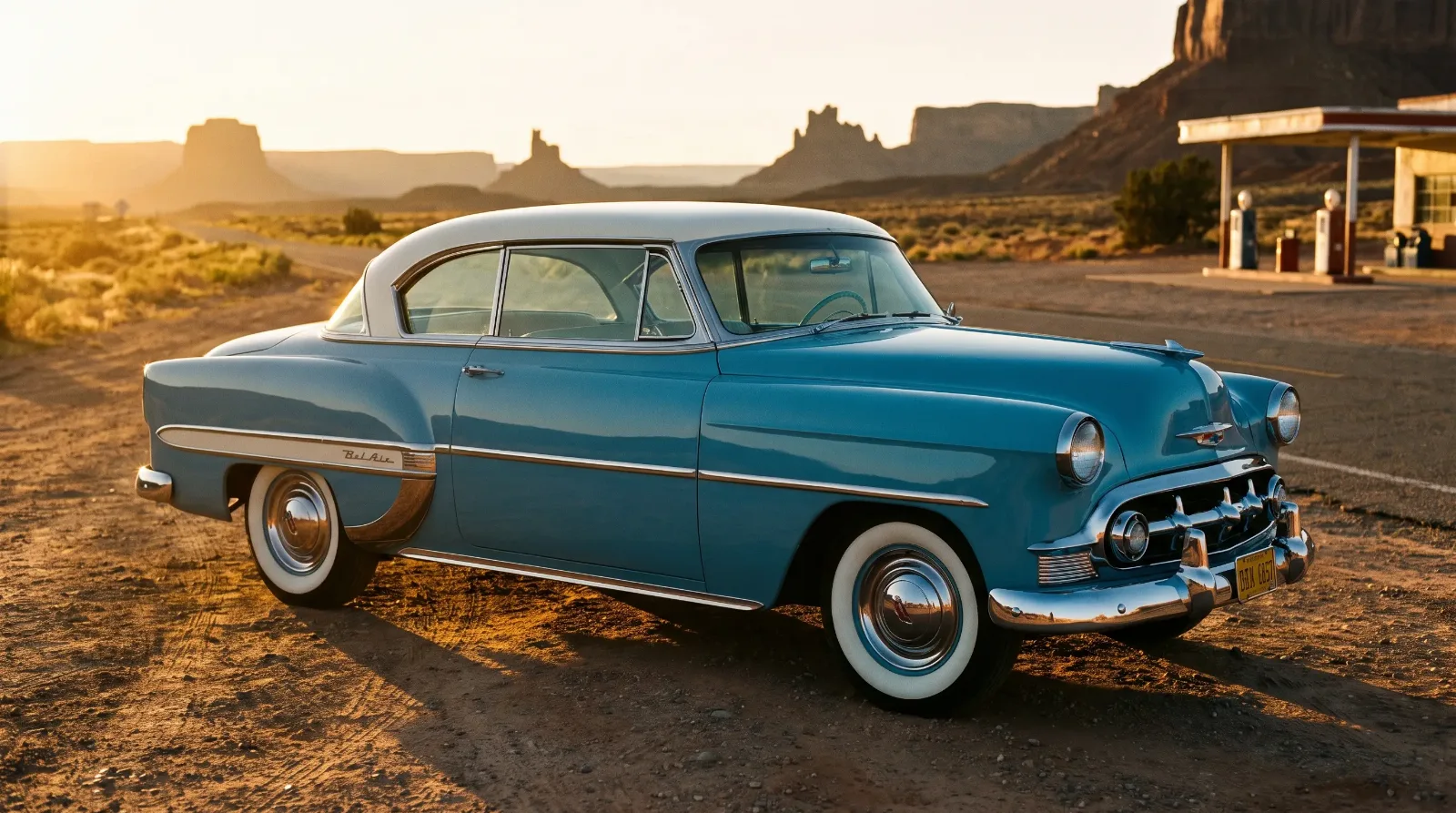
Have a
Chevrolet Bel Air
for Sale?
Reach thousands of serious classic car collectors across the US.
Sell It Here →
Are You a Classic Car Dealer?
List your full inventory and connect with targeted classic car buyers.
Join as a Dealer →
#classic chevrolet
#Chevrolet history
#Chevrolet Bel Air
#1955 bel air
#flagship model
#automotive marketing

About the author
Patrick Walsh
Automotive journalist covering classic car shows, events, and the enthusiast community across North America.
Related Listings - Chevrolet Bel Air




Comments
Be the first to comment on this article.