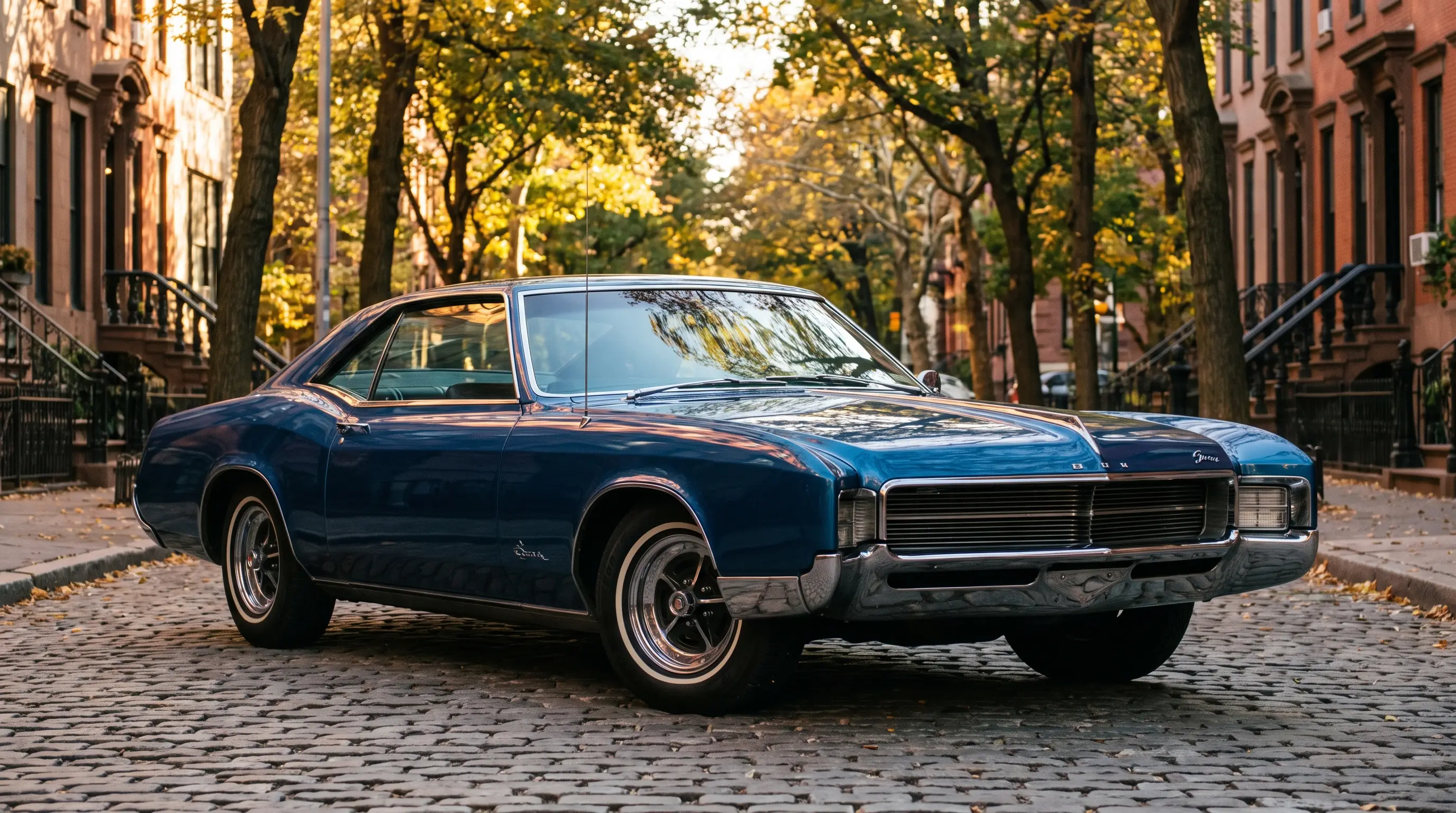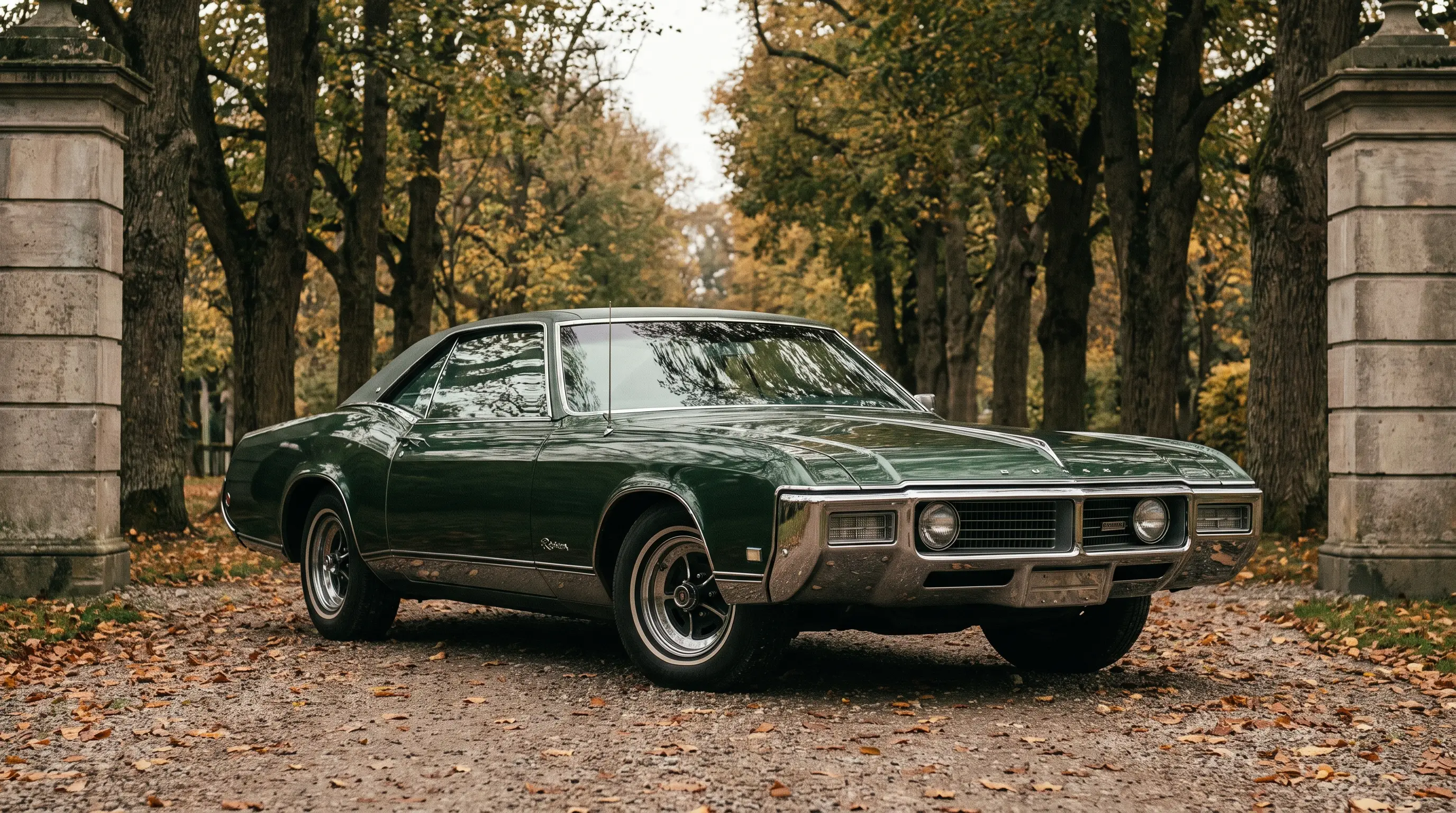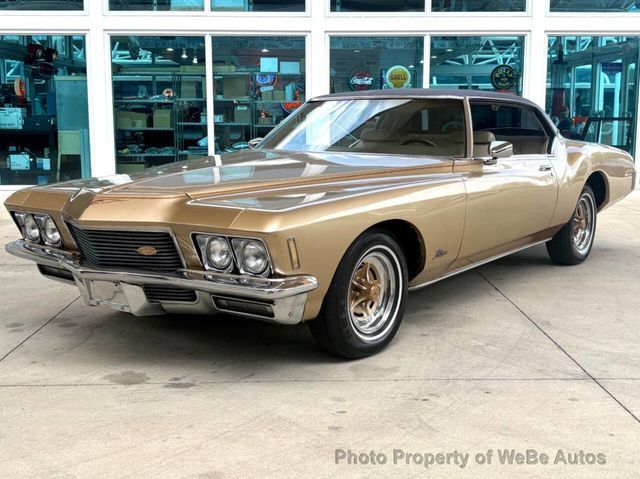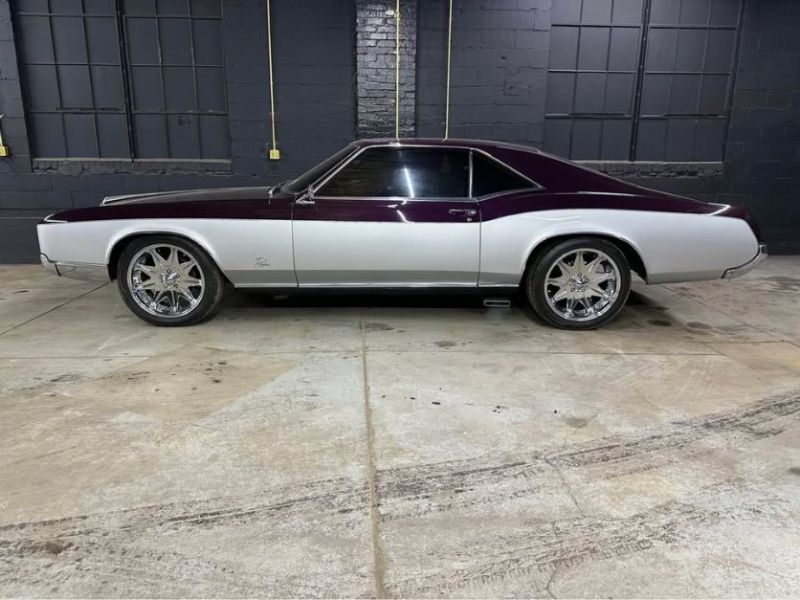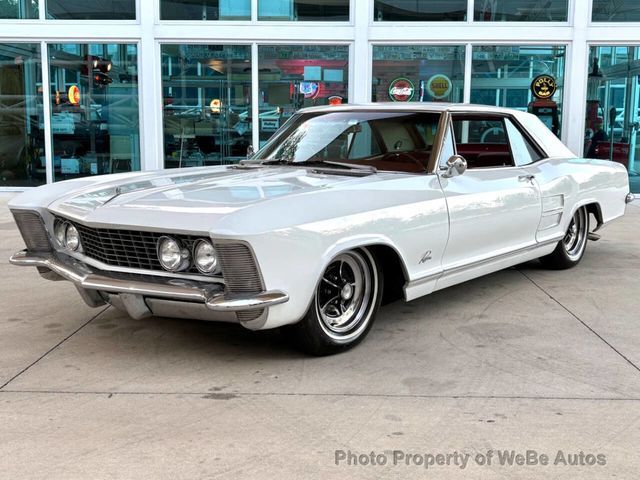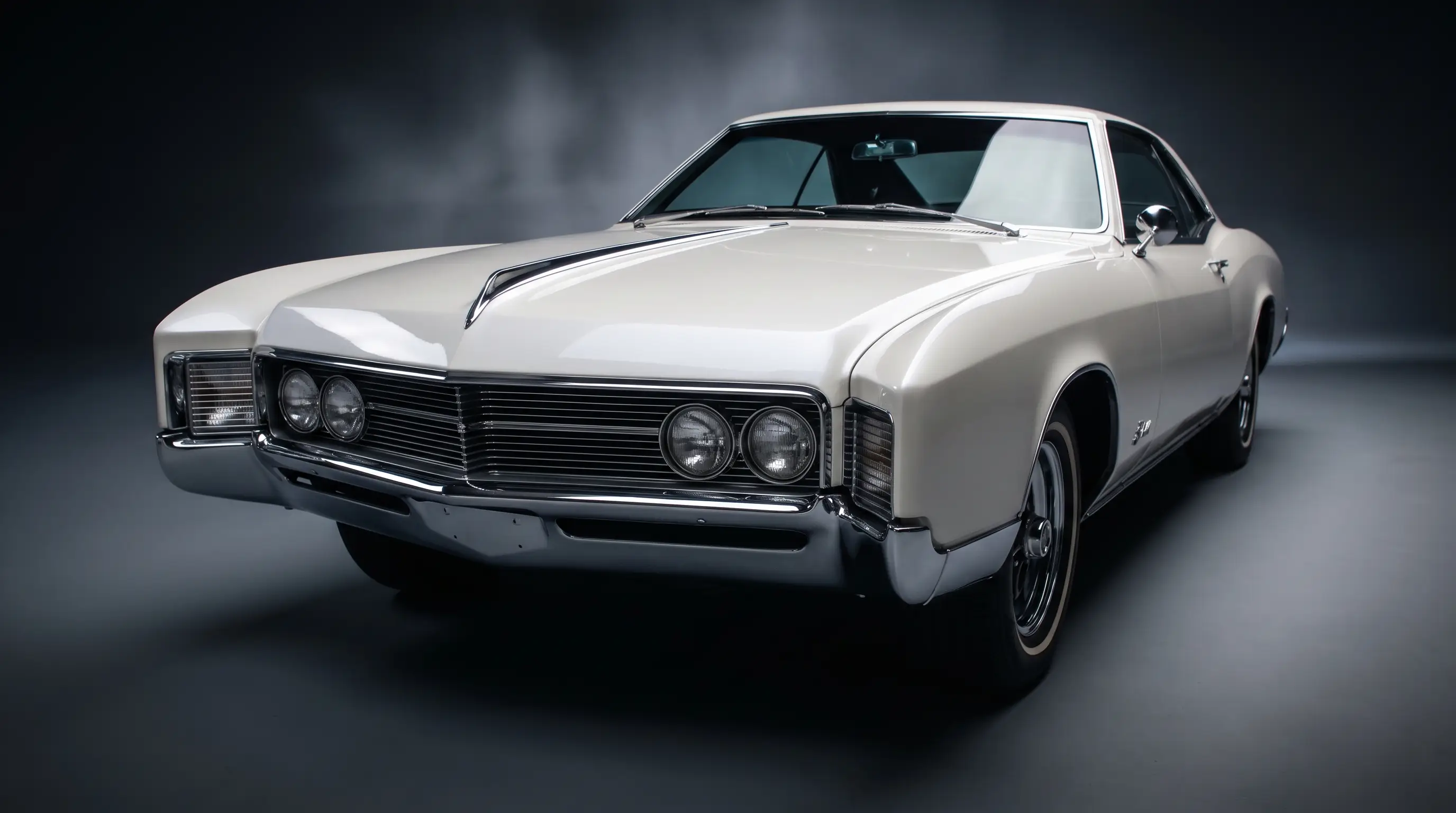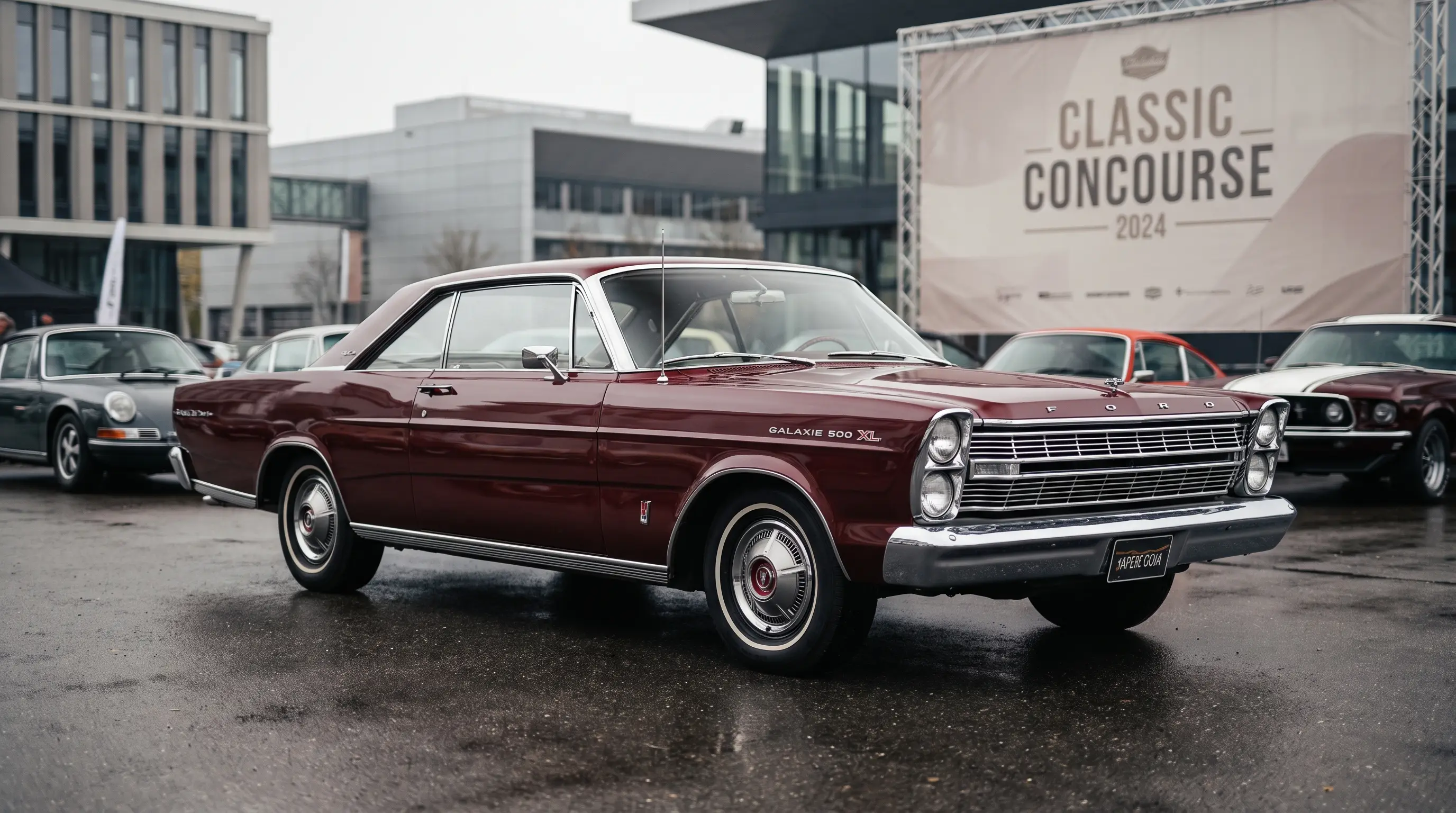
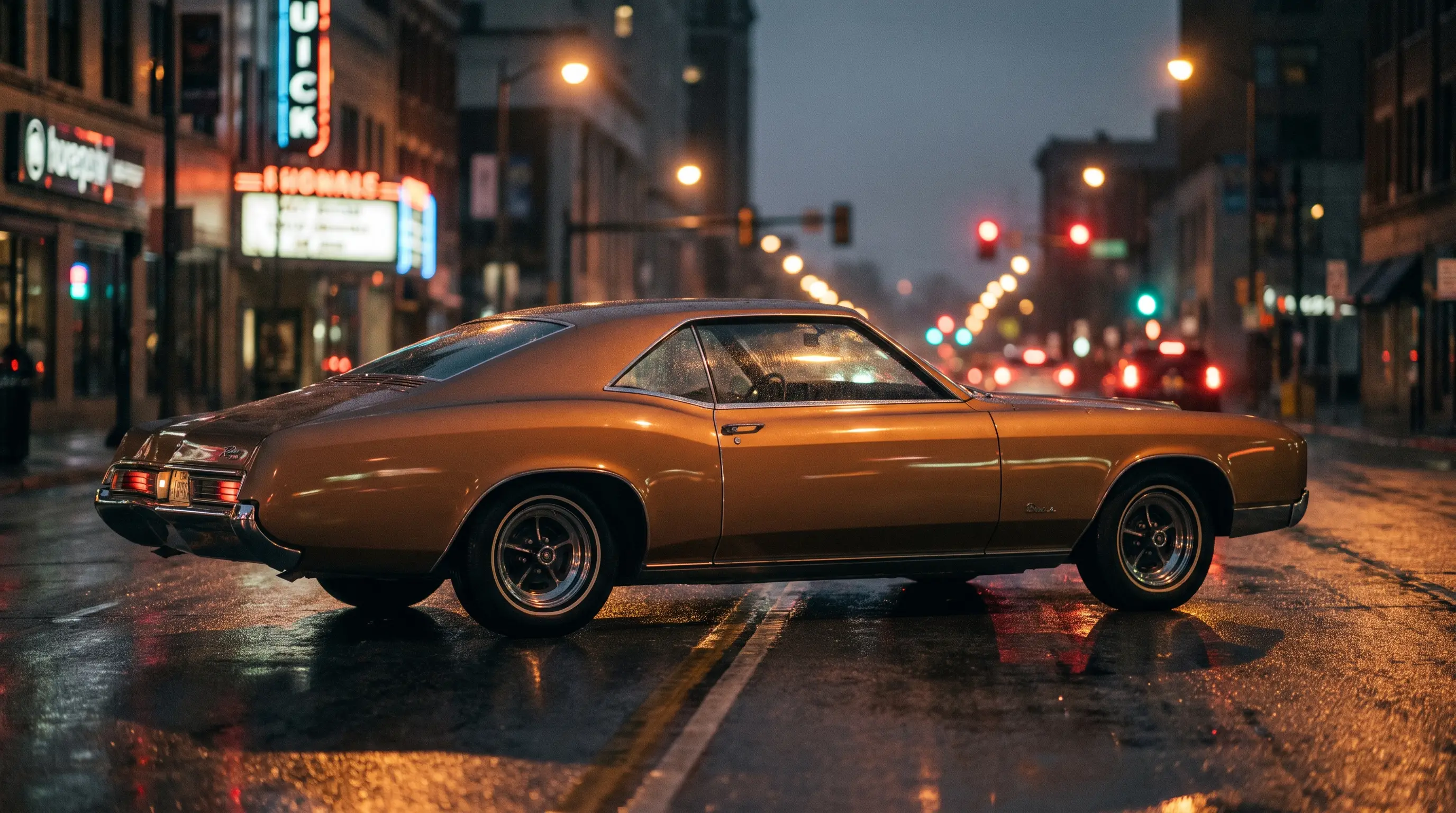
The buick riviera 1966 gen2 redesign is the kind of decision that makes builders like me nervous just reading about it. You have a car that worked, that critics loved, that sold at exactly the volume Buick wanted, and three years later you tear the whole body off it and start over. That is either arrogance or confidence, and after spending time under these cars, panel by panel, I have come around to confidence being the right word.
Why Buick tore up a winning formula
The original 1963 through 1965 Riviera was built on its own platform, distinct from the rest of Buick's lineup, but General Motors was already thinking about efficiency at the corporate level even while giving individual divisions room to differentiate. For 1966, the Riviera moved to a shared E-body platform alongside the new Oldsmobile Toronado, a decision that let GM spread engineering and tooling costs across two, and eventually three, personal-luxury cars rather than carrying the original Riviera's standalone platform costs indefinitely.
From a builder's standpoint, that platform share is not the compromise it might sound like. The E-body gave Buick a stronger structural starting point, and the styling team used the shared underpinnings as a foundation for a genuinely different body rather than a lazy reskin. You can tell the difference between a platform share done right and one done as a cost-cutting afterthought just by how the sheet metal sits over the structure, and the 1966 Riviera is done right.
The E-body switch and what it actually changed underneath
Underneath the new sheet metal, the 1966 car picked up a stiffer perimeter frame and revised suspension geometry that road testers of the period noted improved handling composure over the first generation, particularly at speed. Buick also opened up engine options, eventually offering larger displacement V8s than the original Nailhead-powered cars had access to, matching the era's general shift toward bigger numbers across the whole American industry.
None of that structural work would matter to most buyers walking a showroom floor. What they noticed was the body on top of it, and that is where the second generation makes its actual case.
Sheet metal that reads heavier, and on purpose
The first-generation Riviera was drawn around restraint, clean flanks, a level beltline, frameless glass doing most of the visual work. The 1966 car goes a different direction entirely, with a pronounced coke-bottle profile, heavier fender lines, and a more sculpted, muscular stance overall. That is not a car chasing the original's formula. That is a car chasing a different mood, one that better matched where American styling was heading industry-wide by the middle of the decade.
Working on both generations side by side, you feel the difference in the panels themselves. The first-gen doors are thinner-gauge, built to disappear visually and support that frameless glass trick. The second-gen panels carry more crown, more sculpted surfacing, and frankly more metal to fix correctly when they have taken rust or accident damage over sixty years. Builders who have done both jobs will tell you the second generation asks for a different set of instincts at the bench, and getting those character lines crisp again after any bodywork takes real patience.
| Trait | 1963-1965 | 1966-1970 |
|---|---|---|
| Platform | Standalone Riviera chassis | Shared GM E-body |
| Styling direction | Restrained, clean flanks | Coke-bottle, sculpted, heavier lines |
| Door glass | Frameless, pillarless | More conventional framed treatment |
What a builder notices that a spec sheet does not
Spec sheets tell you displacement and horsepower. They do not tell you that the 1966 car's fender lines take real skill to get correct after any panel work, or that its heavier surfacing hides small imperfections less forgivingly than the first generation's flatter flanks did. A builder working a second-gen Riviera learns quickly that the character lines running down the fender are the whole game. Get them a fraction off after bodywork and the car reads wrong from ten feet away, even if every measurement on paper checks out.
That is the kind of thing you only learn with your hands on the metal, not from a brochure, and it is why I have real respect for whoever signed off on this redesign at Buick. They did not just draw a new shape. They committed the division to building it correctly, panel by panel, at production volume, which is a much harder thing to pull off than a clay model suggests.
"People act like a redesign is just a new drawing. It is not. Somebody at Buick had to figure out how to actually stamp those coke-bottle fender lines consistently on an assembly line, and whoever did that job does not get enough credit for it."
- Jim Vasquez
Interior work tells the same story as the sheet metal
The redesign was not limited to the exterior. Buick reworked the dashboard and console for 1966 into a more driver-focused layout, with a different instrument arrangement and trim treatment than the first-generation cars used. Builders who have restored both eras notice that the second-generation interior components are generally more available through reproduction channels than first-gen parts, simply because more of these cars were built and more of that trim survived into the aftermarket supply chain over the decades.
That availability matters practically. A builder taking on a second-generation project has an easier time sourcing correct interior trim than one restoring a first-gen car, and that difference in parts access is worth knowing before committing to either project. It does not make one generation a better build than the other. It just means the two jobs demand different levels of patience for tracking down the right pieces, and anyone going into a restoration should walk in with that expectation already set rather than discovering it partway through the work.
Original versus modified, and why it matters
I see a fair number of second-generation Rivieras come through with modified trim, incorrect reproduction parts, or bodywork that does not respect the original panel lines, and it bothers me more on these cars than on some others. The 1966 redesign was a deliberate, considered piece of engineering and styling work, and a poorly executed modification erases the specific decisions that made the car worth building in the first place. A period-correct restoration, done with attention to how those fender lines were actually meant to read, honors the work Buick's team put in. A shortcut job just looks like a shortcut, no matter how much chrome gets bolted back on afterward.
If you are shopping this generation, look past the paint and ask about the panel history first. Anyone wanting the deeper story of how this generation came together should read 1966 buick riviera history, and there is a related story covering the full second-generation run through 1970. Buyers ready to look seriously can check Rivieras for sale now and compare a proper second-generation example against the original that came before it.