
The short version: 190 hp from a carbureted 305, a 7.4 second 0-60 in a period magazine test, and a production run so thin that in its final year Chevrolet built 74 of them. The Camaro Z28 HO, RPO L69, was the most powerful Z28 you could buy in 1983 and 1984, and it did it with a four-barrel while the showroom brochures were busy selling fuel injection. Then tuned port arrived and the H.O. faded out in two model years. This is the engine on its own terms: what it made, what it ran, and how it stacked up against the injected 305s on either side of it. For the whole third-generation run, the generation guide has the full story.
Car Features
6 min read
The Z28 H.O.: Chevrolet's 1980s High-Output 305
The Camaro Z28 H.O. got 190 hp from a carbureted 305 and beat Cross-Fire Injection. The numbers, the tests and the 74-car final year.
What the Camaro Z28 HO actually delivered
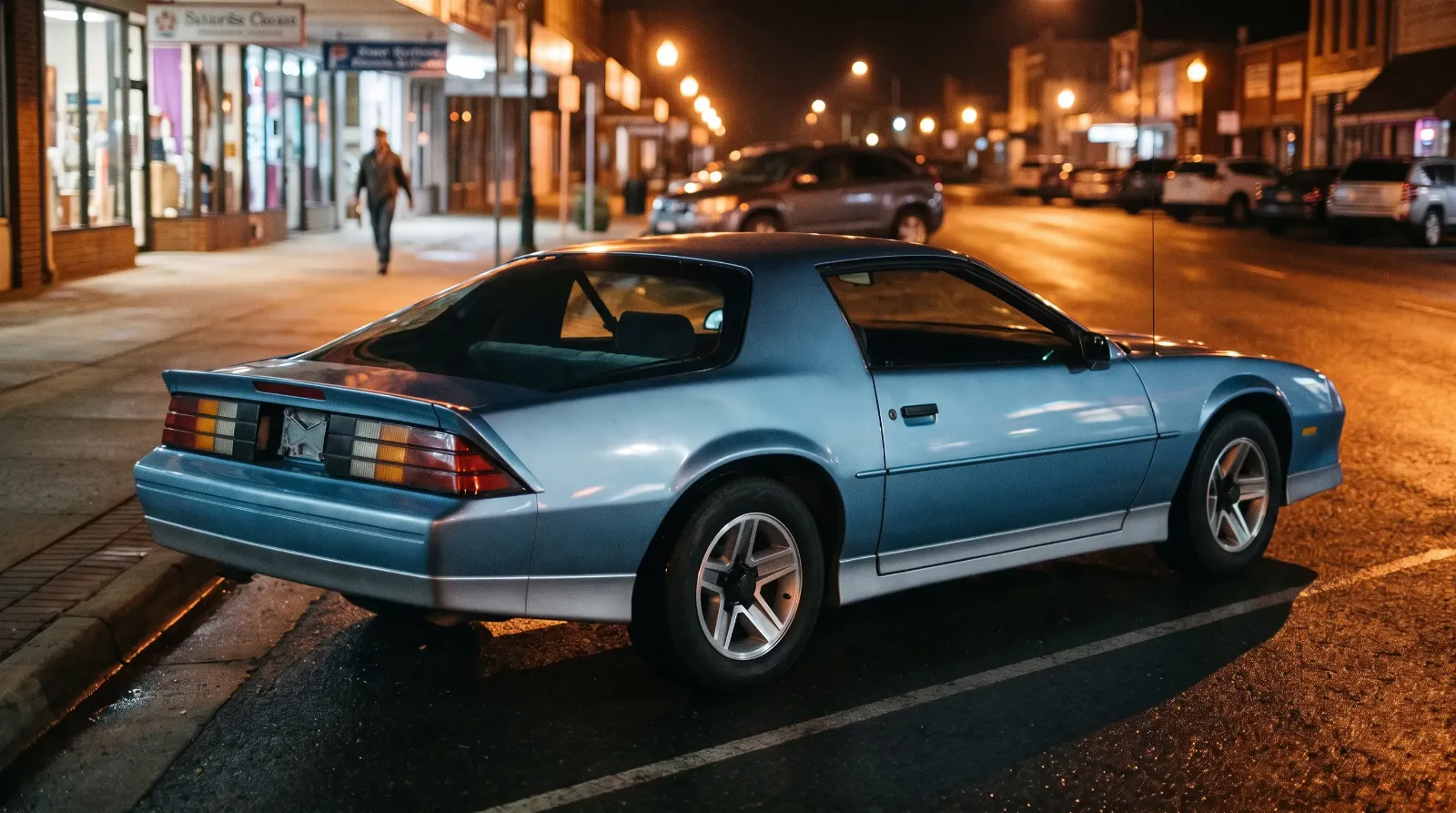
The L69 was a 5.0 liter V8 with a four-barrel carburetor, rated at 190 hp and 240 lb-ft. The gain over the standard four-barrel came from a revised camshaft and a 650 cfm Quadrajet. Chevrolet's 1985 figures put the peaks at 4,800 rpm for power and 3,200 rpm for torque. Those are SAE net numbers, so they compare directly with everything else in this story.
Put them next to the rest of the 1983 Z28 order form and the point makes itself. The standard LG4 305 four-barrel made 150 hp. The LU5 Cross-Fire Injection 305, the twin throttle-body setup Chevrolet had headlined in 1982, made 175 hp in 1983 and came with an automatic only. The H.O. beat the injected engine by 15 hp and let you shift it yourself.
| Year | Rating | Transmissions | Option price | Built |
|---|---|---|---|---|
| 1983 | 190 hp, 240 lb-ft | Five-speed manual only | $505 | 3,223 |
| 1984 | 190 hp, 240 lb-ft | Five-speed, or TH700-R4 automatic for the first time | Not confirmed | Not confirmed |
| 1985 | 190 hp, 240 lb-ft | Five-speed manual only | $680 | 2,497, all IROC-Z |
| 1986 | 190 hp, 240 lb-ft | Not confirmed | Not confirmed | 74 |
The rating never moved. Four model years, same 190 hp. That tells you Chevrolet was not developing the L69. It was carrying it until something better was ready.
1983: a mid-year carburetor that beat the injection
The H.O. arrived in April 1983, partway through the model year. It was five-speed only that first season, with the Borg-Warner T5 the 1983 Z28 used as its standard manual. The option cost $505. Chevrolet built 3,223 of them, out of a 1983 Z28 run of about 62,100 cars. Call it one Z28 in twenty.
Motor Trend clocked a 1983 H.O. five-speed at 7.4 seconds to 60 mph. For context, the 1982 Z28 needed just under 10 seconds with the LG4 and a four-speed manual, and about 9 seconds with the Cross-Fire and an automatic. One year later and the same body was roughly two seconds quicker to 60. That is not a styling package. That is a real gain.
EPA numbers were 16 mpg city and 26 highway, from a 16.1 gallon tank. Nobody bought an H.O. for the mileage. Still, a 26 mpg highway rating next to a 7.4 second 0-60 is a combination worth writing down.
1984 to 1986: the automatic, the IROC-Z and the fade-out
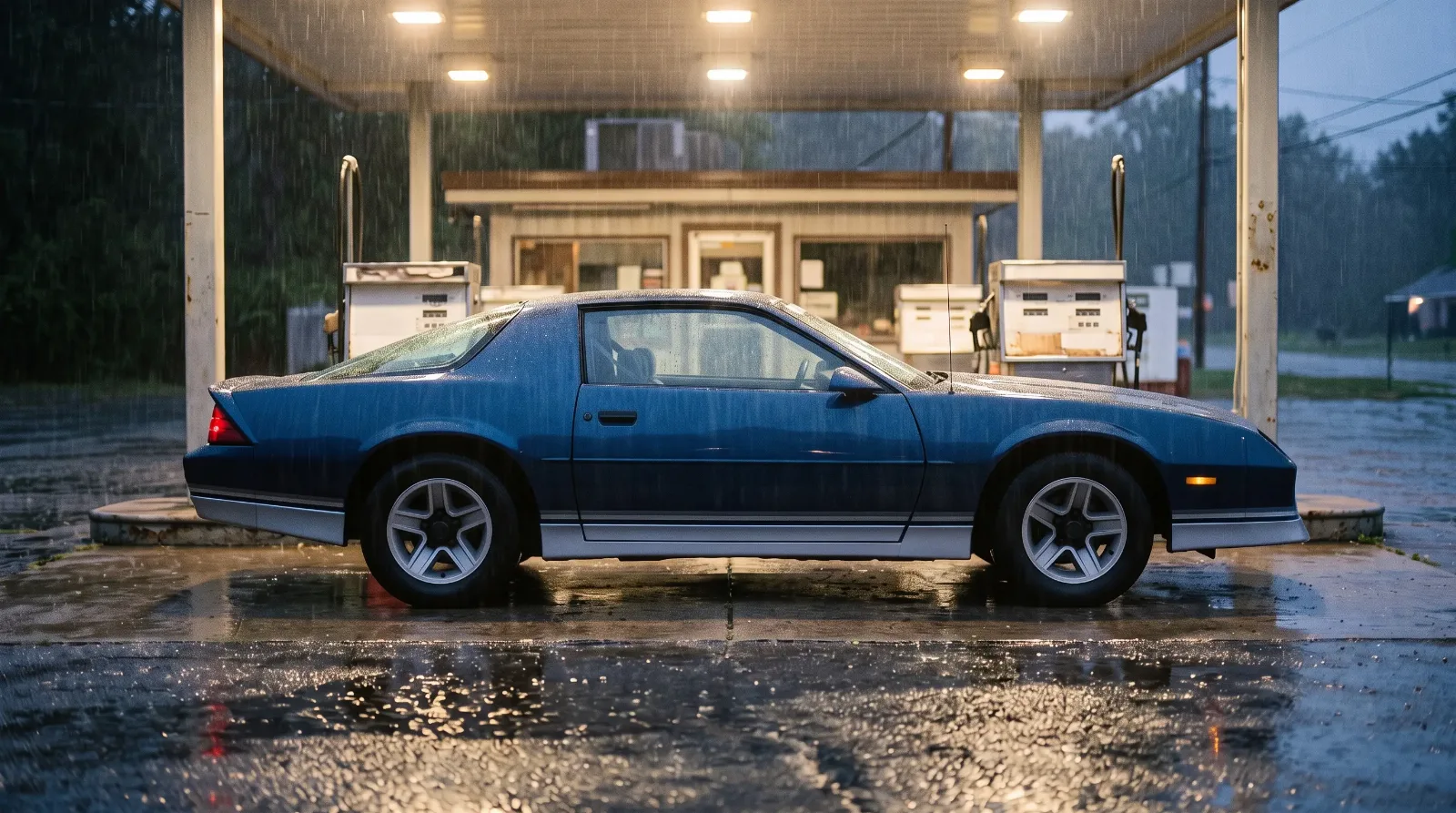
For 1984 Chevrolet dropped Cross-Fire and offered the L69 with the TH700-R4 four-speed automatic for the first time. With the Cross-Fire gone, the H.O. was the top engine of the 1984 Camaro lineup by default. The same showroom was selling a very different car at the other end of the range: the 1984 Berlinetta, with a 107 hp V6 as standard and the space-age cluster covered in the Berlinetta's digital dash. The base four, at 92 hp, has its own article, and the Iron Duke is the longer story at the bottom of the range.
The real change came for 1985. Tuned Port Injection arrived as the LB9 305, rated at 215 hp and 275 lb-ft, the first Camaro rated over 200 hp since the 245 hp 1974 Z28. The LB9 came only with the automatic that year. The L69 went the other way: five-speed only, $680, and offered only on the new IROC-Z. If you wanted three pedals and the most power, the H.O. was still your engine.
The number on that 1985 split is 2,497 L69 IROC-Zs, out of 21,177 IROC-Zs built that model year. That is under 12 percent of them. The 2,497 figure is the one reference works and auction listings repeat; we have not seen it on a Chevrolet production document.
Then 1986. The LB9 was re-rated to 190 hp, dead level with the H.O. That killed the argument. The L69 ran its final year with 74 built: 63 went to Canadian racing and 11 were sold to the public. One reader comment elsewhere puts the count at 53, but two sources and a breakdown back 74.
"Ignore the hood decals and read the dyno sheet. In 1983 the carbureted H.O. made more power than the injected engine Chevrolet was advertising. In 1986 the injected engine was rated the same 190, and that was the end of it."
Dan Reeves
Period tests: the H.O. against tuned port and the Mustang
Car and Driver tested both 1985 IROC-Z engines in its October 1984 issue. The L69 car ran 0-60 in 7.5 seconds and the quarter mile in 15.4 seconds at 90.0 mph. The 215 hp LB9 ran 7.0 seconds and 15.2 at 91.0 mph. Motor Trend got 6.8 seconds and 15.3 at 89.1 mph from a TPI car in the same month.
So the gap is real but small. Half a second to 60 and two tenths in the quarter, between a 190 hp carbureted five-speed and a 215 hp injected automatic. The extra 25 hp and 35 lb-ft from tuned port did the work, and the automatic did not cost it much at the strip.
The obvious rival was Ford's 5.0 H.O. in the Mustang GT. It was rated at 175 hp and 245 lb-ft for 1983, so the L69 had 15 hp on it that first year. For 1985 the Ford went to 210 hp and 270 lb-ft, and for 1986 it was rated at 200 hp and 285 lb-ft with sequential injection. By then the Chevrolet H.O. was a 190 hp engine in its last, 74-car season. The Camaro's answer to the Mustang was now tuned port, not the four-barrel.
Finding a real one today
An H.O. badge proves nothing. Decals are cheap. Start with the VIN's engine digit. For 1984 the code G marks the 305 four-barrel H.O., separate from the H used for the standard four-barrel. For 1985 and 1986 the decoders list both H and G as 305 four-barrels, so the VIN alone narrows the field but does not close the case. The option list matters: on a 1985 car, the L69 should be an IROC-Z with a five-speed. An automatic 1985 L69 should make you ask questions.
Paperwork settles it. A window sticker, a dealer invoice or a build record showing the L69 code is worth more than any engine-bay photo. Real power numbers on a forty-year-old engine depend on what has been done to it, but the catalog claim was 190 hp, and a correct car should drive like it.
Sources and notes
Related Reading
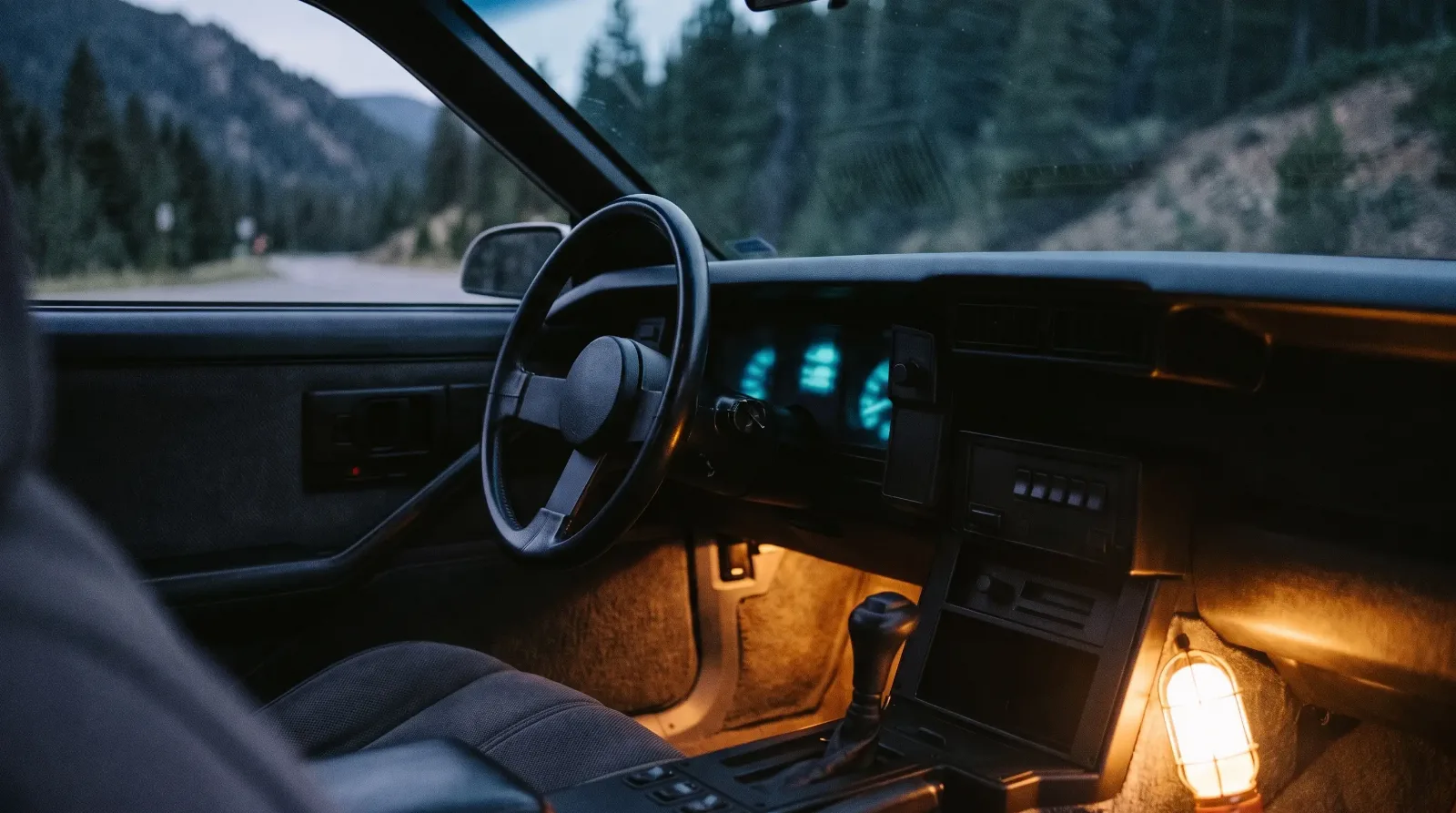
Have a
Chevrolet Camaro
for Sale?
Reach thousands of serious classic car collectors across the US.
Sell It Here →
Selling a classic? Here's how: where to sell your classic car online
Are You a Classic Car Dealer?
List your full inventory and connect with targeted classic car buyers.
Join as a Dealer →

About the author
Dan Reeves
Performance engine builder from North Carolina's motorsports corridor, focused on swaps, forced induction and making real, repeatable power.
Related Listings - Chevrolet Camaro
Comments
Be the first to comment on this article.