Every car that stays in production for several years eventually gets simplified somewhere, a feature deleted here, a trim option consolidated there, all in the name of cost and complexity. The 1970 challenger first year avoided that entirely because it was the starting point, not a refinement of something that came before, and that gave it a set of details that Dodge never quite replicated in exactly the same form again.
A grille and taillight design that lasted exactly one year
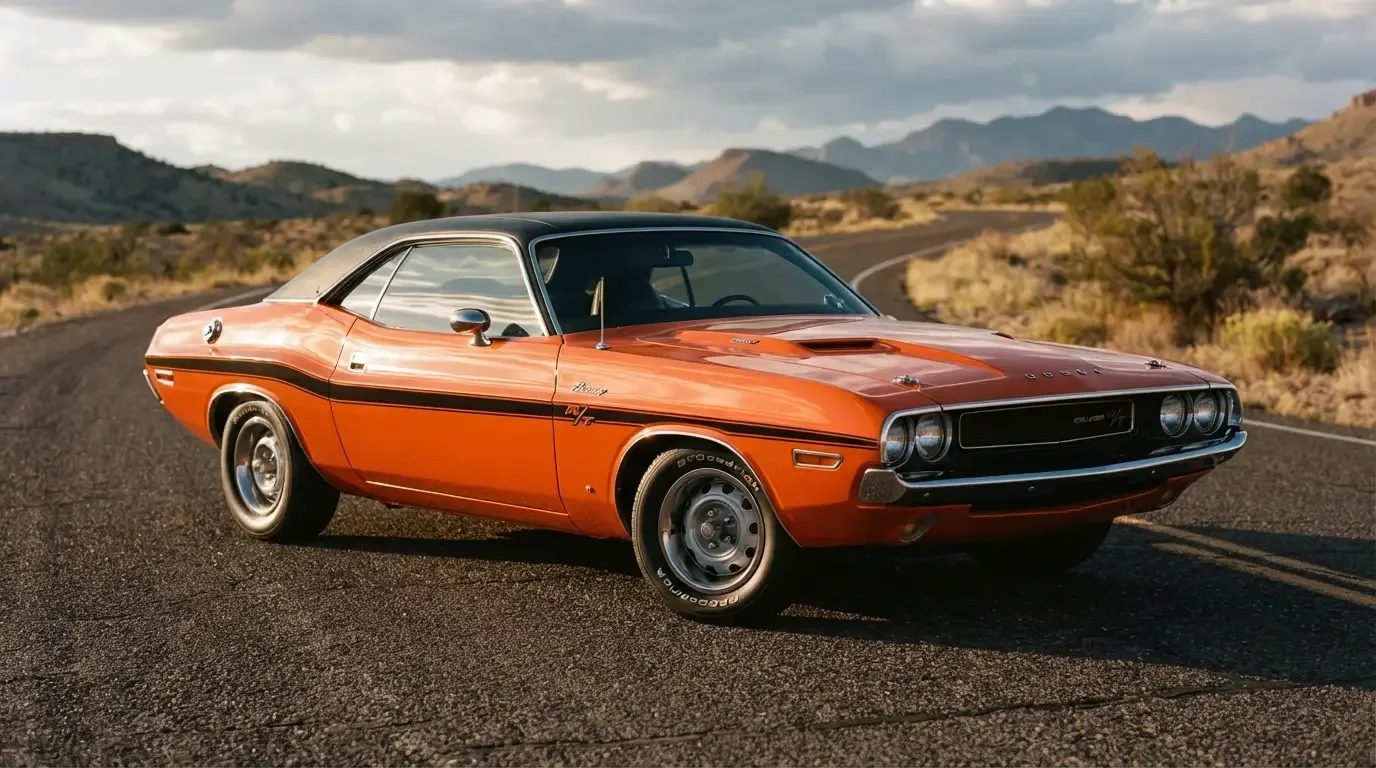
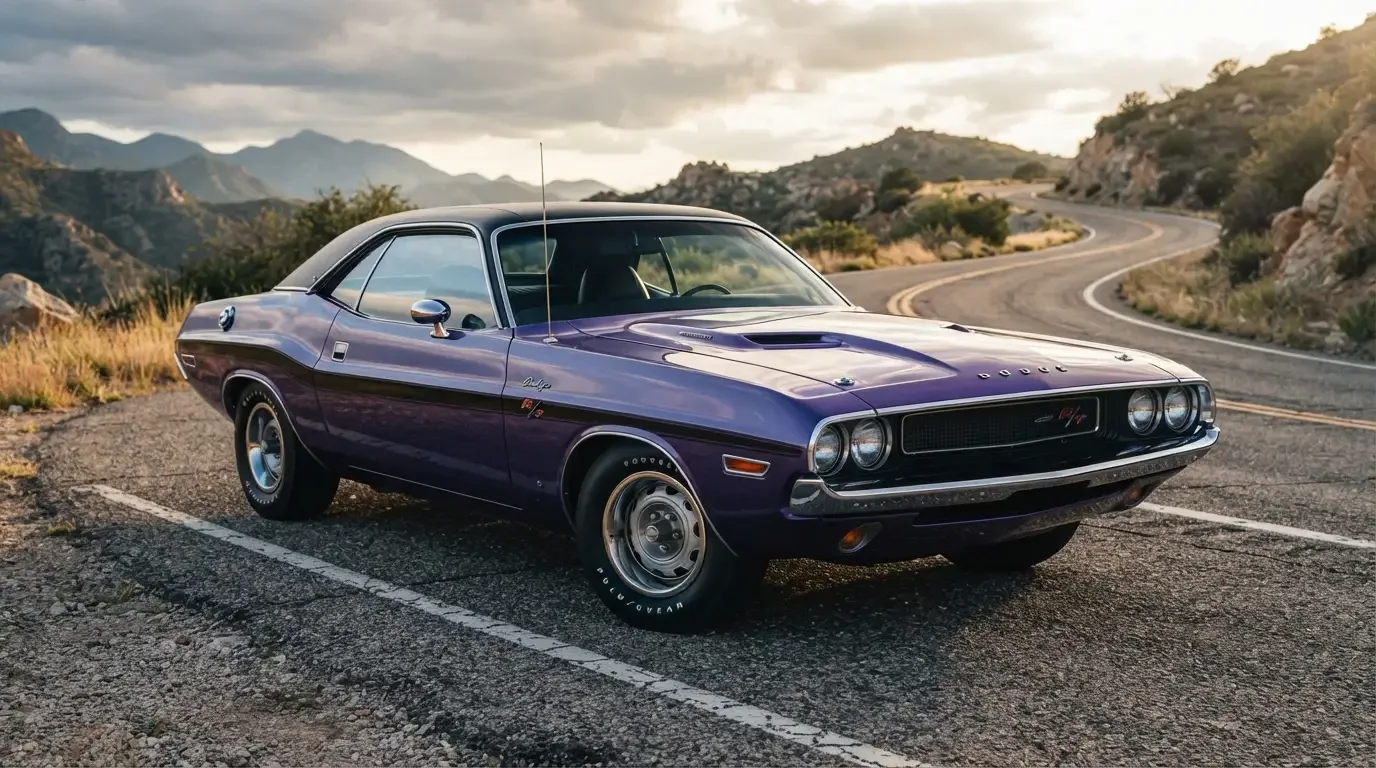
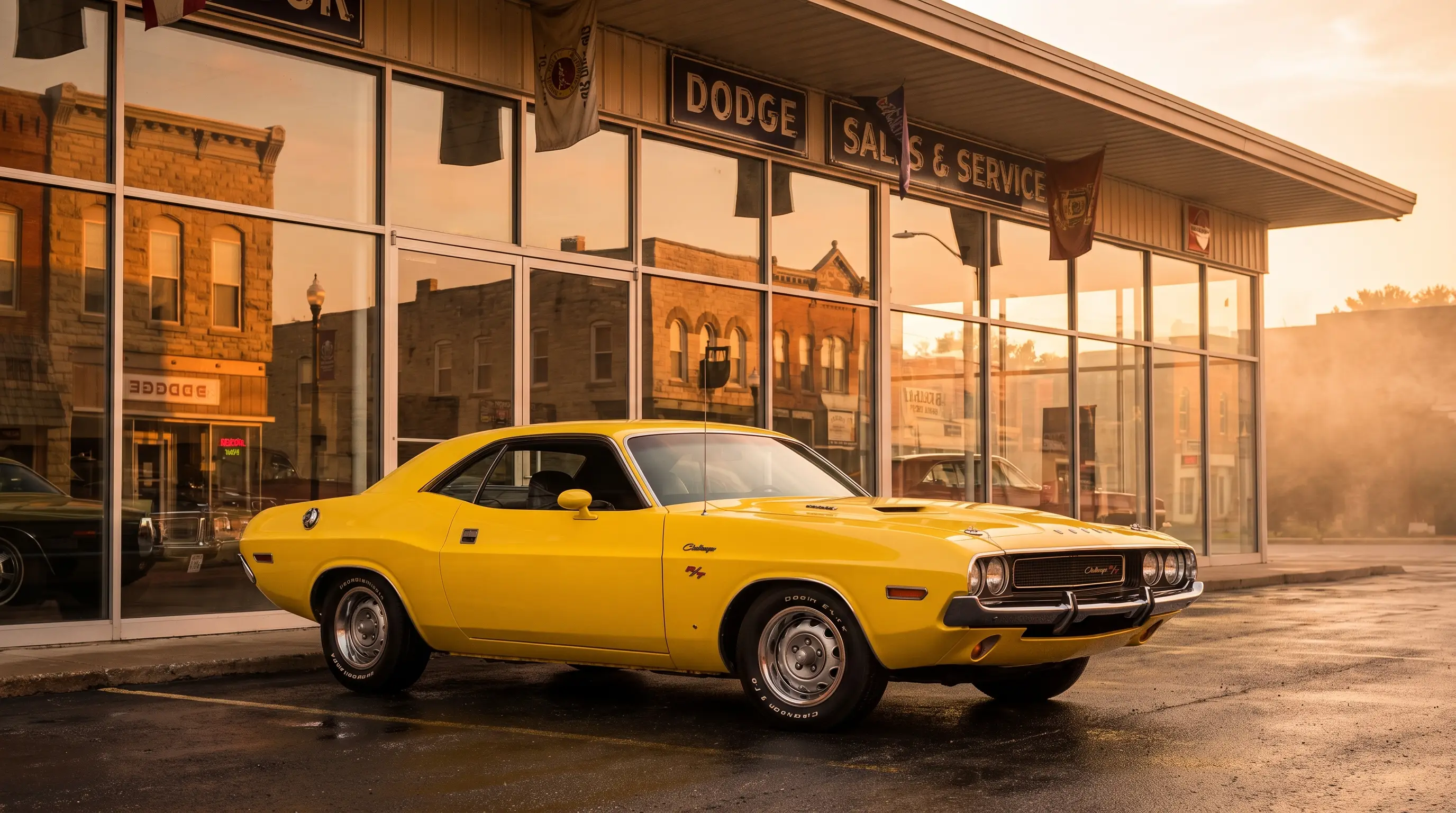
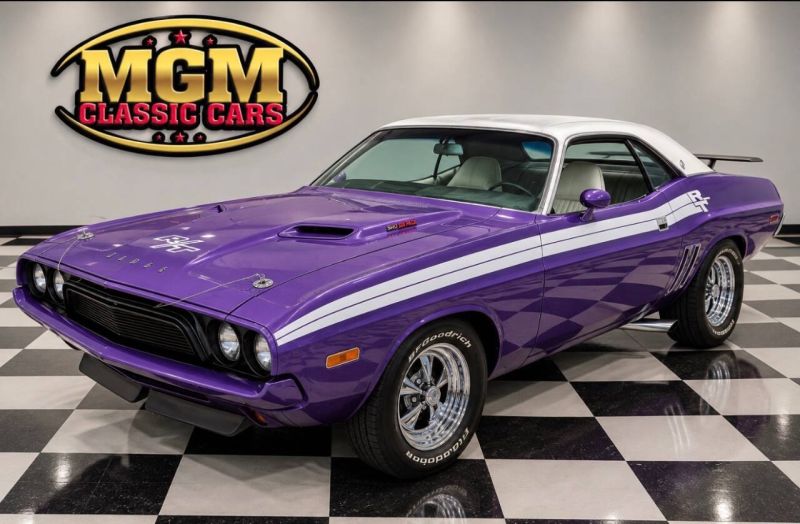
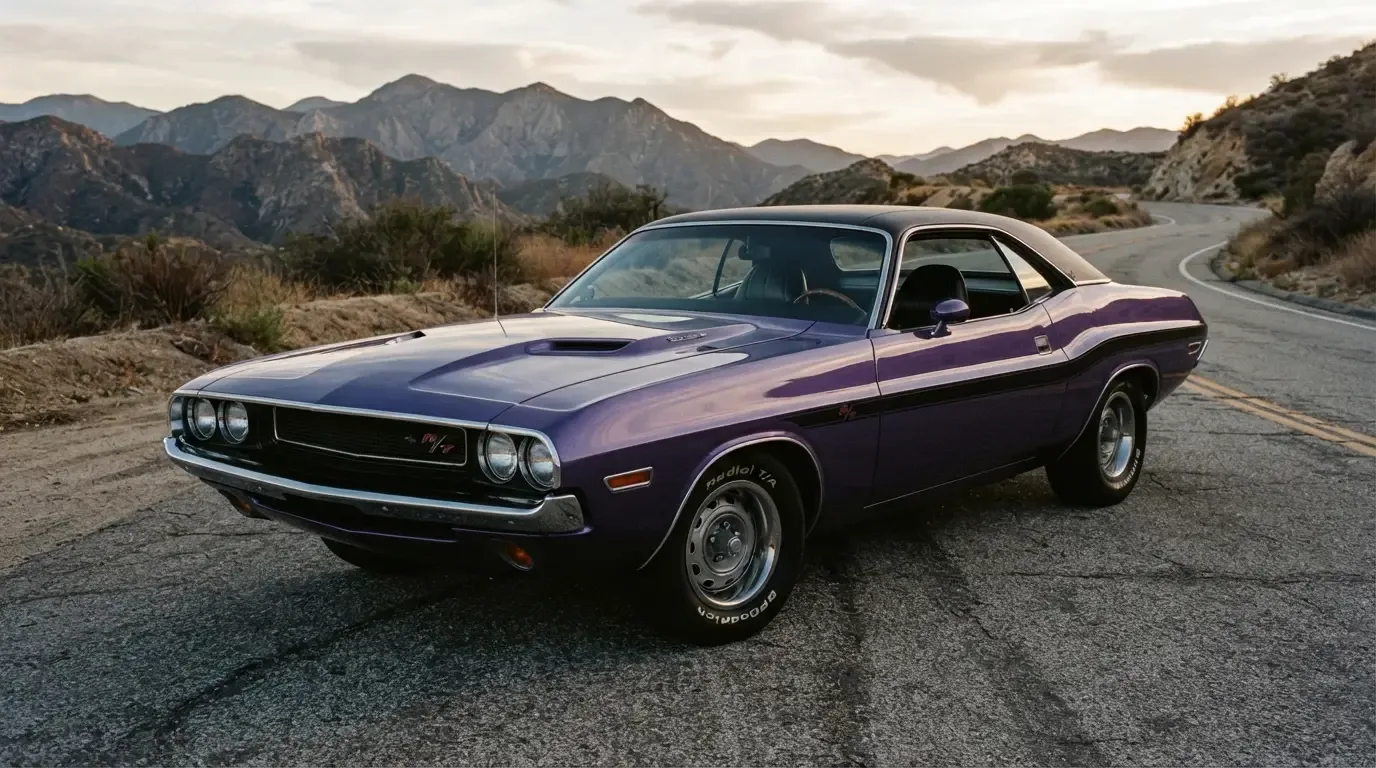
The 1970 Challenger wore a full-width grille with quad headlights integrated into a design that Dodge revised for 1971, changing the grille texture and, on some trims, splitting the headlight treatment. The taillight panel followed a similar pattern, a full-width design for the first year that gave the rear end a distinct look before running changes altered it in subsequent seasons. Neither change was dramatic on its own, but taken together they mean a 1970 Challenger reads differently from the front and rear compared to every model year that followed it, a detail that experienced collectors can spot from a distance without needing to check a VIN plate.
This kind of first-year-only styling is common across the muscle car era generally, since manufacturers frequently launched a design and then adjusted it based on dealer feedback and cost pressures almost immediately. What makes the Challenger's case notable is how many separate details changed at once heading into 1971, rather than one or two isolated tweaks.
Options that existed briefly and then vanished
Several engine and trim combinations available in 1970 either disappeared or were significantly reduced in availability by the following year as emissions requirements began tightening across the industry. The high compression ratios that made the 426 Hemi and other big block options so potent in 1970 started dropping in subsequent years as engineers adjusted compression to run on lower octane fuel and cleaner exhaust requirements. A 1970 Challenger ordered with a top-tier engine option represents a compression and output combination that Dodge was already backing away from within a model year or two, which is part of why these specific configurations carry outsized value among buyers who understand the timeline.
The color palette as a first-year fingerprint
The High Impact color names, Plum Crazy, Go Mango, Sublime, and their siblings, were part of a specific promotional push tied closely to the 1970 launch. Several of these names either changed or were dropped entirely within a year or two as Dodge rotated its color offerings, meaning a genuine 1970 Challenger in an original High Impact shade carries a paint code story that later Challengers, even ones painted a visually similar color under a different name, cannot claim. Collectors chasing documented originality treat this distinction seriously, since a repaint using a later color name applied to an earlier body is a very different car from one carrying its actual factory-correct 1970 code.
| First-year-only detail | Changed by |
|---|---|
| Full-width grille and headlight layout | Revised for 1971 |
| Full-width taillight panel | Revised for 1971 |
| High compression big block engines | Reduced through early 1970s emissions changes |
| Original High Impact color names | Several dropped or renamed within a year or two |
"Chrysler's own production records show the running changes heading into 1971 touched more details at once than most people assume. That is exactly why a genuine 1970 car reads differently once you know what to check."
- Tom Ramirez
Interior details that also marked the first year
The changes were not confined to sheet metal. Certain switchgear placements and dash trim details on the 1970 Challenger differed from what appeared in 1971 cars, part of the broader running changes Chrysler made across the line as it responded to both cost pressures and early feedback from dealers about assembly and part sourcing. A restorer working on a genuine 1970 car needs to know these interior distinctions as well as the exterior ones, since reproduction parts catalogs do not always distinguish clearly between what fits a first-year car and what fits the following year's revised parts bin. Getting this wrong during a restoration can leave a car looking correct at a glance while carrying details that would not have left the factory floor in 1970 at all.
This layering of small, specific changes across sheet metal, trim, and mechanical specification is exactly why serious buyers treat the 1970 Challenger first year as its own distinct research subject rather than folding it into a general early Challenger conversation. Each detail on its own might seem minor. Together, they draw a clear line between a genuine first-year car and everything that came directly after it.
Why first-year buyers cared, and why collectors care now
Original 1970 buyers were not thinking about future collector value, they were choosing a design that looked new and aggressive compared to anything else on a Dodge lot that year. But the very fact that Dodge revised so many details almost immediately afterward is what gives the first year its lasting significance today. A design element that lasted only one season before revision is inherently scarcer than one that carried through multiple years unchanged, and scarcity paired with genuine historical significance is exactly the combination serious buyers look for.
For a broader account of how the 1970 launch fits into the Challenger's development from platform decision through release, see where this started, which covers the full context behind these first-year specific choices.
Spotting a genuine first-year car in today's market
Because the details separating 1970 from 1971 are specific and well documented, verifying a genuine first-year Challenger is more straightforward than authenticating some other model year distinctions, provided a buyer knows exactly what to look for in the grille, taillights, and factory paint codes. That knowledge becomes valuable the moment you start comparing cars side by side, since asking prices between a documented 1970 and a similar-looking later model can vary considerably based on these first-year specifics alone. You can shop classic Challenger listings and use these first-year markers to separate the genuine article from cars that only look the part at a glance.
What all of this adds up to for a serious buyer
Taken individually, a grille pattern, a taillight panel, and a compression ratio might each seem like a minor footnote in a much larger production history. Taken together across a single model year that lasted only twelve months before Dodge started revising it, they form a genuinely distinct snapshot of what the Challenger looked like and how it performed before regulation and cost pressure reshaped the car. That snapshot quality is exactly what serious first-year buyers are paying for, not just a car, but a specific, unrepeatable version of it that Dodge itself only built once before moving on to the next iteration.