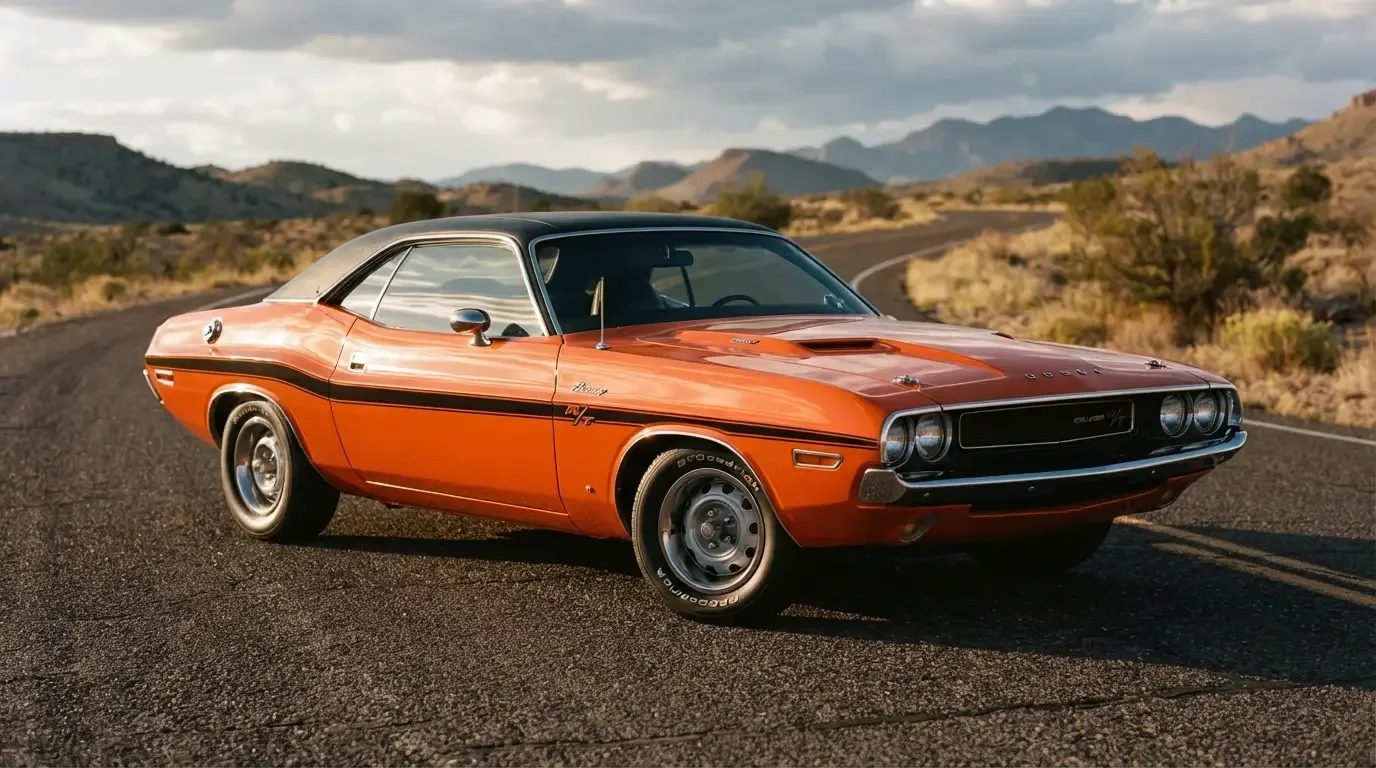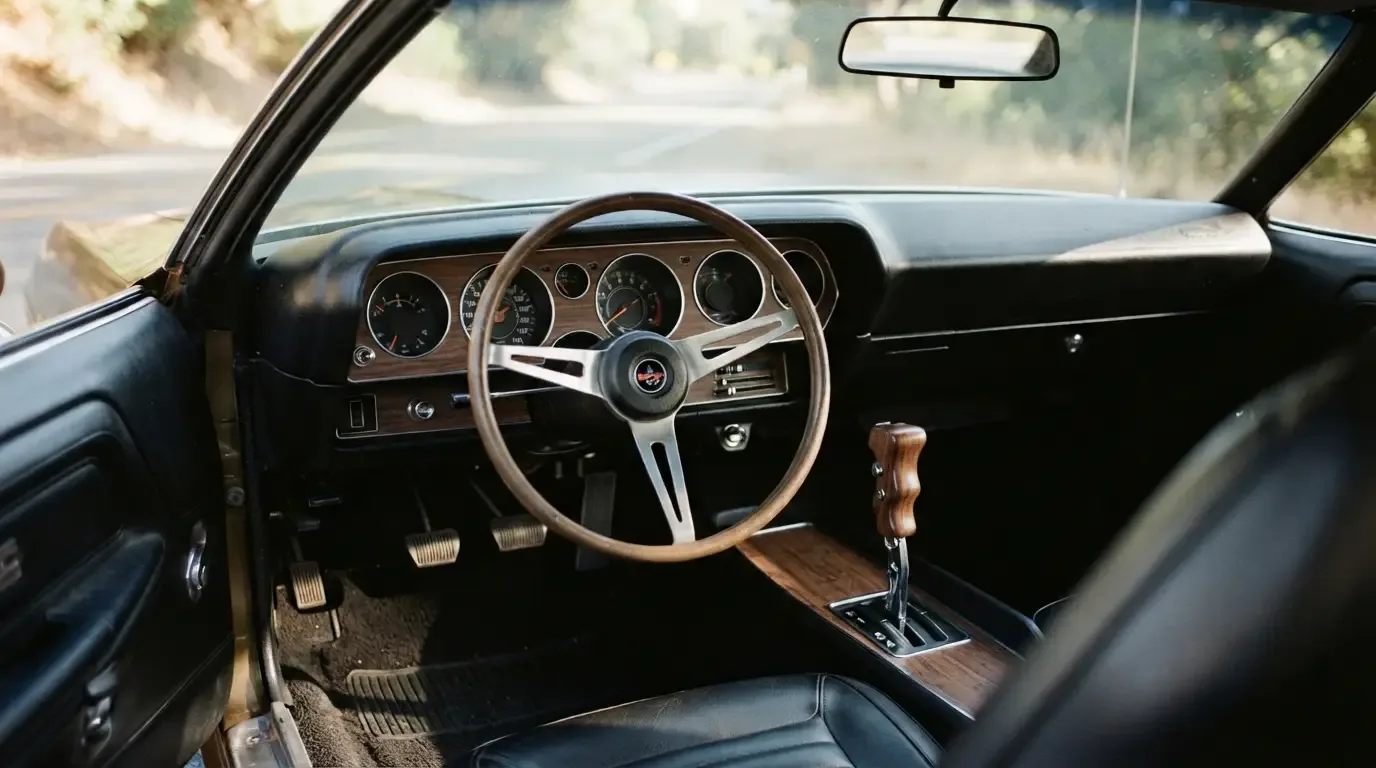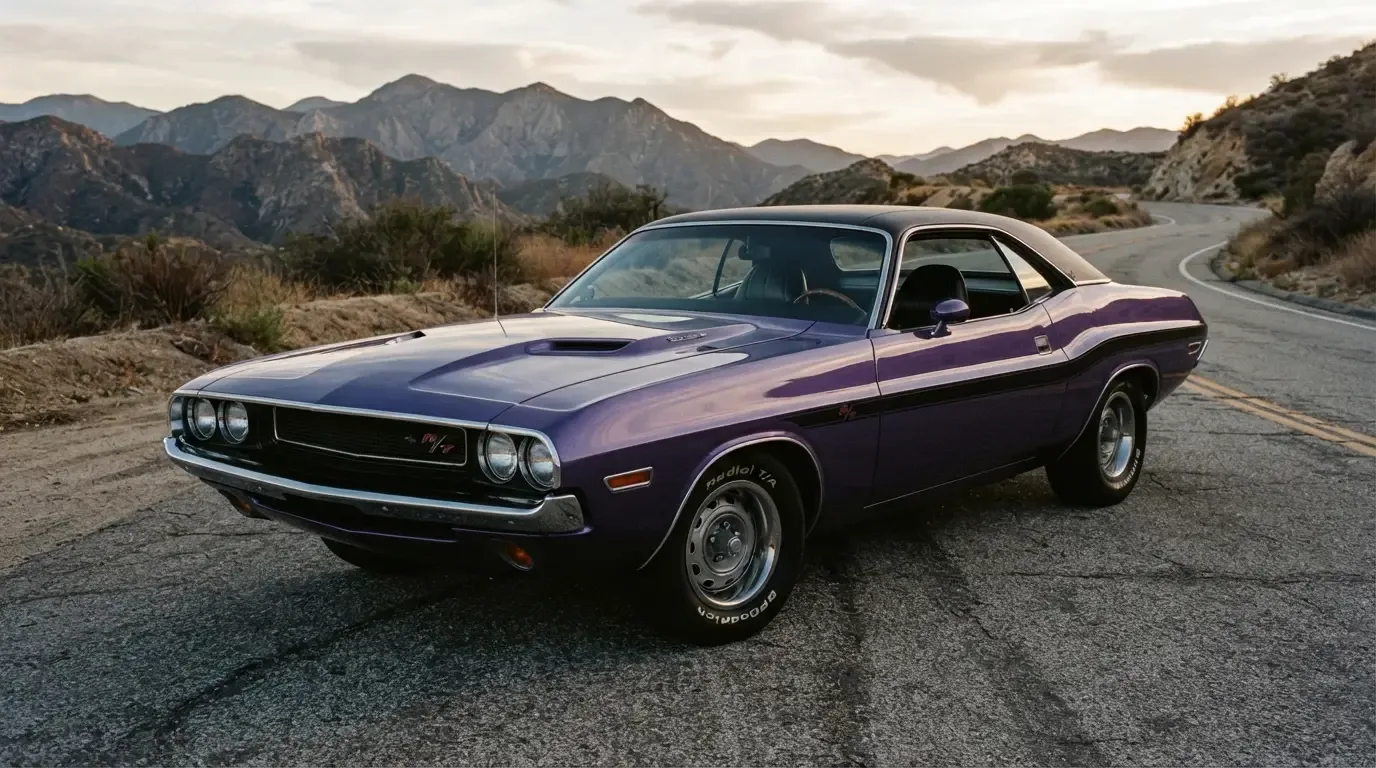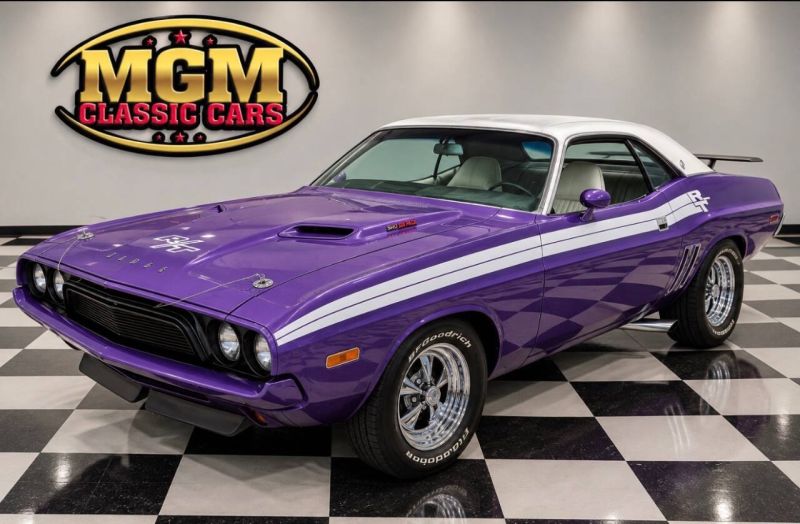
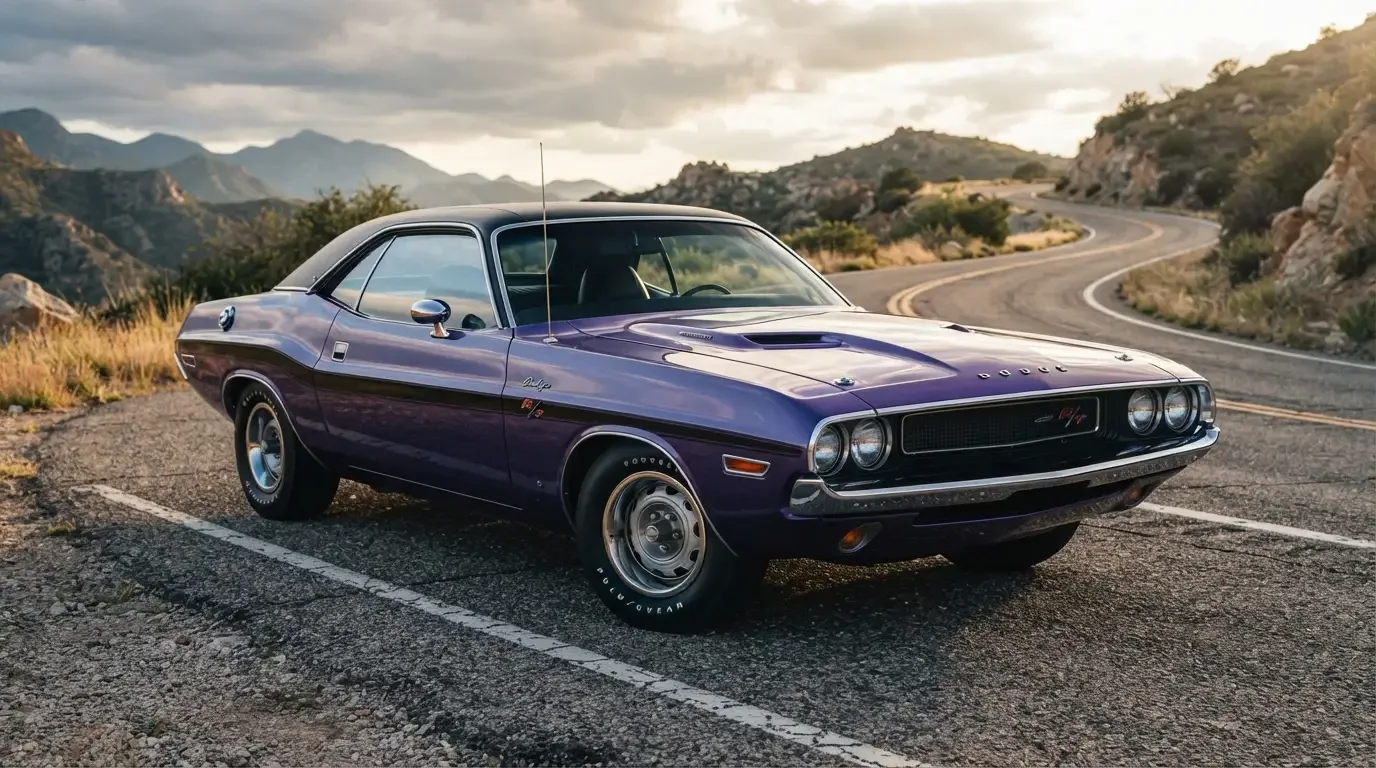
Flip through a 1970 issue of Hot Rod or Car and Driver and the Challenger advertising jumps off the page in a way most contemporary muscle car ads did not manage. Dodge was not selling a car so much as selling an attitude, and the copywriters behind that campaign understood something their competitors were slower to grasp: buyers in this segment did not want to be talked down to, they wanted to be dared.
The tone Dodge chose, and why it mattered
Most 1970 automotive advertising still leaned on comfort, prestige, or family practicality even when selling a performance car. Dodge's Challenger campaign went the opposite direction. Copy leaned into confrontation, competition, and a slightly cocky sense of humor that assumed the reader already understood what a Hemi or a 440 Six Pack meant without needing it spelled out in soft language. That confidence in the audience's knowledge was itself a form of respect, and it built loyalty among buyers who felt like Dodge was speaking their language rather than translating performance into something more palatable for a general audience.
Print ads frequently paired the car with bold color blocking that mirrored the High Impact paint names themselves, Plum Crazy purple backgrounds, Hemi Orange typography, layouts that behaved less like a traditional automotive brochure and more like a poster a teenager might actually want to tape on a bedroom wall. That was not an accident. Dodge understood exactly who was reading these magazines and who was making the purchase decision even when a parent's name ended up on the loan paperwork.
Selling a menu, not a single car
Because the Challenger came in such a wide range of configurations, from a basic six-cylinder coupe through the 426 Hemi, the advertising had to work harder than a single-message campaign for a car with fewer options. Dodge solved this by treating the lineup itself as the selling point, running ads that emphasized the breadth of the options sheet almost as much as any individual engine. The message was consistent: whatever kind of driver you are, there is a Challenger built specifically for you, and the assumption baked into that pitch was that every buyer secretly wanted the wildest version even if their budget steered them toward something milder.
Television spots and the sound of the pitch
Television advertising for the 1970 Challenger leaned heavily on engine sound and movement over dialogue, letting the exhaust note and the visual of the car in motion do work that scripted copy could not replicate. This was a deliberate choice consistent with how the entire muscle car segment advertised in this period, since the emotional appeal of these cars rested on sensation as much as specification. A viewer did not need to understand torque figures to react to the sound of a big block winding out on screen, and Dodge's spots capitalized on that reaction directly.
| Campaign element | Approach |
|---|---|
| Print tone | Confident, confrontational, assumed audience knowledge |
| Visual palette | Matched High Impact paint names in layout design |
| Core message | A Challenger exists for every kind of driver |
| TV emphasis | Engine sound and motion over scripted dialogue |
"The ads never explained the car to you. They assumed you already wanted it and just needed to know which color to circle in the brochure."
- Sarah Whitfield
How it compared to Ford and Chevrolet's approach
Ford's Mustang advertising in the same period leaned heavily on the car's cultural head start, trading on nostalgia for the original 1964 launch and a sense of established heritage that the Challenger, as a new nameplate, simply could not claim yet. Chevrolet's Camaro campaigns split their attention between performance bragging rights and a broader appeal aimed at buyers who wanted sporty styling without full muscle car commitment. Dodge's Challenger advertising occupied a narrower, more confident lane than either rival, betting that a buyer already sold on performance did not need heritage or broad appeal, just confirmation that Dodge understood exactly what that buyer wanted.
That narrower bet paid off in brand loyalty even if it never matched Mustang's raw sales volume. Owners who bought into the Challenger's advertising tone in 1970 tended to stay loyal to the nameplate through subsequent purchases, a pattern dealers noticed and one that later Dodge marketing campaigns tried consciously to replicate, with mixed results, as the muscle car era wound down through the following years.
How the campaign shaped the car's reputation long term
Advertising from a single model year rarely defines a car's reputation for decades, but the 1970 challenger advertising push did exactly that. The confident, options-forward pitch established a personality for the Challenger nameplate that outlasted the specific paint colors and gauges being sold in any given year. Collectors today still describe the car using language that echoes that original campaign, framing it as a car built for a driver who already knows what they want rather than one that needs convincing. That kind of lasting brand impression is rare, and it speaks to how well Dodge's marketing team understood the audience they were writing for at the time.
For the broader context behind why Dodge felt confident enough to advertise this way in the first place, our earlier piece covers the whole picture of how the 1970 model came together from engineering through launch.
What the ads promised, and what still holds up
Reading these campaigns decades later, what stands out is how little exaggeration they actually required. The cars backed up the confidence of the copy, and that alignment between promise and product is a big part of why the advertising still reads as genuine rather than dated hype. If those old magazine pages put you in the mood to see what survives, you can find a classic Challenger and compare how today's market values the same confidence Dodge was selling all along.
Why the ads still get collected on their own
Original 1970 Challenger print advertisements have become collectible in their own right, changing hands among Mopar enthusiasts who never even owned the car but appreciate the artwork and the era it represents. That secondary collecting market did not exist for most automotive advertising from the period, and its existence here says something about how effectively Dodge's team built material that outlasted its original commercial purpose. A well-preserved magazine spread from that campaign now sells for real money at swap meets, framed and hung in garages alongside the cars themselves, treated less like disposable marketing and more like a genuine artifact of the era.
Part of that appeal comes from scarcity. Magazines get thrown away, spines crack, pages get torn out and pinned to walls until they fade past display quality. A complete, unclipped issue with the original Challenger spread intact is genuinely harder to find in good condition than the cars themselves in some cases, and dedicated collectors now hunt specific issues the same way they hunt specific paint codes on the cars, treating the print run itself as a finite, collectible resource rather than disposable paper.