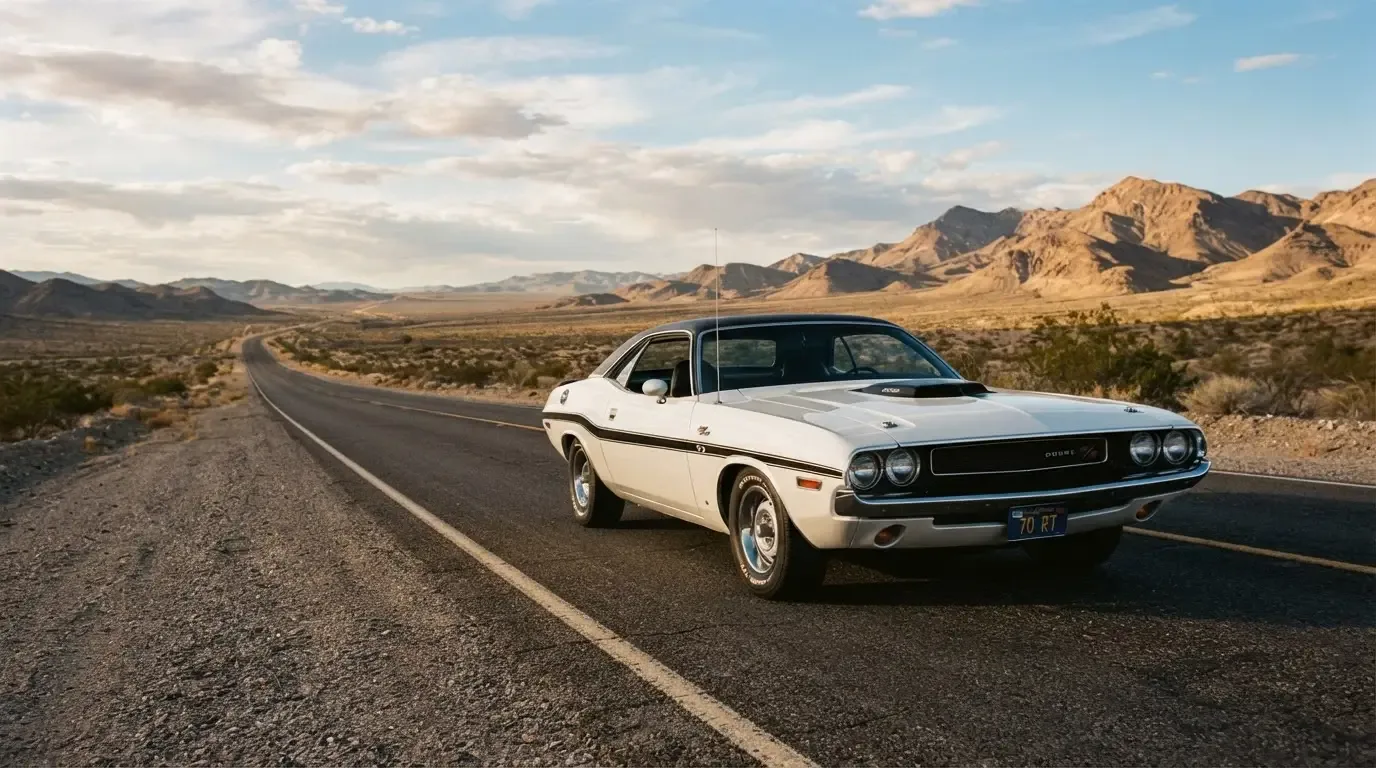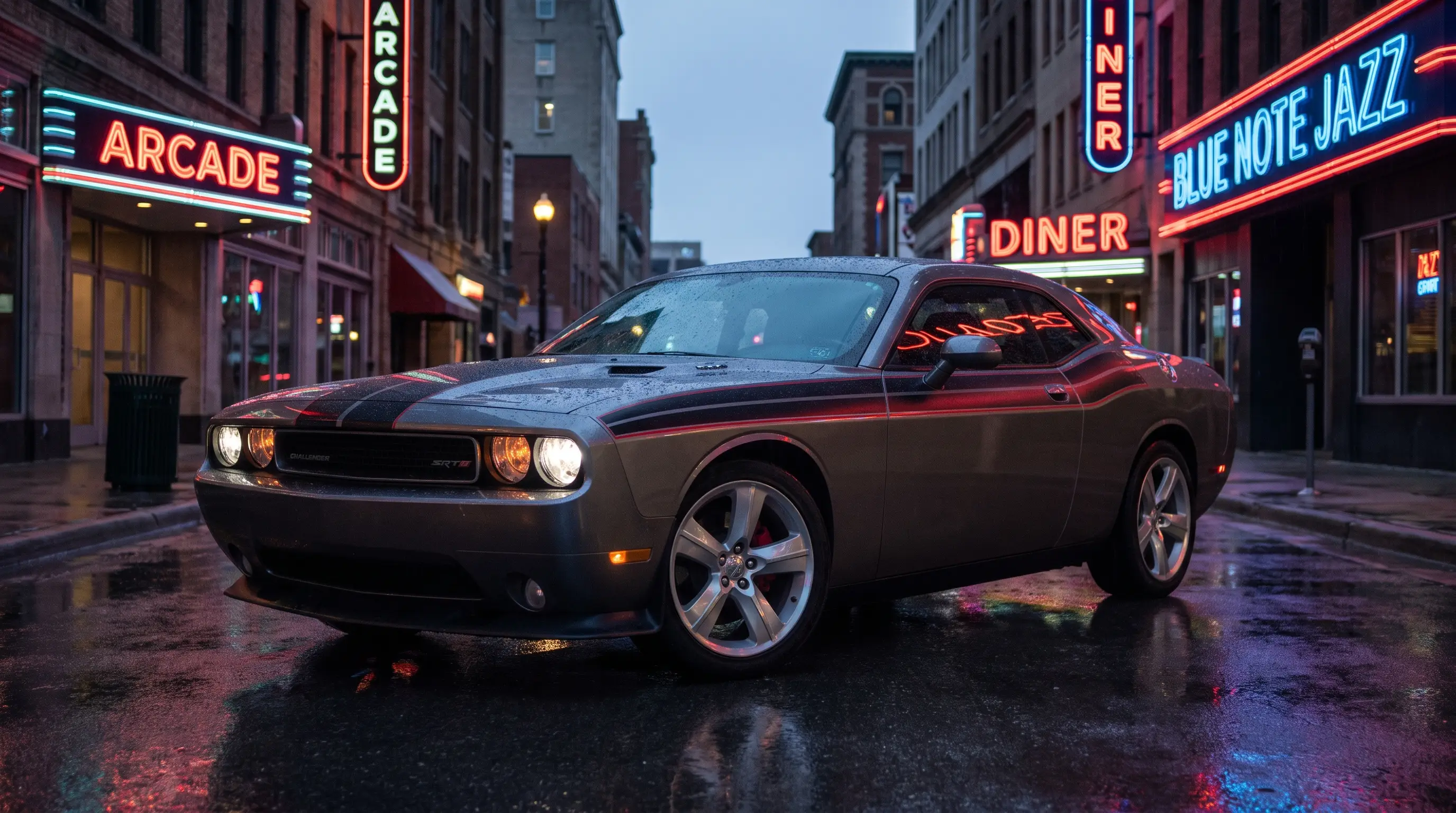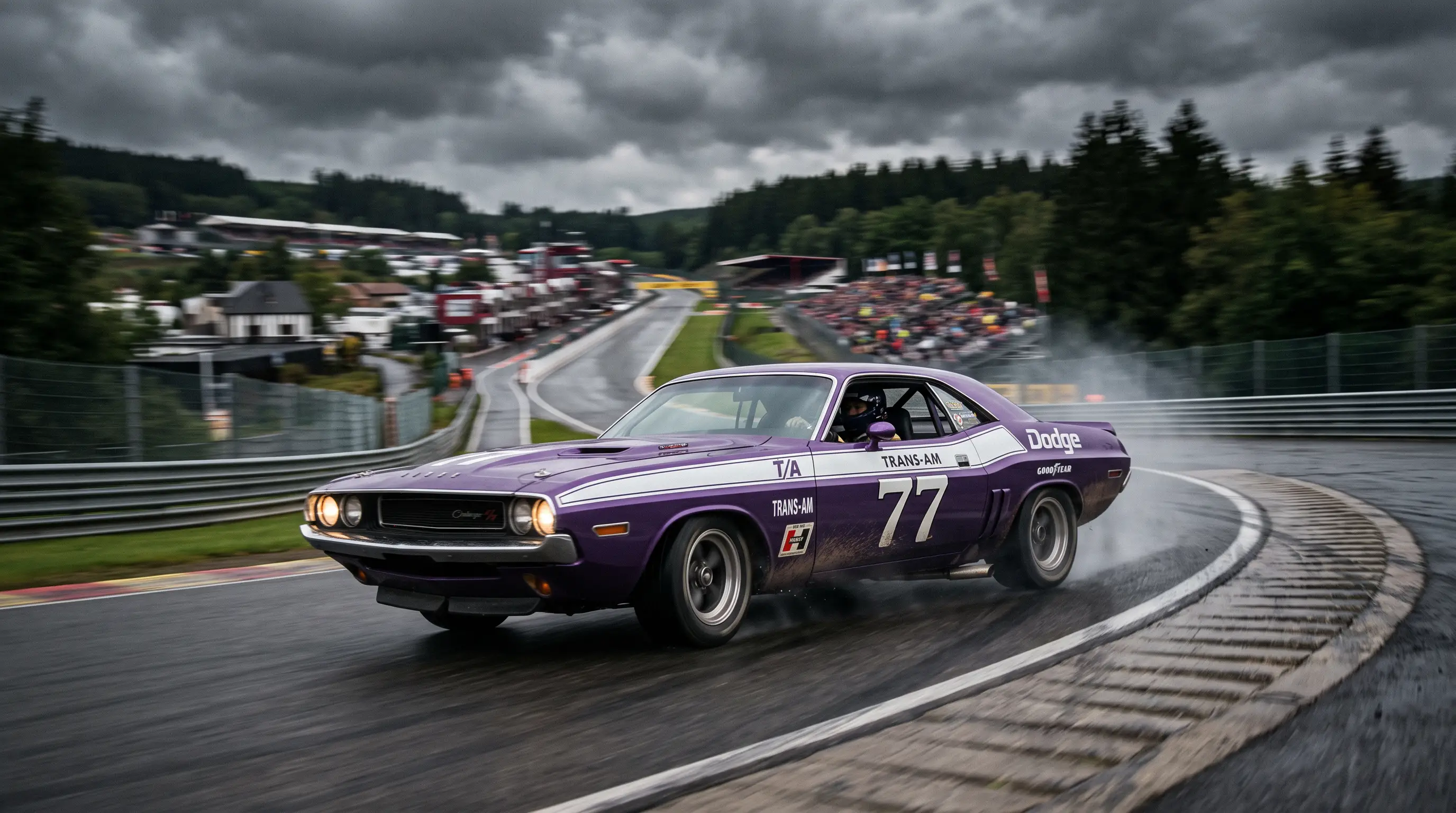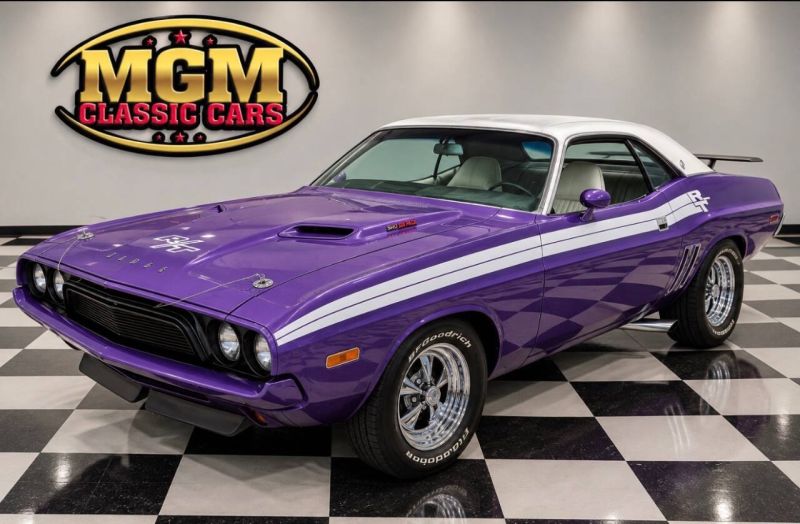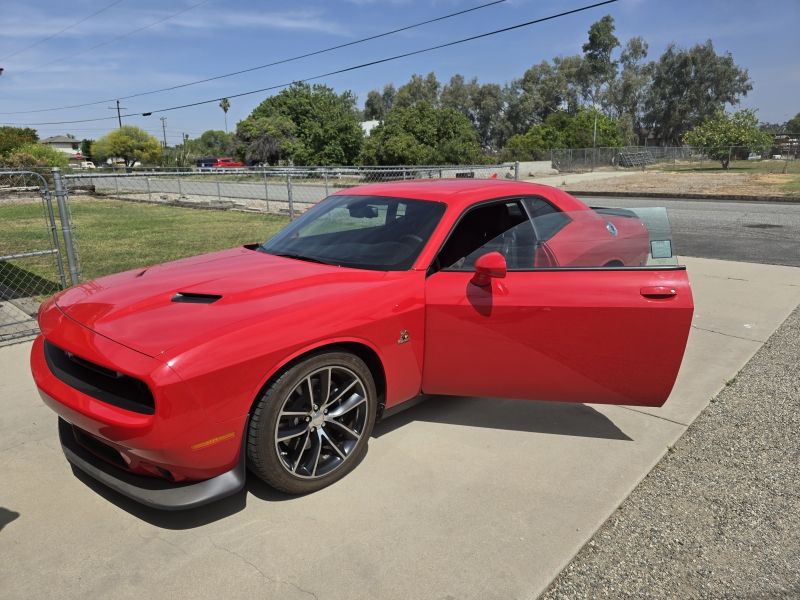
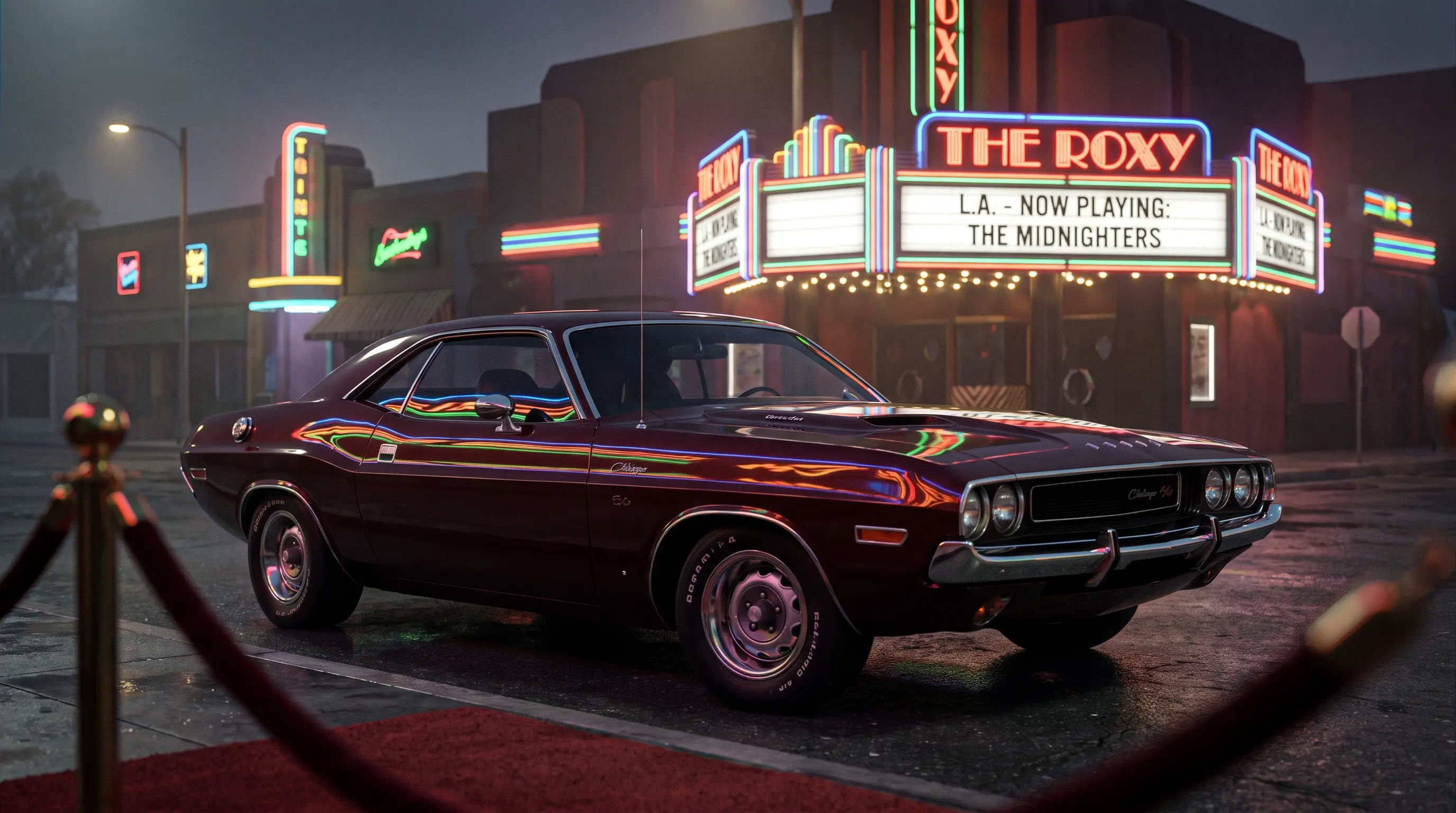
A parked Dodge Challenger draws a crowd for reasons that have nothing to do with horsepower figures or build sheets. It draws a crowd because somewhere in the back of people's minds is a memory of who else has owned one. Celebrity challenger owners have shaped how the public sees this car almost as much as the factory brochures did, and that influence started almost the moment the Challenger left the showroom floor in 1970.
Musicians got there first. The Challenger arrived at the tail end of a decade that had turned rock stars into car buyers with real money and real taste, and Dodge dealers in Los Angeles and Nashville sold a fair number of R/T models to people whose day job was standing in front of a microphone. The car photographed well, it sounded better than it photographed, and it fit a certain image of a young star who had outgrown a Corvette but was not ready for a Cadillac. That image mattered more than any single transaction, because it told the buying public the Challenger was a car for people who could have anything and chose this.
Actors behind the wheel
Hollywood adopted the Challenger with equal enthusiasm, and not just as a prop. Several working actors in the early 1970s bought Challengers as personal cars, away from any studio publicity department, which is a different kind of endorsement than a paid placement. A car chosen off the lot with the owner's own money says more about genuine appeal than a car handed over by a marketing team.
The film industry's fingerprints on the Challenger's reputation run deeper than any one actor's garage, of course. The car's screen work put it in front of millions of people who never set foot in a Dodge showroom, and that exposure created its own gravity. Once a car has been seen doing something dramatic on a movie screen, real people want to be seen doing something dramatic in one too, even if the dramatic thing is just merging onto the highway on a Tuesday morning. Several owners over the decades have told the same story: they bought the car because of a movie, and only later fell in love with the mechanical reality of it.
"Nobody buys a Challenger because it's a rational choice. They buy it because they saw somebody they admired standing next to one, and some part of that stuck."
- Patrick Walsh
Athletes and the muscle car market
Professional athletes, particularly in football and boxing, were another visible customer base for the early Challenger. A high-earning athlete in 1970 wanted something that announced arrival without the formality of a luxury sedan, and the Challenger split that difference neatly. It had the presence of a status symbol and the attitude of a street fighter, which suited a certain kind of public figure who wanted to be taken seriously and enjoyed at the same time.
This athlete connection also explains part of why so many Challengers from that era show up at charity events and celebrity car shows today. A car once owned by a recognizable name carries a story that collectors are willing to pay for, and dealers and auction houses learned quickly that provenance sells almost as hard as condition does. A stock 1970 Challenger R/T is a fine car. A 1970 Challenger R/T with a documented celebrity chain of ownership is a different animal entirely in terms of both price and attention.
Why the connection still matters
Celebrity ownership did something subtle to the Challenger's identity that outlasted any single famous name attached to it. It positioned the car as aspirational rather than merely functional, at a time when Detroit's muscle car segment was crowded with competitors making similar horsepower claims. The Challenger needed a hook beyond the spec sheet, and famous owners gave it one without Dodge spending a dime on the endorsement.
That halo effect persists in the modern collector market. Buyers researching a car's history still ask about prior owners, and while most Challengers on the market never touched a famous hand, the mythology built by the ones that did colors how the whole model is perceived. Understanding that mythology is part of understanding the whole picture of how this car earned its reputation, because celebrity ownership and screen exposure fed each other for years, each making the car more desirable to the next generation of buyers.
The magazine covers versus the driveway
There is a gap worth acknowledging between the celebrity Challengers that made magazine covers and the far larger number that sat quietly in driveways owned by people whose fame never got attached to the paperwork. Car magazines in the early 1970s loved running a photo of a famous face leaning on a fender because it sold copies, and that meant a handful of well-documented cars got repeated exposure while dozens of equally significant purchases went unrecorded. A working musician touring through Memphis who traded in a Challenger for cash never made the press. That does not make the car any less a part of the story, only a quieter part of it.
This gap matters for buyers today because it means provenance claims deserve real scrutiny. A seller who says a car once belonged to somebody famous, without a title chain or photographic evidence to back it up, is selling a story rather than a fact. The genuine celebrity cars that surface at auction almost always come with paper trails, insurance records, or period photography that ties a specific VIN to a specific owner. Anything less is folklore, interesting to hear but not something to pay a premium for.
Finding your own piece of the story
You do not need a famous name in the paperwork to own a car with the same appeal that drew celebrities to the Challenger in the first place. The E-body platform's mix of style, sound, and presence was real, not manufactured by publicity. What the famous owners recognized in 1970 is still there in a well-kept example today, and the market for these cars has only grown more serious about documentation, originality, and condition as the decades pass.
If the pull of that history has you thinking about ownership rather than just admiration, you can find a classic Challenger that fits your budget and your patience for a project. Some buyers want the turnkey car ready for a Saturday cruise, others want a garage project they can build into something personal, and the Challenger market has room for both approaches. Either way, you would be joining a line of owners that includes a fair number of famous faces and a much larger number of people who simply understood what all the attention was about.