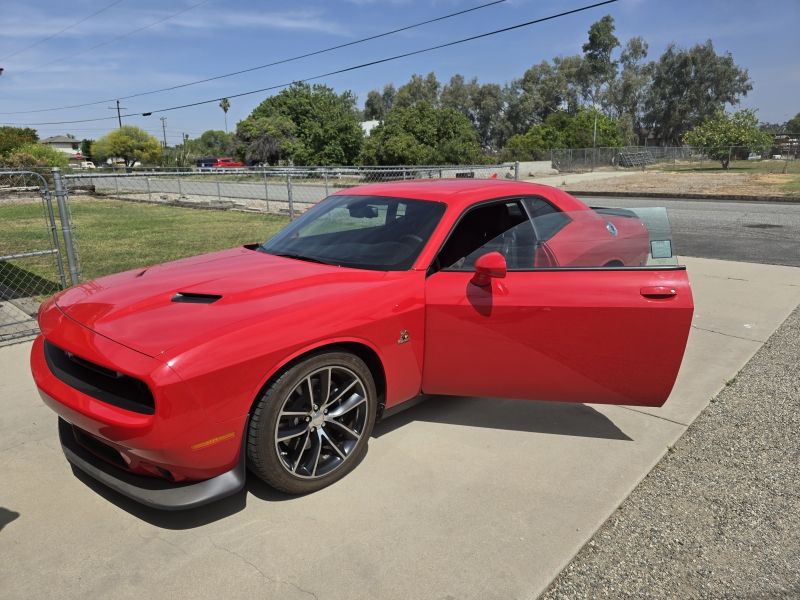
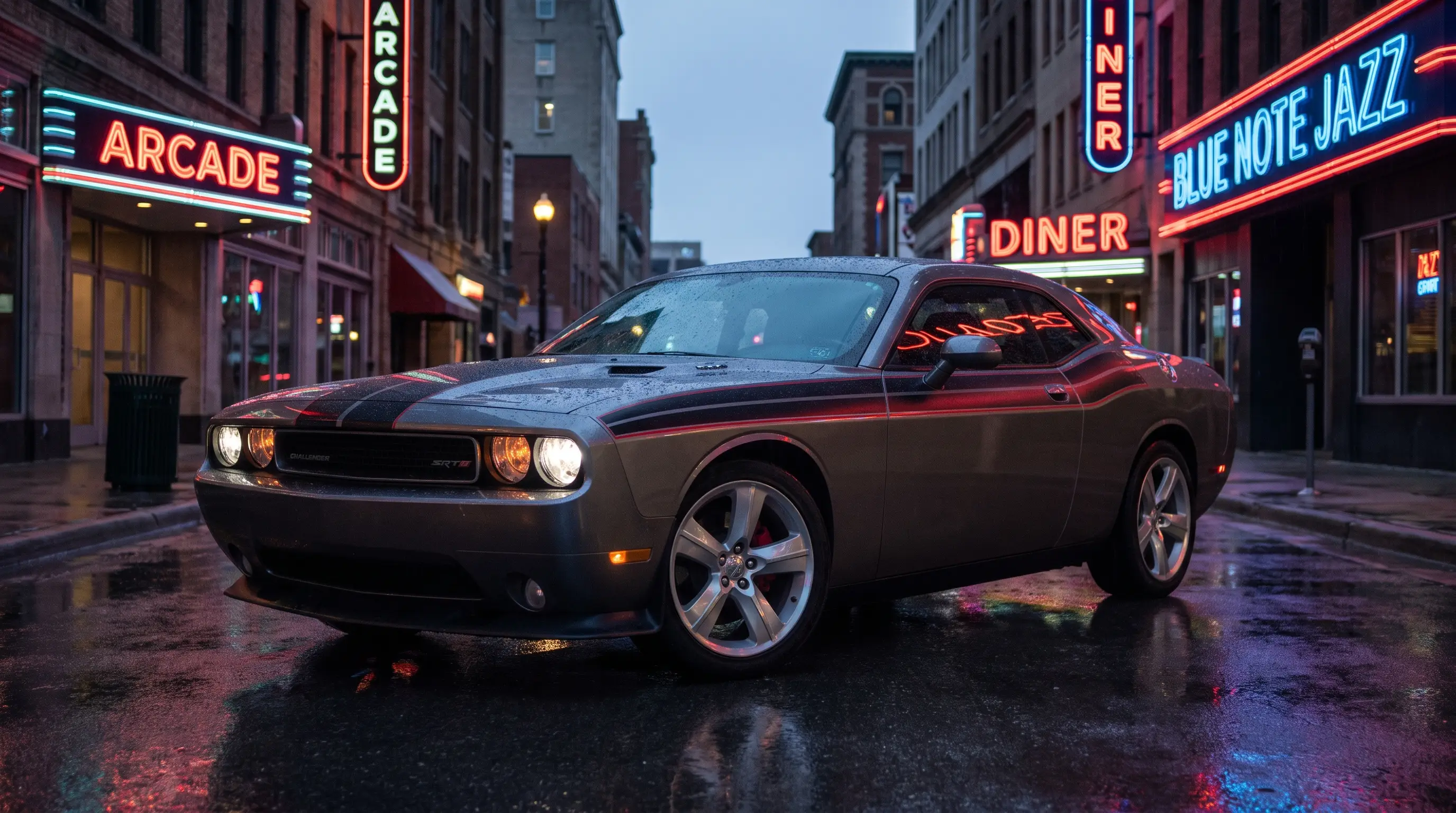
When Dodge brought the Challenger nameplate back for the 2008 model year, after a gap of nearly three decades, the design team had a choice most car companies never get. They could build something entirely new and call it a Challenger out of brand convenience, or they could look hard at what made the original body work and translate it, panel by panel, into a modern platform. The original challenger retro design won that argument decisively, and the 2008 car reads today as one of the more faithful retro reinterpretations to come out of Detroit's mid 2000s nostalgia wave.
What the design team actually borrowed
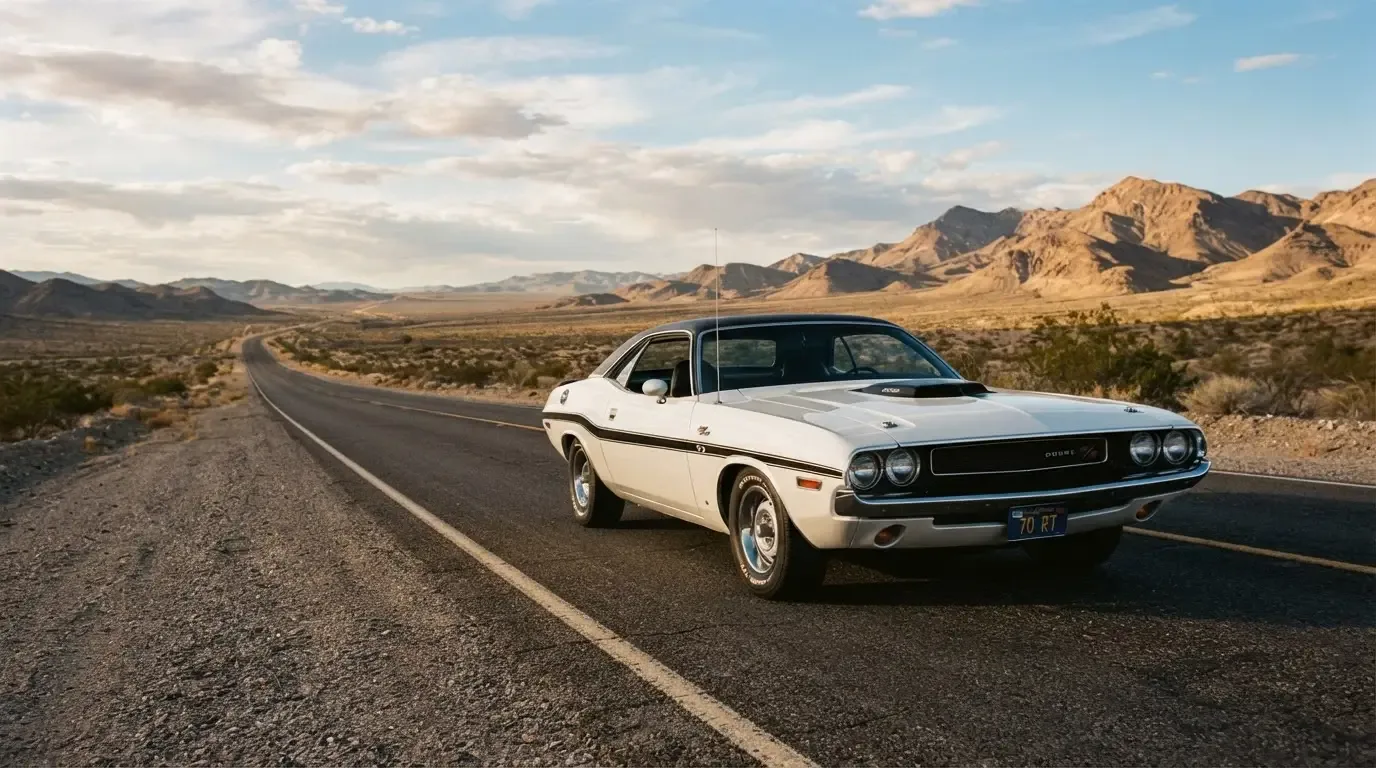
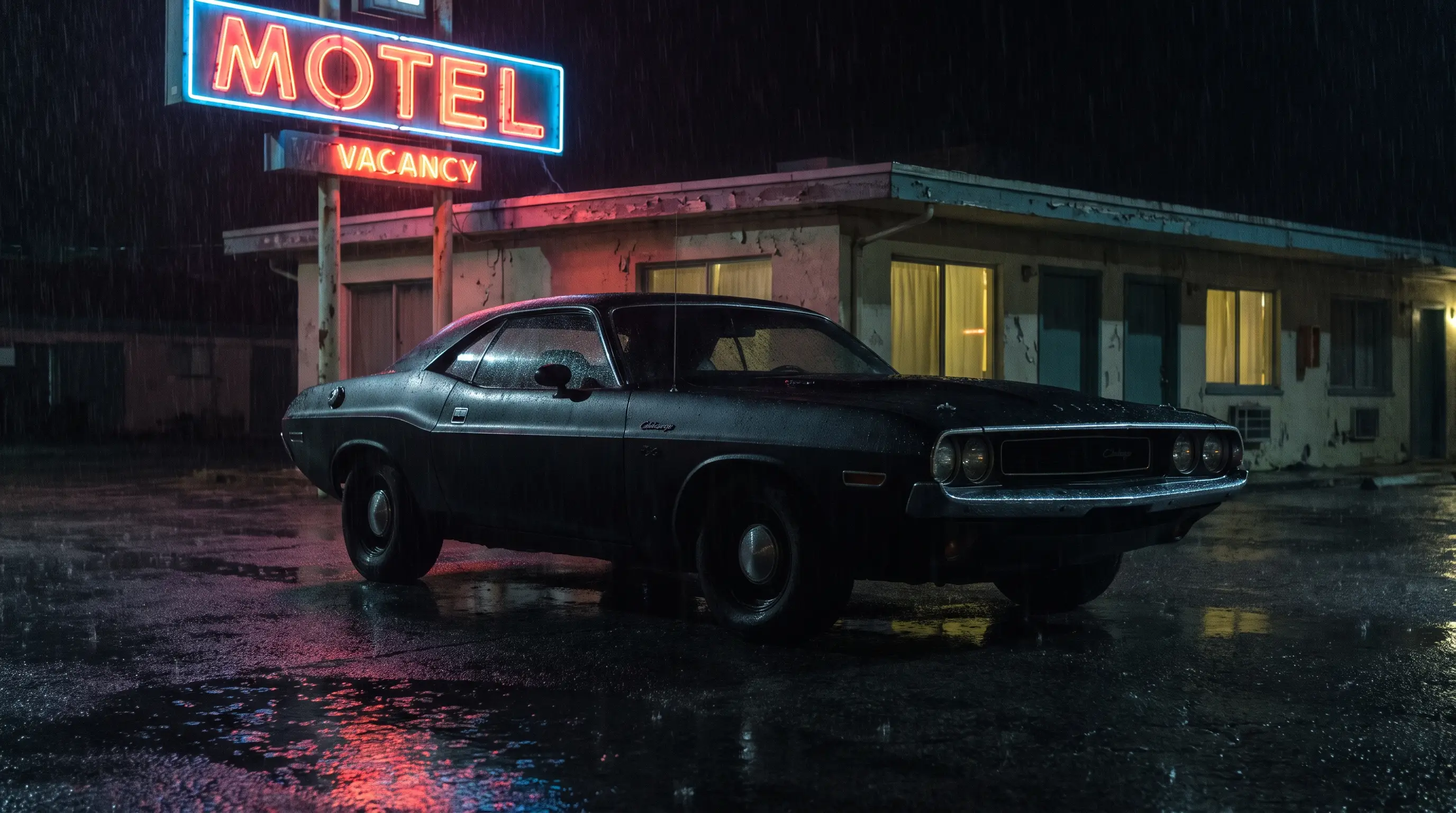
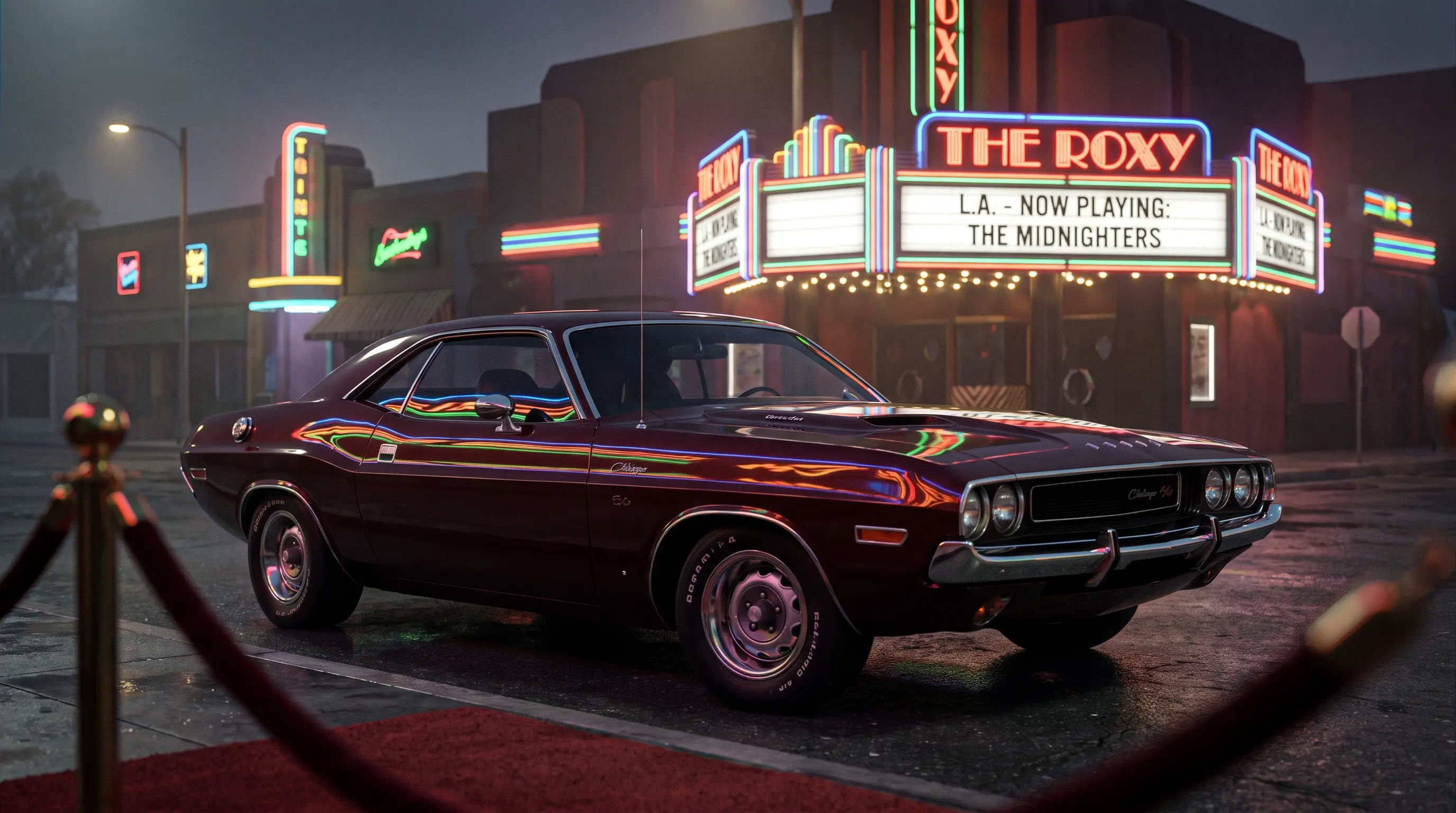
The clearest inheritance from the 1970 body is the flat, wide hood and the way the front fenders sit almost level with it, a proportion that had mostly disappeared from mainstream car design by the 1990s in favor of more sloped, aerodynamic front ends. The 2008 Challenger brought that flatness back deliberately, along with round headlights set into a simple grille opening that echoes the original without copying it exactly. The rear end took a similarly direct approach, a full width tail light bar that nods to the 1970 through 1974 cars without being a literal reproduction of any single model year's exact lighting design.
What the design team avoided is just as telling as what they kept. They did not chase the smaller, more compact proportions of the earliest Challenger. The modern car is noticeably larger in every dimension, a reality of contemporary safety regulation and market expectation that no amount of nostalgia could design around. Instead of pretending otherwise, the retro design leaned into the extra size, treating the modern Challenger's larger footprint as a chance to make the flat hood and low beltline even more dramatic than the original could manage on a smaller chassis.
Vanishing Point as an unavoidable reference point
No design team working on a Challenger reboot in the 2000s could have ignored Vanishing Point history, the film had spent thirty five years cementing the white 1970 R/T as the platonic ideal of what this car was supposed to look like in the public imagination. Dodge leaned into that reference directly, offering the 2008 car in a stark white paint option that enthusiast media immediately connected back to Kowalski's car. Chrysler made the connection explicit itself the same year, building a white 2008 Challenger SRT8 specifically as a Vanishing Point tribute car for its entry in the One Lap of America event. Vanishing point challenger history had, by that point, become as much a part of the car's identity as anything that came out of the original engineering department.
How enthusiasts reacted to the retro approach
Reaction from longtime Challenger owners split along fairly predictable lines. Purists who valued the original's simplicity and lighter weight were skeptical of a car that shared a name but weighed considerably more and carried a completely different platform underneath its skin. Other longtime fans, particularly those who had spent years watching Mustang and Camaro get their own retro treatments first, welcomed a modern Challenger that at least tried to honor the original silhouette rather than abandoning it entirely the way some earlier design eras had done to other nameplates.
The retro design also opened a door for a new generation of buyers who had no direct memory of the original car but had absorbed its reputation through film, music, and toy culture, a related story in its own right covering how deep that cultural footprint actually runs. For a lot of these newer fans, the 2008 reboot became a gateway into learning about the original, rather than a replacement for wanting one.
"You can tell the design team actually studied the original car instead of just licensing the name. The proportions are honest about where they came from."
- Patrick Walsh
What the retro car did for the original's market
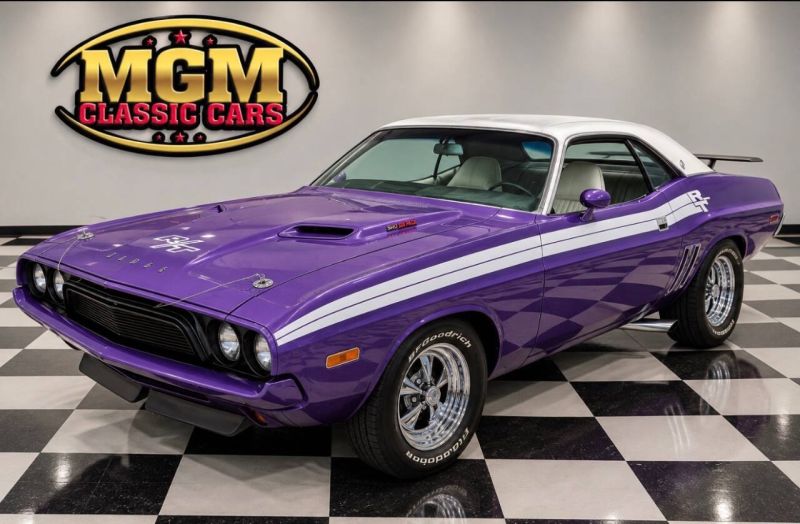
A well executed retro design tends to do one of two things to the original car's collector market, either it satisfies demand cheaply enough that interest in the original cools, or it reintroduces the shape to a wider audience and pulls new buyers toward the real thing once they have money and patience for a project car. The Challenger's retro launch leaned toward the second outcome. Media coverage of the 2008 model consistently name checked the original's film history and production numbers, sending a portion of newly interested buyers looking specifically for a genuine 1970 through 1974 car rather than settling for the modern reproduction. Anyone who went looking afterward found that Challengers for sale now span everything from rough project cars to fully documented numbers matching examples, a range the retro launch helped put back on more people's radar.
Colors as another form of continuity
Paint was one of the more direct ways the 2008 relaunch connected itself to the original run. Dodge brought back several of the high impact color names from the early 1970s color chart, offering modern paint formulations under the same evocative naming convention that had made the original lineup so memorable. That decision was not purely nostalgic marketing. It gave longtime enthusiasts a genuine point of continuity, a shared vocabulary between old car and new car that went beyond the shape of the sheet metal into the actual language used to describe it on a window sticker.
For an enthusiast who grew up around the original cars, seeing a familiar color name applied to a modern dealership option was a small but real signal that the design team understood the emotional weight riding on decisions that had nothing to do with horsepower or handling. Color, it turns out, carries almost as much brand memory as silhouette does, and the 2008 relaunch treated it with the same seriousness it applied to the sheet metal.
A retro design that earned its name
Plenty of nameplate revivals borrow a name and little else, banking on brand recognition rather than any real design continuity. The 2008 Challenger did more homework than that, and it shows in details a casual observer might miss but a longtime owner of the original notices immediately, the flat hood, the fender line, the restraint in not over decorating a shape that always worked better plain. Whatever else changed underneath the sheet metal over the following years of production, the design team got the one thing right that actually mattered to the car's reputation. They understood what made the original look the way it did, and they built on that instead of around it. That is a harder thing to pull off than it sounds, and it is the reason the 2008 relaunch still gets cited as one of the more successful retro designs of its era rather than a cautionary tale about trading on an old name.
Sources and notes
- Dodge Challenger (2008) - Wikipedia
- 2008 Challenger Officially Unveiled at Chicago Auto Show - Old Cars Weekly
- Vanishing Point Returns - Automobile Magazine
- Dodge pays homage to Vanishing Point with the Kowalski Edition Challenger
- Chicago Auto Show, with the Dodge Challenger unveiling, 2008 - Allpar