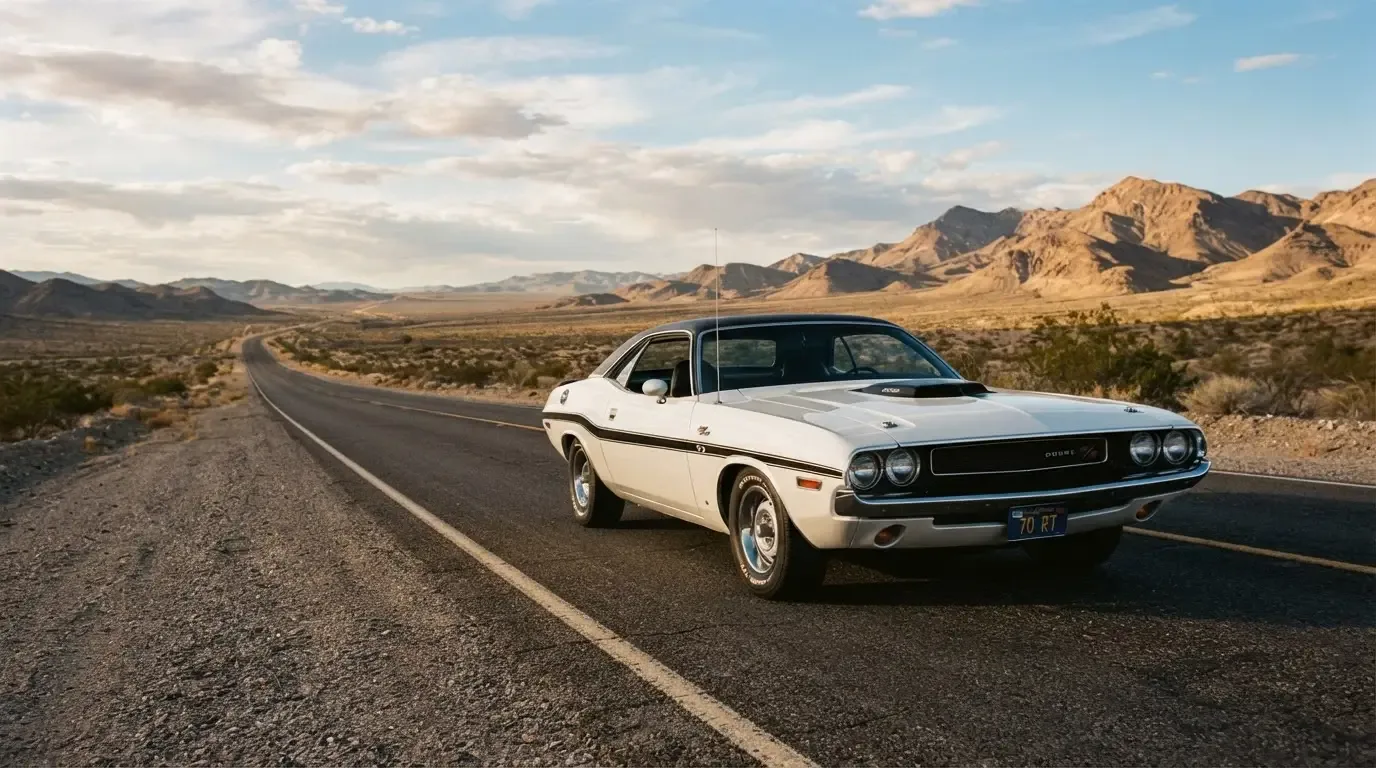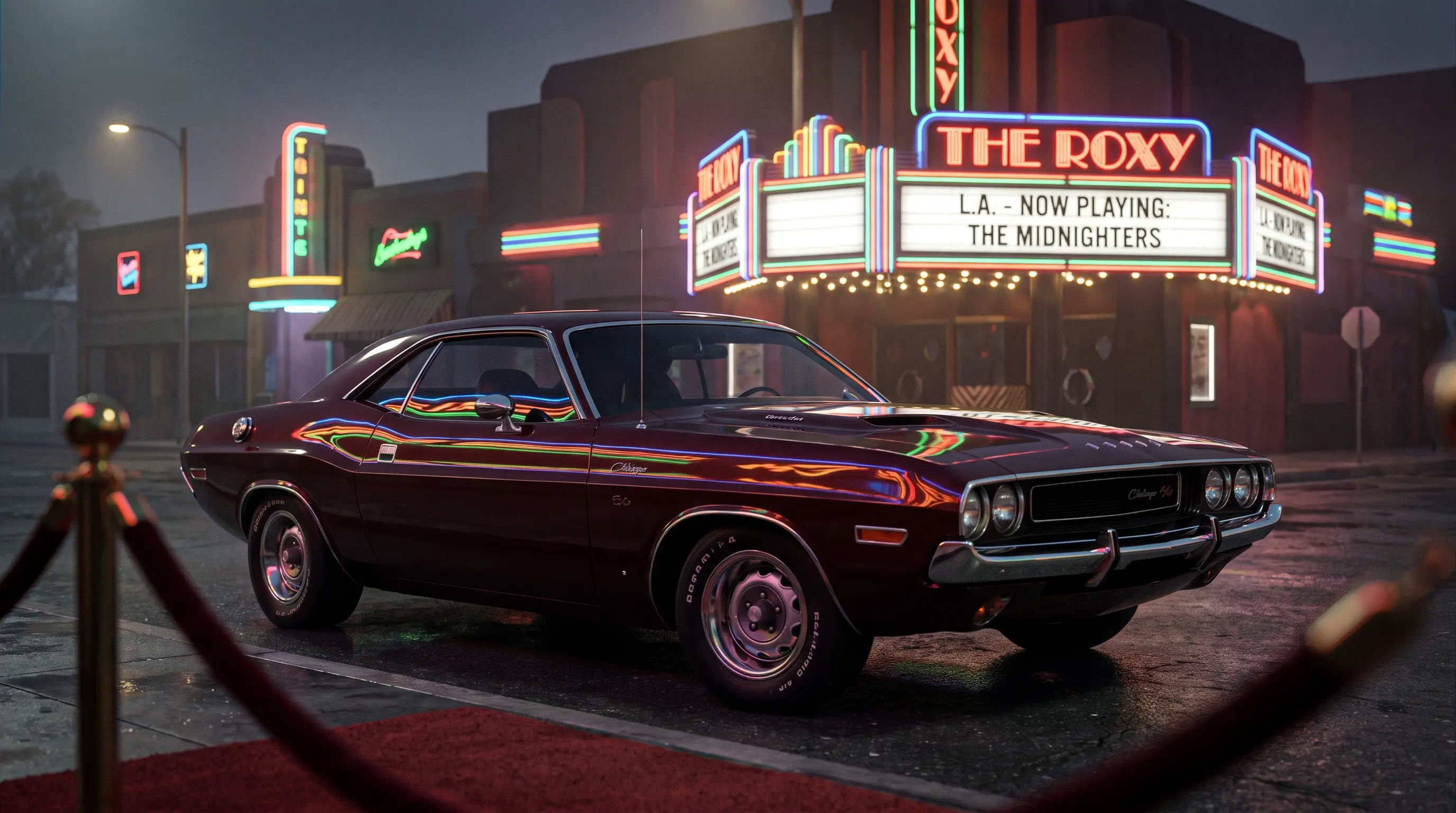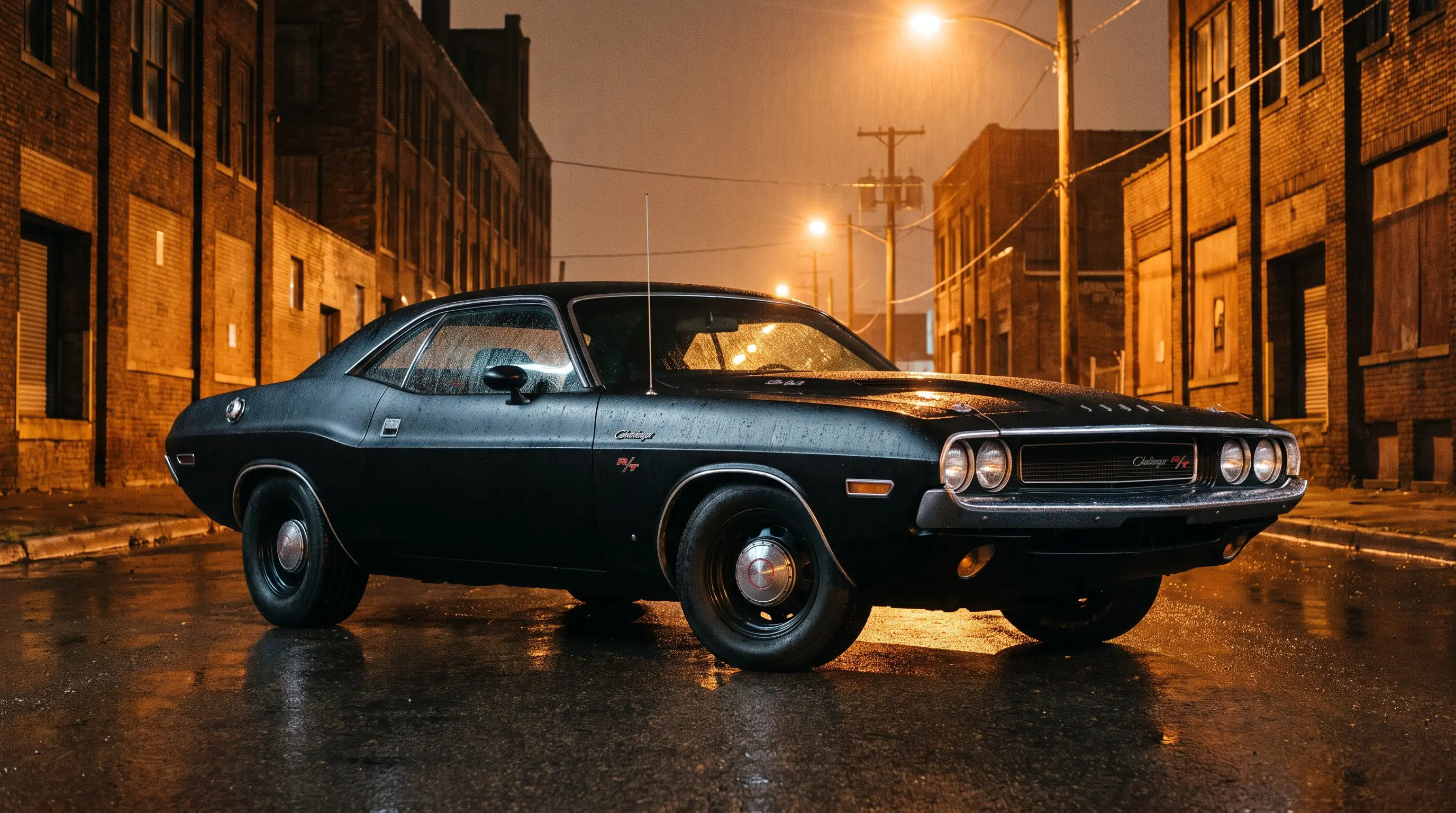
Most folks talking about the Dodge Challenger's cultural impact stay parked on American soil, and that's a mistake. This car got exported, imported, copied, and chased overseas in ways that don't show up in the domestic sales brochures. If you want the real reach of the Challenger, you have to look past the interstate and out toward the ports.
Where the export cars went
Dodge and its parent Chrysler had dealer networks scattered across Europe, Australia, and parts of Latin America by 1970, and a handful of Challengers found their way into those markets through official and unofficial channels alike. Australia in particular had an appetite for American muscle, running its own homegrown V8 wars between Ford and Holden, and an imported Challenger stood out on a Melbourne street the same way a kangaroo would stand out on a Michigan highway. These cars were rare enough that owning one said something specific about a buyer's taste, distinct from owning a local V8.
Europe was trickier. Emissions rules, import duties, and a market that already loved its own small, quick coupes meant the Challenger never sold in real numbers there. But the ones that did arrive, often through military personnel bringing cars home or specialty importers catering to American car enthusiasts, became minor celebrities in their own right. A right-hand-drive country full of narrow roads is not the natural habitat for a 5.0-plus-liter V8 coupe, and that made every sighting an event.
Screens and magazines carried it further than any dealer could
Film and television did more to spread the Challenger's reputation overseas than any sales brochure ever managed. A movie playing in theaters from Tokyo to Buenos Aires put the car in front of audiences who would never see one parked at a curb, and that exposure built a kind of mythology detached from actual ownership numbers. Enthusiasts in countries where the car was functionally unobtainable still knew exactly what a Challenger was, what it sounded like, and what it represented, because the screen had already told them.
Car magazines translated into a dozen languages kept that mythology alive between films. A gearhead in Germany or Japan reading a translated road test in the early 1970s got the same performance numbers and the same styling praise that American readers did, minus the ability to actually buy one easily. That gap between desire and access is exactly what turns a car into a legend rather than just a good seller, and it's part of where this started for the Challenger's reputation as something bigger than a Dodge dealer's lot.
"I've had guys from three different continents email me about a Challenger I restored. None of them had ever touched one. Didn't matter. They knew exactly what it was."
- Mike Sullivan
The replica and homage effect
Cultural reach also shows up in imitation, and the Challenger got plenty of that overseas. Small manufacturers and body shops in a few countries produced kit cars or heavily modified locally sourced platforms styled to echo the Challenger's long hood and short deck proportions, because there was demand for the look even where the real thing was scarce. None of these tributes fooled anybody who knew the genuine article, but their existence proves the shape itself had become a kind of shorthand for American muscle, recognizable even in translation.
That shorthand still gets used today in car culture around the world. Automotive design language borrows constantly, and the E-body Challenger's proportions, the long hood, the tucked-in greenhouse, the wide stance, show up as reference points in custom builds from Sweden to South Africa. Builders who have never driven the original still study its lines the way a painter studies a masterwork they've only seen in photographs.
Racing gave the reputation something to point at
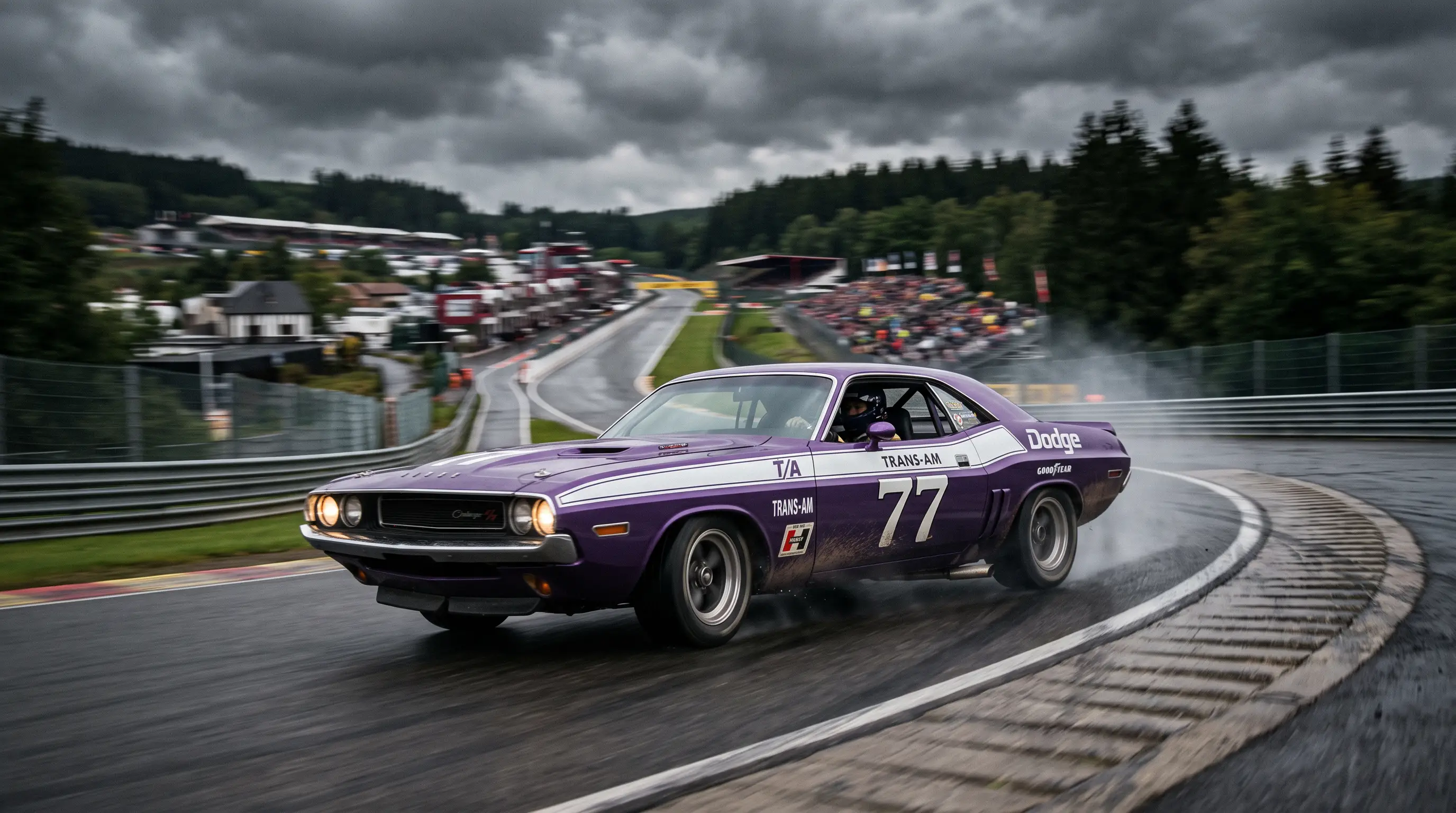
Beyond film and magazines, motorsport gave the Challenger's overseas reputation an actual competitive record to point to rather than just style. Trans-Am racing put the Challenger on track against the Mustang and Camaro in a series that international motorsport press covered closely, and results from those seasons got reprinted in racing publications well outside the United States. A reader following Trans-Am results from a newsstand in Turin or Sydney was getting real performance data, not just a stylist's promise, and that credibility mattered to an audience that took motorsport seriously as a proving ground.
That racing pedigree also fed the aftermarket parts trade internationally. Enthusiasts running Challengers or Challenger-adjacent builds outside the US needed parts, and a small but persistent network of importers and specialty shops grew up to serve that demand decades before the internet made global parts sourcing simple. Those early supply chains, built by people willing to ship heavy iron across oceans for a handful of customers, kept overseas Challengers running long after any factory support had dried up, and they're part of why so many of these cars still exist and run today.
Why this matters to today's owners
None of this changes the mechanical reality of owning a classic Challenger, but it does change how you should think about the car's place in the world. This was never just a regional muscle car built for one country's highways. It became a reference point for what American performance looked like, understood by people who never had the chance to hear the exhaust note in person. That's a rare kind of reach for a car built in numbers that, by today's global standards, were modest.
If that global reputation has you wanting to own a piece of it rather than just read about it, you can shop classic Challenger listings and see what's available right now. Whatever your budget, buying one of these cars puts you in a lineage that runs a lot further than the American muscle car story usually gets credit for, and understanding that wider reach makes the ownership experience feel like part of something bigger than a weekend hobby.
I've talked with owners in this country who bought their first Challenger specifically because a relative overseas sent them a photo, or because they saw a beat-up import at a show and couldn't stop thinking about it. That's an odd way for a domestic muscle car to find new fans, working backward through a foreign detour before landing in an American garage, but it happens more than you'd expect. The car's cultural pull runs in both directions, out from Detroit and back again, and every one of those loops adds another layer to a reputation that started with a wide track stance and a big V8 under a long hood.