I have stripped paint off enough Challengers to know the difference between a color that was actually sprayed at the factory and a color somebody added later because it looks good in photos. The challenger high impact colors program is one of the most copied, most faked, and most misunderstood parts of this car's history, and if you are shopping one or restoring one, you need to know what you are actually looking at under that shine.
Where the program actually came from
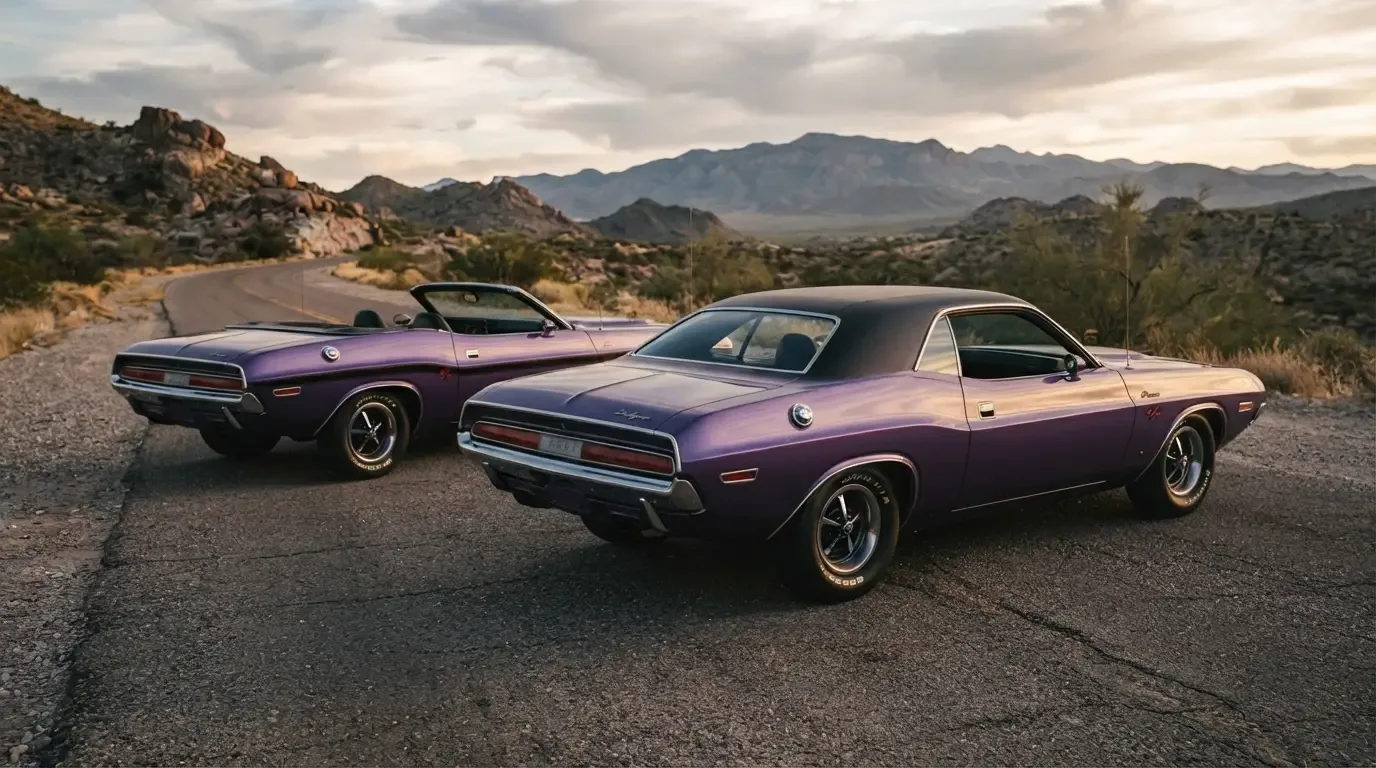
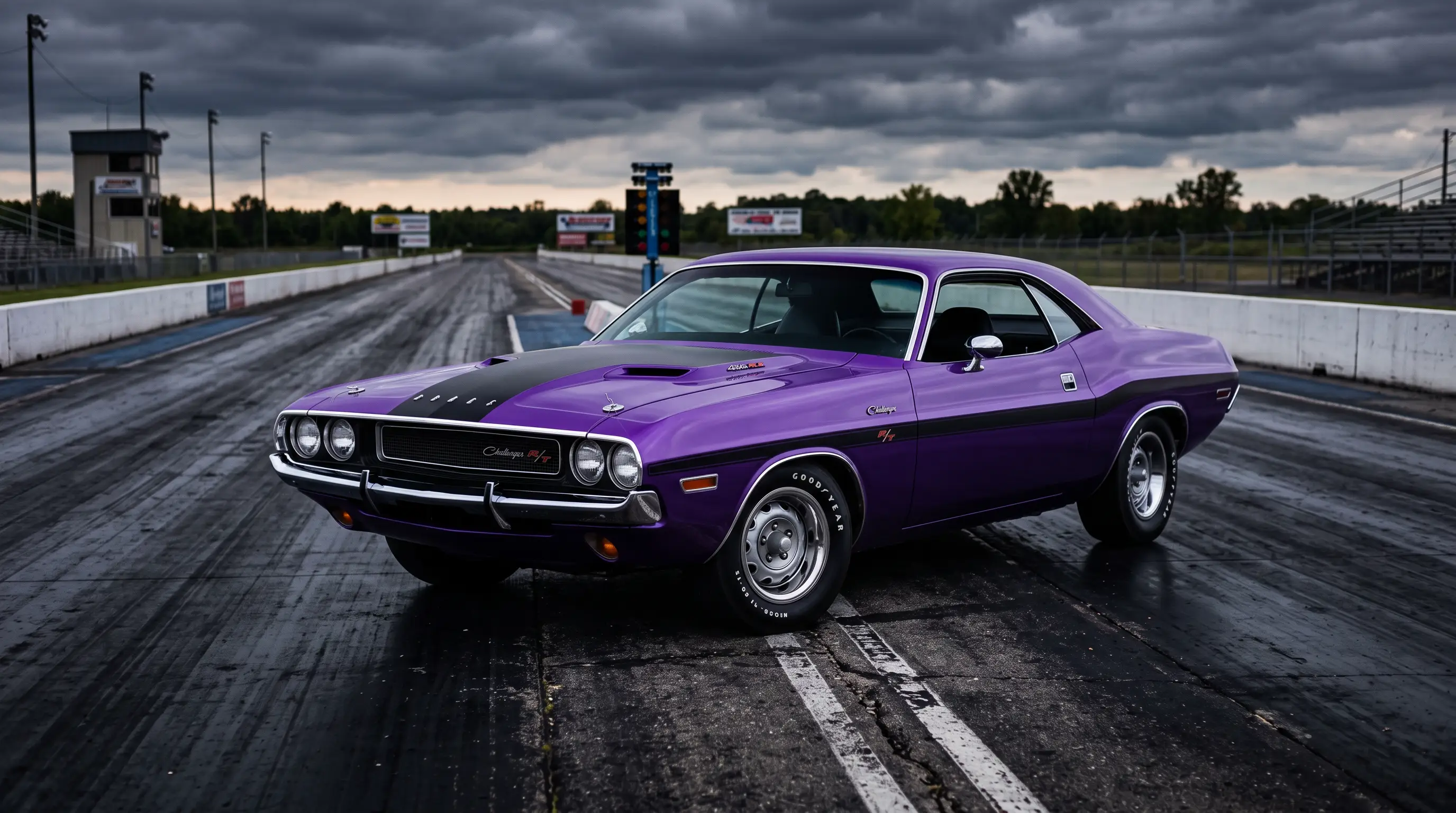
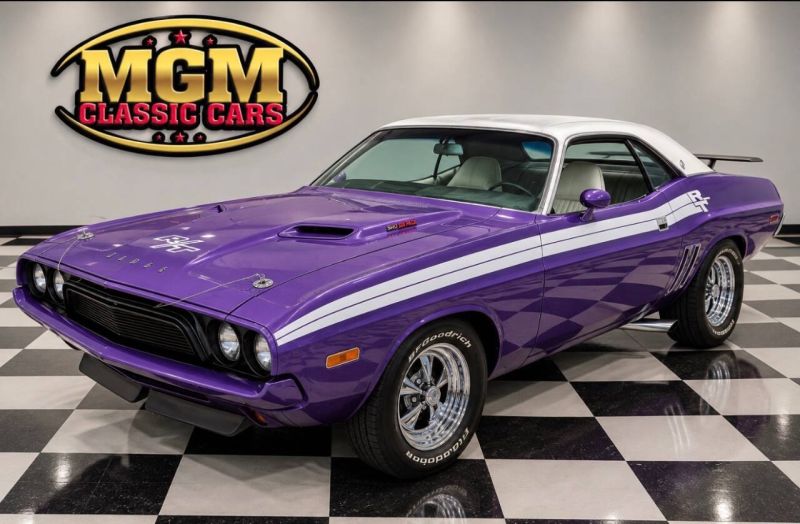
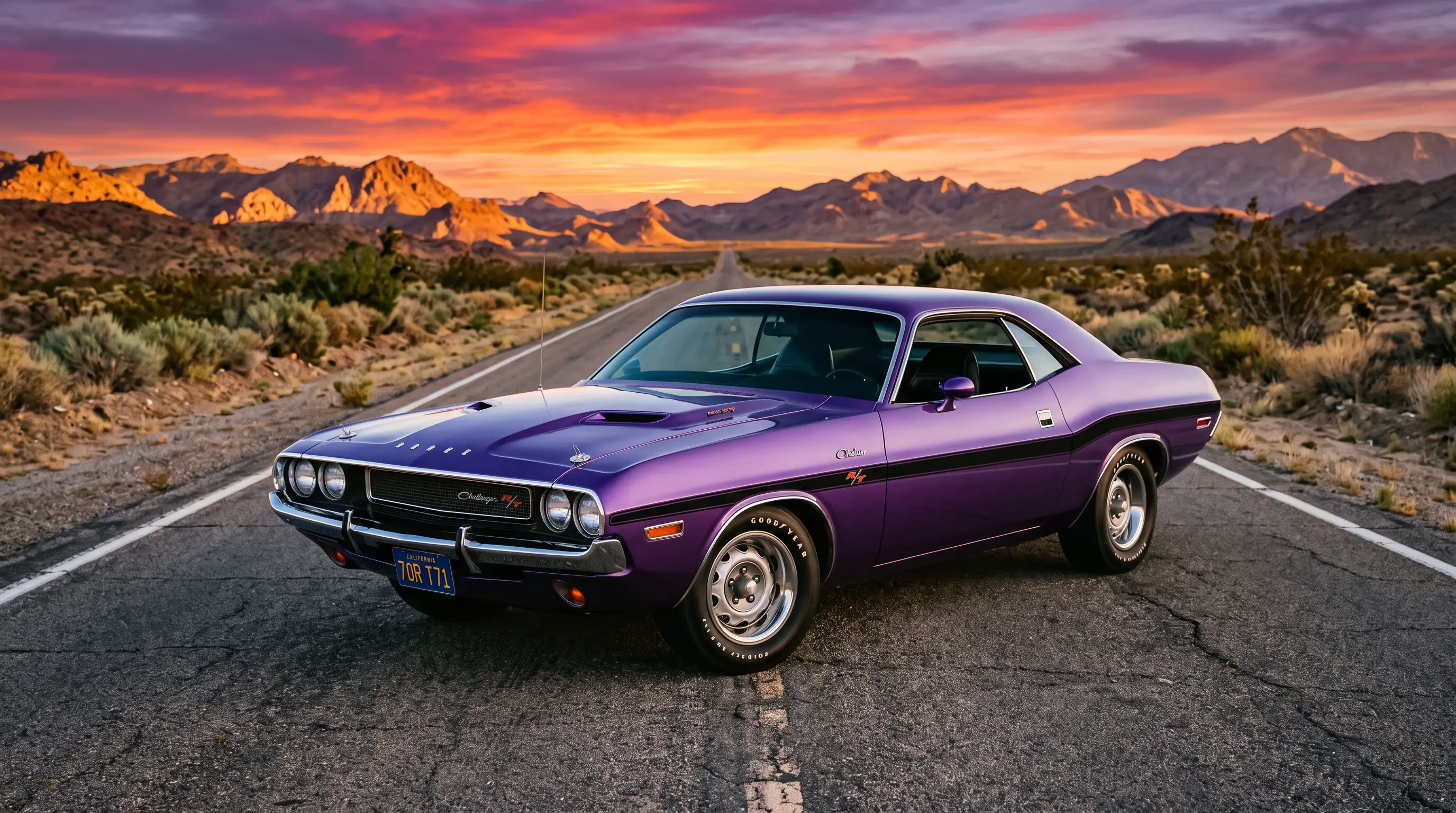
Dodge did not invent the idea of loud paint. Chrysler's whole High Impact palette across Dodge and Plymouth in 1970 and 1971 came out of a marketing push to grab attention on a crowded muscle car lot, plain and simple. The Challenger got its own version of that palette, names like Plum Crazy, Go Mango, Sublime, and the ultra rare Panther Pink all landed on Challenger order sheets starting in 1970. These were not subtle colors. They were built to be seen from across a parking lot, and that was the entire point.
What a lot of people do not realize is how short the window actually was. The full High Impact palette on the Challenger really only existed in its purest form for the 1970 and 1971 model years before Chrysler started trimming the lineup and toning things down for 1972 as the muscle car market cooled off. That short window is exactly why original cars in these colors bring real money now. You cannot just decide to build more of them. The factory build window is closed.
Reading a build sheet versus reading a repaint
Here is where I earn my keep. A genuine factory High Impact color car should have a paint code stamped on the fender tag that matches the color you are looking at, and that code should show up consistent with the broadcast sheet if one survived with the car. I have seen more than a few cars at swap meets wearing Plum Crazy paint over a fender tag that clearly reads a factory color like Rallye Red or a plain white code. Somebody liked the color, sprayed it, and never bothered mentioning that on the sales sheet.
That is not automatically a crime. Plenty of great driver cars wear a color-change respray and the owner is honest about it. The problem is when a repainted car gets sold at a premium as if it left the factory that way. If you want the real challenger high impact colors history behind a specific car, check the fender tag paint code against the color in front of you before you check anything else. Everything downstream, the trim tag decode, the broadcast sheet if it exists, matters less than that first basic match.
| Color name | Approx. paint code | Years offered | Rarity note |
|---|---|---|---|
| Plum Crazy | FC7 | 1970-1971 | Common enough to see regularly, still commands a premium |
| Go Mango | EK2 | 1970-1971 | Genuinely scarce, no reliable factory production count survives |
| Sublime | FJ5 | 1970 only | Mid-tier rarity, strong collector demand |
| Panther Pink | FM3 | 1970 only on Challenger | Among the rarest factory colors on any E-body |
Why the paint booth matters more than the badge
A period-correct restoration is not just about matching the color chip. It is about matching how that color was actually applied in 1970. Factory lacquer from that era lays down differently than modern basecoat clearcoat, and a trained eye can spot a modern respray from ten feet away even in the right hue, because the depth and the orange peel texture are wrong. I have turned down paying customers who wanted me to shoot a modern urethane job and then tell buyers it was original. That is not restoration, that is fraud with a spray gun, and I will not do it regardless of what it does for the final sale price.
Real period-correct work means matching the paint chemistry as closely as modern regulations allow, matching the panel gaps and overspray patterns Chrysler's own assembly line produced, and being upfront with the next owner about exactly what was done and when. Poseur paint jobs chase the color and skip everything else that made these cars look the way they did rolling off the line in Hamtramck. If you are paying a premium for a High Impact color car, ask the seller point blank whether the paint is original or a respray, and ask to see documentation either way.
"A can of Plum Crazy from the local parts store does not make your car a documented factory color car. It makes it a nice looking car with a story that falls apart the first time somebody checks the fender tag."
- Jim Vasquez
What this means for buyers right now
Demand for genuine High Impact color cars has only gone up, not down, over the last decade. Buyers who could not care less about a base V8 Challenger in a factory white or blue will pay serious premiums for the exact same drivetrain wrapped in Go Mango or Panther Pink with paperwork to back it up. That gap in value is not going away, and honestly it should not. Scarcity earns its premium when the documentation supports it.
If you want to go deeper on how these individual colors shaped the car's reputation, our dodge challenger high impact colors history piece breaks down the collectibility side color by color, and the Plum Crazy story specifically is a related story worth reading if that particular shade is what brought you here. Either way, when you are ready to see what is actually available with real paint documentation, you can browse Challengers for sale now and start asking sellers the right questions before you ever put down a deposit.
Sources and notes
- Go Mango 1970 Dodge Challenger Feature - autoevolution
- 1970 Challenger Production Numbers - Stock Mopar
- 1970 Dodge Challenger Guide - Amazing Classic Cars
- Dodge Challenger (1970) - Wikipedia
- 1970 Dodge Challenger T/A Colors and Paint Codes
- Mopar Paint: Dodge and Plymouth High-Impact Paint Colors - Classic Industries
What a proper strip-down actually reveals
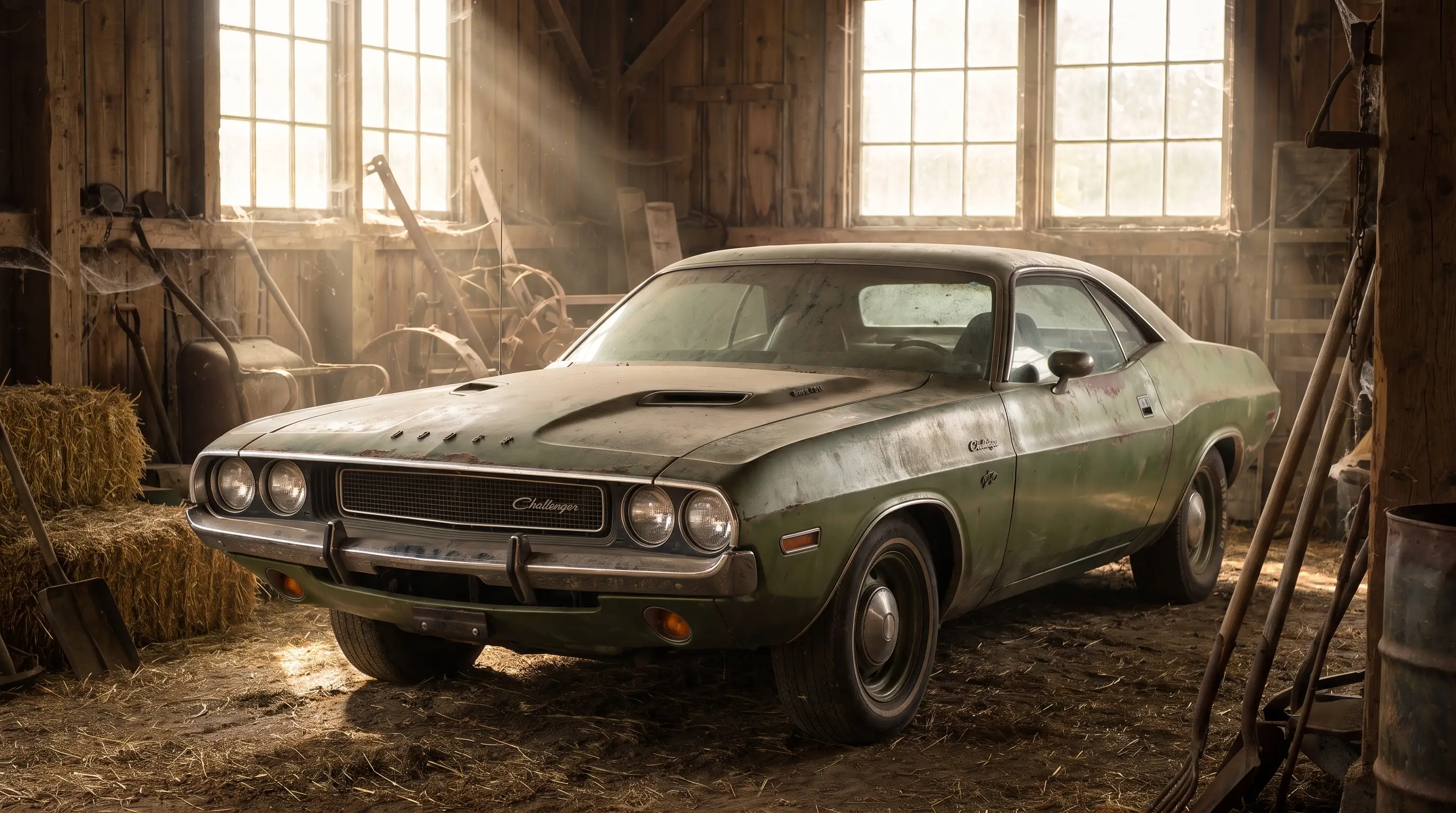
When I take a car down to bare metal for a full restoration, the process itself tells me more about the paint history than any paperwork ever could. Stripping through layers, you can literally count how many times a panel has been painted, and you can usually tell where each layer starts and stops. I have found factory High Impact color under two later reprints on more than one car, buried under a plain white somebody sprayed in the eighties and a metallic blue somebody else added in the nineties before the car ever reached me.
That kind of layered history matters because it changes how a restoration should proceed. If the original factory color is still down there under later work, in reasonable condition, a careful strip and refinish can bring back the exact factory shade with real confidence. If the panel has been repaired, replaced, or damaged enough that no original paint survives, the color has to be matched from documentation alone, and that documentation had better be solid before anybody commits to the work.
I keep detailed records on every High Impact color job that comes through my shop specifically because of how often ownership changes hands on these cars. A car I painted five years ago might sell twice more before it lands with somebody who calls me directly asking whether I did the work and what I actually did. Having a paper trail on my end protects the car's provenance just as much as the original factory paperwork does, and buyers who know to ask for that kind of documentation from the restoration shop, not just the factory, tend to end up with fewer surprises down the road.