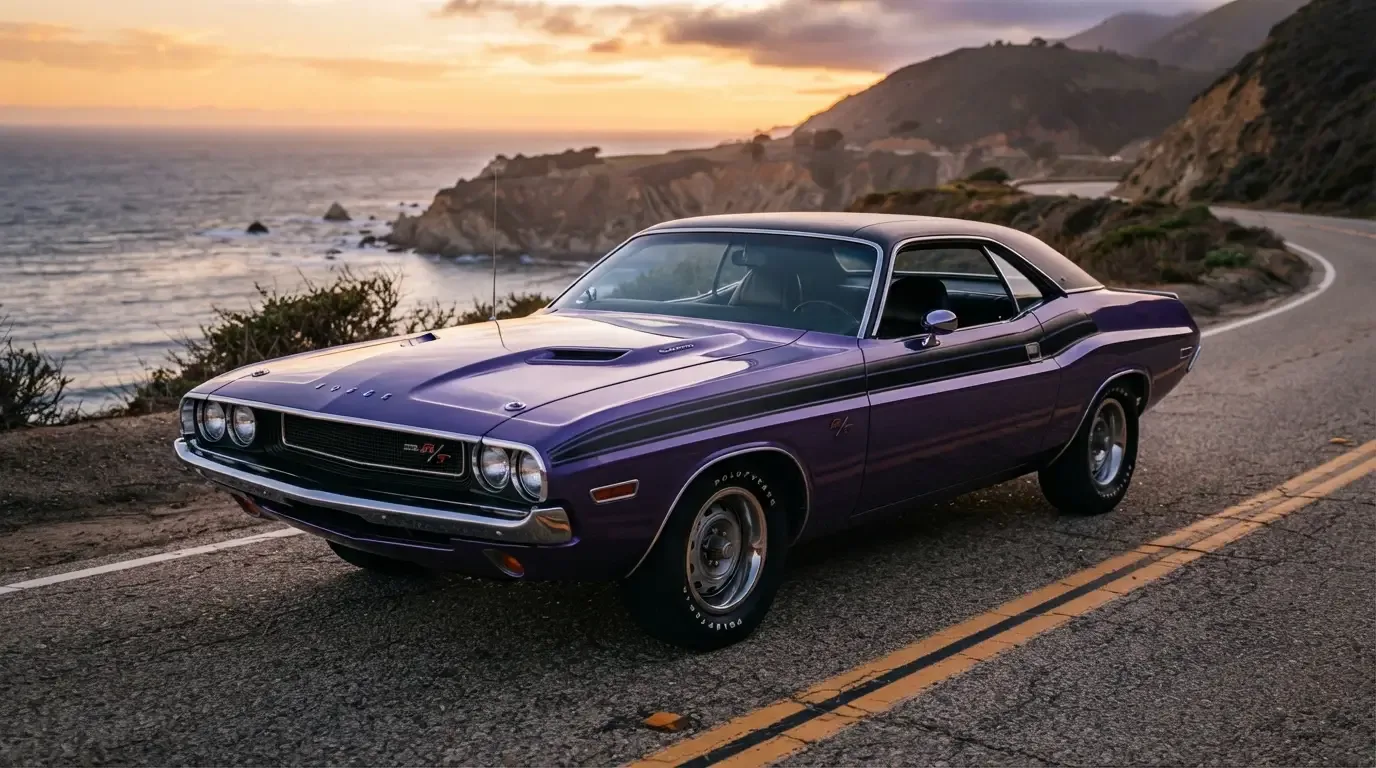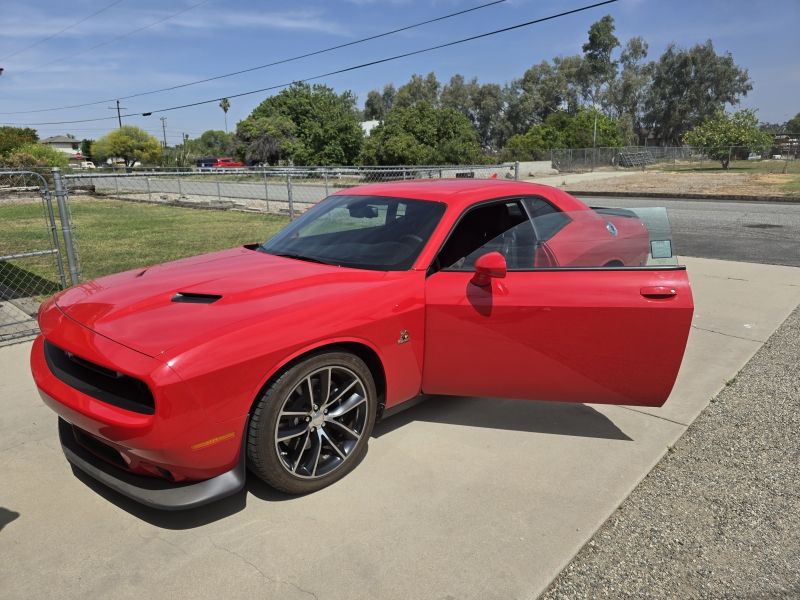
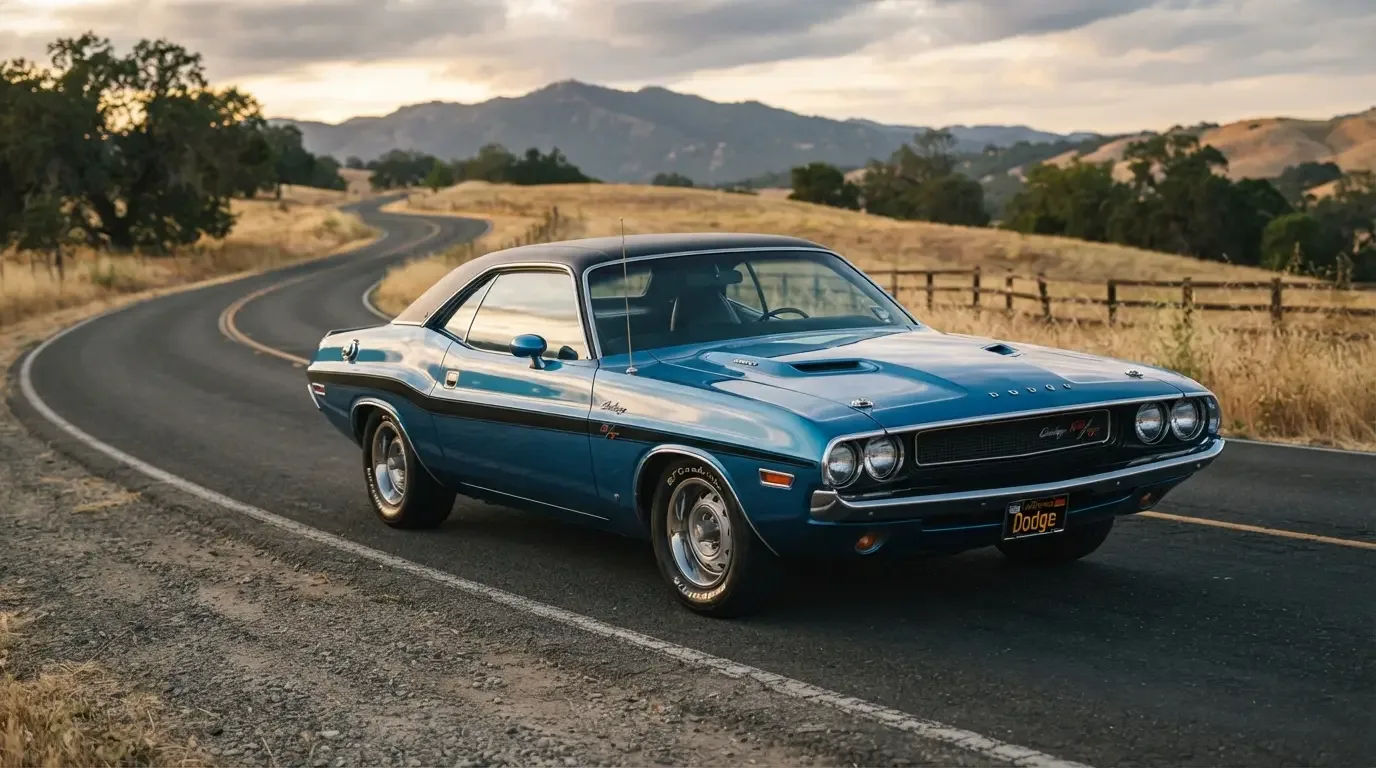
Two letters, stamped small on a fender or a tail panel, changed everything about how a Dodge Challenger drove, looked, and eventually sold. The challenger rt meaning is straightforward once you know it, Road and Track, but the badge carried implications far beyond its literal translation, and understanding what R/T actually guaranteed on the build sheet explains why the designation still commands attention from buyers who were not even alive when the first one left a Dodge dealership.
What R/T actually meant on the order form
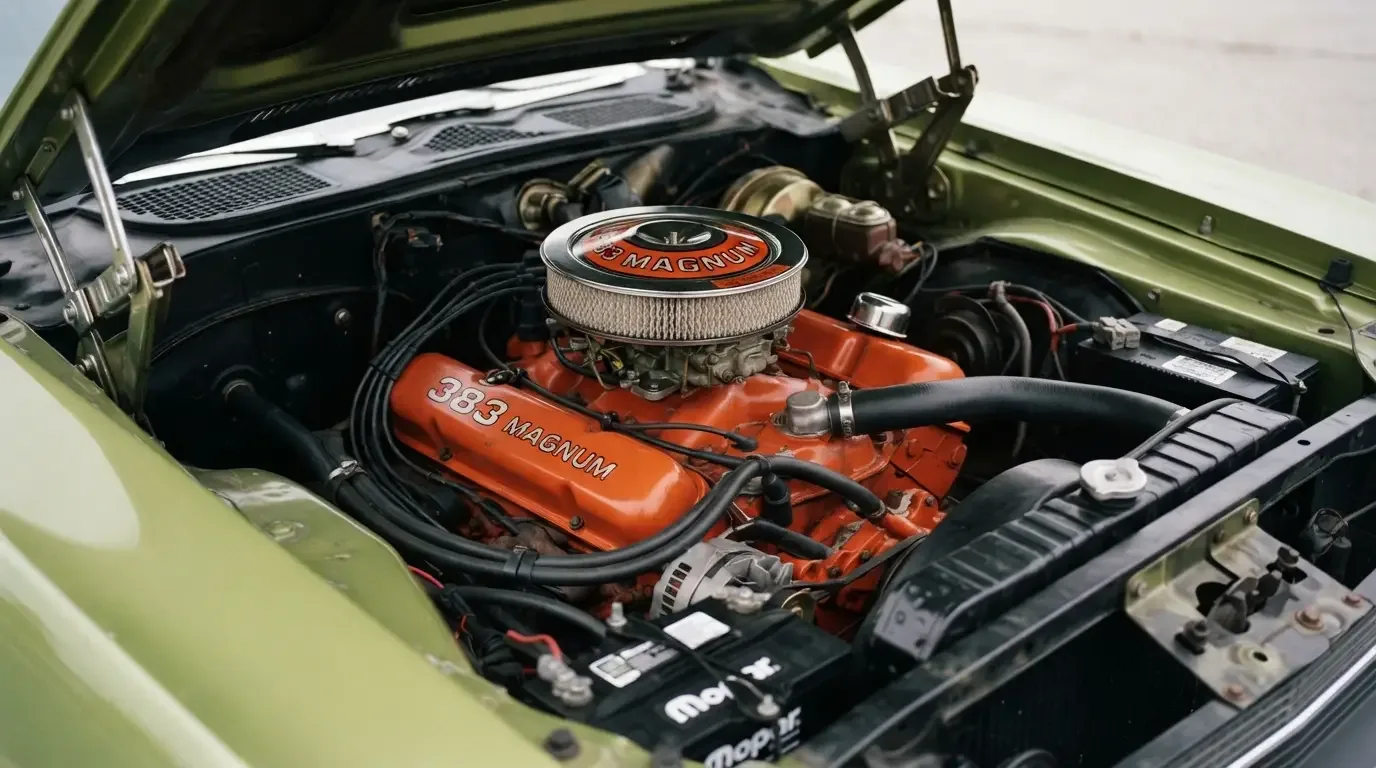
Road and Track was not a marketing flourish slapped onto whichever Challenger a dealer wanted to move fastest. It was a genuine performance package tied to specific mandatory equipment. Order an R/T and the car arrived with a standard 383 cid V8 as the baseline engine, a significant step up from what a base Challenger buyer received, along with heavy duty suspension components, larger brakes, and dual exhaust as part of the package rather than optional extras a buyer had to remember to check. From that 383 baseline, buyers could step up through the 440 Magnum, the 440 Six Pack, and ultimately the 426 Hemi, but the R/T designation itself guaranteed a performance floor well above anything available on a standard Challenger coupe.
That guaranteed floor is the part people miss when they treat R/T as a cosmetic trim level. It was closer to a contract. A buyer who saw those two letters on the order form knew exactly what baseline performance hardware they were getting before a single option box got checked, which made cross-shopping against Chevrolet's SS designation or Plymouth's own performance packages a much more direct, apples-to-apples comparison than most badge systems allowed at the time.
The visual language that came bundled with the badge
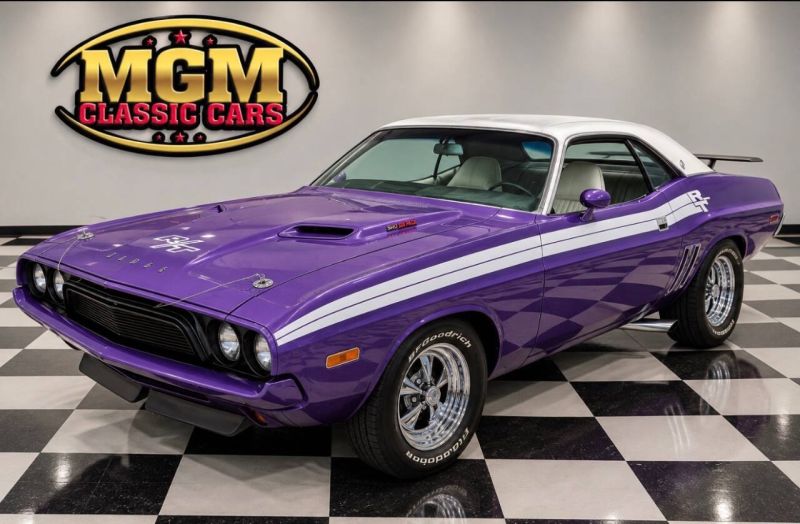
Beyond the mechanical package, R/T Challengers carried a distinct visual identity that separated them from lesser trims at a glance. Dual body stripes running the length of the car, a blacked-out grille treatment on many configurations, and the option to add the Shaker hood scoop all reinforced the R/T's status as the performance-focused half of the lineup. None of that visual language was purely decorative. Dealers used it deliberately so that a customer walking a crowded lot could identify the serious performance cars from across the parking lot without needing to check a window sticker first.
Why the letters carried weight beyond Dodge's own lineup
R/T as a designation predated the Challenger itself, having already established a reputation on the Charger and Coronet, so when Dodge extended it to the new pony car in 1970, buyers already understood what the letters implied before they ever saw the Challenger version in person. That inherited credibility mattered. A brand new nameplate borrowing an already respected performance badge got instant legitimacy in a way that a completely invented designation could not have achieved on its own, and Dodge clearly understood the value of that shortcut when deciding how to position the car's performance tier.
| R/T package element | Detail |
|---|---|
| Standard engine | 383 cid V8 |
| Available upgrades | 440 Magnum, 440 Six Pack, 426 Hemi |
| Standard hardware | Heavy duty suspension, larger brakes, dual exhaust |
| Visual cues | Dual body stripes, blacked-out grille, optional Shaker hood |
"R/T was not a sticker somebody peeled off a roll. It came with a specific engine floor and a suspension package baked into the order, and that is exactly why the badge still means something today."
- Patrick Walsh
How R/T buyers actually optioned their cars
Dealer order data and surviving build sheets from the period show that R/T buyers rarely stopped at the mandatory package. Once a customer had committed to the higher price point of an R/T, the incremental cost of stepping up from the standard 383 to the 440 Magnum or further to the 440 Six Pack often felt like a smaller jump than the initial decision to buy an R/T in the first place. That psychology helped push a meaningful share of R/T buyers toward the bigger engines, which is part of why surviving 383-only R/T Challengers, while not rare in an absolute sense, get less attention from collectors than the bigger-block examples that dominate auction headlines today.
The Hemi option sat at the extreme end of that progression, expensive enough and demanding enough in daily use, with a stiff clutch and a rough idle at low RPM, that it appealed to a narrower slice of R/T buyers who wanted maximum performance and were willing to accept the tradeoffs that came with it. That narrower appeal is exactly why Hemi R/T Challengers occupy the top tier of value today, a direct consequence of a badge system that was honest about what each configuration delivered from the day it left the factory.
How the badge shaped resale value from day one
Because the R/T package guaranteed real mechanical content rather than cosmetic trim alone, these cars held their value against standard Challengers almost immediately after leaving the factory, and that gap has only widened as the decades passed. A documented, numbers-matching R/T with its original 440 or Hemi still commands prices far beyond a comparable standard coupe, and the reasoning traces directly back to what those two letters guaranteed on the build sheet in the first place. For readers who want the fuller account of how the R/T designation developed across Dodge's lineup, our piece on dodge challenger rt history covers the badge's full arc, and our look at a related story digs deeper into the standard 383 that anchored the whole package.
What the letters still tell buyers today
Decades removed from the original showroom floor, R/T remains one of the clearest, most literal performance badges of the entire muscle car era. It promised a specific mechanical baseline, it delivered a distinct visual identity, and it borrowed credibility from Dodge's existing performance lineup rather than inventing a reputation from scratch. If that history has you looking to own one, you can browse Challengers for sale now and see how many genuine R/T examples remain on today's market carrying the same performance guarantee those two letters always meant.
Why the meaning still matters when you are shopping
Knowing exactly what the letters guarantee protects a buyer from paying R/T money for a car that only wears R/T badging without the underlying package. Fender tags, broadcast sheets, and matching numbers all exist specifically to confirm that a car's mechanical content actually lines up with what the badge promises, and skipping that verification step is how buyers end up overpaying for a standard Challenger dressed up to look like something it never was. The letters themselves have never changed meaning since 1970. What has changed is how much money now rides on confirming that meaning actually applies to the specific car in front of you.