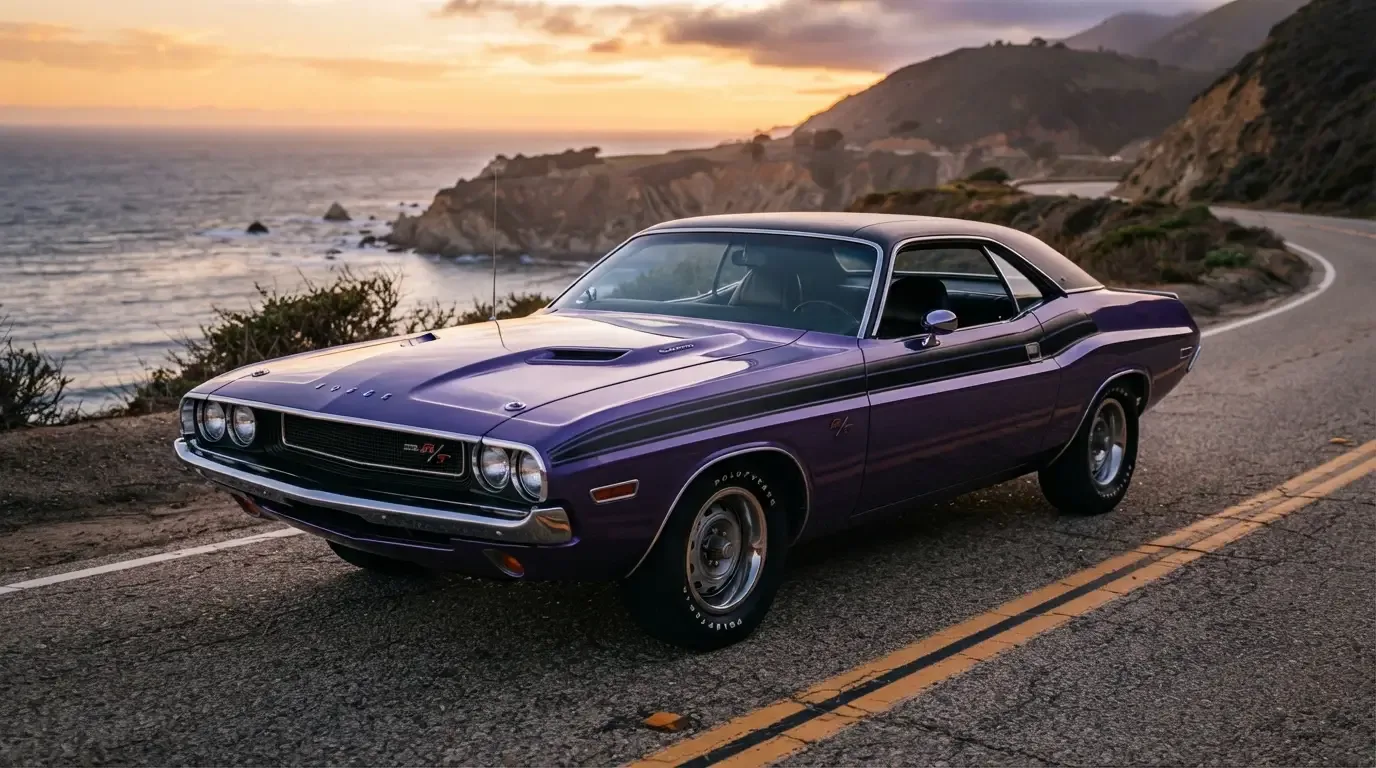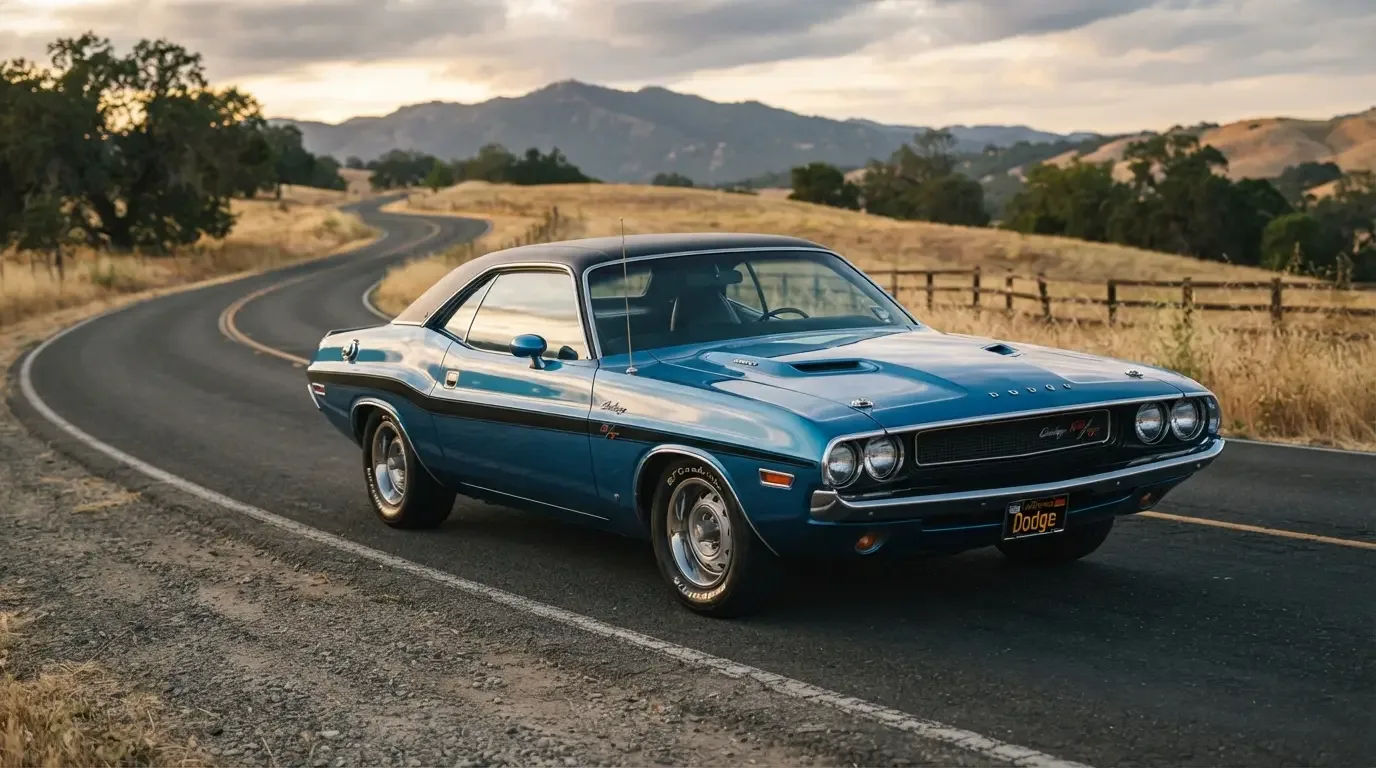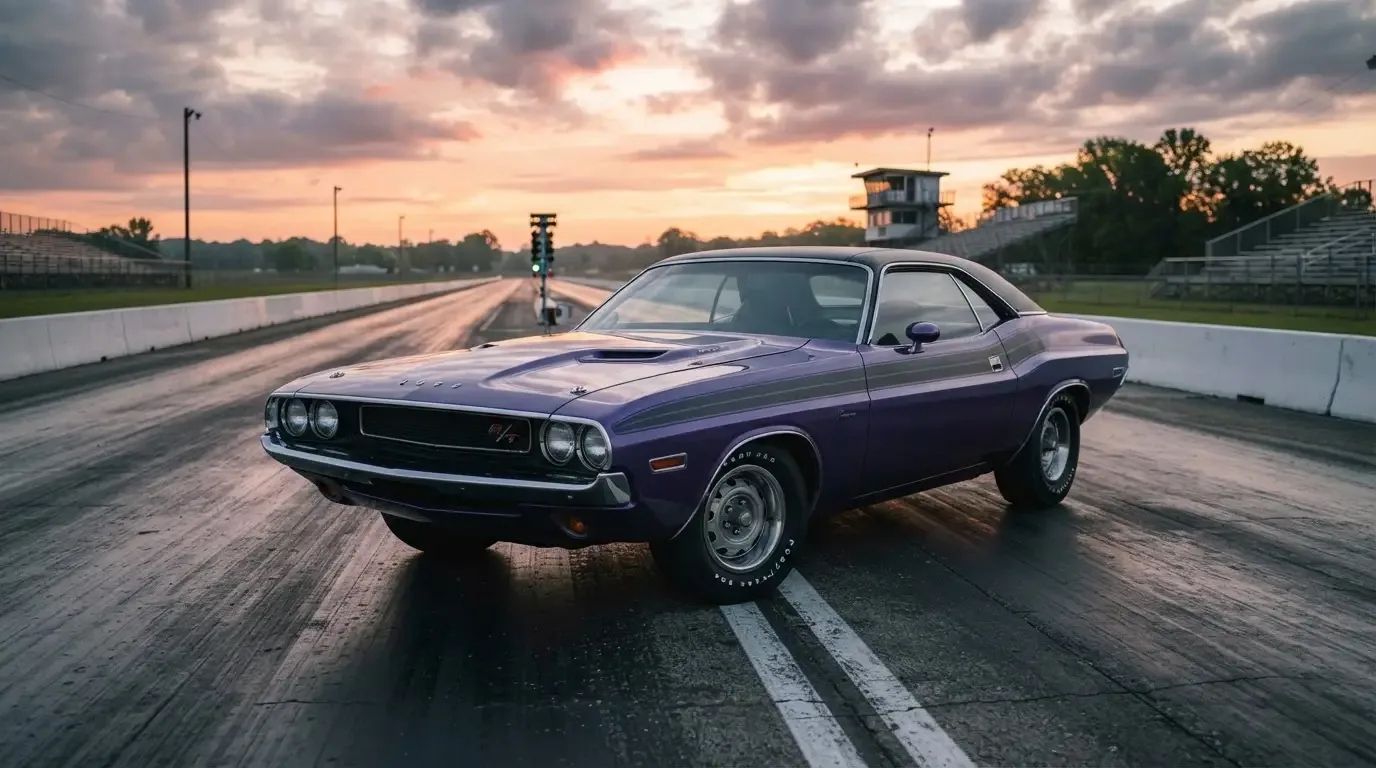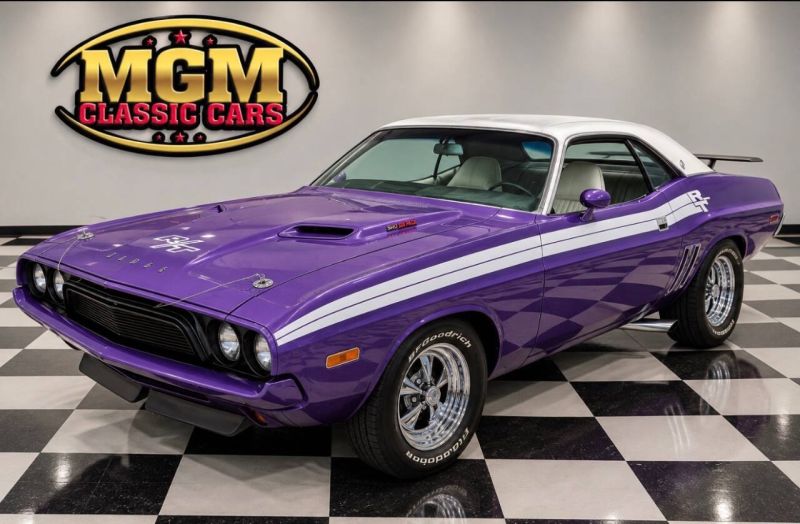
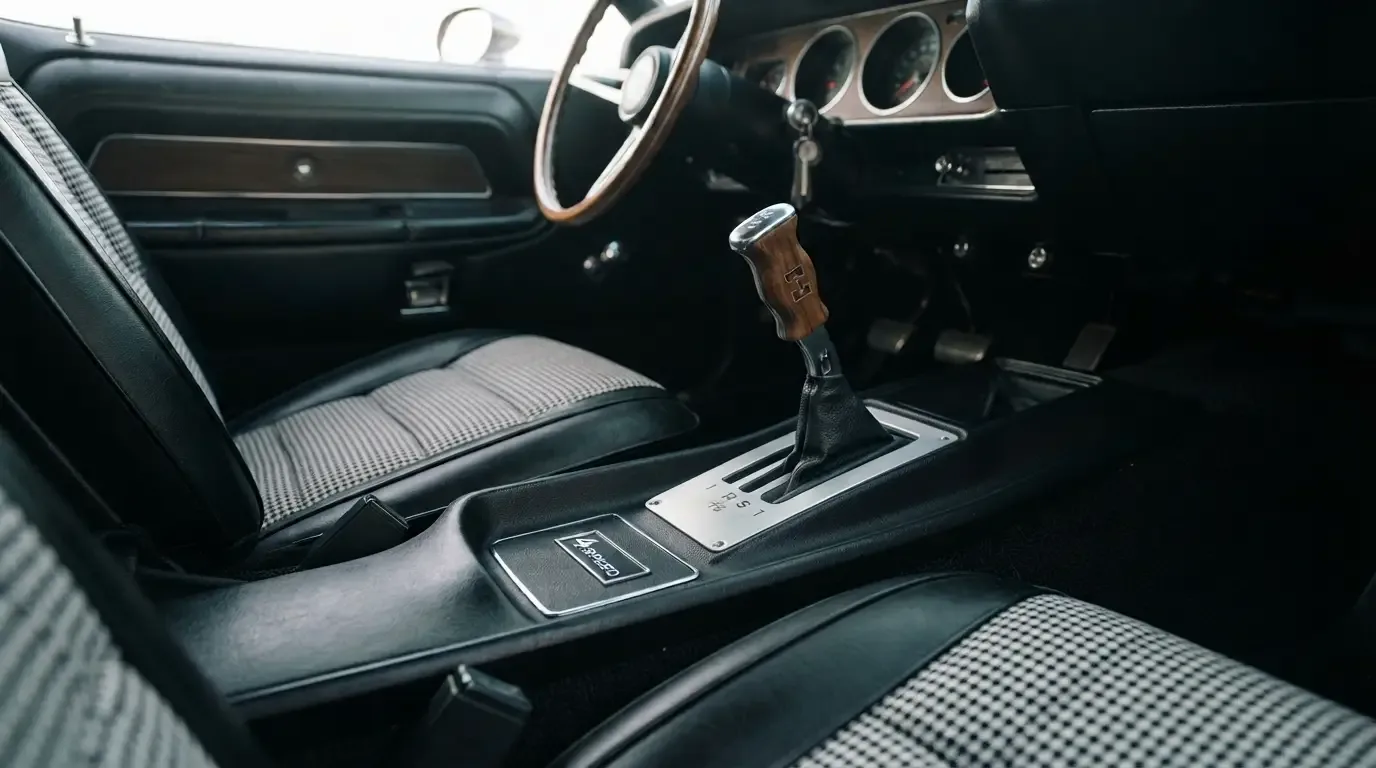
There is a particular sensation that stays with people who drove a 1970 Dodge Challenger R/T with the pistol grip shifter, and it has nothing to do with the numbers on the window sticker. It is the shape of the thing in your palm. The Hurst-sourced shifter, built to resemble the grip of a handgun, sat between the seats like a dare, and reaching for it became part of the ritual of driving the car, not just a mechanical necessity.
A shape that changed how people drove
Most four-speed shifters of the era were simple T-handles or round knobs, functional and forgettable. The pistol grip was different because it told your hand exactly where to go. The contoured grip fit into the curve of a palm in a way that a round ball never could, and it invited a firmer, more deliberate hold. Owners who drove both a standard shifter car and a pistol grip car back to back often noticed the difference immediately, not because the mechanism underneath worked any differently, but because the human holding it felt more connected to the shift.
That connection mattered on a car built around a big, torquey engine and a driveline that rewarded confidence. Hesitate on a shift in a big block Challenger and you would feel it, a lurch, a moment where the engine outran the gearbox. The pistol grip encouraged commitment. You grabbed it like you meant it, and the car responded in kind.
The mechanical reality underneath the style
Underneath the distinctive grip sat a conventional Hurst competition-style linkage, the same basic architecture Hurst supplied across several Chrysler performance models of the period. Short, precise throws were the whole point, engineered to cut the time between gears down to a fraction of a second compared to the sloppier factory linkages some competitors offered. On a four-speed R/T, that shifter connected to either the A833 manual transmission behind a 383 or 440 engine, or, on Hemi-equipped cars, the same basic A833 case built with heavier 18-spline internals to handle the extra torque.
The shifter itself was largely a Dodge and Plymouth E-body and B-body signature during this era, though variations of the pistol grip design showed up across several Mopar performance nameplates. It was never just decoration. Racers who cared about consistent, repeatable shifts under load appreciated the shorter throw as much as anyone appreciated the way it looked.
Why it still defines the driving feel
Ask anyone who has restored one of these cars what they missed most while the interior was apart for bodywork, and the pistol grip comes up constantly. It is not a subtle detail. Sitting in a Challenger R/T with the correct shifter installed changes the character of the whole cabin, the same way a specific steering wheel or gauge cluster can define a car's presence even before the engine turns over. Reproduction shifters exist now, some good, some mediocre, and the difference in fit and feel between a correct original and a cheap reproduction is immediately obvious to anyone who has driven both.
Collectors chasing originality often treat the shifter as a make-or-break detail on a numbers-matching restoration, because it is one of the few interior components that both looks the part and functions the part simultaneously. A dashboard can be reupholstered convincingly. A shifter either has the correct geometry and grip or it does not, and driving the car tells you the truth in about ten seconds.
"You don't just operate a pistol grip shifter, you commit to it, and that small physical decision every time you shift is half of what people mean when they say the R/T has personality."
- Nora Beckett
A detail that outlived the decade
Muscle cars from this era are full of small design choices that turned into cultural shorthand, and the pistol grip shifter belongs on that short list alongside hood scoops and side-exit exhaust. It survived changing tastes because it solved a real problem, shorter throws, better feedback, while also giving the car a piece of visual identity that nobody could mistake for anything else on the road. Decades later it remains one of the most recognizable interior details from the entire muscle car period, instantly identifiable even in a photograph cropped down to just the console.
For anyone wanting the fuller story behind why the R/T came together the way it did, including the choices that led up to a shifter this distinctive, you can read the background on the car's development. The shifter was only one piece of a larger engineering picture, and another one worth knowing fills in more of that context from the 383 side of the lineup.
What it means for buyers today
Anyone shopping for an original or correctly restored R/T should sit in the driver's seat and grab the shifter before doing anything else. It tells you more about the car's authenticity in five seconds than a stack of paperwork sometimes can. If that hands-on moment is what you are after, you can browse classic Challenger listings and start looking for a car where that detail was preserved instead of replaced with a generic substitute.
Condition matters as much as originality here. A correct pistol grip shifter that has been rebuilt with worn bushings can feel sloppy and vague, undermining the exact quality that makes the part special in the first place. A knowledgeable inspector will work the shifter through all four gears slowly, feeling for play in the linkage and listening for the mechanism to engage cleanly, before ever starting the engine. That five second test says more about how the car was maintained over the decades than a fresh coat of paint on the console ever could.
Spotting a correct setup versus a substitute
Reproduction shifters vary widely in quality, and a buyer who cannot tell the difference by sight alone should learn to tell the difference by feel. An authentic period Hurst unit has a specific weight and resistance to it, a mechanical honesty that cheaper stampings do not replicate no matter how close the outward shape looks in a photograph. Casting marks, grip texture, and the exact angle of the handle relative to the console are all details experienced buyers check before assuming a car is wearing the correct original part rather than a passable stand-in.
None of this is about being precious over a single component. It is about recognizing that small details compound. A car with a correct shifter, correct gauges, and a correct steering wheel tells a consistent story about how it was preserved, while a car with one obviously wrong detail often has several more hiding underneath a good detail job. The shifter is simply one of the easiest tells to check first.
The pistol grip shifter is a small part by weight and a large part by memory
That imbalance is exactly why it has held its place in muscle car history for more than five decades. Few interior components from any era of American performance car carry this much recognition on their own, and fewer still manage to be both a functional upgrade and a cultural symbol at the same time. The pistol grip earned both distinctions honestly, and that is why it still matters to anyone shopping, restoring, or simply admiring one of these cars today.