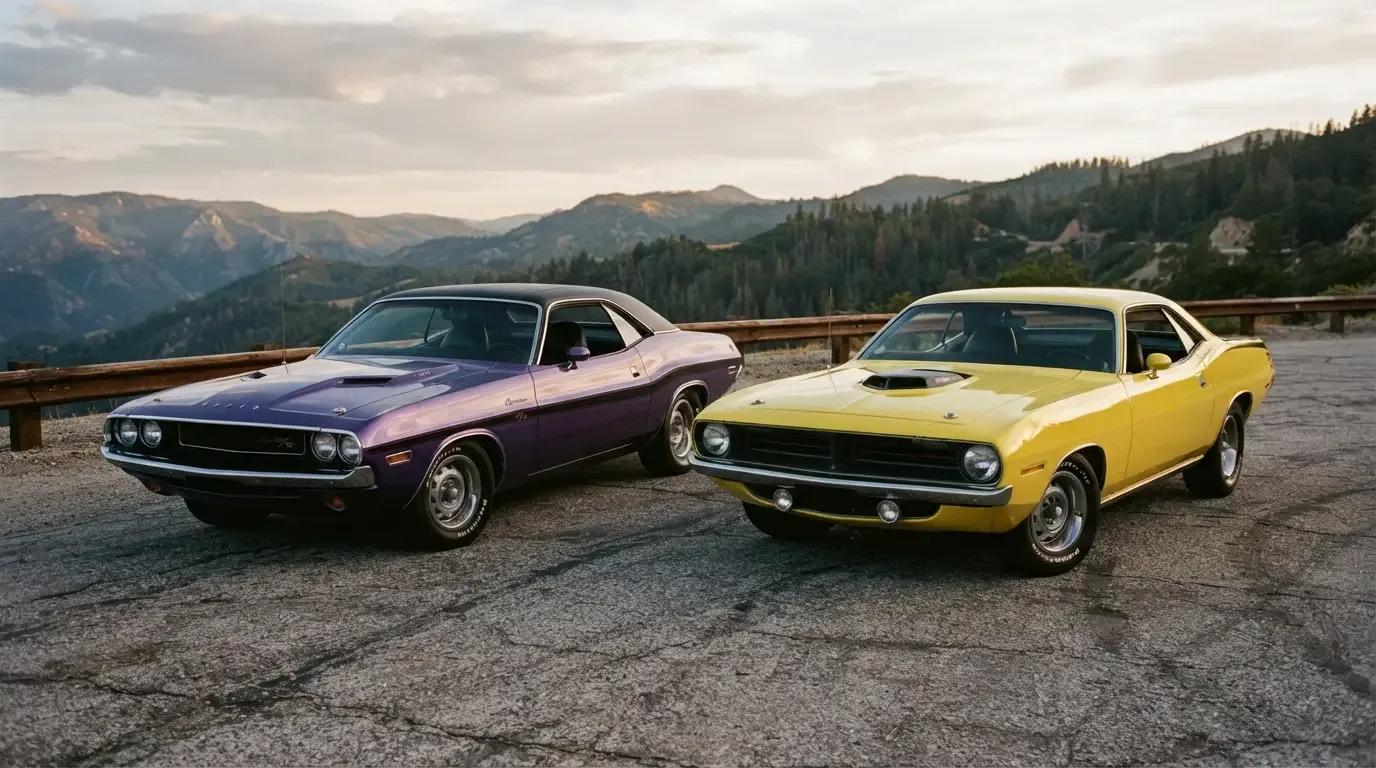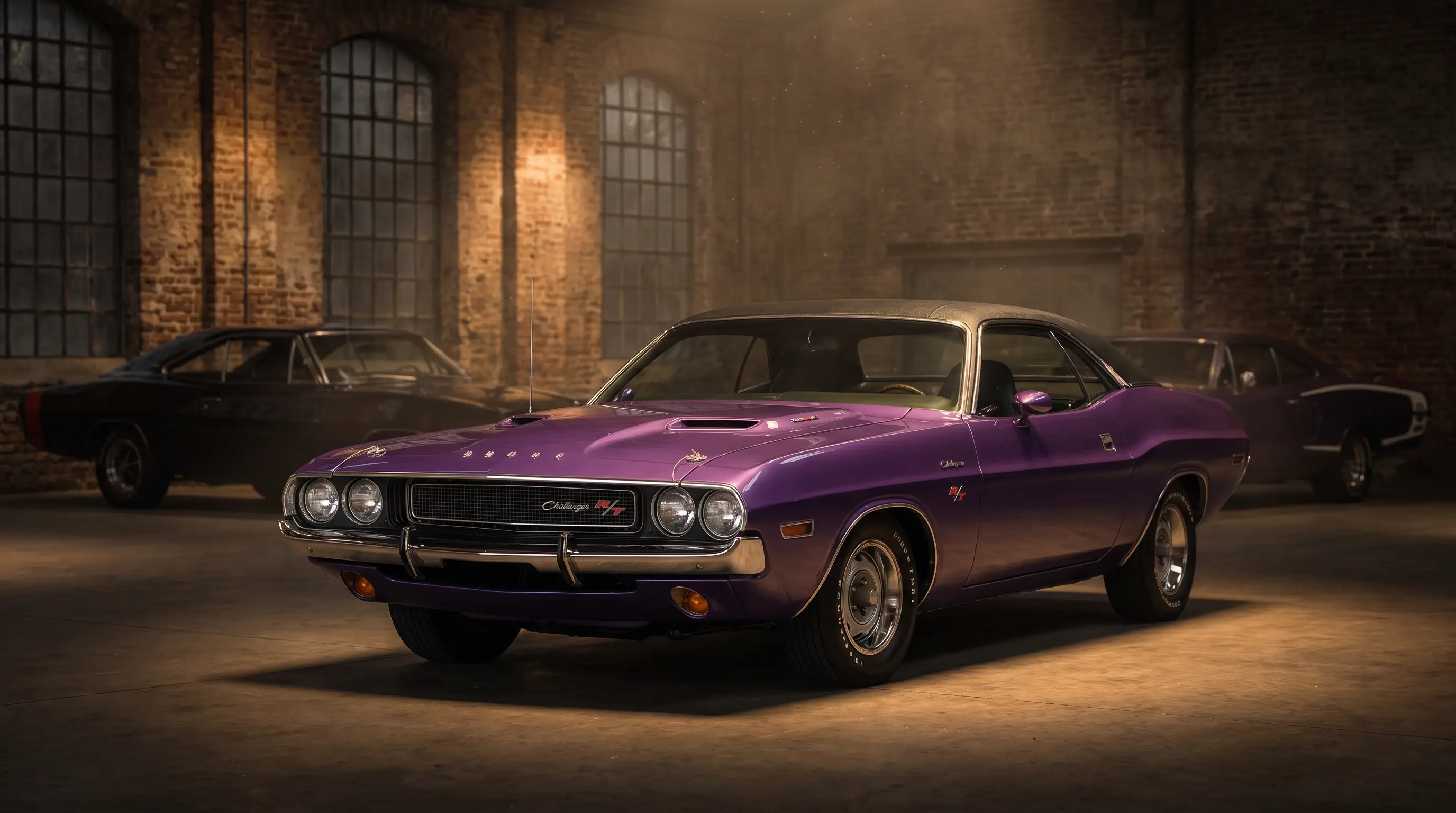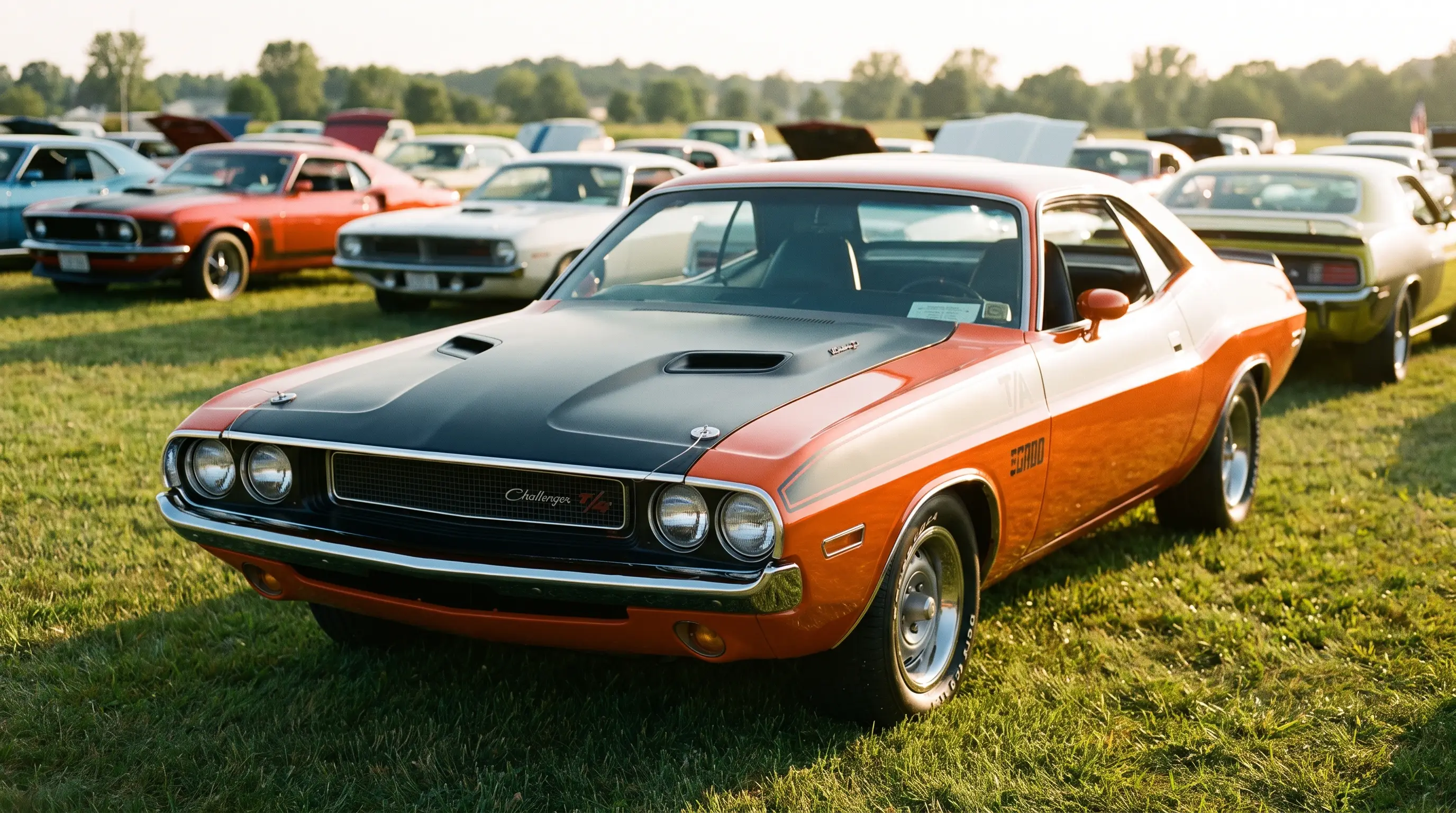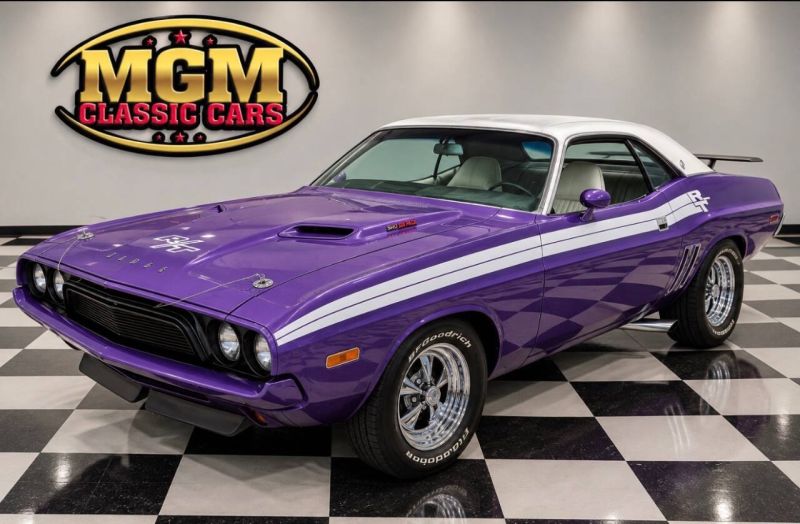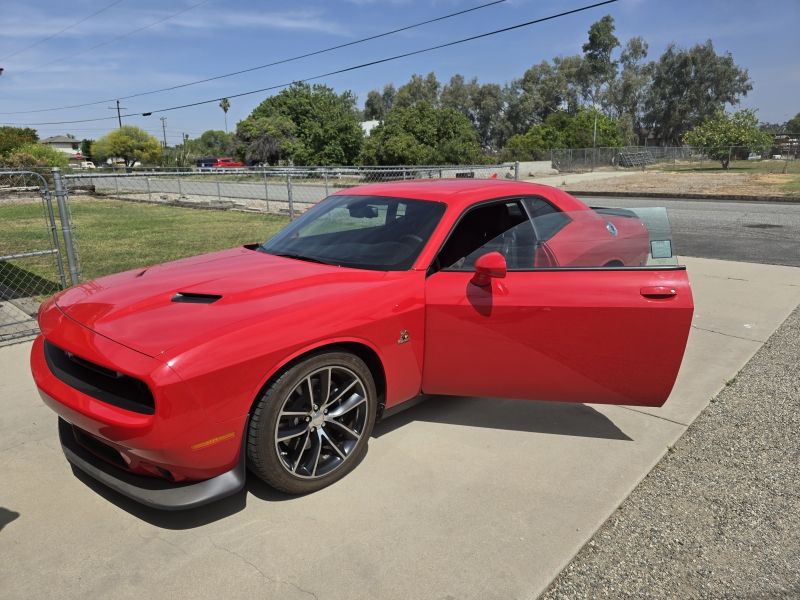
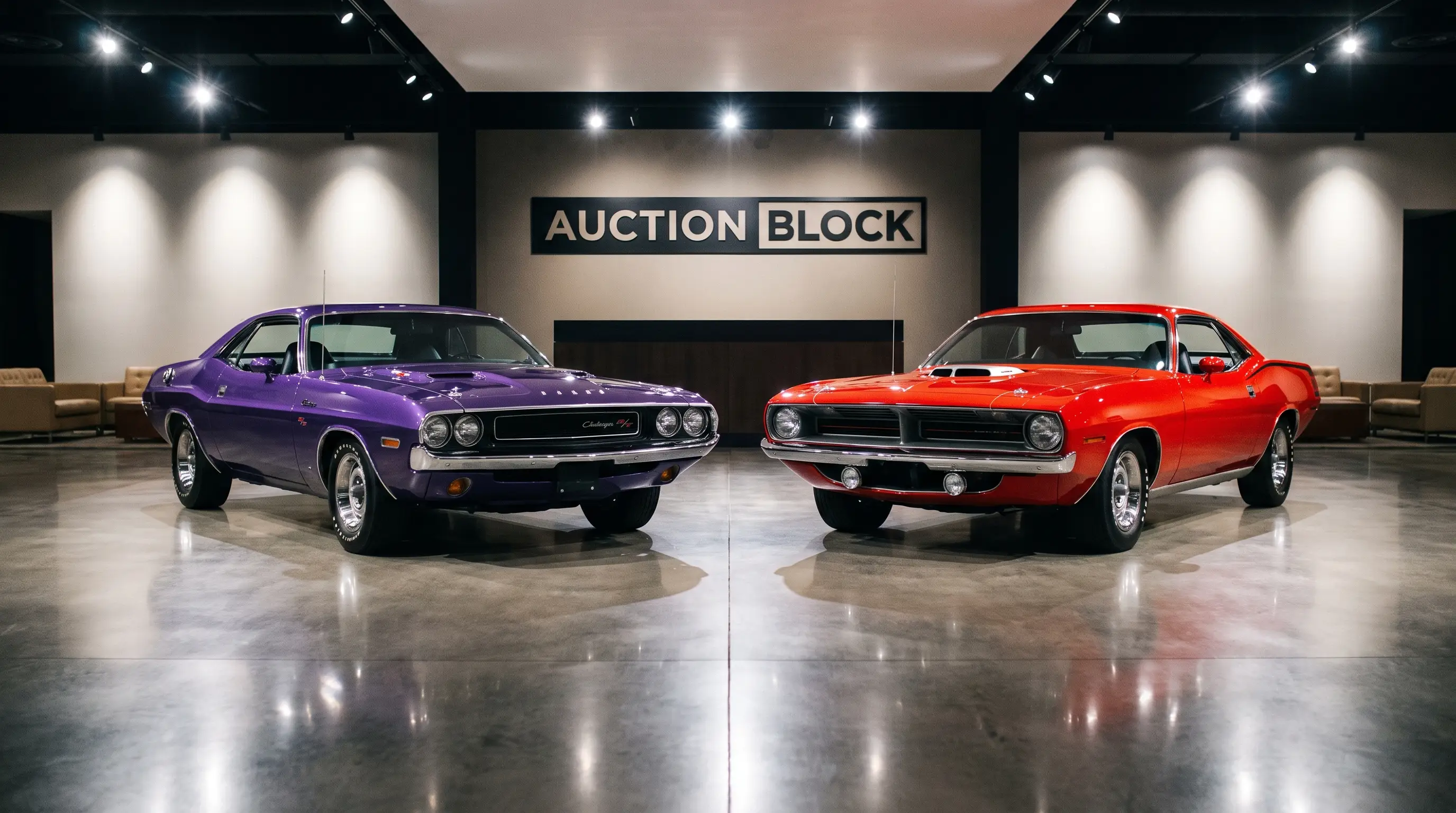
Ask ten collectors which pony car holds value better, a Dodge Challenger or a Plymouth Barracuda, and you will get ten different answers delivered with total confidence. The challenger vs cuda value question sounds simple until you sit with the auction data for a season and watch two cousins built on the same E-body platform sell for wildly different numbers depending on trim, engine, and paperwork. I appraise both cars for a living, and the honest answer is that neither badge wins outright. What wins is documentation, rarity within the badge, and how much risk a buyer is willing to carry.
Start with the platform itself. Both cars share the Chrysler E-body chassis introduced for 1970, and under the skin a well-optioned Challenger and a comparably optioned Barracuda are closer in engineering than either fan base likes to admit. The value gap opens up in the details: which convertibles survived, which engines were rare within that specific body style, and which cars have clean, provable history. A base six-cylinder hardtop of either badge is a driver-quality car with modest upside. A documented, numbers-matching high-performance convertible is a different asset class entirely, and that is where the real spread between challenger vs cuda value shows up.
Why the Cuda often out-prices the Challenger at auction
In raw auction results, top-tier Hemi Cuda convertibles have consistently out-priced comparable Hemi Challenger convertibles. Part of that is production count. Plymouth built fewer Hemi cars in the highest-demand configurations, and scarcity within a scarce category compounds fast. Part of it is narrative. The Cuda got the factory-backed drag racing push and the AAR homologation story, which gives collectors a cleaner mythology to hang a premium on. None of that means the Challenger is the weaker investment across the board. It means the ceiling on the rarest Cuda variants sits higher, while the Challenger offers a broader, more liquid middle market with real six-figure headroom in R/T and T/A trim.
I have appraised Challenger R/Ts that outperformed comparable Barracudas simply because the paper trail was airtight: broadcast sheet, original invoice, a chain of ownership with no gaps. Buyers pay for certainty. A car with a story you can prove is worth more than a car with a story you have to take on faith, regardless of which grille it wears.
Engine and trim rarity inside each badge
Within the Challenger lineup, the R/T with the 440 Six Pack or the Hemi commands the biggest premiums, especially in convertible form or with a four-speed manual. The T/A, built to homologate Trans Am racing, has its own dedicated following and its own pricing tier that does not track neatly with the R/T. Within the Barracuda lineup, the Cuda 440 and Hemi cars carry similar weight, and the AAR Cuda occupies a niche comparable to the T/A. Mid-tier cars, the 340-powered examples and the base hardtops, trade in a much calmer range on both sides, and this is where a buyer gets the most car for the least premium.
Color and options matter more than most first-time buyers expect. High-impact colors like plum crazy or hemi orange, factory shaker hoods, and rare interior combinations can add real money to either car. A drab, base-interior six-cylinder car in a common color will sit on the market longer no matter which badge it wears, because the collector base for either model skews toward performance and presence, not economy trim.
"I have watched two nearly identical E-body coupes, one Dodge and one Plymouth, sell forty thousand dollars apart at the same auction weekend. The difference was never the sheet metal. It was the folder of paperwork sitting on the passenger seat."
- Marcus Feld
Documentation is the real value driver
Buyers should treat any Challenger or Cuda without a broadcast sheet, fender tag, or verifiable build record as a car priced at a discount to its documented sibling, full stop. Counterfeit clones and re-created R/T and Cuda specification cars have existed in the market for decades, and the tooling to reproduce trim and badging convincingly is not hard to find. I have turned down appraisal requests where a seller could not produce a single period document, and I tell those clients plainly: this car might be exactly what you say it is, but I cannot certify it, and neither will the next appraiser, and that uncertainty is a permanent tax on resale value.
For readers who want the full generational context behind why these two cars ended up so intertwined, our challenger vs cuda retrospective lays out the platform history in detail. The pony car wars that produced both cars also shaped how Chrysler positioned each badge against Ford and Chevrolet, and a related story covers that competitive backdrop if you want the wider picture before you shop.
What a buyer should actually pay for
My working framework for either car is simple. Condition sets the floor. Documentation sets the ceiling. Rarity within the specific engine and trim combination decides how far above that ceiling a car can go. A driver-quality Challenger 318 hardtop is not competing with a documented Hemi Cuda convertible, and treating the two as the same asset class is how buyers overpay or underpay depending on which direction they are confused in. Match your budget to the tier you actually want, verify everything a seller claims before you wire money, and do not let brand loyalty talk you into skipping an inspection.
If you are ready to start comparing real cars instead of auction headlines, Challengers for sale now is a reasonable place to see what current asking prices look like against the documentation each seller can actually produce. Walk in with your eyes on the paperwork first and the paint second, and the challenger vs cuda value question stops being a badge argument and starts being a straightforward appraisal exercise.
Condition grading changes the math again
I grade both cars on the same basic scale, and condition can flip the entire challenger vs cuda value conversation regardless of badge or engine. A number two condition Challenger R/T with honest paint and an untouched floor pan will often outsell a number one Cuda that has been over-restored with modern paint techniques and incorrect hardware, because serious buyers increasingly want originality over showroom shine. Concours judging standards have shifted hard toward rewarding original components, factory-correct fasteners, and unmolested sheet metal, and that shift benefits patina-correct survivor cars on both sides of this rivalry more than it benefits a car that looks perfect but has been stripped of its factory history in the name of a flawless finish.
Rust repair quality is the detail I check first on either car, because both the Challenger and the Cuda share known trouble spots in the trunk floor, torsion bar crossmember, and rear quarter panels from decades of salt exposure in northern climates. A repair done with factory-style stamped patch panels holds value. A repair done with flat sheet metal and body filler does not, and it will show up on paint meter readings the moment a serious buyer brings one to a viewing. I have walked away from appraisal jobs after five minutes with a paint meter because the numbers told a story the seller had not disclosed.
Regional markets still move differently
Geography plays a bigger role in challenger vs cuda value than most out-of-town buyers expect. Cars that spent their lives in dry climates in the Southwest tend to command a premium over comparable cars from the Rust Belt regardless of badge, simply because the underlying structure is more likely to be original and unrepaired. Auction houses that run sales in Arizona and similar climates routinely see stronger bidding on both nameplates than the same cars might draw at an event in the Northeast, and a smart buyer factors that regional history into an offer before ever looking at the paint.